




The Economic Shift: Quality Over Quantity in the Wedding Sector
The re-introduction of a trust-based directory coincides with significant shifts in wedding economics. Recent industry data indicates that while the total number of wedding ceremonies in certain Western demographics has seen a slight decline or stabilization, the average expenditure per event has increased. According to market research, couples are increasingly adopting a "luxury-lean" approach—reducing guest counts to focus their budgets on high-impact, high-quality elements such as bespoke photography, ethical fashion, and immersive venue experiences.
This trend toward "fewer but better" choices has created a demand for a different kind of discovery platform. Traditional wedding marketplaces often operate on a volume-based model, where any business can purchase a listing regardless of their track record or aesthetic alignment. In contrast, the curated model utilized by Love My Dress reflects a shift toward editorial integrity. By limiting the number of suppliers and ensuring each one undergoes a personal review process, the directory aligns itself with the contemporary consumer’s desire for expert-led recommendations rather than unfiltered search results.
The Chronology of Digital Wedding Planning
To understand the necessity of a curated directory in the current era, one must examine the evolution of the wedding planning process over the last two decades.
- The Print Era (Pre-2000s): Planning was largely driven by physical bridal magazines and local word-of-mouth. Trust was built through long-standing reputations and physical portfolios.
- The Early Digital Expansion (2000-2015): The rise of wedding blogs and early directories democratized access to information. However, this period also saw the birth of "directory bloat," where platforms prioritized SEO and quantity over the quality of the vendors listed.
- The Social Media Saturation (2015-2022): Instagram and Pinterest became the primary drivers of wedding aesthetics. While visually rich, this era introduced challenges regarding "misleading imagery"—where stylists or new vendors could present a curated feed that did not necessarily reflect their ability to execute a high-pressure live event.
- The AI and Hyper-Curation Era (2023-Present): AI usage in wedding planning has nearly doubled in the past twelve months. Couples are using tools like ChatGPT for logistical tasks, such as drafting itineraries or wedding vows. However, as the use of AI increases, so does the value of "human-in-the-loop" verification for critical, high-cost decisions.
The re-introduction of the Love My Dress directory marks a pivotal point in this timeline, asserting that while technology can assist in logistics, the final layer of professional vetting must remain human.
Trust as the Primary Currency in a Saturated Market
In a professional journalistic analysis of the current wedding market, trust emerges as the most volatile and valuable commodity. Consumers today are more skeptical of "hard-sell" tactics and sponsored content. The Curated Wedding Directory addresses this by functioning as a closed ecosystem of verified professionals.
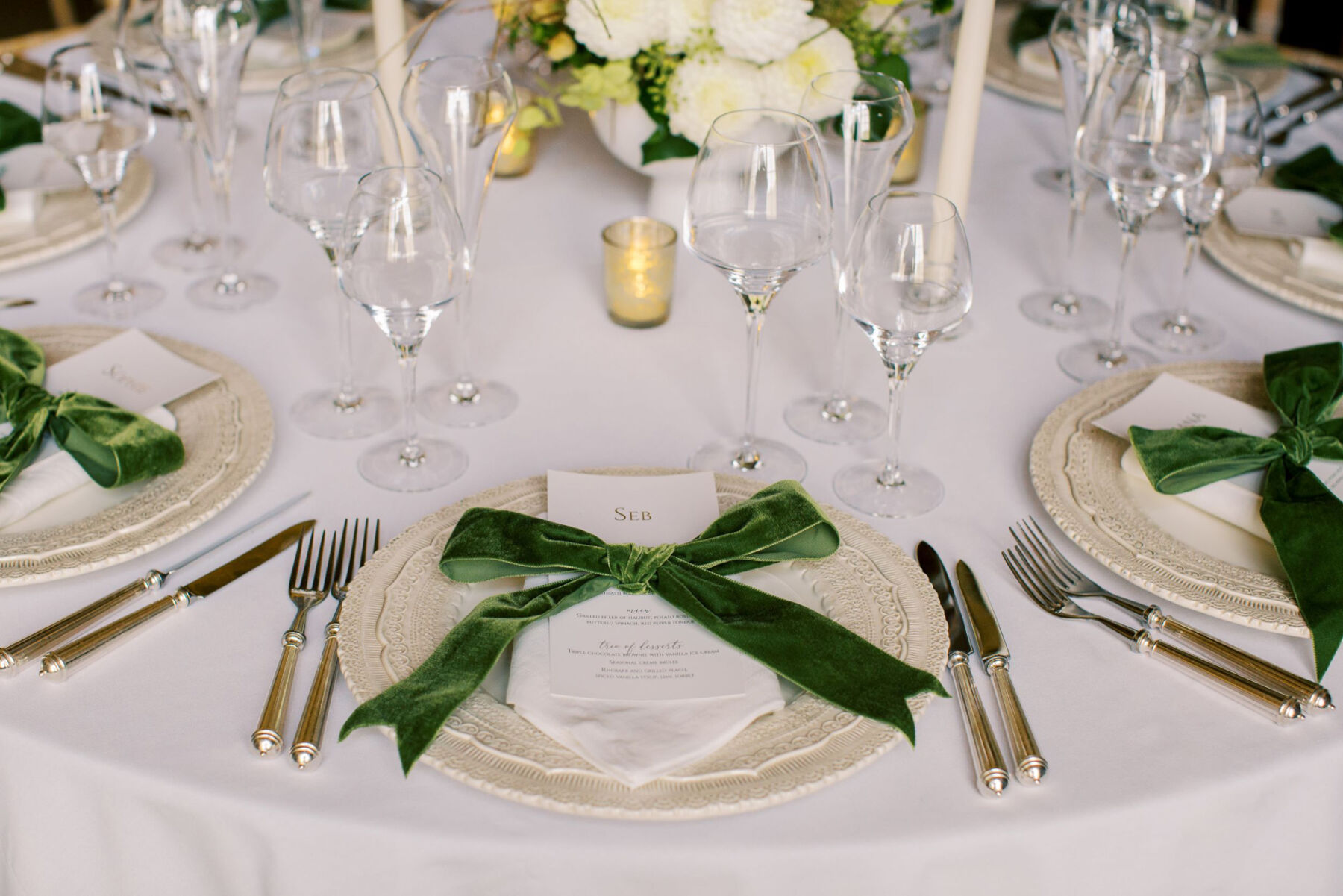
Industry analysts suggest that the "trust deficit" in digital wedding planning stems from three main factors:
- Aesthetic Appropriation: The ease with which vendors can use stock imagery or "styled shoot" content that does not reflect their actual service capability.
- Review Manipulation: The prevalence of incentivized or unverified reviews on large-scale marketplaces.
- Algorithmic Bias: The tendency for search engines to prioritize businesses with the largest marketing budgets rather than those with the highest craft standards.
By maintaining a small, hand-selected list of suppliers, Love My Dress mitigates these risks. The directory’s vetting process is led by Annabel Beeforth, who personally reviews every application. This editorial oversight ensures that every supplier—from Lisa Jane Photography to the bespoke artisans at The Embroidered Napkin Company—shares a commitment to professional excellence and aesthetic integrity.
The Human-AI Hybrid: Navigating Modern Planning
The rise of Artificial Intelligence is perhaps the most significant technological disruption the wedding industry has seen in a generation. While AI can analyze data patterns and suggest color palettes, it cannot account for the "emotional intelligence" required in wedding service. A photographer’s ability to navigate complex family dynamics or a florist’s ability to pivot when a specific bloom is unavailable due to climate issues are human traits that an algorithm cannot verify.
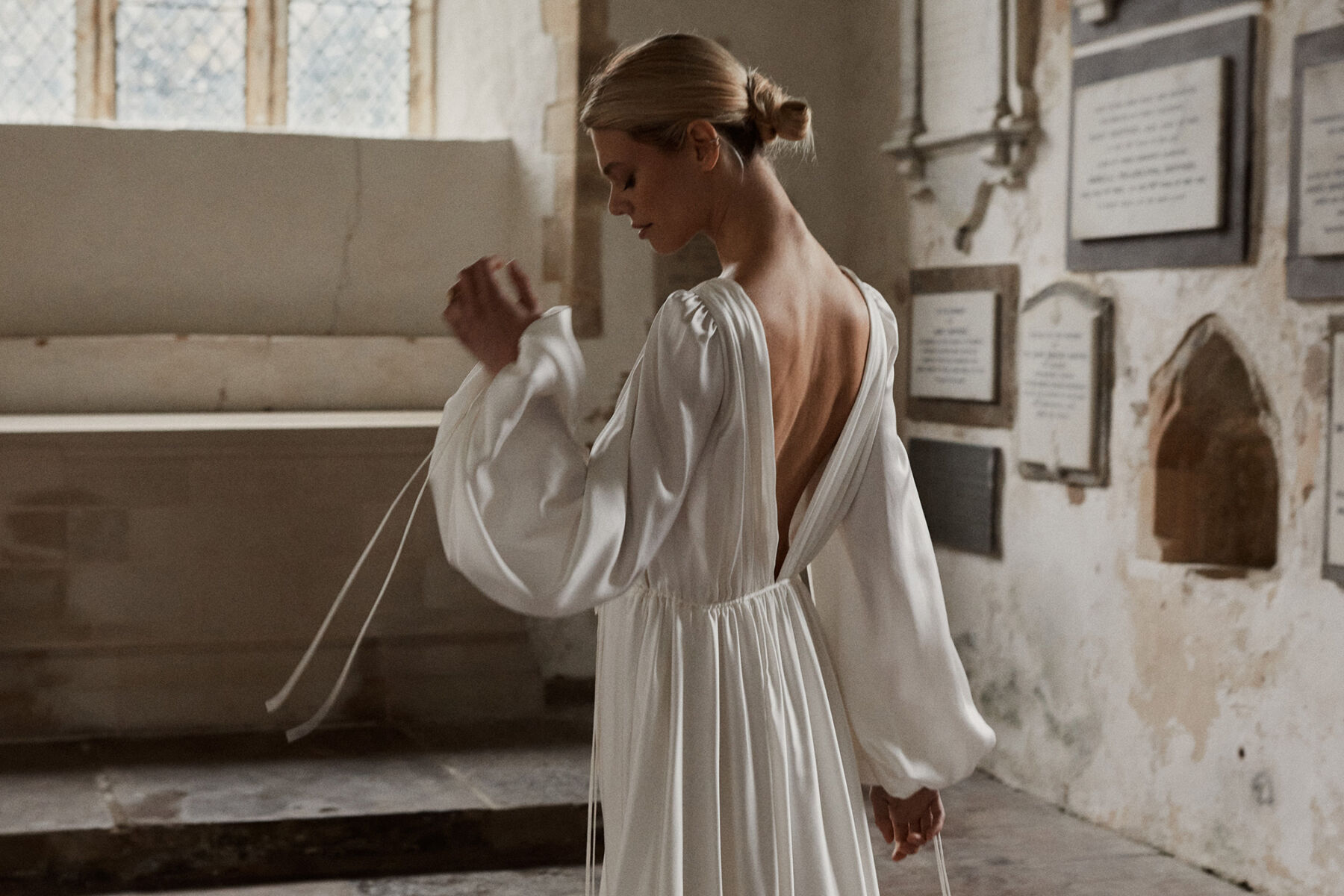
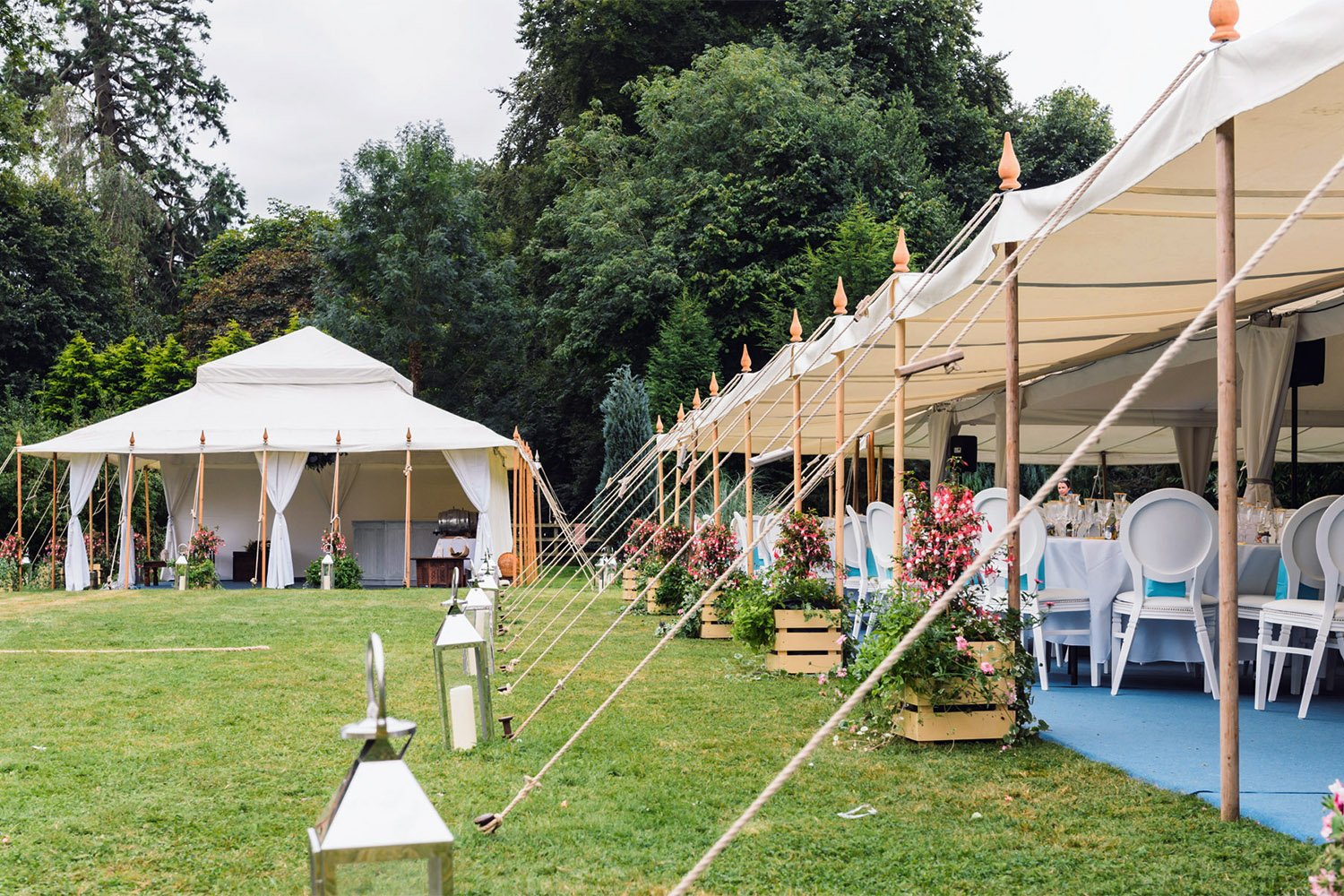
The Curated Wedding Directory operates on the principle that the most effective planning process is a hybrid one. While the platform offers modern digital features—such as a personal user dashboard, saveable favorites, and direct-to-vendor contact forms—the foundation of the list is built on human judgment. This approach allows couples to use digital efficiency for organization while relying on editorial expertise for the selection of high-stakes vendors like bridal designers, such as Luna Bea Bride, or luxury marquee suppliers like Arabian Tents.
Supplier Spotlights: A Case for Specialization
The diversity of the suppliers featured in the directory highlights a broader movement toward specialization in the wedding industry. No longer are couples looking for "generalist" vendors; they are seeking specialists who align with their specific values, such as sustainability, handmade craftsmanship, or modern minimalism.
- Photography and Cinematography: Providers like Lisa Jane Photography and Bowl of Corks represent a shift toward documentary-style, emotionally resonant imagery that avoids the clichés of traditional wedding photography.
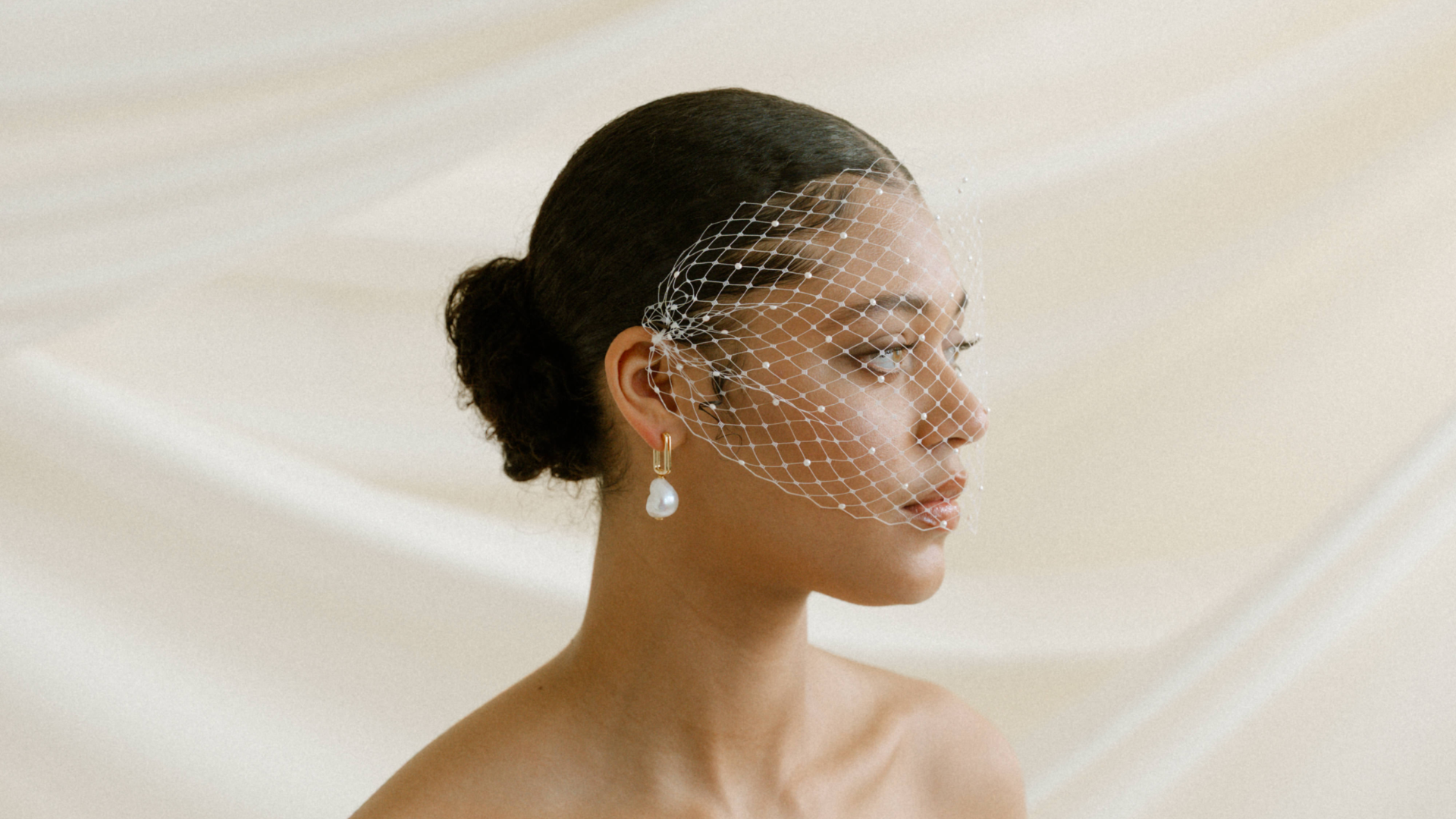
- Artisanal Details: The inclusion of niche specialists like The Embroidered Napkin Company and Debbie Carlisle (bridal headpieces) reflects the growing importance of "micro-details" that personalize a celebration.
- Conscientious Fashion: Brands like Luna Bea Bride and Shell Belle Couture cater to the modern bride’s demand for ethical production and high-quality materials, moving away from the "fast fashion" equivalents of the bridal world.
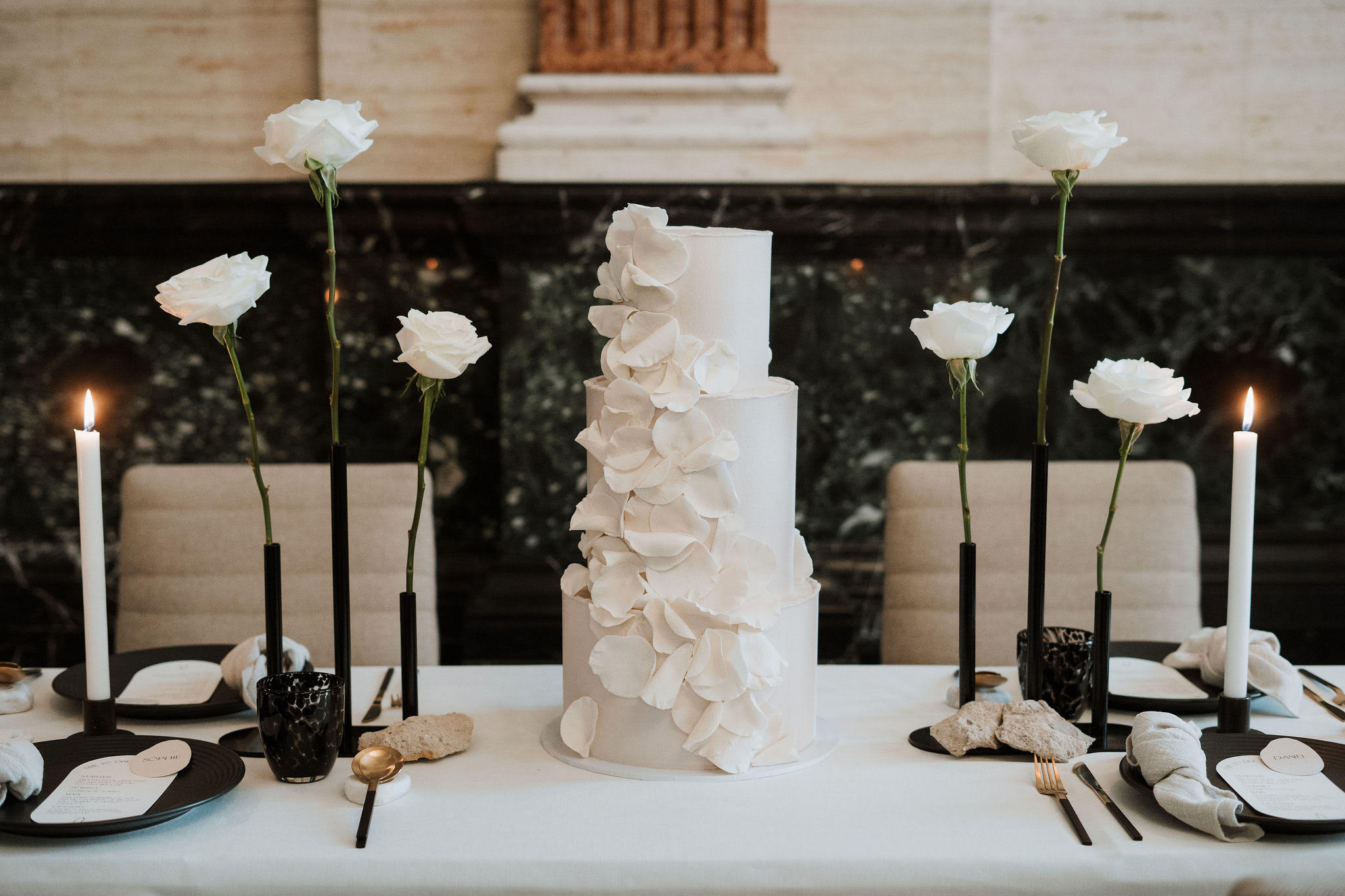
- Culinary and Event Design: Businesses such as Bloom Bakehouse and Arabian Tents demonstrate the move toward elevated, experiential event design that prioritizes the guest experience as much as the visual outcome.
Strategic Implications for the Wedding Industry
The re-introduction of a highly curated directory has broader implications for the B2B side of the wedding industry. It signals to vendors that "visibility" is no longer enough; "credibility" is the new requirement for entry into premium market segments.
For wedding professionals, the directory serves as a prestige marker. In an era where "influencer marketing" often lacks transparency, being part of a curated list that requires manual application and editorial approval provides a level of professional validation that social media metrics cannot replicate. This creates a healthy competitive environment where quality of service and brand integrity are the primary drivers of business growth.
Official Response and User Experience Enhancements
The relaunch includes several technical upgrades designed to streamline the user journey. Recognizing that wedding planning is often a multi-month or multi-year process, the directory now features a free user registration system. This allows couples to build a bespoke "planning hub" where they can save not only suppliers but also real wedding inspirations, ceremony readings, and articles.
Furthermore, the directory has integrated a "special offers" feature, where many recommended suppliers provide exclusive benefits to Love My Dress readers. This creates a tangible value proposition for the user, bridging the gap between high-end curation and practical budget management.
Conclusion: The Future of Curated Commerce
As the wedding industry continues to navigate a post-pandemic, AI-integrated landscape, the importance of curated platforms is likely to grow. The re-introduction of the Love My Dress directory is more than just a product update; it is an assertion of the value of human expertise in an increasingly automated world. By centering trust, integrity, and personal judgment, the directory provides a stable foundation for couples who view their wedding not just as an event, but as a significant emotional and financial investment.

For the modern couple, the path to a successful wedding no longer lies in finding the most options, but in finding the right ones. Through this curated approach, Love My Dress continues to lead the industry toward a more thoughtful, professional, and trust-centered future.