





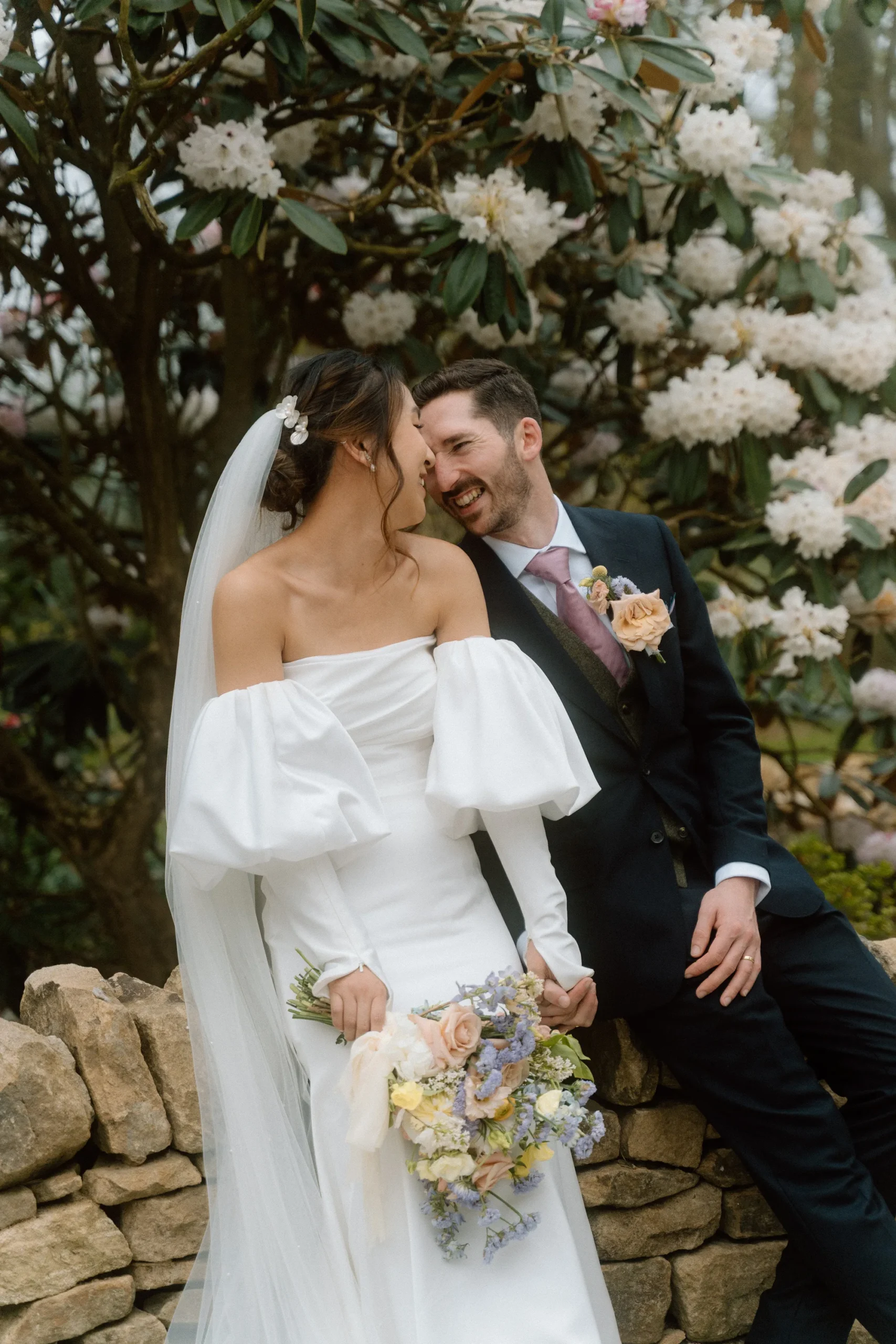
The union of Vivian and Edward, celebrated over a vibrant May Day weekend, serves as a quintessential example of the modern "fusion" wedding, seamlessly integrating traditional British Anglican rites with centuries-old Chinese customs. The proceedings, which spanned two counties and multiple days, began at the historic St Mary’s Church in Staindrop, County Durham, before transitioning to the newly established Halton Grove in Northumberland for a reception that highlighted both cultural heritage and contemporary rustic aesthetics.
A Weekend of Cultural Synthesis: The Chronology of Events
The celebrations commenced on the eve of the wedding with the traditional Chinese hair brushing ceremony (Shang Tou). This ritual, deeply rooted in Cantonese and Mandarin traditions, symbolizes the bride’s transition into adulthood and her new life as a married woman. Conducted in a private setting, the ceremony required Vivian to wear new red pajamas—red being the color of luck, joy, and prosperity in Chinese culture—while her hair was brushed ten times. Each stroke was accompanied by auspicious blessings, or "well-wishes," delivered by a woman of good fortune (usually a relative with a living husband, children, and grandchildren).
Following the ten strokes, the gathered family shared a pot of tangyuan, a traditional dessert of glutinous rice balls served in a sweet broth. The round shape of the balls signifies tuanyuan, or togetherness and completeness. In a lighthearted nod to superstition, the groom’s father is encouraged to consume a significant portion, as legend suggests this influences the couple’s future fertility.
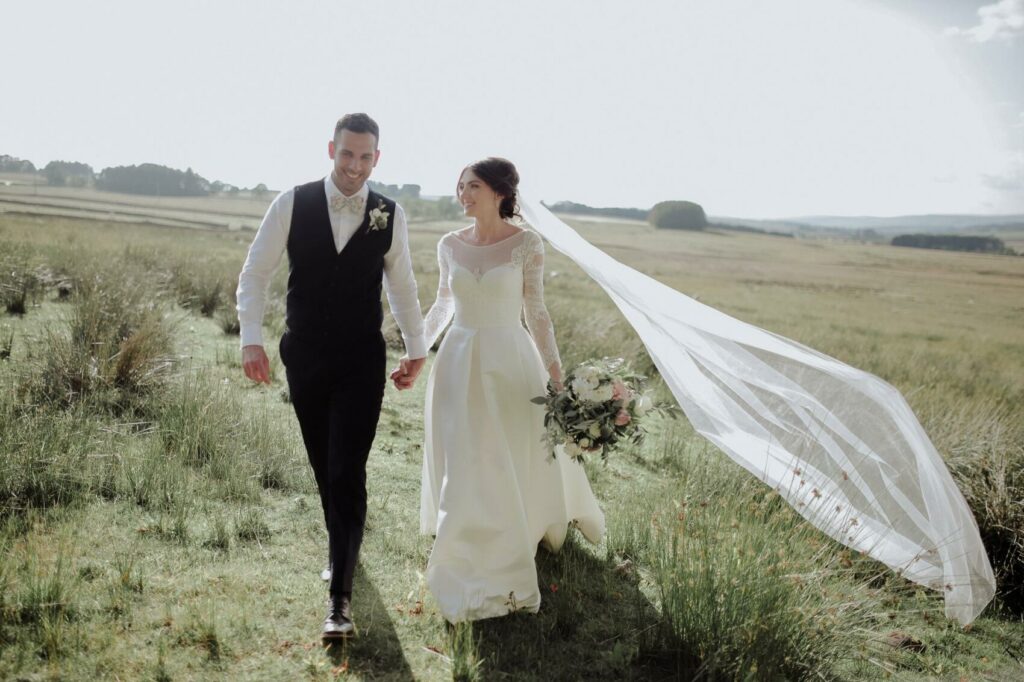
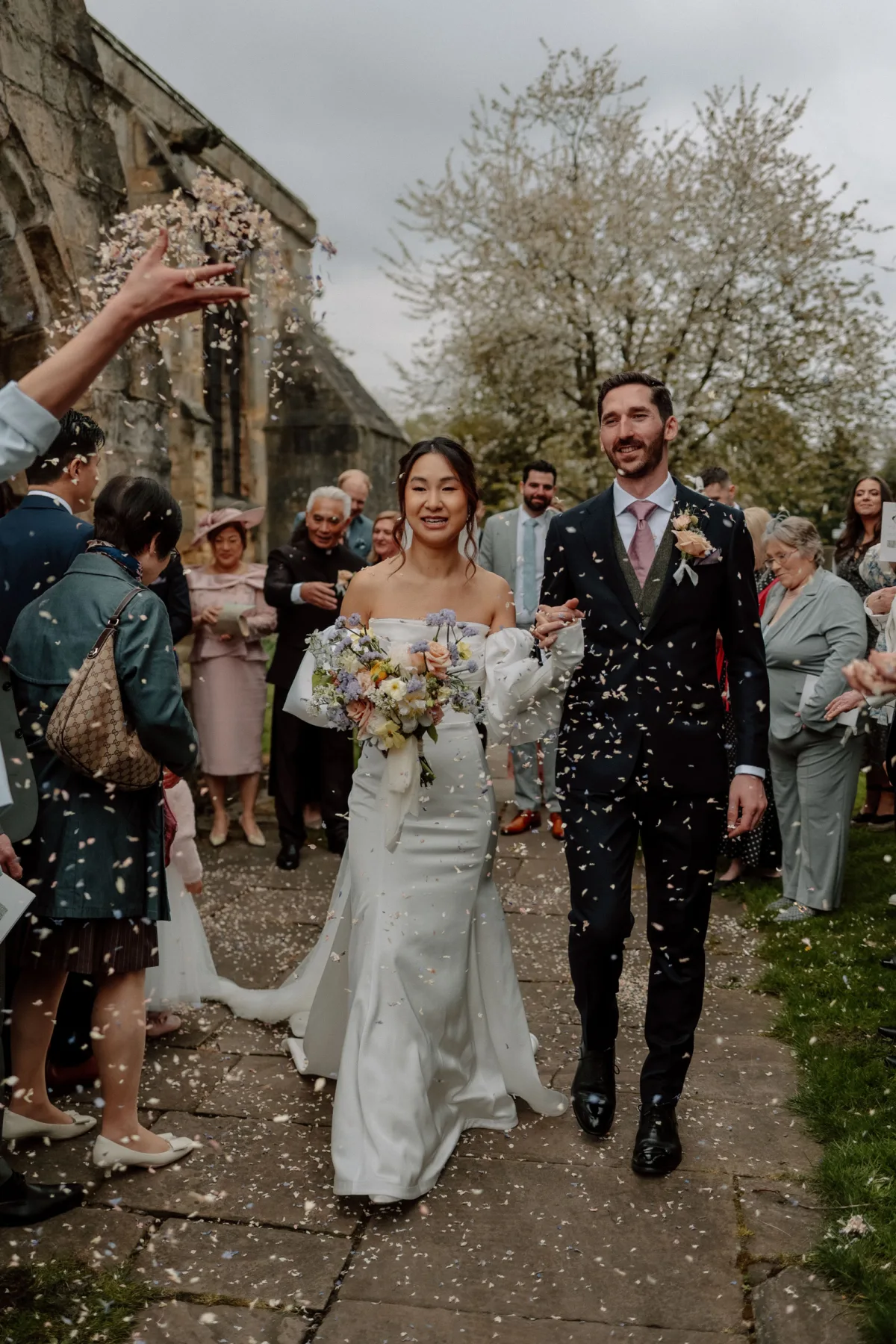
The formal wedding day began with a traditional Christian service at St Mary’s Church, a venue of deep personal significance to the groom. Edward, who spent over two decades in the parish before relocating to London, followed a family lineage by marrying in the same church as his grandparents. The service was presided over by the Reverend Canon Eileen Harrop and featured a blend of English and Chinese elements. The first reading, from the Song of Songs (2:10-13), mirrored the spring meadow theme of the weekend, while the second reading, Colossians (3:12-17), was delivered in Chinese by the bride’s aunt, emphasizing the universal values of love and gratitude.
The Transition to Northumberland: A Strategic Venue Choice
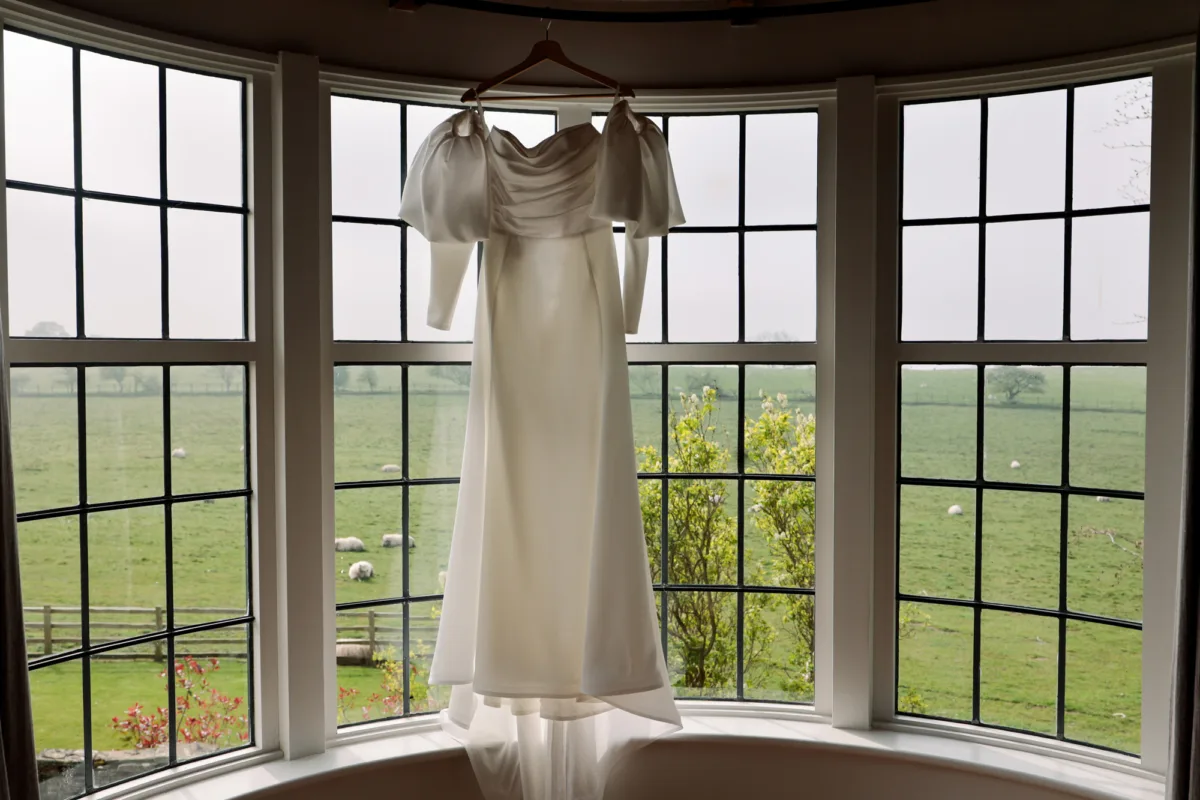
Following the church ceremony, the wedding party traveled an hour north to Halton Grove. The choice of venue was a calculated risk for the couple; they booked the site before construction was finalized, making them among the first to utilize the Northumberland estate. Halton Grove, known for its countryside vistas, exposed timber beams, and expansive floor-to-ceiling windows, provided the "modern rustic" backdrop the couple desired for their May Day celebration.
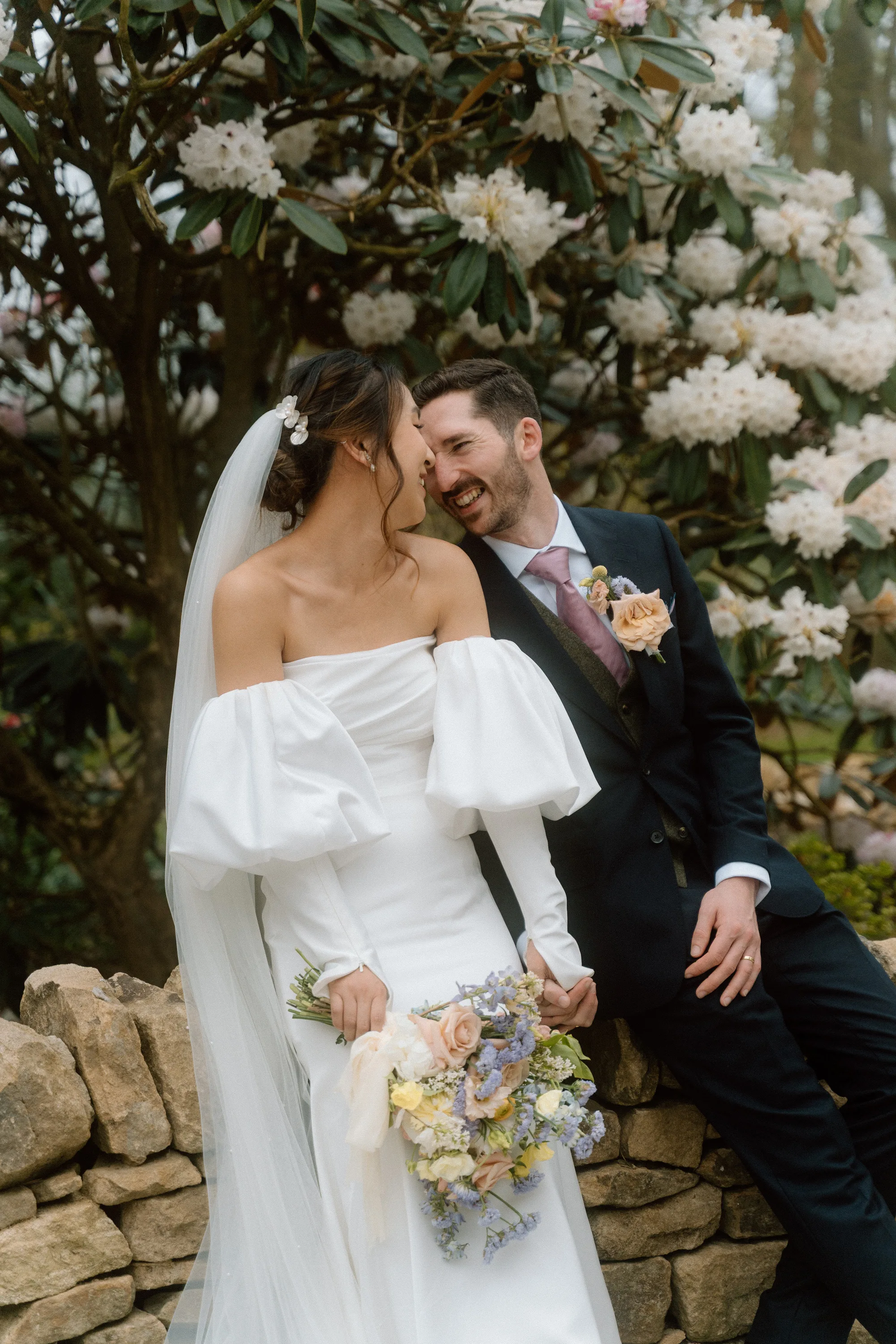
Upon arrival at the reception venue, the cultural focus shifted back to Chinese tradition with the Tea Ceremony (Cha Dao). This ritual is arguably the most significant aspect of a Chinese wedding, representing the formal introduction of the bride and groom to their respective families and the expression of gratitude toward their elders.
Dressed in traditional Chinese attire, the couple presented tea to their parents, grandparents, and elder relatives. The tea itself was prepared with red dates and lotus seeds, ingredients chosen for their symbolic representation of "bearing children early" and "unending prosperity." In exchange for the tea, the elders presented the couple with hongbao (red envelopes containing money) and gold jewelry. In Chinese tradition, the weight and quality of the gold given to the bride serve as a public testament to the family’s wealth and their esteem for the new union.
Design and Aesthetics: The "Spring Meadow" Concept
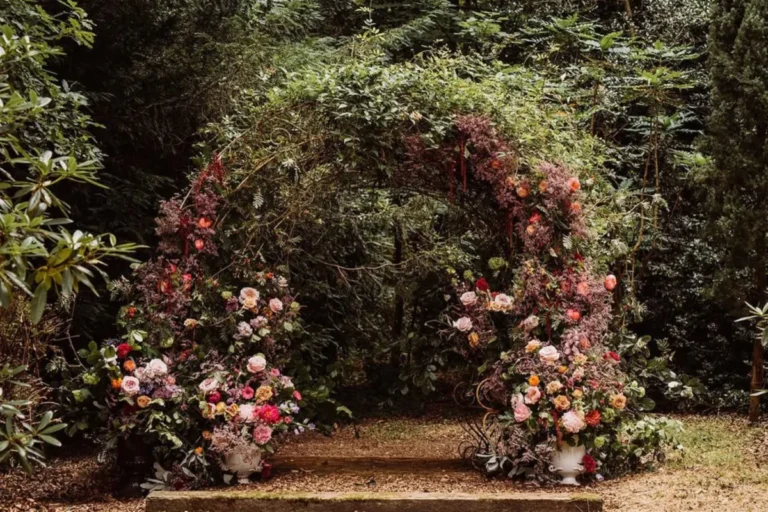
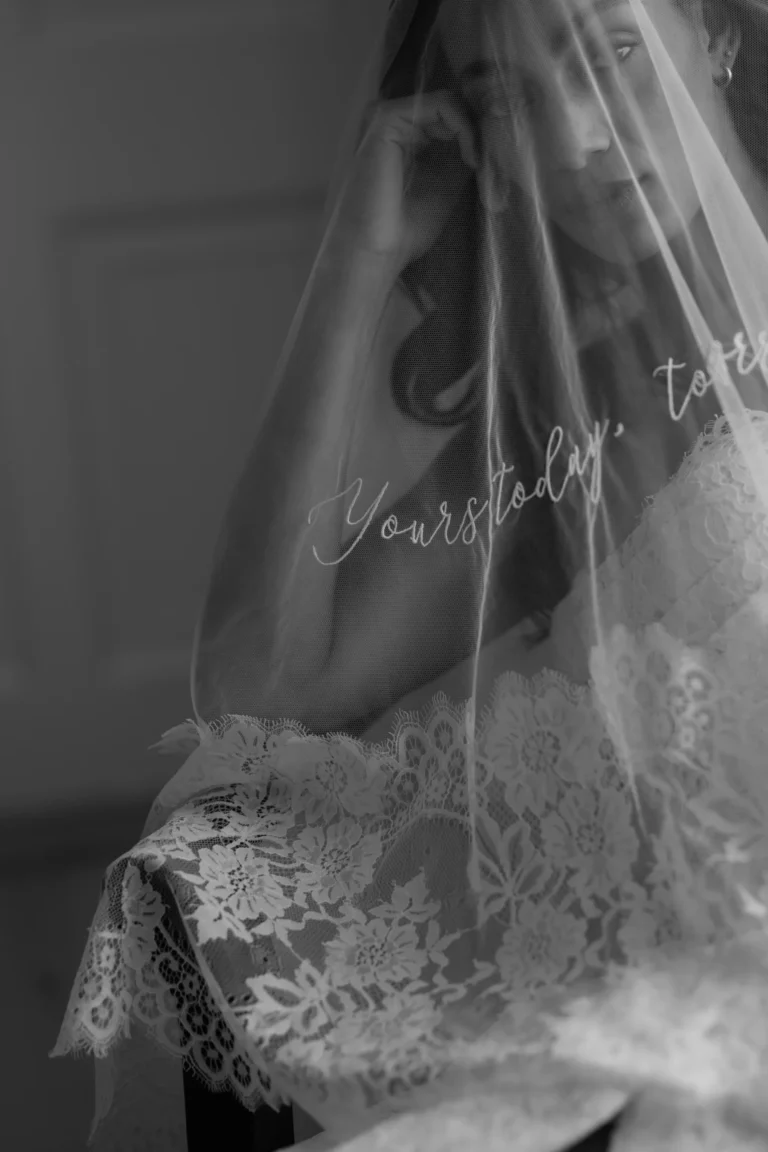
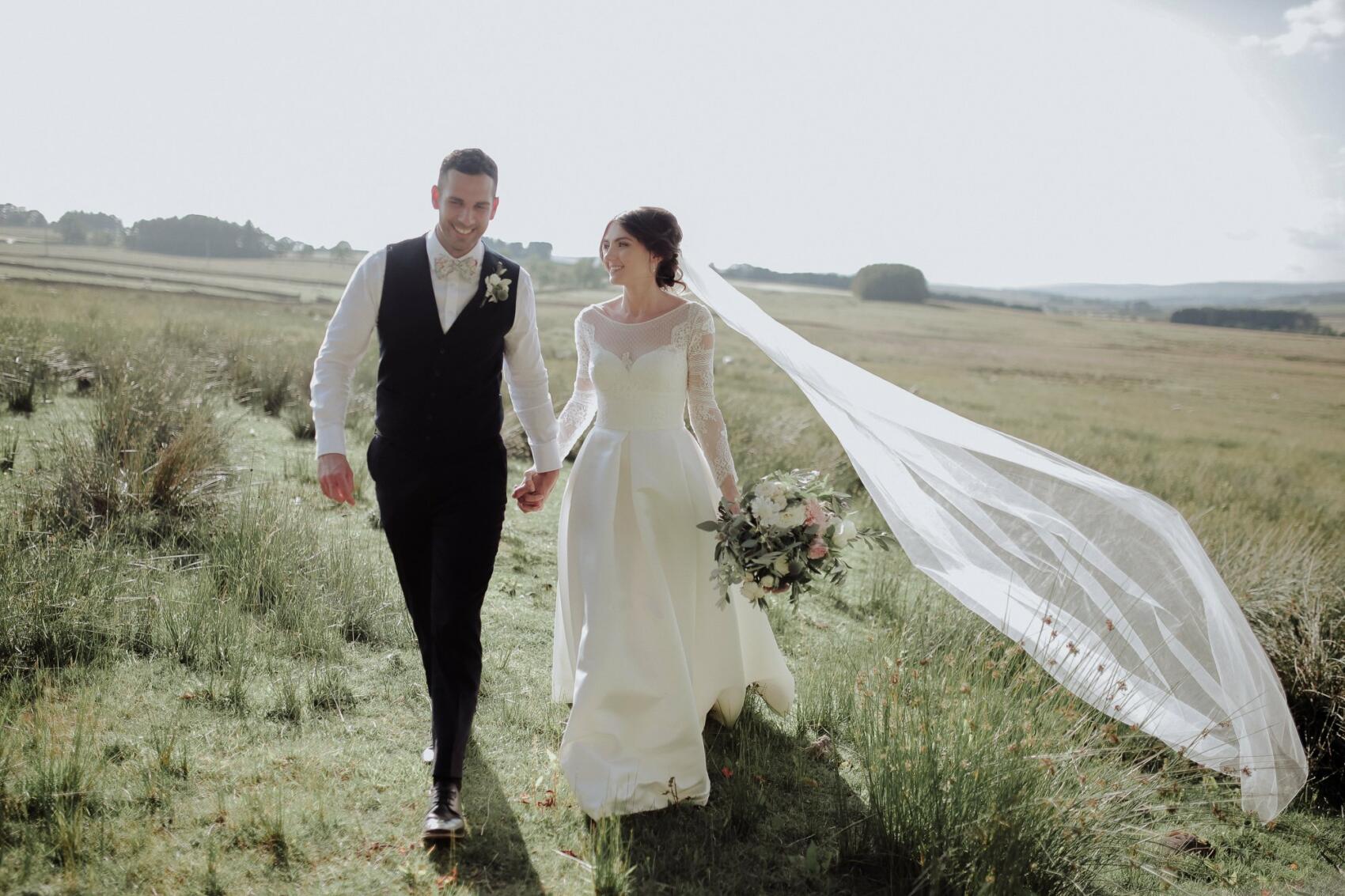
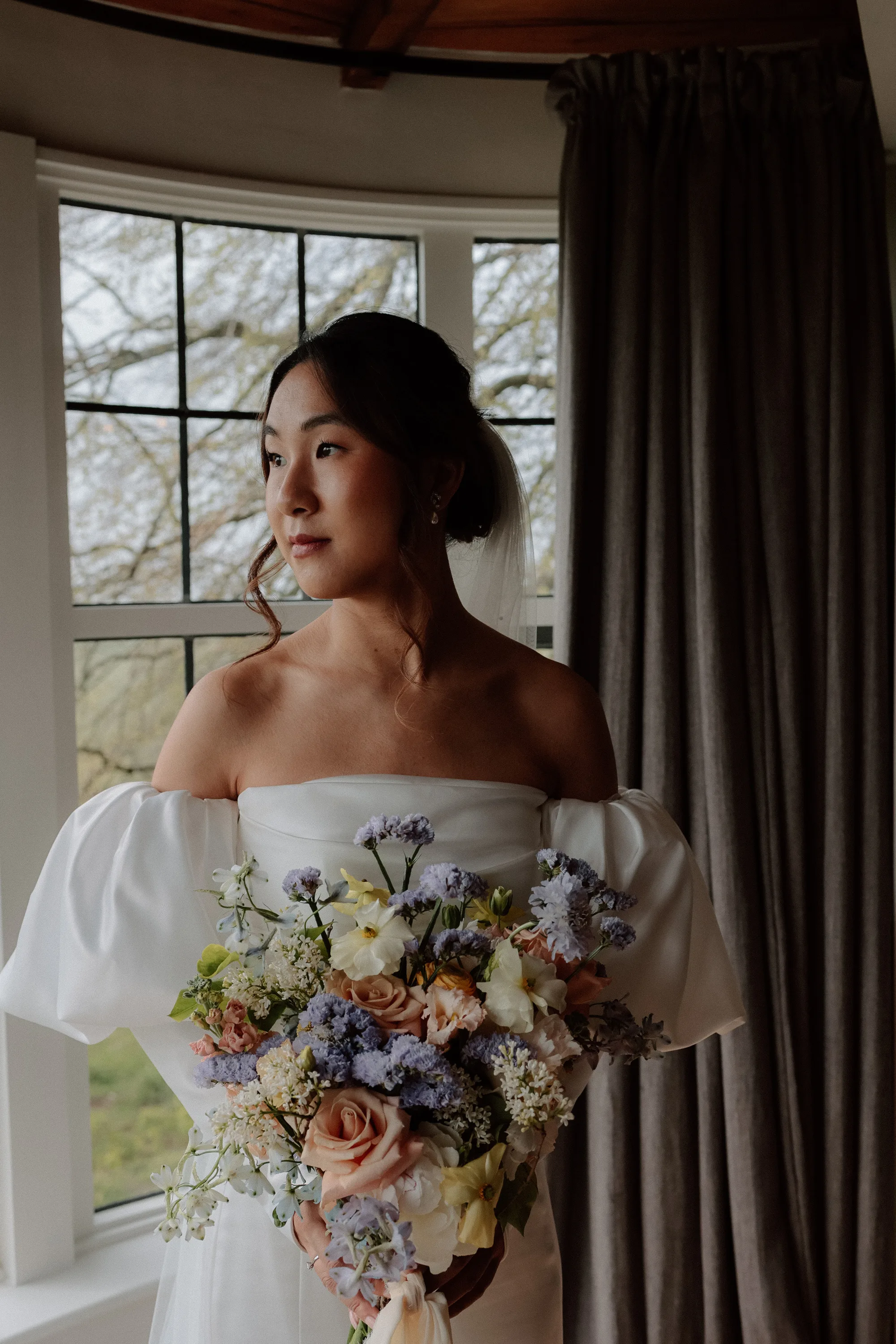
The visual identity of the wedding was meticulously curated by the bride, a professional designer and founder of Square Balloons Studio. Eschewing the standard templates of the wedding industry, Vivian designed the entirety of the wedding stationery, including invitations, orders of service, and menus. The aesthetic was defined by a palette of blush pink, lilac, and a "pop" of yellow ochre, intended to reflect the blooming flora of the North East in early May.
The reception space was transformed through a collaborative effort between the bridal party and local vendors. Floral styling was handled by Deborah of Periwinkle Barn, a sustainable florist sourced through the "Flowers from the Farm" network. The arrangements utilized a mix of locally grown seasonal blooms and select imports, focusing on a wild, meadow-like appearance that complemented the venue’s natural wood architecture.
Personal history was woven into the decorative details. The tables were named after the couple’s favorite locations, and the place settings featured handmade bookmarks with guest names rendered in calligraphy. Edward’s attire also carried sentimental value; his cufflinks were fashioned from coins minted in the year of his late father’s birth, ensuring a paternal presence during the ceremony.
Culinary Excellence and Evening Festivities
Recognizing that catering is a critical pillar of the guest experience, the couple prioritized a high-quality food and beverage program. Led by Emily Owen of the Halton Grove in-house catering team, the menu focused on seasonal ingredients and refined presentation. The wedding cake, designed by Frances and Rae Cake Design, mirrored the "modern rustic" theme with a simple, elegant finish, raw edges, and accents of edible gold leaf to match the stationery.
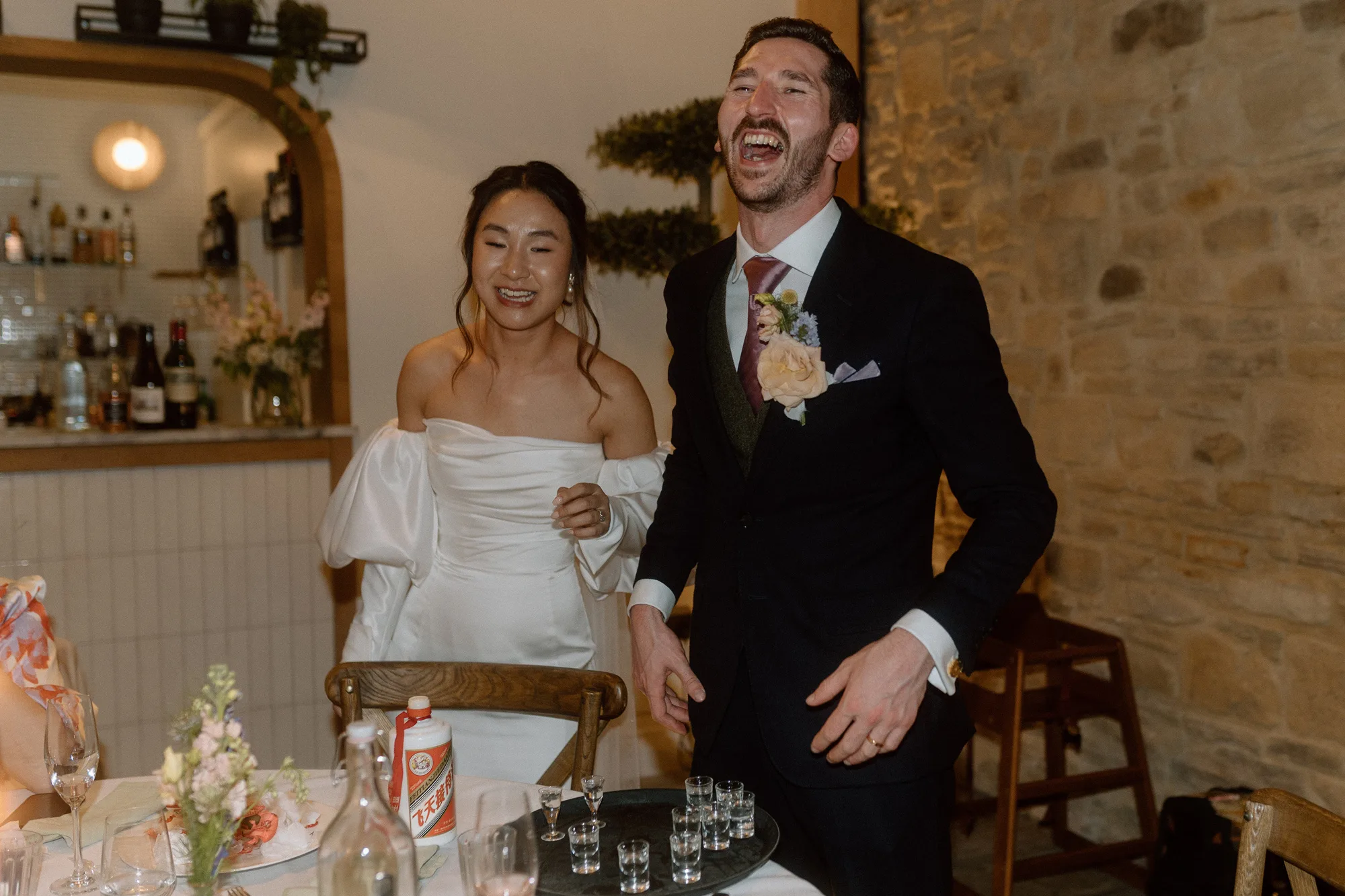
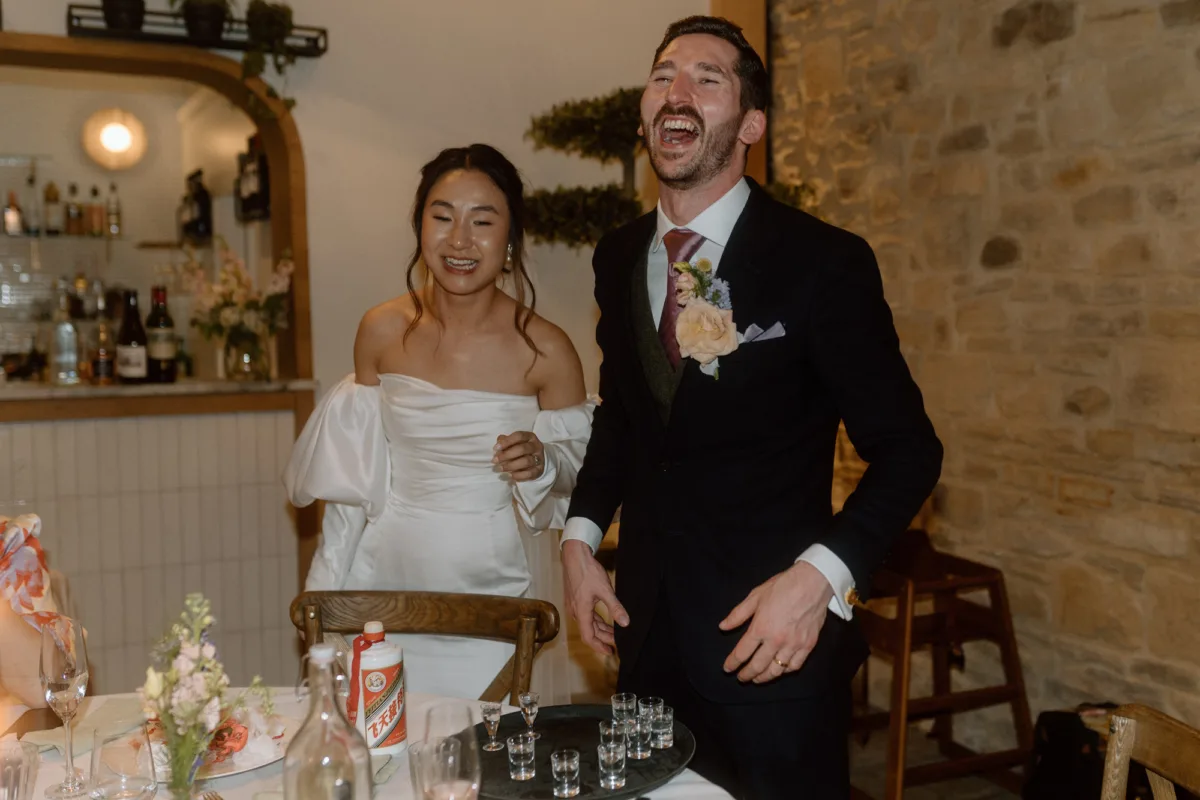
The evening transition was marked by a shift in tone toward high-energy entertainment. The Electric Idols, an indie band from Leeds, provided the soundtrack for the night. The couple’s first dance to "Melt" by the Mystery Jets was a nod to Edward’s musical preferences and a shared favorite song from their early dating years. A notable moment during the speeches occurred when Edward addressed the Chinese guests in their native tongue, a gesture of respect that required months of tutoring from the bride’s sister.
Broader Implications: The Growth of Cultural Fusion Weddings
The Vivian-Edward wedding reflects a broader shift within the UK wedding industry, which is valued at approximately £14.7 billion annually. As the UK becomes increasingly multicultural, "fusion" weddings are no longer a niche category but a significant market driver. These events often require specialized planning to accommodate multiple ceremonies, varied catering requirements, and complex logistics—such as the hour-long transit between the Durham church and the Northumberland reception site.
Furthermore, the couple’s decision to book Halton Grove during its construction phase highlights the growing demand for exclusive-use, high-end rural venues in the North of England. The "Northumberland effect" has seen a surge in wedding tourism, as couples from London and other major hubs seek out the region’s distinctive blend of historic charm and modern luxury.
Analysis of Success and Lessons for Future Couples
Reflecting on the logistics of the day, the couple emphasized the importance of contingency planning and personal time. The one-hour drive from the church to the venue, which initially seemed like a logistical hurdle, became a vital "buffer zone," allowing the newlyweds a rare moment of solitude to process the morning’s emotions before the start of the tea ceremony.
From a journalistic perspective, the success of the event can be attributed to three factors:
- Clear Creative Vision: The bride’s professional design background allowed for a cohesive visual narrative that tied together disparate cultural elements.
- Vendor Trust: By selecting local, sustainable suppliers like Periwinkle Barn and Frances and Rae, the couple ensured that the event felt grounded in its geographic location.
- Heritage Integration: Rather than choosing one culture over the other, the couple gave equal weight to both Anglican and Chinese traditions, creating a multi-layered experience that resonated with both sides of the family.
In conclusion, the wedding of Vivian and Edward stands as a sophisticated blueprint for couples looking to honor complex identities within a single celebration. It demonstrates that with meticulous planning and a respect for tradition, a wedding can be both a deeply personal milestone and a grand cultural showcase. The event not only celebrated a marriage but also the successful blending of two distinct histories against the backdrop of the Northumberland countryside.