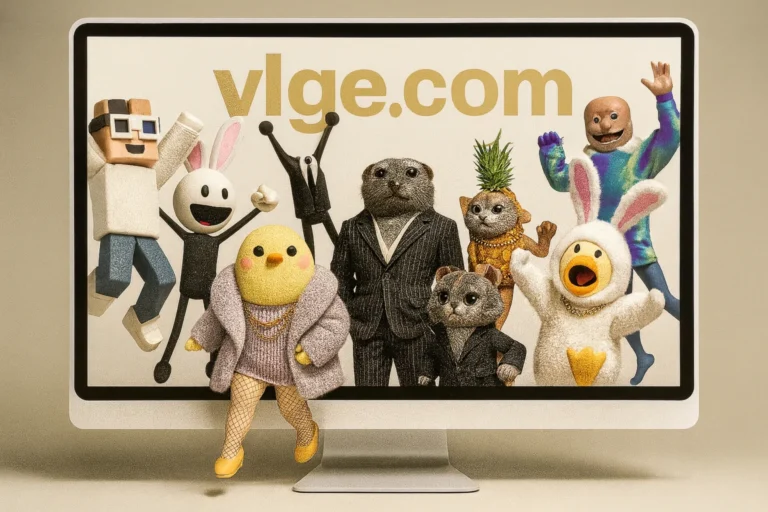









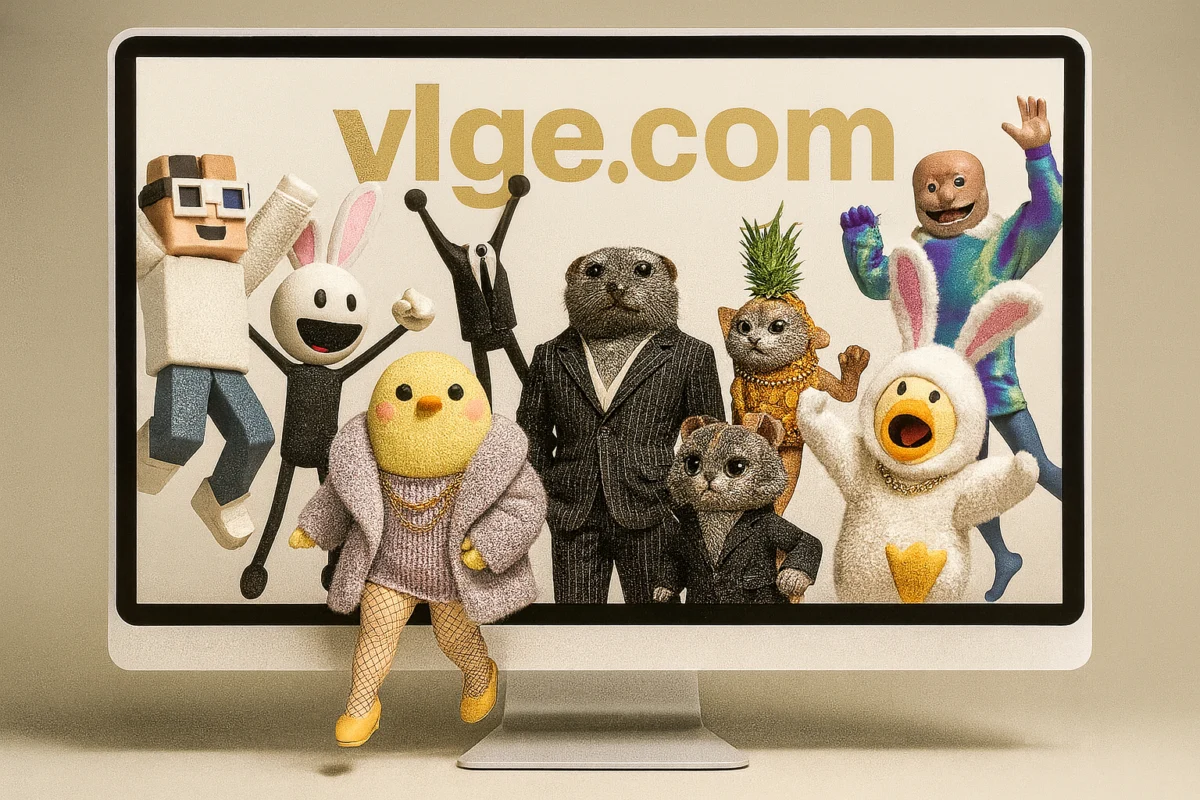
The landscape of global fashion is undergoing a fundamental transformation as the industry shifts its focus from physical runways to immersive, gamified environments. At the center of this evolution is VLGE, a pioneering gaming and immersive-world-building platform founded by Evelyn Mora. In a significant expansion of its operations, VLGE recently announced that 50 major fashion brands are set to launch their own shoppable digital worlds as part of "World Fashion Week." This initiative, powered entirely by VLGE’s proprietary technology, represents a pivotal moment in the convergence of e-commerce, high fashion, and the burgeoning metaverse. By providing a bridge for creators to launch interactive, shoppable games on platforms such as Roblox, VLGE is effectively lowering the barrier to entry for brands seeking to engage with a younger, digitally native demographic.
Evelyn Mora’s journey into the tech-fashion intersection began with a critical observation during her early career. As a figure deeply embedded in the fashion circuit, Mora recognized a glaring contradiction: while many designers were becoming increasingly vocal about sustainability, the traditional format of the large-scale fashion show remained inherently wasteful. The logistics of flying models, journalists, and buyers across the globe, combined with the temporary nature of massive physical sets, created an environmental footprint that was difficult to reconcile with the industry’s stated green goals. This realization served as the catalyst for the 2021 launch of VLGE, a platform designed to offer a sustainable, scalable, and interactive alternative to the traditional marketing and retail models.
The Technological Architecture of VLGE and Its Impact on Roblox Integration
One of the primary challenges facing luxury and retail brands today is the high technical and financial cost of entering virtual spaces. To build a custom experience on a platform like Roblox, a brand typically must hire specialized agencies, with costs ranging from $10,000 to over $100,000, and development cycles lasting several months. VLGE has addressed this bottleneck by creating a browser-based, no-code environment that allows brands to build immersive worlds in real time. These worlds can then be exported directly to Roblox, eliminating the need for brands to master Luau, Roblox’s proprietary coding language, or navigate the complex technical hurdles typically associated with game development.
Mora’s strategic focus on Roblox is driven by the platform’s immense market potential. With over 70 million daily active users—the majority of whom belong to Gen Z and Gen Alpha—Roblox has become a critical frontier for brand discovery. However, until the advent of VLGE, the platform remained largely inaccessible to all but the largest corporations with massive R&D budgets. By making the world-building process instant, affordable, and scalable, VLGE is democratizing access to the metaverse. The platform is also built for interoperability, featuring compatibility with Unreal Engine and forthcoming integration with Meta’s Horizon Worlds, ensuring that the digital assets and environments created today remain relevant across various virtual ecosystems.
Strategic Funding and Industry Backing
The industry’s confidence in VLGE’s vision is reflected in its successful capital-raising efforts. To date, the company has secured $5 million in funding from a diverse group of high-profile investors. These include Lammot J. du Pont of the legendary du Pont family, the L’Oréal Group, and the British Fashion Council (BFC). The involvement of the BFC is particularly noteworthy, as it signals a recognition from traditional fashion authorities that the future of the industry is inextricably linked to digital innovation.
VLGE’s roster of partners already includes prestige names such as Lancôme, Charlotte Tilbury, and Vogue Scandinavia. These early collaborations have served as a proof of concept, demonstrating that luxury consumers are willing to engage with brands in non-traditional, gamified formats. The success of these initial projects laid the groundwork for the current "World Fashion Week" activation, which Mora describes as the platform’s first large-scale demonstration of real-time, cross-platform building capabilities.
The Launch of World Fashion Week and the Rise of Shoppable Games
World Fashion Week acts as an ambitious digital counterpart to the traditional "Big Four" fashion weeks in New York, London, Milan, and Paris. However, unlike its physical predecessors, World Fashion Week is designed to be "shoppable" from the outset. The 50 participating brands are not merely showcasing digital renders of clothing; they are creating interactive experiences where users can play games, socialize, and purchase both digital and physical goods.

This move toward "gamified commerce" represents a departure from the static experience of traditional online shopping. For Gen Z, the act of "shopping" is often a social and recreational activity. By embedding commerce within a game, VLGE is tapping into the psychological drivers of the next generation of consumers. The platform’s upcoming e-tail store will further bridge this gap by selling "phygital" items—physical products that come with a 3D digital twin that can be worn by an avatar in Roblox or other virtual worlds.
Economic and Environmental Implications of the Digital Pivot
The shift toward virtual fashion worlds carries significant economic implications for the retail sector. As the cost of customer acquisition on traditional social media platforms like Instagram and Facebook continues to rise, brands are searching for more efficient ways to build community and loyalty. Immersive worlds offer a higher degree of engagement, with users often spending hours within a brand’s digital ecosystem compared to the seconds spent scrolling past a digital ad.
From a sustainability perspective, the benefits are equally profound. Digital fashion allows brands to test designs and gauge consumer interest before a single physical garment is produced. This "on-demand" approach to manufacturing could drastically reduce the overproduction and deadstock issues that currently plague the fashion industry. Furthermore, by replacing physical events with 3D gamified experiences, the industry can significantly reduce the carbon emissions associated with global travel and event production.
Chronology of Development and Future Milestones
The trajectory of VLGE showcases a rapid evolution from a niche solution to a comprehensive infrastructure provider:
- 2021: VLGE is launched by Evelyn Mora with a focus on sustainable, immersive brand experiences.
- 2022-2023: The platform secures $5 million in seed funding and begins pilot programs with Lancôme and Charlotte Tilbury. It gains international recognition for hosting the first gamified 3D fashion week.
- Early 2024: VLGE expands its technical capabilities, focusing on real-time browser-to-Roblox export tools.
- Late 2024: The announcement of World Fashion Week with 50 participating brands and the introduction of a four-tier pricing model (Freemium, Creator, Small Business, and Enterprise).
- Future Outlook: VLGE plans to finalize compatibility with Meta Horizon Worlds and launch its dedicated "phygital" e-tail store, further integrating physical supply chains with digital asset management.
Analysis: The Infrastructure of Next-Generation Commerce
The significance of VLGE extends beyond the novelty of "gaming." It represents the development of the underlying infrastructure that will power the next decade of retail. As Evelyn Mora noted, the current moment is not just about fashion; it is about the systems that facilitate commerce for a generation that does not distinguish between their physical and digital identities.
The move toward a four-tier pricing model—Freemium, Creator, Small Business, and Enterprise—indicates that VLGE is positioning itself as the "Shopify of the Metaverse." By providing the tools for everyone from independent designers to multinational conglomerates to build and monetize virtual spaces, VLGE is creating a scalable ecosystem that could redefine how brands are built and sustained.
However, the transition is not without its challenges. The industry must still navigate issues related to digital ownership, data privacy in virtual spaces, and the ongoing volatility of the broader "metaverse" market. Nevertheless, by focusing on a platform as established and popular as Roblox, VLGE has grounded its high-tech vision in a practical, high-traffic reality.
Conclusion
As World Fashion Week commences, the eyes of both the tech and fashion worlds are on VLGE. The success of these 50 shoppable worlds will serve as a litmus test for the viability of gamified commerce. If the platform can continue to deliver on its promise of making the metaverse "instant, affordable, and scalable," it may well succeed in its mission to bridge the gap between e-commerce and cultural creation. In doing so, Evelyn Mora and her team are not just changing how we buy clothes; they are redefining the very fabric of digital interaction and environmental responsibility in the 21st century.