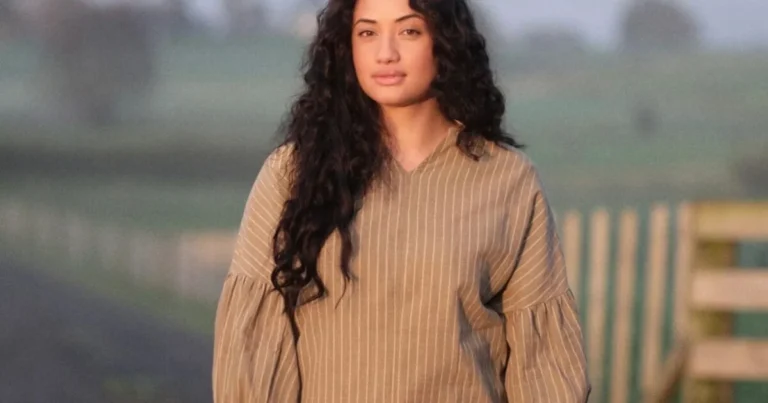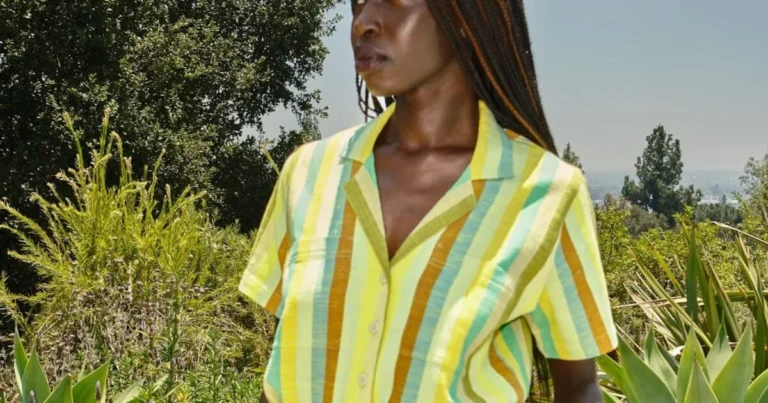











Co-ords and suits, distinguished by their meticulously matched two-piece designs, represent an enduring cornerstone of contemporary fashion, offering unparalleled versatility for both integrated ensembles and standalone styling. This inherent adaptability, coupled with their timeless aesthetic, positions them as strategic acquisitions for a thoughtfully curated capsule wardrobe, aligning seamlessly with the escalating demand for sustainable fashion choices. This article, informed by rigorous brand assessments, presents a selection of options from "Good" and "Great"-rated brands, underscoring a commitment to ethical and environmental responsibility in the textile industry.
The fashion industry, a significant global economic force, has increasingly come under scrutiny for its substantial environmental footprint and complex social impact. From excessive water consumption and chemical pollution in textile production to issues of labor rights within extensive supply chains, the imperative for more sustainable practices is undeniable. In response, a growing movement champions "slow fashion," prioritizing durability, ethical sourcing, and reduced waste over the rapid consumption cycles of fast fashion. Within this evolving landscape, co-ords and suits emerge as exemplars of mindful consumption. Their design philosophy inherently promotes longevity and multifunctionality, allowing pieces to be interchanged with existing wardrobe items—a blazer paired with a favorite dress, or a skirt from a co-ord set with a different top—thereby maximizing their utility and extending their lifespan. When worn as a cohesive unit, these matching sets instantly convey a polished and intentional aesthetic, transcending fleeting trends to offer enduring style.
The Genesis of Conscious Consumption in Fashion
The trajectory towards a more sustainable fashion paradigm has gained considerable momentum over the past decade, driven by increasing public awareness and advocacy from environmental and social justice organizations. Early activism highlighted the detrimental effects of conventional textile manufacturing, from the toxic runoff of dye processes to the staggering volume of discarded garments accumulating in landfills. Reports detailing exploitative labor conditions in garment factories further galvanized calls for greater transparency and accountability across the supply chain. This chronology of awareness has fostered a discernible shift in consumer preferences, with a growing segment actively seeking brands that demonstrate verifiable commitments to environmental protection, fair labor practices, and animal welfare.
Organizations such as Good On You have emerged as crucial intermediaries in this new landscape, providing comprehensive, evidence-based ratings that assess fashion brands’ impacts across "People," "Planet," and "Animals." This systematic evaluation empowers consumers to make informed purchasing decisions, moving beyond superficial marketing claims to engage with verified sustainability credentials. Brands achieving "Good" or "Great" ratings through such systems typically exhibit robust policies and verifiable practices in areas such as using eco-friendly materials (e.g., organic cotton, recycled fibers), minimizing waste, reducing water and energy consumption, ensuring fair wages and safe working conditions, and avoiding animal products or cruel practices. The existence of these ratings reflects a broader industry movement towards measurable sustainability, encouraging brands to integrate ethical considerations into their core business models rather than treating them as peripheral initiatives.
The Imperative of Circularity: Embracing Second-Hand Options
While the selection of new, sustainably produced garments from highly-rated brands is a commendable step, the most environmentally sound approach remains the utilization of existing resources. The principle of circularity—designing out waste and pollution, keeping products and materials in use, and regenerating natural systems—is paramount in fashion. Consequently, sourcing second-hand options for suits and co-ords represents the apex of sustainable consumption. The fashion industry generates an estimated 92 million tons of textile waste annually, a figure projected to rise significantly if current consumption patterns persist. Extending the life of existing garments directly mitigates this waste stream, reducing the demand for new production and conserving valuable resources.
Second-hand markets, encompassing thrift shops, consignment stores, and burgeoning online platforms, offer a vast repository of pre-owned garments, including high-quality suits and co-ords. These options frequently present an opportunity to acquire beautifully constructed pieces at a fraction of their original cost, thereby democratizing access to durable, stylish clothing. Furthermore, the act of giving a garment a "second life" is a tangible contribution to reducing environmental impact. Practical considerations, such as minor sizing discrepancies, should not deter potential buyers. A visit to a local tailor for adjustments can transform a well-made second-hand item into a perfectly fitted, personalized garment, representing a cost-effective and sustainable investment. This approach not only champions environmental stewardship but also supports local economies through tailoring services and second-hand retail.
Curated Selections for the Conscious Wardrobe
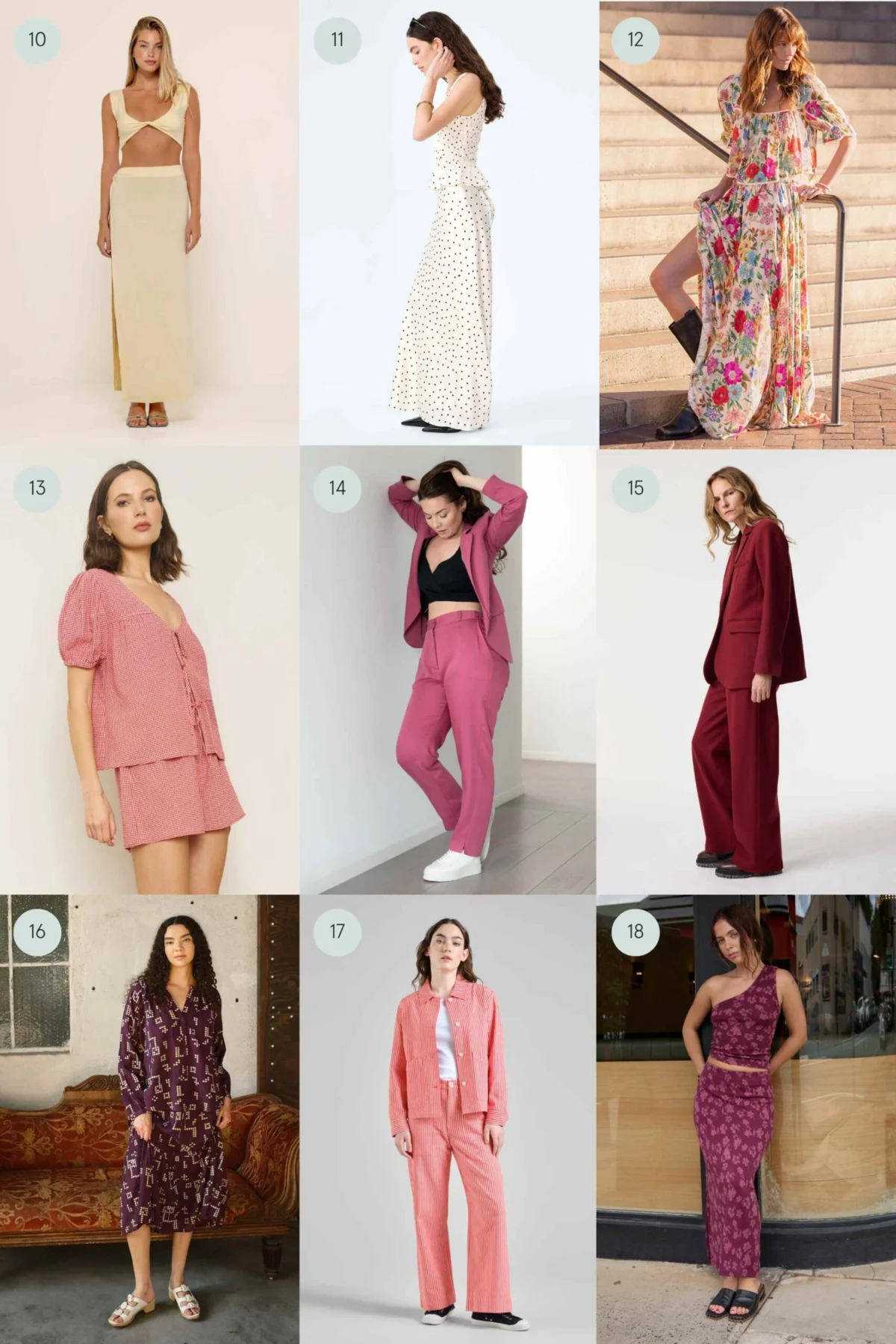
For those seeking new additions that align with sustainable principles, a growing number of brands are integrating ethical production and innovative materials into their collections. The following selection highlights brands that have achieved "Good" or "Great" ratings, indicating their commitment to reducing environmental impact and upholding social responsibility. These brands represent various approaches to sustainability, from made-to-measure services that eliminate overproduction to the innovative use of recycled and low-impact materials.
- Dressarte Paris Made-to-Measure Blazer and Trousers: Exemplifying slow fashion, Dressarte Paris offers made-to-measure services. This approach minimizes waste by producing only what is ordered, ensuring a perfect fit that enhances longevity and wearer satisfaction. Their commitment reflects a move away from mass production and its associated waste.
- ZEROBARRACENTO Bemburg Blouse and Trousers: ZEROBARRACENTO focuses on zero-waste pattern-making and utilizes innovative, sustainable materials like Bemberg, a regenerated cellulose fiber. This brand’s dedication to circular design principles significantly reduces fabric waste during production.
- WE-AR4 Blazer and Shorts: WE-AR4 champions recycled and upcycled materials, transforming pre-existing textiles into new, high-quality garments. Their blazer and shorts set demonstrates how post-consumer waste can be diverted from landfills and given a new life in contemporary fashion.
- E.L.V Denim Contrast Denim Shirt and Jeans: E.L.V Denim specializes in upcycled denim, meticulously piecing together discarded jeans to create unique, contemporary designs. This radical approach to material sourcing minimizes environmental impact by foregoing new cotton production and extensive dyeing processes.
- Triarchy Western Denim Jacket and Mini Skirt: Triarchy is committed to sustainable denim production, employing advanced technologies to significantly reduce water usage and eliminate harmful chemicals. Their denim set showcases how a classic fabric can be produced with a drastically lower environmental footprint.
- SeamsFriendly Convertible Dress/Skirt/Top: This innovative piece from SeamsFriendly embodies versatility and multifunctionality. Designed to be worn in multiple ways, it encourages creative styling and reduces the need for multiple single-purpose garments, aligning with capsule wardrobe principles.
- 1 People Blazer and Shorts: 1 People focuses on ethical manufacturing and sustainable materials, creating timeless pieces with a minimalist aesthetic. Their co-ord set reflects a commitment to classic design and durable construction, promoting long-term wear.
- Facettes Studio Cotton-Canvas Vest and Trousers: Facettes Studio prioritizes natural and organic materials, ensuring their production processes are as gentle on the planet as possible. Their cotton-canvas set offers a durable, breathable option, ethically made for lasting wear.
- The Summer House Pomelo Tunic Set: The Summer House is known for its artisanal approach and use of natural fibers, often employing traditional craft techniques. Their tunic set highlights the beauty of handcrafted garments made with respect for both people and planet.
- Coco & Kandy Top and Skirt: Coco & Kandy emphasizes small-batch production and high-quality, sustainably sourced fabrics. Their matching top and skirt offer a stylish option produced with a focus on ethical practices and reduced environmental impact.
- OMNES Polka Dot Top and Skirt: OMNES is dedicated to using certified sustainable materials and ensuring transparency in its supply chain. Their polka dot set combines classic aesthetics with a commitment to responsible manufacturing.
- Spell Valley of the Dolls Blouse and Skirt: Spell, known for its bohemian aesthetic, increasingly integrates sustainable fibers and ethical production practices. Their blouse and maxi skirt reflect a blend of style and environmental consciousness.
- Whimsy & Row Birdie Gingham Top and Shorts: Whimsy & Row produces garments in Los Angeles using deadstock fabrics, minimizing waste and supporting local manufacturing. Their gingham set offers a playful yet responsible choice.
- WILDA.ECO Personalisable Blazer and Trousers: WILDA.ECO focuses on customization and durability, promoting a personal connection to garments and discouraging disposable fashion. Their customizable suit set is designed for longevity and individual expression.
- Akyn Noor Jacket and Trousers: Akyn prioritizes ethical production and timeless design, creating pieces that are meant to be cherished for years. Their jacket and trousers set embodies minimalist elegance and sustainable craftsmanship.
- Ace & Jig Daryl Blouse and Skirt: Ace & Jig is renowned for its custom-woven textiles, often crafted from sustainable fibers, and its commitment to fair trade partnerships. Their distinctive patterned set supports artisan communities and sustainable textile production.
- Dedicated Striped Jacket and Trousers: Dedicated is a certified B Corp, demonstrating a holistic commitment to social and environmental performance. Their striped workwear set is made from sustainable materials, reflecting their brand-wide ethos.
- Afends Marin Top and Skirt: Afends focuses on hemp-based textiles and other sustainable materials, promoting a regenerative approach to fashion. Their recycled set offers a modern silhouette with a strong environmental foundation.
Beyond the Purchase: Maximizing Longevity and Minimizing Impact
The commitment to sustainable fashion extends beyond the initial purchase. Proper garment care, diligent repair, and thoughtful styling are crucial for maximizing the lifespan of clothing items and minimizing their overall environmental footprint. Consumers are encouraged to adhere to care labels, opting for cold washes, air drying, and minimal dry cleaning to reduce energy and water consumption. Learning basic mending skills or utilizing professional tailoring services for repairs can significantly extend a garment’s life, transforming a potential discard into a cherished item. The integration of co-ords and suits into a capsule wardrobe, where pieces are intentionally selected for their versatility and ability to mix and match, further reinforces the principle of "cost per wear"—the true value of an item being measured by how often it is worn, rather than its initial price tag.
The Future Outlook: Innovation and Challenges in Sustainable Fashion
The trajectory of sustainable fashion, particularly concerning versatile garments like co-ords and suits, is characterized by ongoing innovation and persistent challenges. Advances in material science are continuously introducing new eco-friendly fabrics, from bio-based synthetics derived from plant waste to advanced recycling technologies for existing textiles. Concurrently, an increasing number of mainstream brands are integrating sustainable practices into their core operations, driven by both consumer demand and regulatory pressures.
However, challenges persist. The issue of "greenwashing"—where brands make unsubstantiated or misleading claims about their environmental practices—remains a concern, necessitating continued vigilance from independent rating organizations and informed consumers. Scaling sustainable production methods to meet global demand without compromising ethical standards is another complex hurdle. Ultimately, the broader impact of sustainable co-ords and suits hinges on a collective shift in mindset, from fast-paced consumption to a thoughtful appreciation for durability, craftsmanship, and environmental responsibility. The enduring appeal of these classic ensembles, coupled with their inherent versatility, positions them as a powerful emblem of this evolving fashion ethos.
Editors’ note: Feature image via Akyn, all other images via brands mentioned. Good On You publishes the world’s most comprehensive ratings of fashion brands’ impact on people, the planet, and animals. Use our directory to search thousands of rated brands. We updated this article on 9 April 2026. Our editors frequently make updates to articles to ensure they’re up to date. We refreshed our selection of websites and brands to ensure they’re timely, and to reflect recent ratings. Buying through our links may earn us a commission—supporting the work we do. Learn more.