









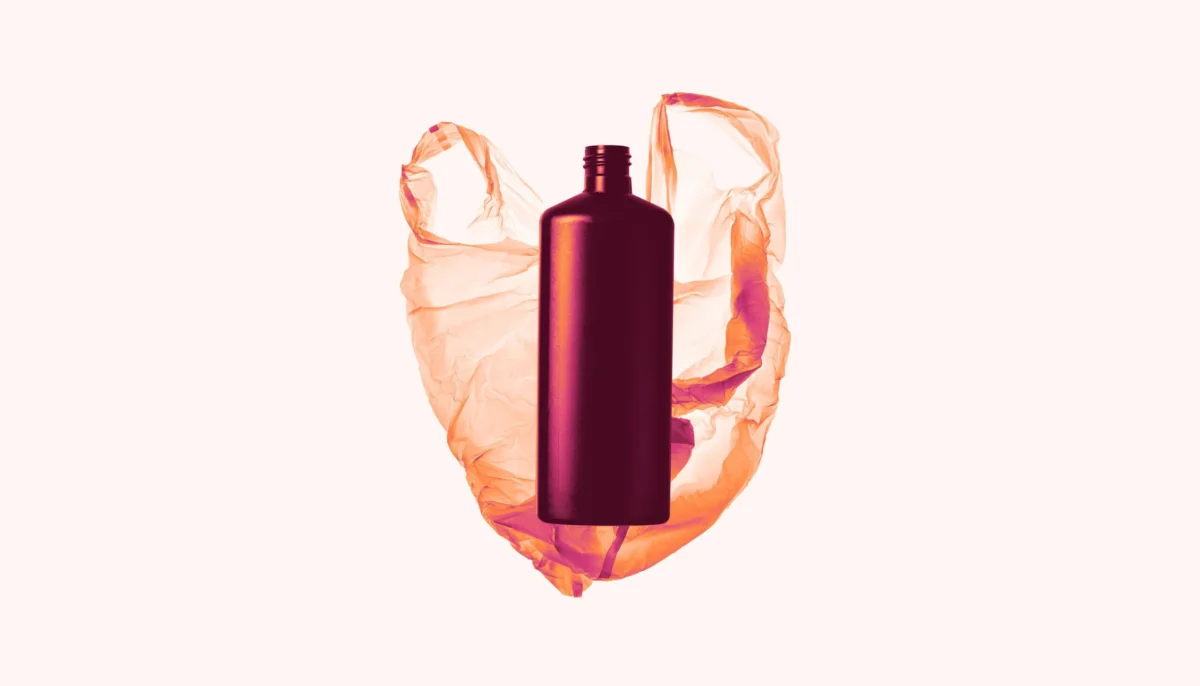
The term "sustainability" has become a pervasive yet often nebulous concept, its meaning constantly shifting and expanding. Within the beauty industry, this ambiguity is particularly pronounced, with a significant focus placed on the vast accumulation of packaging waste – the bottles, jars, and tubes that quickly transition from our vanities and showers to landfills. Recognizing this critical communication gap, Allure magazine has embarked on a mission to champion clarity and precision in reporting on "sustainable" packaging. This initiative extends to a fervent call for the beauty industry to adopt similar standards, acknowledging that while progress is being made, a deeper understanding and more effective solutions are urgently needed to confront the pervasive issue of beauty waste. The foundational step in this endeavor, Allure argues, lies in the very language used to describe these efforts.
In response to this industry-wide challenge, Allure has outlined a rigorous pledge, detailing the sustainability buzzwords it will either avoid entirely or use only with extremely careful qualification. This commitment, originally published in April 2021 and updated to reflect ongoing dialogues and data, aims to foster a more informed consumer base and encourage genuine environmental accountability within brands.
Deconstructing the Buzzwords: A Closer Look at Allure‘s Pledge
The core of Allure‘s initiative lies in dissecting common sustainability claims and exposing their often-misleading implications. The magazine’s pledge focuses on several frequently used terms that, without stringent definition, can obscure the true environmental impact of beauty products.
"Recyclable": A Term Fraught with Misinterpretation
Perhaps the most contentious term on Allure‘s list is "recyclable." The magazine firmly states it will "never refer to any type of plastic as ‘recyclable.’" This stance is rooted in stark statistical realities. While many plastics possess the potential to be recycled, the vast majority never actually undergo the process. Globally, a mere 9% of all plastic waste ever produced has been successfully reprocessed into new materials. More recent data paints an even bleaker picture, with studies indicating that only 5% to 6% of plastic waste is recycled annually in the most recent periods examined.
This dismally low recycling rate underscores why Allure considers "recyclable" a dangerous crutch. It allows both consumers and packaged-goods companies to delude themselves into believing that discarded items will inevitably find a new life. The reality, Allure emphasizes, is that these materials are far more likely to end up in landfills or polluting the world’s oceans for centuries. While diligent waste sorting by consumers is encouraged, the ultimate responsibility, the magazine asserts, rests heavily on manufacturers to significantly reduce their reliance on single-use materials. This perspective aligns with broader calls for extended producer responsibility (EPR) schemes, which aim to hold companies accountable for the end-of-life management of their products and packaging.
"Refillable": Quantifying the Impact
The term "refillable" also faces strict scrutiny. Allure will not employ this descriptor unless accompanied by a clear explanation of the number of refills required to achieve a meaningful reduction in packaging waste. This is a crucial distinction, as the environmental benefit of refill systems can vary significantly and often requires a higher number of refills than consumers might intuitively assume to demonstrably lessen the overall packaging footprint. Research into the lifecycle assessment of refillable beauty products has highlighted that the production of refill pouches or containers themselves can carry an environmental cost, meaning a substantial number of reuse cycles are necessary to truly offset the initial impact compared to a single-use alternative.
"Green": A Call for Literal Interpretation
In a move to eliminate vague environmental marketing, Allure has pledged to use the word "green" solely to describe the literal color of an object. The magazine posits that, outside of its chromatic meaning, "green" in an environmental context lacks precise definition and can be easily manipulated to suggest eco-friendliness without substantive backing. This position challenges the widespread use of "greenwashing," a marketing tactic where companies present a misleadingly positive environmental image.
"Biodegradable": The Unspecified Timeline
The term "biodegradable" is also flagged for its inherent lack of specificity. While the definition of a substance capable of decomposition by living organisms is accurate, the crucial element missing is a defined timeline. Allure points out that even plastics can technically break down over millennia, and the conditions in most landfills – characterized by a lack of oxygen – are insufficient to facilitate rapid biodegradation. This highlights the critical difference between theoretical biodegradability and practical decomposition in real-world environmental conditions. For a product to be truly considered biodegradable in a meaningful timeframe, specific certifications and testing protocols that address these environmental factors are essential.
"Compostable": Defining the Standard for Residential Use
When it comes to "compostable," Allure sets a high bar. The magazine will only use this term to describe products that can break down within a residential composter in approximately 90 days, leaving behind zero soil toxicity. This definition is critical because access to industrial composting facilities remains limited for a significant portion of the population. Currently, only about 4% of Americans have access to curbside composting pickup. Furthermore, even when compostable materials reach industrial facilities, a study by TerraCycle revealed that a mere 10% of these facilities are equipped to accept compostable plastics. This means that many products labeled "compostable" may not actually achieve their intended end-of-life scenario, leading to them entering the general waste stream.
"Zero-Waste" or "Low-Waste": An Acknowledgment of Inevitability
The concepts of "zero-waste" and "low-waste" are also challenged by Allure. Carly Snider, Executive Director at Pact Collective, an organization focused on the lifecycle of consumer products, is quoted stating, "Any sort of insinuation that a package, product or company is not producing waste is misleading." Allure concurs, asserting that it will never describe a product or its packaging as "zero-waste." Instead, the magazine commits to probing brands that use such descriptors to articulate precisely what they mean by these terms, acknowledging that the complete elimination of waste in modern production and consumption is an aspirational goal rather than an achievable reality for most products.
"Earth-Friendly": A Non-Existent Standard
Finally, Allure declares it will refrain from labeling any product packaging as "Earth-friendly," "eco-friendly," or "planet-friendly," unless, in a hypothetical scenario, the packaging is entirely absent. This extreme stance underscores the magazine’s commitment to avoiding any language that might overstate or misrepresent the environmental benefits of beauty products.
The Broader Context: Industry’s Evolving Approach to Sustainability
Allure‘s pledge is not an isolated event but part of a larger, albeit often slow-moving, shift within the beauty industry. For years, consumers have expressed increasing concern over the environmental impact of their purchasing decisions, particularly in the beauty sector, which is notorious for its excessive use of plastics and often complex, multi-material packaging.
Timeline of Growing Awareness and Action:
- Early 2000s: Initial consumer awareness begins to grow regarding plastic waste and the environmental footprint of consumer goods. Early "green" initiatives by brands are often met with skepticism due to a lack of transparency.
- Mid-2010s: The rise of social media amplifies consumer voices and scrutiny of corporate sustainability claims. The "plastic crisis" becomes a mainstream topic.
- Late 2010s: Major beauty retailers and brands begin to introduce recycling programs and set ambitious, though sometimes vague, sustainability goals. Terms like "eco-friendly" and "natural" become increasingly prevalent in marketing.
- 2019-2020: Growing pressure leads to more concrete actions. The concept of "refillable" beauty gains traction with pioneering brands. Organizations like Pact Collective emerge to offer concrete solutions for packaging stewardship.
- April 2021: Allure publishes its initial pledge, signaling a significant editorial commitment to linguistic precision in reporting on sustainability.
- 2022-Present: Increased regulatory attention on plastic waste and "greenwashing" emerges globally. Consumers and advocacy groups demand greater accountability and verifiable data from brands. The focus shifts from vague claims to measurable impact and lifecycle assessments.
Industry Reactions and Expert Opinions
The beauty industry’s response to increased scrutiny and calls for greater transparency has been varied. While many brands have publicly committed to sustainability goals, the implementation and communication of these efforts often fall short of consumer expectations.
Statements from Related Parties (Inferred from Industry Trends and Expert Commentary):
- Brand Representatives (Public Statements): Many beauty brands have issued statements acknowledging the importance of sustainability and outlining their commitments to reducing packaging waste, increasing the use of recycled materials, and exploring innovative solutions like refillable systems and biodegradable alternatives. However, these statements often lack specific metrics or timelines, leading to accusations of "greenwashing."
- Environmental Advocacy Groups: Organizations like Greenpeace and Break Free From Plastic regularly publish reports highlighting the continued dominance of single-use plastics in the beauty industry, urging brands to move beyond token gestures and embrace systemic change. They often critique the industry’s reliance on recycling as a primary solution, emphasizing the need for reduction at the source.
- Packaging Experts and Consultants: Professionals in the packaging sector often emphasize the technical and economic challenges associated with developing truly sustainable packaging solutions. They highlight the need for robust infrastructure for collection, sorting, and reprocessing, as well as consumer education on proper disposal methods. They also stress the importance of lifecycle assessments (LCAs) to accurately measure the environmental impact of different materials and systems.
Analysis of Implications: The Drive for Genuine Impact
Allure‘s stringent pledge carries significant implications for both consumers and the beauty industry. By demanding clarity and challenging ambiguous terminology, the magazine aims to empower consumers to make more informed choices and to push brands towards more substantive environmental action.
- Increased Consumer Awareness and Demand: When consumers encounter clear, evidence-based reporting, they are better equipped to discern genuine sustainability efforts from mere marketing ploys. This can lead to a stronger demand for products with truly reduced environmental footprints.
- Industry Accountability: The spotlight cast by publications like Allure encourages brands to invest in more robust sustainability initiatives and to be prepared to back up their claims with verifiable data. This can lead to greater investment in research and development for innovative materials and packaging formats.
- Shifting Focus from End-of-Life to Lifecycle: Allure‘s approach implicitly encourages a shift in focus from merely what happens to packaging after use (recycling, composting) to a more holistic view that considers the entire lifecycle of a product, from raw material extraction and manufacturing to distribution and disposal.
- The Imperative for Innovation: The limitations exposed by Allure‘s pledge highlight the urgent need for continued innovation in material science, packaging design, and circular economy models within the beauty sector. This includes developing truly compostable materials that perform in real-world conditions, creating efficient and appealing refill systems, and exploring novel approaches to product delivery that minimize packaging altogether.
The journey towards true sustainability in the beauty industry is a complex and ongoing one. Allure‘s commitment to linguistic precision serves as a vital benchmark, urging a more honest and impactful dialogue about beauty waste. As consumers become more discerning and regulatory pressures mount, the industry must move beyond buzzwords and embrace tangible, measurable actions to truly address the environmental challenges it faces. The future of beauty packaging lies not in clever marketing, but in genuine innovation and a deep commitment to reducing our collective impact on the planet.