








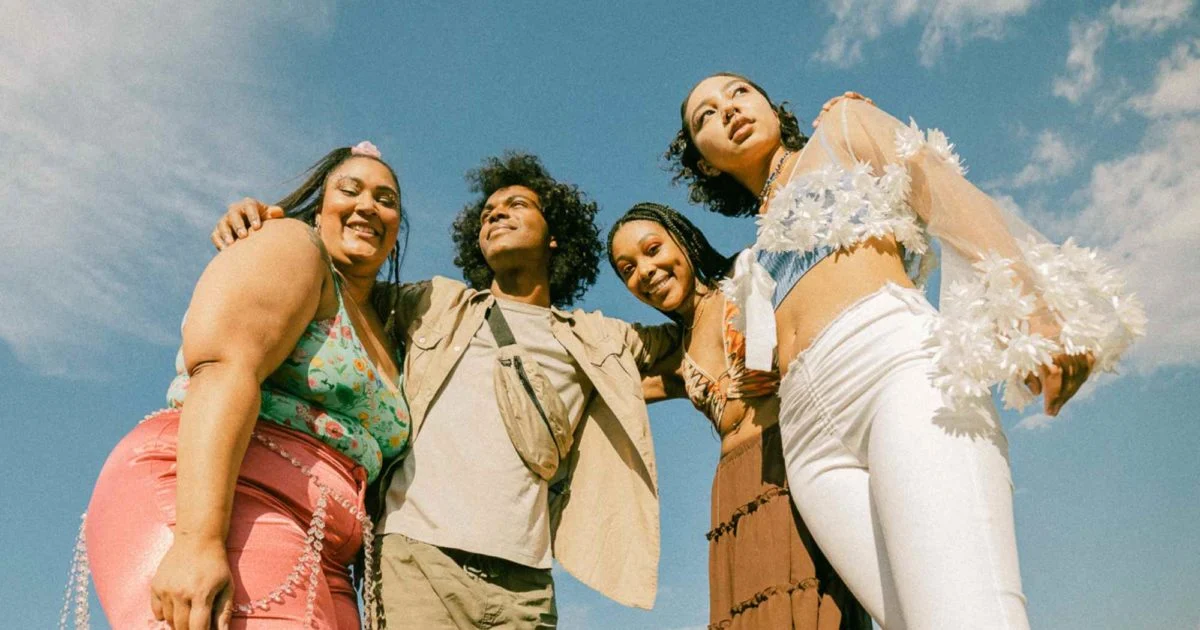
The vibrant world of festival fashion, once a symbol of counter-culture rebellion and creative self-expression, now stands at a critical juncture, grappling with profound ethical and environmental challenges. What began as an organic reflection of the 1960s peace and love movement has transformed into a global, multi-billion-dollar industry, increasingly dominated by fast fashion and plagued by issues of overconsumption and cultural appropriation. This comprehensive analysis delves into the origins of festival style, its commercial evolution, and the urgent call for more sustainable and respectful approaches to dressing for these iconic events.
The Genesis of Festival Style: Woodstock’s Enduring Legacy
To understand the foundational elements of festival fashion, one must cast their mind back to August 1969, when an estimated 400,000 to 500,000 young people converged on a dairy farm in Bethel, upstate New York, for "An Aquarian Exposition: 3 Days of Peace and Music." Woodstock, far more than just a music festival, was a pivotal moment in American history, embodying the peak of the counter-culture movement. Attendees, predominantly disillusioned with the Vietnam War, racial inequality, and prevailing societal norms, expressed their ideals of freedom, peace, and anti-establishment sentiment through their attire. The festival itself was a manifestation of a yearning for communal living, artistic expression, and a rejection of mainstream consumerism.
The styles immortalized in photographs from Woodstock — flares, bandanas, beaded headbands, fringed jackets, crop tops, denim, crochet, swathes of tie-dye, and psychedelic prints — were not merely fashion choices but a visual language. They reflected a deliberate rejection of corporate fashion and an embrace of individuality, often through repurposed, handmade, or globally inspired garments. The emphasis was on comfort, natural fabrics, and a bohemian aesthetic that blurred gender lines and celebrated a return to nature. Fabrics from India, like batik and block prints, and silhouettes reminiscent of Indigenous American dress, such as fringed leather, were prevalent. While these elements were adopted by attendees with an intent to connect with global cultures and spiritualism, they set a precedent that, in today’s heightened awareness, would raise questions of cultural appropriation. The aesthetic was deeply rooted in the political and social movements of the era, signifying a collective identity and a lifestyle choice rather than a fleeting trend dictated by designers.
The Evolution and Commercialization of Festival Attire
Over the subsequent decades, the Woodstock aesthetic gradually permeated popular culture, evolving from a niche counter-culture statement to a broader annual summer trend. This transition was not immediate but rather a slow, organic process that gained momentum in the late 1990s and early 2000s. Figures like supermodel Kate Moss at the Glastonbury Festival in the UK became synonymous with a revived bohemian chic, effortlessly blending vintage finds with designer pieces to create an aspirational yet seemingly effortless festival look. Her influence, extensively captured by paparazzi, marked the beginning of festival fashion’s shift towards an aspirational, celebrity-endorsed phenomenon.
However, the true commercial explosion arrived with the rise of the Coachella Valley Music and Arts Festival in the 2010s. Located in Indio, California, Coachella transformed into a celebrity and influencer-driven spectacle, meticulously documented across social media platforms. The unprecedented visibility afforded by Instagram, in particular, meant that outfits worn by figures like Vanessa Hudgens and the Kardashian-Jenner clan were instantly dissected, replicated, and desired by millions globally. This marked a significant departure from Woodstock’s original ethos; fashion became less about collective identity and more about individual display, brand endorsement, and the pursuit of viral "festival looks."
The global music festival market, a dynamic sector, was valued at approximately $3.1 billion in 2023 and is projected to grow to over $4.5 billion by 2030, according to market research reports. This burgeoning industry became an irresistible target for retailers. When Coachella kicks off the northern hemisphere’s festival season each April, brands waste no time launching extensive "festival edits," "Coachella collections," or "boho chic" lines. These collections, almost invariably, draw heavily from the original Woodstock styles, repackaging them for a new generation of consumers eager to participate in the festival experience. This rapid seasonal cycle fuels a constant demand for new, trend-specific clothing, paving the way for the pervasive influence of fast fashion.
Fast Fashion’s Overtake: A Cycle of Overconsumption and Environmental Degradation
The annual deluge of festival-inspired collections serves as a stark reminder of fast fashion’s immense capacity to encourage overconsumption and excessive production. These retailers thrive on speed, low prices, and the rapid replication of trends, often at immense environmental and social cost. The very model of fast fashion—producing high volumes of low-cost, trend-driven garments quickly—is fundamentally antithetical to the sustainability principles that many modern festivals strive to embody.
Consider the staggering statistics that underscore the industry’s impact: The fashion industry is responsible for an estimated 8-10% of global carbon emissions, a figure that surpasses the combined emissions of international flights and maritime shipping. Approximately 92 million tons of textile waste are generated globally each year, with a significant portion comprising garments worn only a few times before being discarded. In the United States alone, the Environmental Protection Agency reports that over 11 million tons of textiles ended up in landfills in 2018. The average person now buys 60% more clothing items than 15 years ago but keeps them for half as long, a trend exacerbated by the "wear-once" mentality fueled by social media for event-specific outfits.
Fast fashion giants like Boohoo exemplify this problem. At the time of this analysis, Boohoo’s "festival" category boasted an astounding 563 products, with prices starting from as low as £4.00 (approximately $5 USD). These items mirror the iconic festival styles – flares, crop tops, crochet, and psychedelic prints – yet they are mass-produced with little to no connection to the "peace and love" ideals of Woodstock. Brands such as SHEIN and Temu similarly feature extensive "festival fashion" filters and categories, churning out thousands of new designs daily at ultra-low price points, making disposable fashion incredibly accessible.
The implications of this production model are severe. Most items from these ultra-fast fashion brands are manufactured at an alarming rate, often using cheap, synthetic materials like polyester, nylon, and acrylic. These materials are derived from fossil fuels, are non-biodegradable, and can take hundreds of years to decompose in landfills, releasing microplastics into the environment during their use and disposal. The production processes are typically resource-intensive, requiring vast amounts of water and energy, and often involve hazardous chemicals that pollute local ecosystems and pose significant health risks to garment workers in developing countries, who are frequently subjected to poor working conditions and extremely low wages. Crucially, these garments are designed for planned obsolescence; their poor quality ensures they fall apart quickly, rarely lasting beyond a single festival season. This lack of longevity means they are swiftly consigned to landfills, perpetuating a relentless cycle of consumption and waste. The allure of a cheap, "on-trend" outfit for a weekend event often overshadows the long-term environmental devastation and social injustice it contributes to.
The Ethical Minefield: Cultural Appropriation in Festival Fashion
Beyond the environmental crisis and labor concerns, festival fashion has become a frequent flashpoint for discussions surrounding cultural appropriation. While early festival attire at Woodstock contained elements that, by today’s standards, could be considered culturally insensitive or appropriative – such as the adoption of Indian prints or Native American-inspired fringe – the issue has escalated significantly in the past two decades. The commercialization of festival fashion by fast fashion brands has led to the widespread commodification and trivialization of sacred cultural symbols and traditional crafts.
Cultural appropriation, in this context, refers to the adoption or use of elements of a minority culture by members of the dominant culture without understanding or respecting the original culture, often for profit or aesthetic novelty. One of the most widely cited and egregious examples in festival fashion is the feather headdress, often mistakenly referred to as a "war bonnet." This elaborate headwear holds profound spiritual, historical, and political significance for many Native American nations, including the Cheyenne, Lakota, and Plains tribes. It is traditionally reserved for esteemed male leaders and warriors, earned through acts of bravery, wisdom, and service to their community, and represents honor, respect, and a deep spiritual connection. For a non-Native person to wear a feather headdress as a mere costume, particularly when mass-produced and sold for profit by a fast fashion corporation, is considered deeply offensive. It reduces a sacred symbol of a living culture to a trendy accessory, disrespecting Indigenous cultures, histories, and ongoing struggles, and perpetuating colonialistic attitudes that ignore the violence and marginalization these communities have faced.
Other instances of cultural appropriation prevalent in festival fashion include the misuse of bindis (a traditional Hindu forehead decoration with religious significance), specific tribal tattoos or patterns copied without understanding their origins, and traditional garments from various cultures stripped of their context and sold for aesthetic novelty. These acts, often unintentional by individuals, become deeply problematic when facilitated by brands that profit from the exploitation of cultural heritage.
Fortunately, there is a growing awareness and pushback against these practices, driven by Indigenous advocacy groups, cultural educators, and conscious consumers. Some festival organizers have taken proactive steps to address the issue. Following a petition in 2014, Glastonbury, one of the UK’s largest and most iconic festivals, added Native American-inspired headdresses to its list of prohibited items for traders and attendees. Similarly, Shambala, another UK festival known for its ethical stance, has issued explicit guidance on avoiding cultural appropriation, particularly concerning fashion, educating attendees on respectful dressing. These measures reflect a broader recognition within the festival community that celebration should not come at the cost of cultural disrespect.
Despite these efforts and widespread public awareness campaigns, ultra-fast fashion brands continue to offer appropriative styles. Temu, for example, has been observed to sell "Native American-inspired" beaded and feathered garments, and even headdresses, as "festival attire," demonstrating a persistent disregard for cultural sensitivity in pursuit of profit. This perpetuates harm, undermines the efforts of communities working to preserve their heritage, and highlights the urgent need for greater corporate accountability.
Cultivating a Conscious Festival Wardrobe: Steps Towards Sustainability and Respect
The problematic aspects of festival fashion are undeniable, but they do not negate the joy and self-expression inherent in dressing for these events. Instead, they highlight the urgent need for a more thoughtful, sustainable, and respectful approach. Attending a festival this summer or simply being inspired by the enduring 1960s aesthetic doesn’t have to contribute to environmental degradation or cultural disrespect.
1. Shop Your Wardrobe First:
The most sustainable garment is unequivocally the one you already own. Before considering any new purchases, delve into your existing wardrobe. Can items be combined in new, creative ways? Can a plain t-shirt be tie-dyed, or a pair of jeans be embroidered or embellished with patches? The original festival fashion at Woodstock was born from creativity, resourcefulness, and a strong DIY spirit, a deliberate rejection of mainstream consumerism. Embrace this ethos to create unique, personal looks. Remember that modern festival style is an opportunity for unconventional outfits that truly reflect your personality and comfort, not just a rigid rehashing of past trends. This approach not only saves money but significantly reduces your environmental footprint by maximizing the utility of existing garments.
2. Embrace Second-Hand and Vintage:
After thoroughly exploring your wardrobe, the next most sustainable option is to shop second-hand or vintage. This approach offers numerous benefits:
- Environmental Impact: It directly diverts clothing from landfills, extending the life cycle of garments and significantly reducing the demand for new production and its associated resource consumption.
- Uniqueness: Vintage stores, thrift shops, consignment stores, and online resale platforms like Depop or Vinted are treasure troves for truly original pieces. You’re far more likely to find something unique that stands out from the crowd, and perhaps even authentic pieces from the 1960s or 70s.
- Cost-Effectiveness: Second-hand items are often significantly more affordable than new fast fashion, offering better quality for the price.
When sourcing second-hand, it remains crucial to exercise cultural sensitivity. Always ask: What is the original purpose or cultural meaning of this item? Does wearing it out of its context diminish its significance or cause offense? Have the people whose culture the item originates from directly benefited from its creation or sale? Prioritizing items with clear Western origins or general styles helps avoid accidental appropriation.
3. Invest in "Good" or "Great" Rated Sustainable Brands:
If new purchases are necessary, make them count by investing in quality and ethical production. Support brands that are actively working towards more sustainable and ethical practices. These brands prioritize lower-impact materials, ensure fair labor conditions, and design for durability, directly counteracting the disposable nature of fast fashion. Several brands, rated "Good" or "Great" by independent systems like Good On You, offer stylish and responsible options for festival-goers, focusing on longevity and ethical impact:
- MUD Jeans: A pioneering Dutch denim brand, MUD Jeans champions circularity. They not only offer repair services but also a unique lease program, allowing consumers to rent jeans for up to a year, fostering a truly circular economy. Their products utilize GOTS certified organic cotton and post-consumer recycled cotton, ensuring substantial, long-lasting denim perfect for active festival days. Their commitment to material innovation and waste reduction sets a high standard for responsible denim production.
- Christy Dawn: This US brand, rated "Great," focuses on timeless designs and ethical sourcing. Their cozy knitted cardigans are ideal for cool festival evenings, offering a long-term, versatile addition to any wardrobe. Christy Dawn is known for using organic and deadstock fabrics, minimizing environmental impact while ensuring quality craftsmanship. Their commitment to "farm-to-closet" initiatives further highlights their dedication to regenerative agriculture and ethical production.
- Happy Earth: An American organic clothing brand deeply inspired by nature and committed to its preservation. Happy Earth partners with non-profits, actively engaging in tree planting, fighting climate change, and cleaning up trash. Their range of organic cotton apparel provides comfortable, eco-conscious options for festival attire, aligning perfectly with a desire for positive environmental impact and a tangible contribution to planetary health.
- WAWWA: This UK brand places Earth and its inhabitants at the forefront of its operations. WAWWA creates organic, fair trade, and vegan-friendly clothing, focusing on positive social impact. They use lower-impact materials, non-toxic dyes, and reuse offcuts to minimize textile waste. A thick, warm organic cotton hoodie from WAWWA is essential festival wear for unpredictable weather and a versatile item for future casual occasions, reflecting a commitment to durability and ethical sourcing.