












Davines, the Italian beauty brand renowned for its commitment to sustainable and ethical practices, has recently undertaken a significant reformulation and repackaging of its beloved Essential Haircare range. This strategic update further solidifies the brand’s position as a pioneer in eco-conscious beauty, with particular attention to popular products like the Minu Shampoo (£22.75) and Minu Conditioner (£24.75), specifically designed for the preservation and vibrancy of colored hair. The comprehensive overhaul introduces advanced bio-circular packaging and ingredients rooted in regenerative organic agriculture, setting a new benchmark for environmental responsibility within the professional haircare sector.
A Legacy of Sustainability: The Davines Journey
Founded in Parma, Italy, in 1983 by the Bollati family, Davines initially began as a research laboratory, producing high-end haircare products for renowned cosmetic companies worldwide. By 1993, the company transitioned to creating its own brand of professional haircare, followed by skincare in 1996 under the [comfort zone] label. From its inception, Davines has been driven by a philosophy of sustainable beauty, balancing effective product performance with a profound respect for the environment and society. This dual commitment has been a cornerstone of their corporate identity, manifesting in various initiatives long before sustainability became a mainstream industry trend.
The brand’s dedication is not merely aspirational; it is substantiated by concrete certifications and partnerships. Davines proudly holds B Corp certification, a rigorous standard awarded to companies that meet the highest verified standards of social and environmental performance, public transparency, and legal accountability to balance profit and purpose. This certification, first achieved by Davines in 2016 and re-certified every three years, underscores a holistic approach to business that considers the impact on workers, customers, communities, and the environment. Furthermore, Davines has forged a significant alliance with the Rodale Institute, a global leader in regenerative organic agriculture, demonstrating a deep-seated commitment to agricultural practices that go beyond mere sustainability to actively restore and rejuvenate ecological systems. Their products also carry certification from the Regenerative Organic Alliance, a testament to their ingredients being sourced from farms employing practices that improve soil health, enhance biodiversity, and sequester atmospheric carbon. This extensive groundwork provides critical context for understanding the latest reformulation not as a novel venture, but as a natural evolution of Davines’ enduring mission.
The Essential Haircare Collection: Tailored Solutions for Every Hair Need
The Essential Haircare collection is a testament to Davines’ holistic approach to hair health, comprising nine distinct lines, each meticulously crafted to address specific hair types and concerns. From the gentle daily cleansing of Dede to the anti-breakage properties of Melu for damaged strands, the range offers targeted solutions that integrate high-performance efficacy with natural ingredients. The brand’s initial viral success, exemplified by the OI range first gaining widespread attention around 2018, introduced many to Davines’ unique blend of luxurious experience and tangible results. This exposure often serves as a gateway for consumers to explore the broader Essential Haircare portfolio, transitioning between lines based on evolving hair needs, seasonal changes, or chemical treatments.
The appeal of Davines products extends beyond their functional benefits. Users consistently praise their exquisite fragrances, which are often derived from natural extracts, contributing to a sensory experience that elevates routine haircare into a moment of indulgence. The aesthetic of the packaging, described as "chic, in an eco-warrior kind of way," resonates with a growing demographic of consumers who seek products that align with their values without compromising on style. This thoughtful integration of form, function, and philosophy has cultivated a loyal customer base that appreciates the brand’s unwavering dedication to quality and environmental stewardship.
Spotlight on Minu: Vibrant Care for Colored Tresses
Within the Essential Haircare collection, the Minu range holds particular significance for individuals with colored hair. The Minu Shampoo and Conditioner, which are currently pivotal in many haircare routines, are specifically formulated to protect, prolong, and enhance the brilliance of treated hair. The challenges associated with maintaining colored hair are manifold: frequent chemical processing can lead to dryness, damage, and accelerated fading of pigment. Factors such as regular washing, exposure to hard water, UV radiation, and heat styling can further compromise hair health and color longevity.

The Minu line addresses these concerns by providing gentle cleansing and deep conditioning that safeguards the hair shaft and locks in color molecules. Its effectiveness is particularly notable for those who engage in practices that might typically compromise hair integrity, such as dyeing hair to increasingly lighter shades without the use of bleach (opting for high-lift permanent color alternatives like Bleach London’s No Bleach range), irregular trims, hot showers, and aggressive towel drying. The Minu formulation works to counteract the adverse effects of these habits, maintaining softness, strength, and vibrant color. The inclusion of specific ingredients, often sourced from Davines’ network of sustainable farms, contributes to this protective action. For instance, the Minu range traditionally features Caper Blossom Extract from Salina Island, a natural active ingredient rich in polyphenols, which offers potent color-protective benefits. This ingredient not only helps to preserve the integrity of hair color but also contributes to the hair’s overall health and shine, ensuring that even frequently treated hair retains a surprisingly good condition.
The Green Evolution: Packaging and Ingredients Reformulation
The recent reformulation represents a significant leap forward in Davines’ sustainability journey. The core of this advancement lies in the revamped packaging and the enhanced natural origin and biodegradability of the ingredients.
Packaging Innovation: Bio-Circular ISCC-Certified Plastic
The most visible change in the Essential Haircare collection is the transition to new packaging crafted from bio-circular ISCC-certified plastic. The International Sustainability & Carbon Certification (ISCC) is a globally applicable certification system that ensures compliance with high ecological and social sustainability requirements, greenhouse gas emission savings, and traceability throughout the supply chain. For packaging, ISCC certification guarantees that the plastic used is derived from bio-circular materials. This innovative approach integrates waste sources, such as used cooking oil, into the production process of plastic. By diverting these waste products from landfills or less impactful disposal methods, Davines actively reduces its reliance on virgin fossil-based resources, thereby mitigating the environmental footprint associated with traditional plastic manufacturing. This shift is critical in an industry where packaging waste remains a monumental challenge. The beauty industry alone generates billions of plastic units annually, with a significant portion ending up in oceans and landfills. Davines’ adoption of bio-circular plastic is a tangible step towards a circular economy, demonstrating that high-quality, aesthetically pleasing packaging can coexist with radical environmental responsibility.
Ingredient Enhancement: Natural Origin and Biodegradability
Beyond packaging, the reformulated Essential Haircare range boasts an impressive average of 93% ingredients of natural origin and 92% biodegradability. These percentages are not merely numbers; they reflect a meticulous sourcing and formulation process aimed at minimizing environmental impact. "Ingredients of natural origin" refers to components derived from natural sources, such as plants, minerals, or water, often with minimal processing. A high percentage indicates a reduced reliance on synthetic chemicals, which can sometimes have adverse environmental effects during production or disposal.
"Biodegradability," on the other hand, refers to the ability of ingredients to decompose naturally into harmless substances when released into the environment, particularly into water systems. With 92% biodegradability, Davines ensures that the products’ rinse-off components break down efficiently, reducing their potential to contribute to water pollution and ecological disruption. This is especially important for products like shampoos and conditioners, which are designed to be washed down drains. By prioritizing high biodegradability, Davines addresses concerns about chemical accumulation in aquatic ecosystems, further aligning its product lifecycle with ecological principles.
Regenerative Organic Certification: A Deeper Commitment to Agriculture
The reformulated ingredients are also Regenerative Organic Certified (ROC), signifying a profound commitment to agricultural practices that actively restore ecological health. Regenerative organic agriculture is a holistic farming approach that aims to reverse climate change by rebuilding soil organic matter and restoring degraded biodiversity. Unlike conventional farming, which often depletes soil nutrients and relies heavily on synthetic fertilizers and pesticides, regenerative practices focus on enhancing soil health through methods such as cover cropping, crop rotation, composting, reduced tillage, and diverse planting.
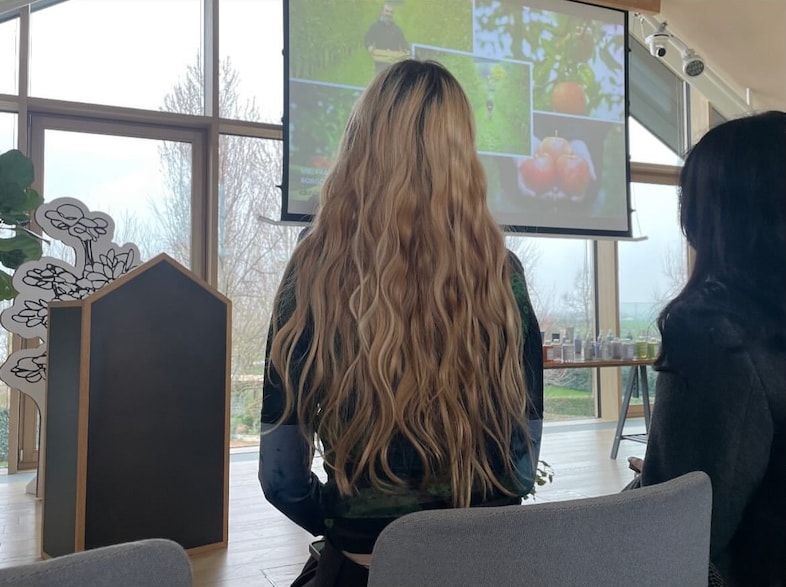
The benefits of ROC ingredients are multifaceted:
- Soil Regeneration: Healthy soil is the foundation of a thriving ecosystem. Regenerative practices improve soil structure, increase water retention, and enhance nutrient cycling, leading to more resilient crops and reduced need for external inputs.
- Biodiversity Enhancement: By creating healthier habitats and avoiding harmful chemicals, regenerative farms foster a richer diversity of plant and animal life, from beneficial insects to microbial communities in the soil.
- CO2 Sequestration: Perhaps one of the most impactful benefits, regenerative agriculture significantly increases the soil’s capacity to draw down and store atmospheric carbon dioxide. This process, known as carbon sequestration, plays a vital role in mitigating climate change.
Davines’ partnership with the Rodale Institute and its adoption of ROC ingredients is not just about sourcing "clean" ingredients; it’s about actively contributing to the regeneration of the planet’s agricultural lands. The brand’s commitment to these principles is so deep that it has established the Davines Village in Parma, Italy, as a living testament to its values. The headquarters features biodynamic gardens and serves as a hub for research, education, and community engagement, allowing visitors, including journalists and partners, to witness firsthand the brand’s sustainable practices. The reviewer’s personal account of visiting the Davines Village, touring farms and factories, and attending extensive presentations on regenerative farming, provides invaluable third-party validation that Davines is indeed "doing the work" and not merely engaging in "greenwashing."
Industry Implications and Consumer Response
The comprehensive reformulation of Davines’ Essential Haircare range carries significant implications for the wider beauty industry and reflects a growing trend in consumer demand. As consumers become increasingly aware of the environmental and social impacts of their purchases, there is a clear shift towards brands that demonstrate genuine transparency and commitment to sustainability. Davines’ move sets a high bar, challenging other beauty companies to re-evaluate their supply chains, packaging solutions, and agricultural sourcing.
The beauty sector, historically slow to adopt radical environmental changes, is now experiencing a palpable pressure from both regulatory bodies and an informed consumer base. Brands that can authentically communicate their sustainable efforts, backed by verifiable certifications like B Corp and ROC, are gaining a competitive edge. Davines’ proactive approach positions it as a thought leader, demonstrating that premium quality and environmental stewardship are not mutually exclusive but can, in fact, enhance a brand’s appeal and market value.
From a product perspective, the reformulation has managed to achieve significant environmental improvements without compromising the user experience. A common fear among consumers when a beloved product is reformulated is a change in performance or sensory attributes. While the texture of some products in the range is now more fluid, the overall feel and efficacy remain consistent with the high standards Davines users have come to expect. This continuity is crucial for retaining customer loyalty while advancing sustainability goals. The addition of nine new products to the Essential Haircare range, including serums, milks, and oils, further expands the collection’s versatility and offers consumers even more options for targeted hair care, all developed under the new, enhanced sustainability guidelines.
The Davines Village: A Tangible Commitment
The Davines Village, the company’s headquarters in Parma, Italy, is more than just an office complex; it is a physical manifestation of the brand’s core values. Designed with sustainable architecture and surrounded by biodynamic botanical gardens, the Village serves as an inspiring example of how business can harmoniously coexist with nature. It hosts internal training, external events, and educational programs focused on sustainable practices, regenerative agriculture, and responsible beauty. The direct access for employees and visitors to the very farms that contribute ingredients to Davines products fosters a deep connection to the origins of the brand’s offerings and reinforces its commitment to transparency. This tangible link between product, philosophy, and physical space provides an unparalleled level of authenticity, distinguishing Davines from brands with less substantiated claims.
Conclusion: A Win-Win for Hair and Planet
In an increasingly crowded market where consumers face an overwhelming array of choices, Davines’ reformulated Essential Haircare range, with the Minu Shampoo and Conditioner at its forefront, offers a compelling proposition. It represents a rare "win-win" scenario: products that deliver exceptional performance for hair health and vibrancy, particularly for colored hair, while simultaneously championing profound environmental and social responsibility. The meticulous attention to detail, from sourcing Regenerative Organic Certified ingredients to utilizing bio-circular ISCC-certified plastic packaging, underscores Davines’ unwavering dedication to being a true "eco-warrior." For consumers who prioritize sustainability without compromising on quality or efficacy, Davines provides a trustworthy and effective solution, proving that beautiful hair and a healthier planet are not mutually exclusive goals, but rather interconnected facets of a conscious lifestyle. This latest evolution of the Essential Haircare range is not just a product launch; it’s a statement about the future of beauty.