









Fleek, a London-based B2B marketplace designed to digitize the traditionally fragmented secondhand clothing supply chain, has announced a total capital injection of $20.4 million to accelerate its international expansion and technological development. The funding comprises a previously unannounced $5.6 million seed round led by Andreessen Horowitz and a more recent $14.8 million Series A round spearheaded by HV Capital. This significant investment highlights the growing institutional interest in the circular economy, as the global resale market transitions from a niche consumer habit to a multi-billion-dollar industrial sector.
The investment round also saw participation from prominent venture capital firms and seasoned industry executives, including Y Combinator—of which Fleek is an alumnus from the Winter 2022 batch—and a roster of angel investors with deep roots in e-commerce and logistics. Notable individual backers include Shopify President Harley Finkelstein, former Depop CEO Maria Raga, and Postmates CTO Sean Plaice. This collective expertise suggests a strategic focus on scaling Fleek’s infrastructure to meet the demands of a global retail environment that is increasingly reliant on sustainable sourcing.
To date, Fleek has facilitated the movement of over 2.5 million secondhand garments, connecting approximately 10,000 resellers and retail businesses across 70 countries with a network of 1,000 wholesale suppliers. By centralizing a market that has historically operated through informal networks and physical inspections, the platform aims to provide a standardized, transparent, and efficient procurement process for the modern vintage retailer.
The Genesis of Fleek: From Supply Chain Disruptions to Digital Solutions
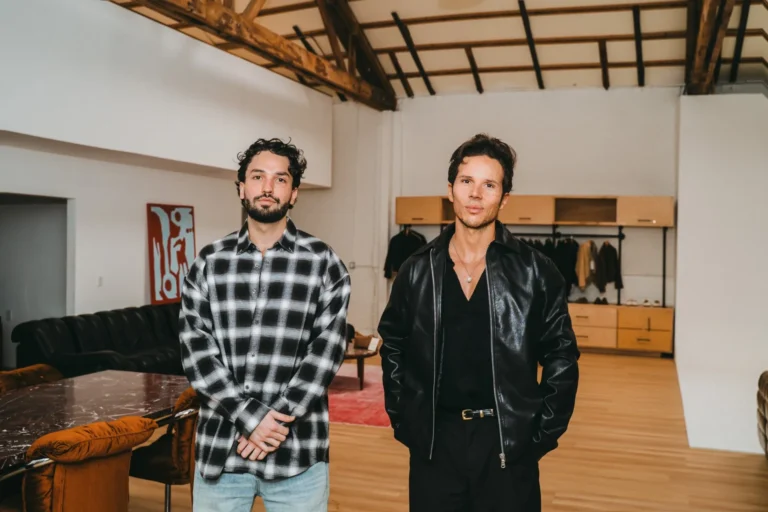
The inspiration for Fleek emerged in 2021, a year marked by significant global supply chain volatility caused by the COVID-19 pandemic. Founders Abhi Arora and Sanket Agarwal identified a critical friction point in the secondhand industry through a personal connection. Agarwal’s future mother-in-law, a dedicated reseller on the social commerce platform Poshmark, expressed deep frustration regarding the difficulty of sourcing high-quality inventory during a period of restricted travel and logistical bottlenecks.
Simultaneously, Arora, who had recently completed an MBA at the University of Cambridge, began investigating the local secondhand ecosystem in London’s Brick Lane, a global hub for vintage fashion. Through discussions with boutique managers, he discovered that the sourcing process was remarkably archaic. Retailers were often required to travel thousands of miles to wholesale warehouses in regions such as South Asia or the Middle East to manually "hand-pick" stock. This process, described by Arora as "heads down, bums up" work, involved sorting through massive piles of unsorted textiles to find marketable items.
When the pandemic made international travel impossible, some wholesalers began using rudimentary digital tools, such as Instagram and WhatsApp, to show stock via video calls and negotiate ad-hoc deals. Arora and Agarwal, the latter a former Google software engineer, recognized that this shift toward digitization was inevitable but lacked a dedicated infrastructure. They set out to build a unified marketplace that could professionalize these transactions, providing escrow services, quality assurance, and streamlined logistics for both parties.
Chronology of Growth and Market Positioning
Since its inception and subsequent participation in the Y Combinator accelerator program in early 2022, Fleek has moved rapidly to capture the "middleman" segment of the circular economy. Unlike consumer-facing platforms like Vinted or Depop, which facilitate peer-to-peer (C2C) transactions, Fleek focuses on the business-to-business (B2B) relationship between massive sorting facilities and the retailers who curate these goods for the end consumer.
The startup’s growth trajectory reflects the broader institutionalization of the "vintage" category. In 2022, the company focused on building its supplier network, particularly in India and Pakistan. The founders’ cultural ties to the region proved instrumental; both Arora and Agarwal grew up in India and speak the local languages, allowing them to build trust with traditional wholesalers who had never previously engaged with a Silicon Valley-backed tech platform.
By 2023, Fleek had expanded its buyer base to include not only independent online resellers but also high-street boutiques and major retail chains looking to incorporate "pre-loved" sections into their stores. The announcement of the $20.4 million funding in late 2024 marks the beginning of a new phase focused on predictive analytics and automated logistics, as the company seeks to manage the sheer volume of goods passing through its system.
Data Analysis: The Economic Scale of Global Resale
The expansion of Fleek occurs against the backdrop of a massive shift in consumer behavior and industrial policy. According to the 2024 Resale Report by GlobalData and ThredUp, the global secondhand apparel market is projected to reach $350 billion by 2028, growing three times faster than the overall apparel market. Currently, used clothing accounts for approximately 10% of all global clothing sales, a figure that is expected to rise as sustainability regulations, such as the EU’s Strategy for Sustainable and Circular Textiles, take effect.
In the United Kingdom, one of Fleek’s primary markets, the demand is particularly concentrated among younger demographics. Data from e-commerce analytics firm ECDB indicates that 68% of Gen Z and Millennial consumers in the U.K. purchased at least one secondhand item in the past year. This demographic shift has forced traditional retailers to reconsider their inventory strategies, creating a surge in demand for reliable wholesale sources.
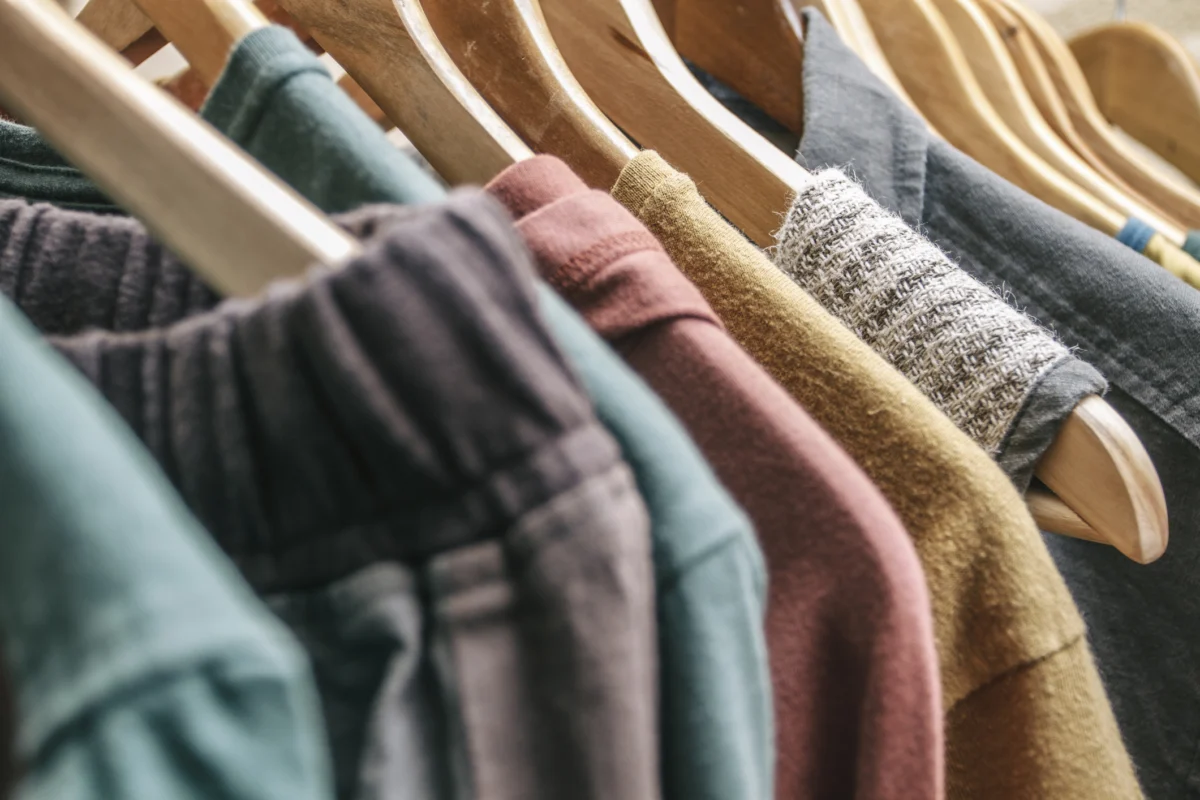
On the supply side, the scale is equally staggering. The wholesalers Fleek partners with in hubs like Dubai, Pakistan, and India are not small-scale operations; they are industrial giants capable of processing up to 400,000 kilograms of clothing per day. These facilities serve as the primary destination for the millions of tons of clothing donated in Western nations. Historically, much of this volume was sold as low-value "rag" or exported to developing nations as basic necessity. However, Fleek’s platform allows these wholesalers to extract higher value from their inventory by identifying "vintage" items—such as 1990s Levi’s or heritage sportswear—that can be sold at a premium to Western retailers.
Operational Innovation and Technological Integration
The core value proposition of Fleek lies in its ability to organize the "chaos" of the wholesale textile trade. The platform allows buyers to purchase goods through various models: by total weight (bales), by specific brand and style categories, or through curated bundles. This flexibility addresses the diverse needs of the market, from high-volume discount sellers to high-end vintage curators.
Fleek generates revenue through a commission structure based on the transaction value. In exchange, the platform provides a layer of security that was previously absent in the industry. This includes payment protection, dispute resolution, and a rating system for wholesalers. Furthermore, the company is investing heavily in technology to solve two of the industry’s most persistent challenges: quality control and counterfeiting.
As the resale market matures, the prevalence of counterfeit vintage goods has increased. Fleek is reportedly developing AI-driven tooling to assist wholesalers in the authentication process and to help retailers forecast trends. By analyzing historical sales data, Fleek can provide predictive analytics that inform wholesalers which styles (e.g., 1970s bohemian or 2000s "Y2K" aesthetics) are likely to be in high demand in the coming season, thereby reducing waste and increasing profitability across the chain.
Strategic Implications and Future Outlook
The successful funding of Fleek represents a pivotal moment for the circular economy. For decades, the secondhand clothing trade was viewed through the lens of charity and waste management. Today, it is increasingly viewed as a sophisticated logistical challenge that requires modern tech solutions.
Industry analysts suggest that Fleek’s model could eventually serve as a blueprint for other categories of the circular economy, such as electronics or furniture. By providing a transparent B2B marketplace, Fleek is essentially building the "Amazon for Secondhand Wholesale," creating a centralized node in a previously decentralized global network.
The involvement of high-profile investors like HV Capital and Andreessen Horowitz suggests a belief that the "vintage" trend is not a passing fad but a structural change in how clothing is produced, consumed, and reused. As environmental ESG (Environmental, Social, and Governance) mandates become stricter for major corporations, the ability to source authenticated, high-quality secondhand inventory at scale will become a competitive necessity.
For the founders, the mission remains rooted in empowering the entrepreneurs who drive this industry. "We want to bring on more buyers, bring on more sellers, and build technology to continue empowering these entrepreneurs on both sides of the marketplace," said Agarwal. With $20.4 million in fresh capital, Fleek is now positioned to transform the "heads down, bums up" labor of the past into a streamlined, data-driven industry for the future. As the global supply chain continues to evolve, Fleek’s platform may prove to be the essential link that allows the fashion industry to finally close the loop on waste.