









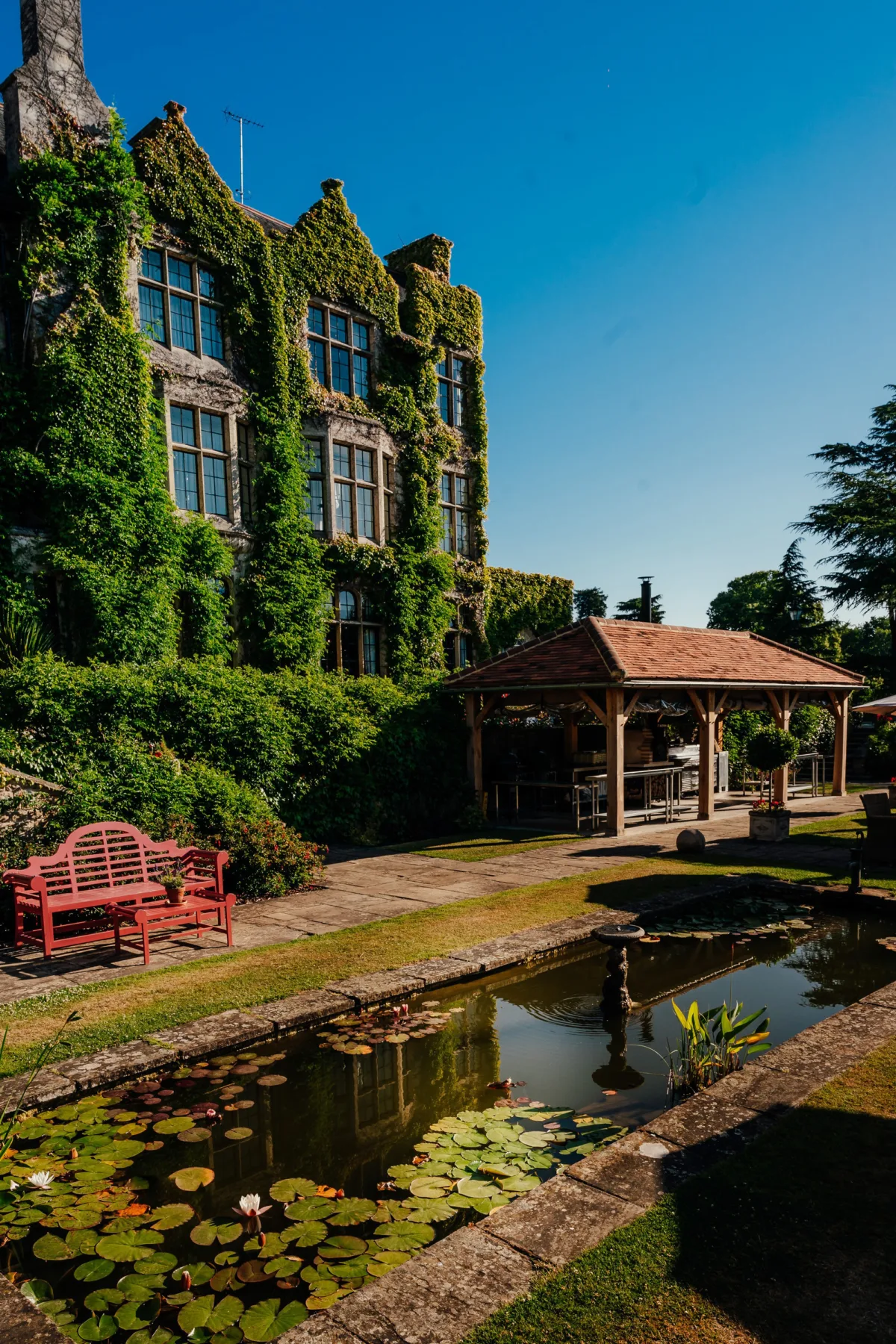
The Architectural and Literary Heritage of Bath: The Royal Crescent Hotel
The Royal Crescent Hotel & Spa in Bath stands as a primary example of how Georgian architecture and literary history intersect to create a premium wedding destination. Bath’s identity is inextricably linked to Jane Austen, who resided in the city between 1801 and 1806. Her experiences in the city’s assembly rooms and social promenades directly influenced the narratives of Northanger Abbey and Persuasion. In 2025, the city marked the 250th anniversary of Austen’s birth, an event that saw a 15% increase in literary-themed tourism.
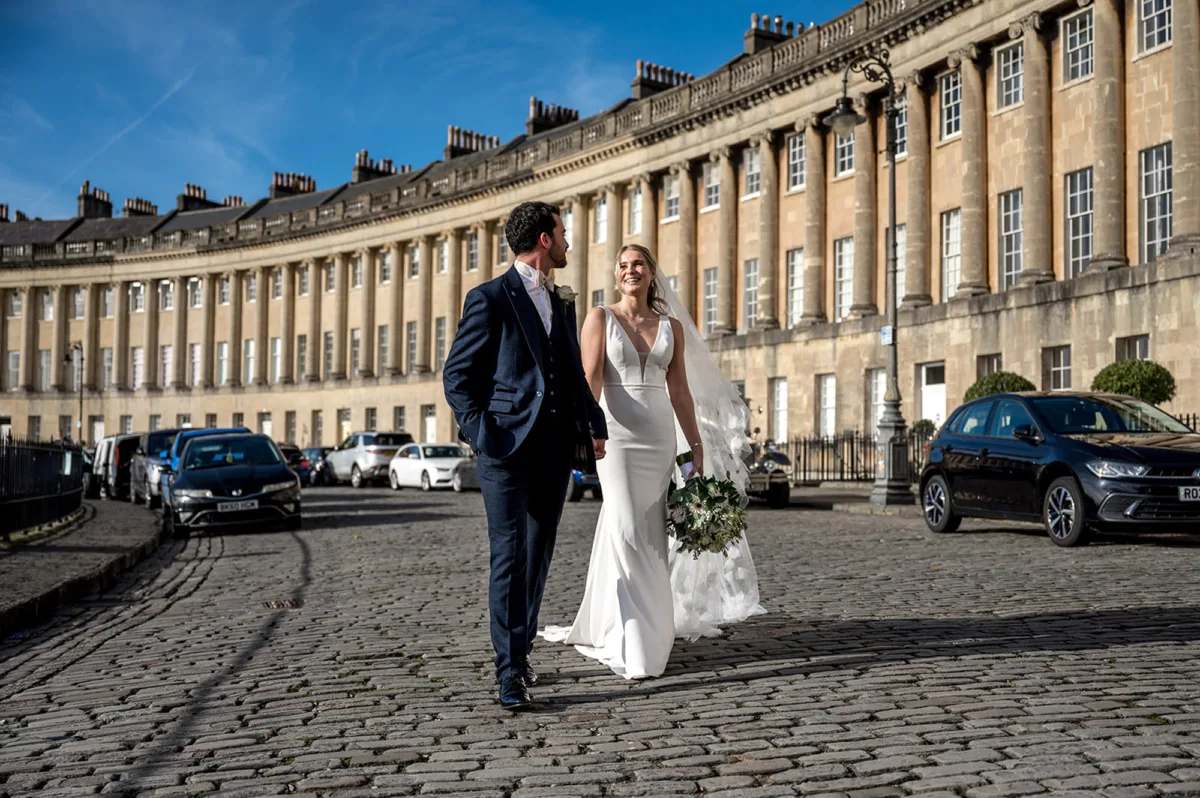
The Royal Crescent itself, completed in 1774, represents the pinnacle of Palladian-style architecture in the UK. For modern couples, the hotel offers Master Suites characterized by original 18th-century features, complemented by contemporary luxury amenities. The "Wedding Garden," a secluded space within the hotel’s acre of grounds, provides an intimate setting for outdoor ceremonies. Furthermore, the hotel’s proximity to the Bath Abbey and the Jane Austen Centre allows couples to integrate city-wide historical tours into their wedding itineraries. Industry analysts suggest that the "Bridgerton effect"—a surge in interest in Regency-era aesthetics driven by popular media—has further solidified the Royal Crescent’s status as a top-tier venue for those seeking a "period drama" atmosphere.
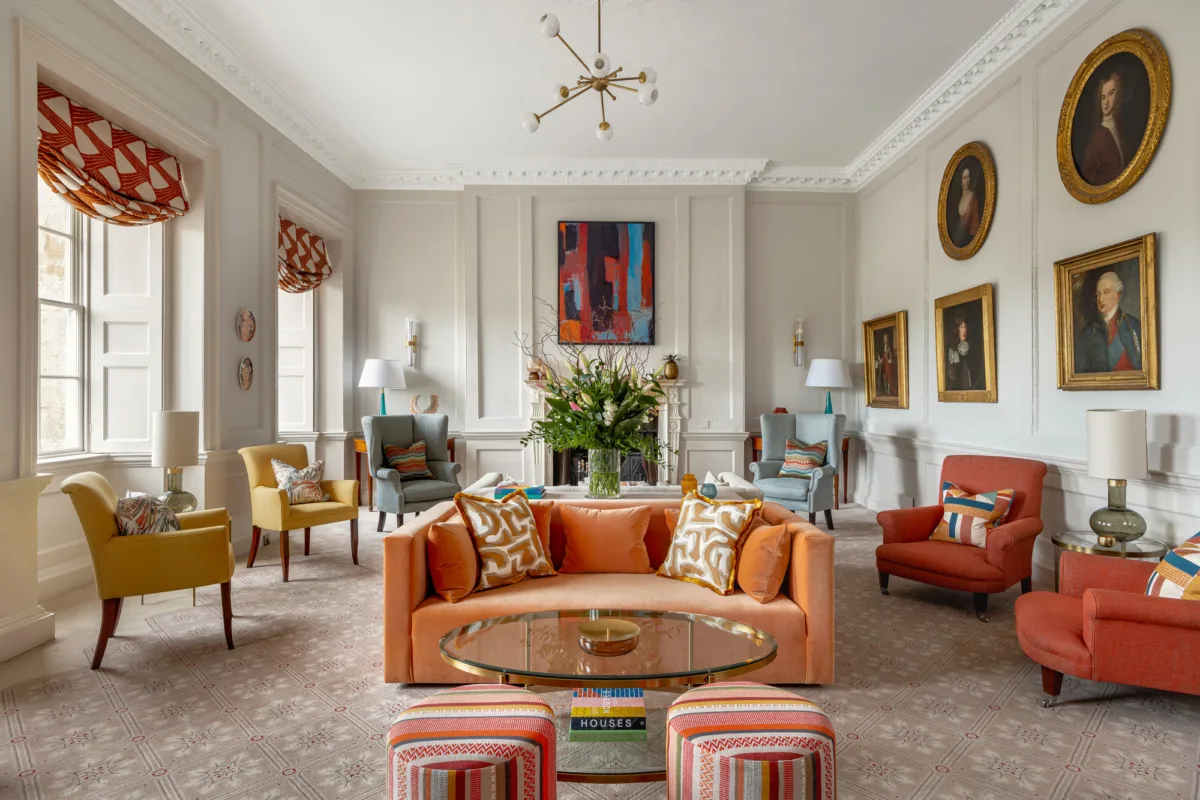
Surrey’s Intersection of Sport, Luxury, and Contemporary Prose: Pennyhill Park
Located in Bagshot, Surrey, Pennyhill Park offers a distinct blend of 19th-century manor house charm and modern high-performance amenities. While historically a private residence, the property has gained international recognition as the official training base for the England Rugby team. This dual identity—balancing the ruggedness of elite sport with the refinement of a Michelin-starred restaurant (Latymer)—makes it a versatile choice for a diverse demographic of couples.
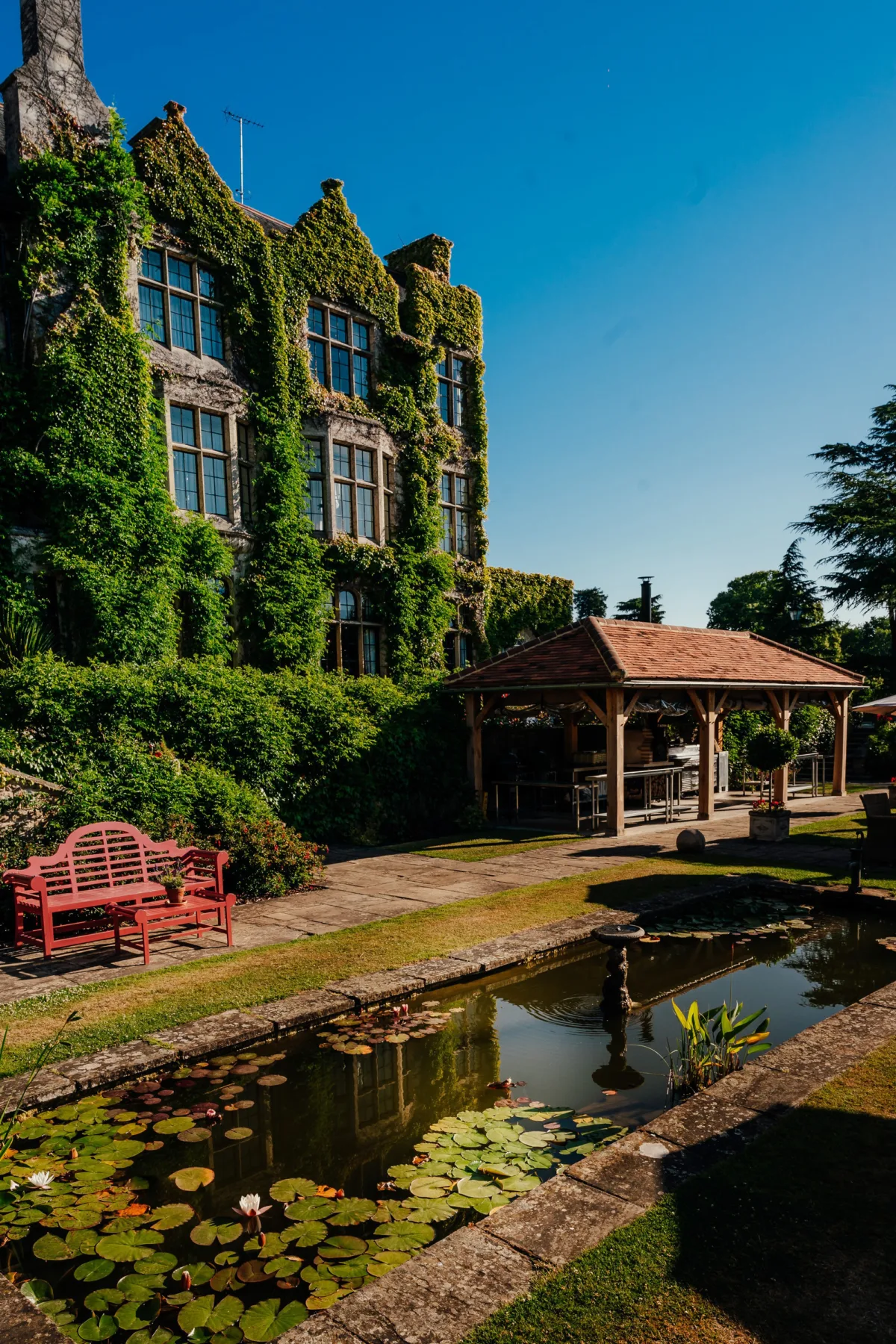
The literary significance of Pennyhill Park is maintained through its hosting of "Between The Covers Live," a prominent literary event featuring authors such as David Nicholls and Jojo Moyes. The venue’s Library, which accommodates 120 guests, features an original fireplace and a grand stained-glass window, providing a scholarly and historic ambiance for indoor ceremonies. The 45,000-square-foot spa facility represents a major capital investment in wellness tourism, a sector that now accounts for a significant portion of the venue’s non-ceremonial revenue. The venue’s ability to pivot between a high-energy sports environment and a tranquil literary retreat demonstrates the evolving nature of the UK’s luxury hospitality market.
London’s Boutique Heritage: Henry’s Townhouse
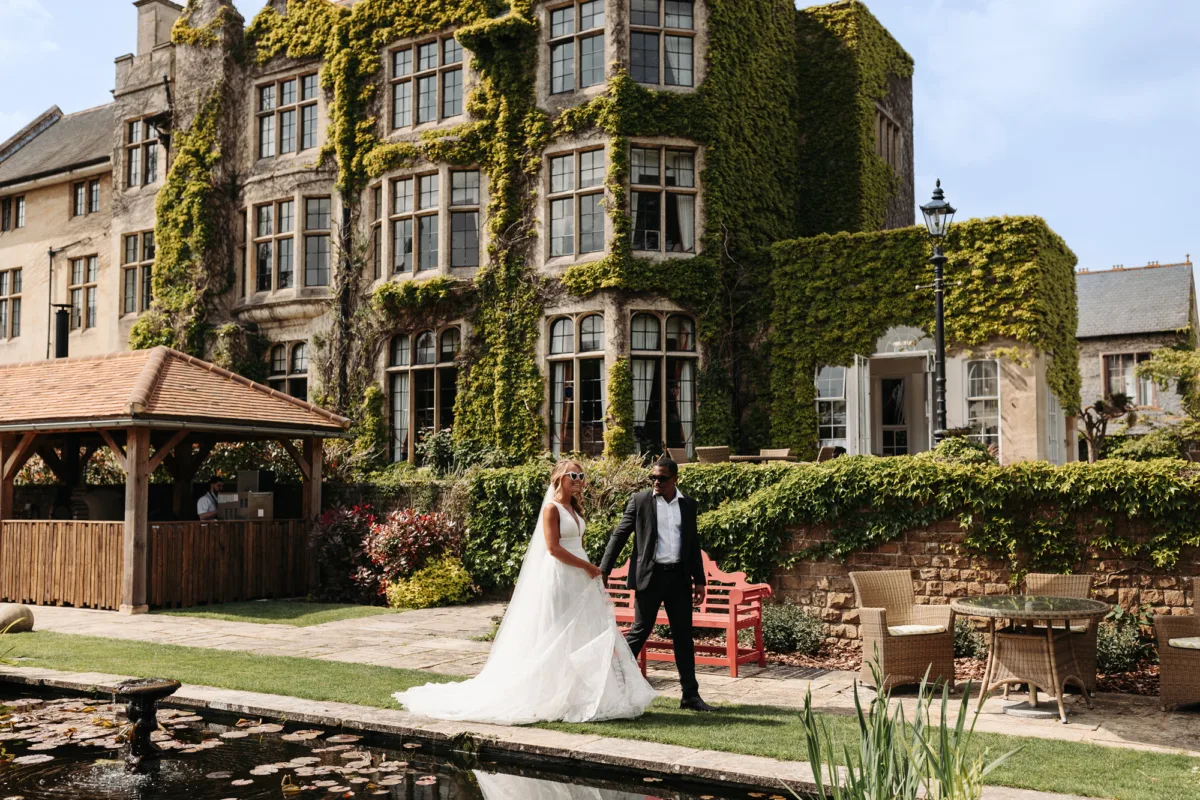
In the heart of Marylebone, Henry’s Townhouse provides a rare opportunity for couples to marry in a property once owned by Henry Austen, the brother and favored confidant of Jane Austen. The Grade II listed building served as a central hub for the Austen family during their visits to London; it is widely documented that Jane Austen worked on the proofs of Sense and Sensibility within these walls.
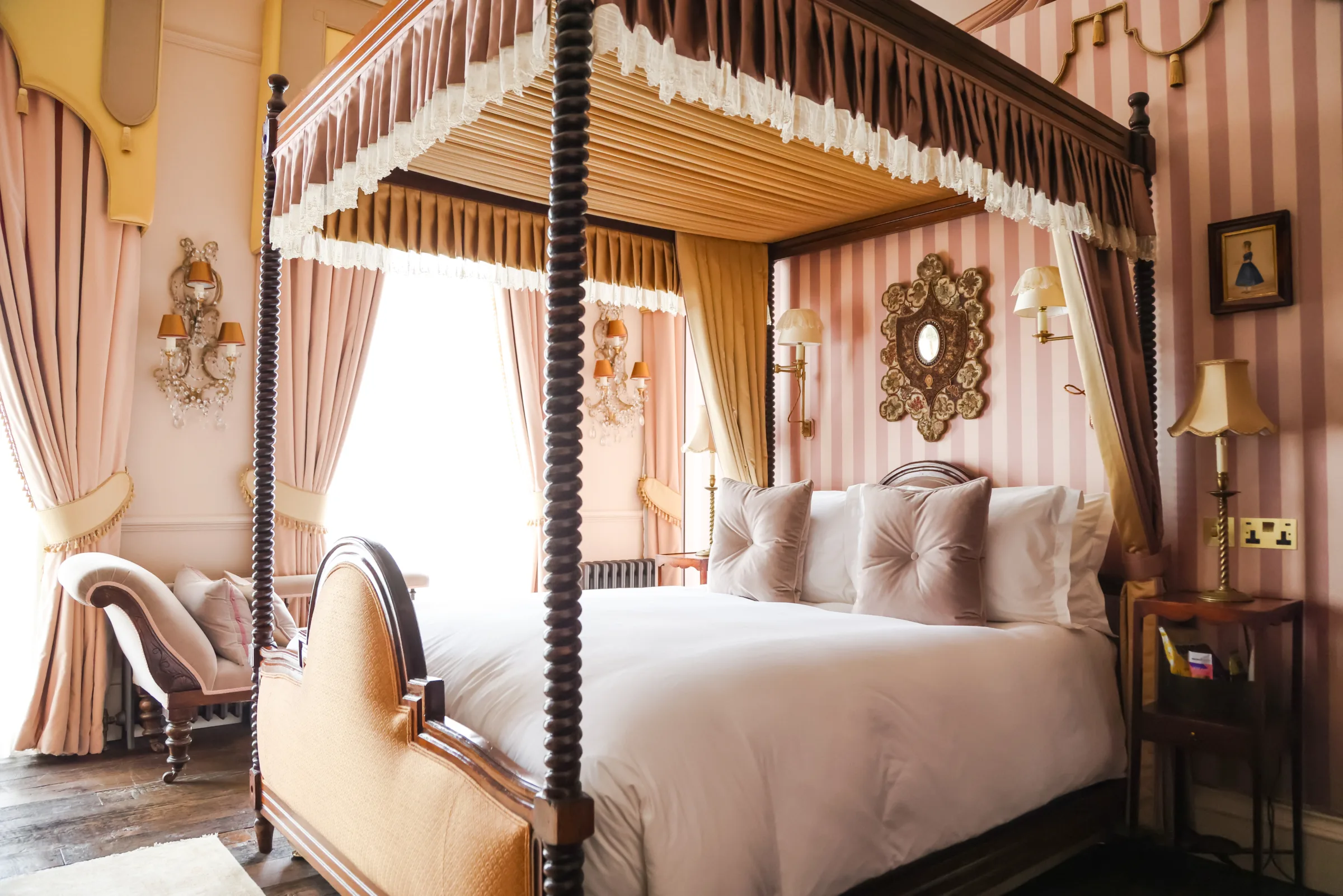
The property underwent an extensive restoration to transform it into a boutique six-bedroom hotel, with each room named after a member of the Austen family. The interior design, managed by Russell Sage Studio, utilizes 19th-century aesthetics—jewel-toned velvets, antique chess boards, and gilded frames—to maintain historical continuity. Market trends indicate a rising demand for "micro-weddings," and Henry’s Townhouse caters to this niche by offering exclusive-use hire for intimate groups of 12 to 24 guests. The venue’s location on Upper Berkeley Street positions it near the Marylebone Old Town Hall, one of the busiest marriage registry offices in the capital, facilitating a seamless transition from official ceremony to private reception.
The Scholastic Grandeur of Oxford: The Bodleian Library
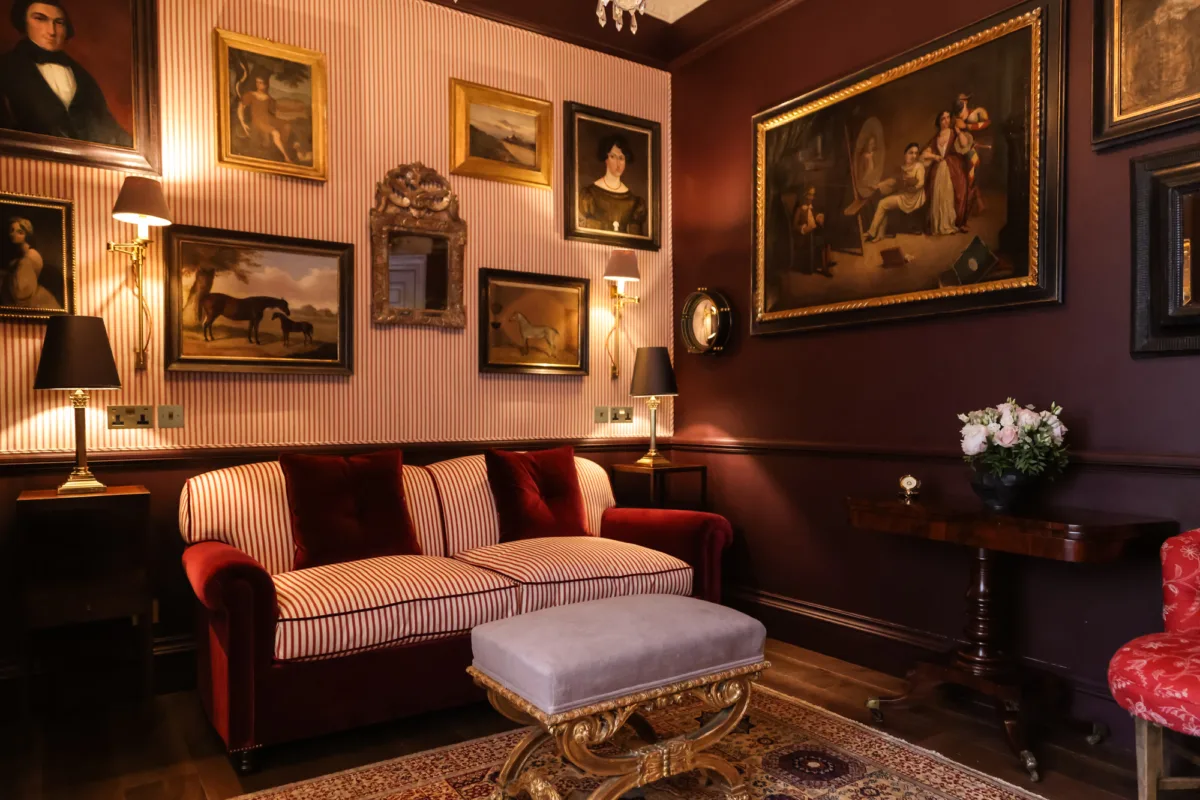
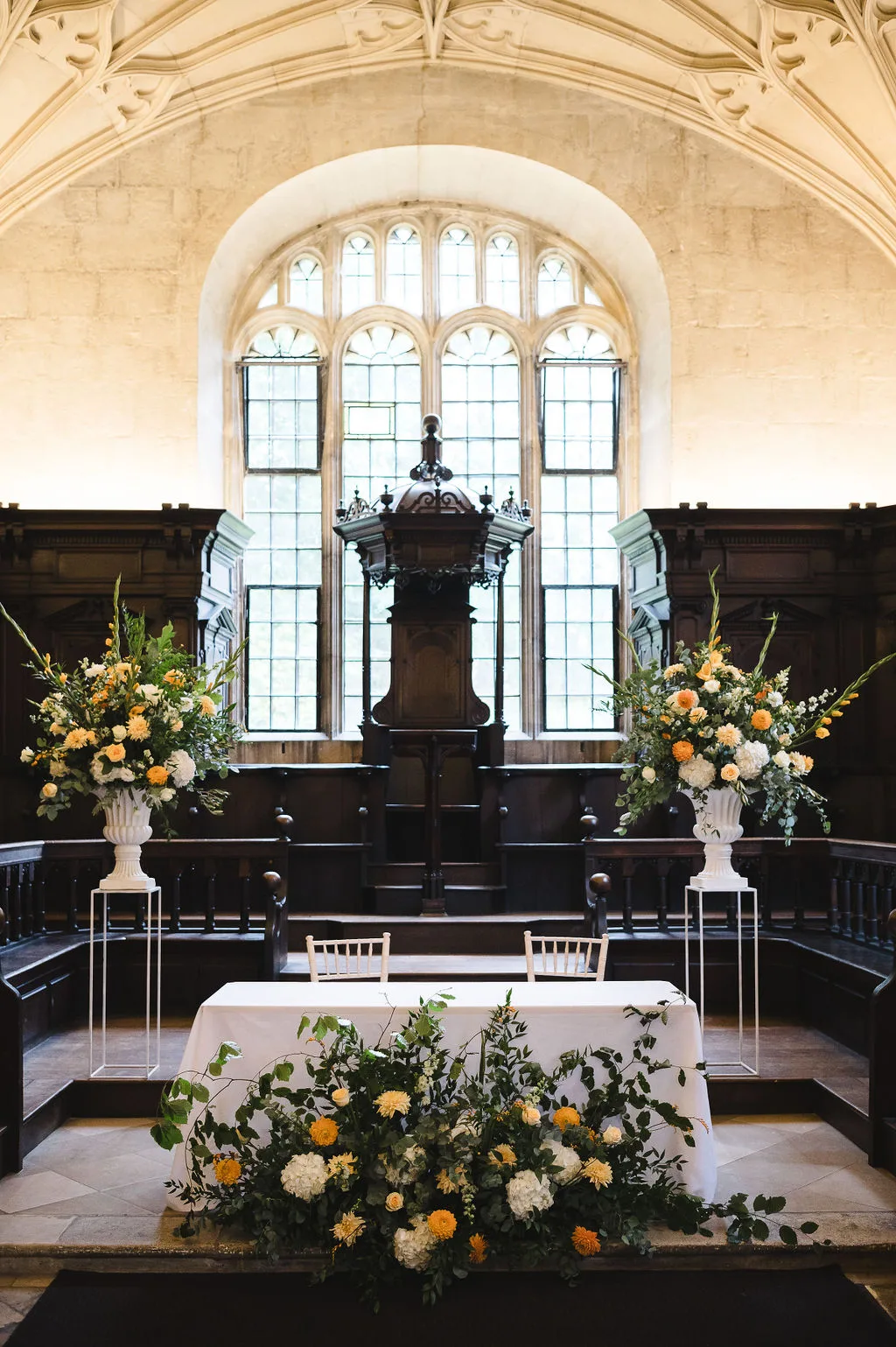
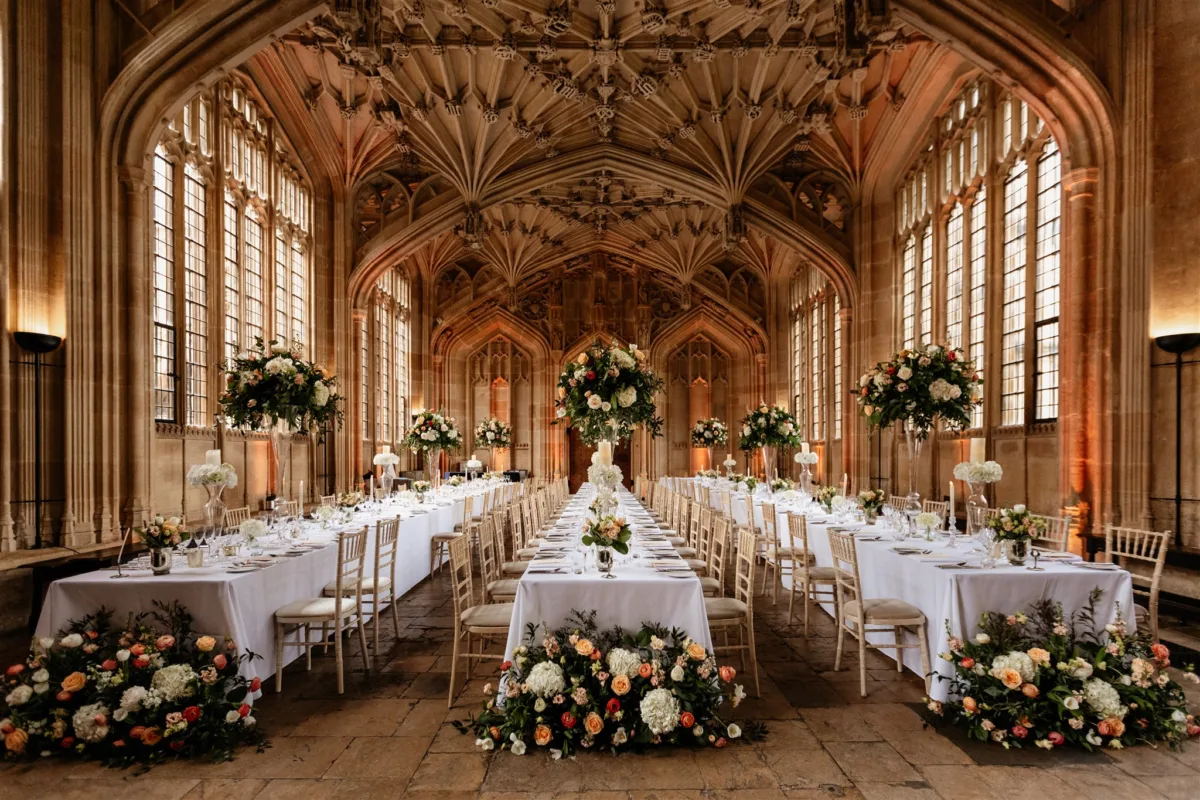
The Bodleian Library at the University of Oxford is one of the oldest libraries in Europe, with its origins dating back to the 14th century. For couples with an interest in academic history and Gothic architecture, the Divinity School within the library offers a venue of unparalleled historical weight. The room is famed for its elaborate stone-vaulted ceiling, which features 455 carved bosses representing the university’s benefactors.
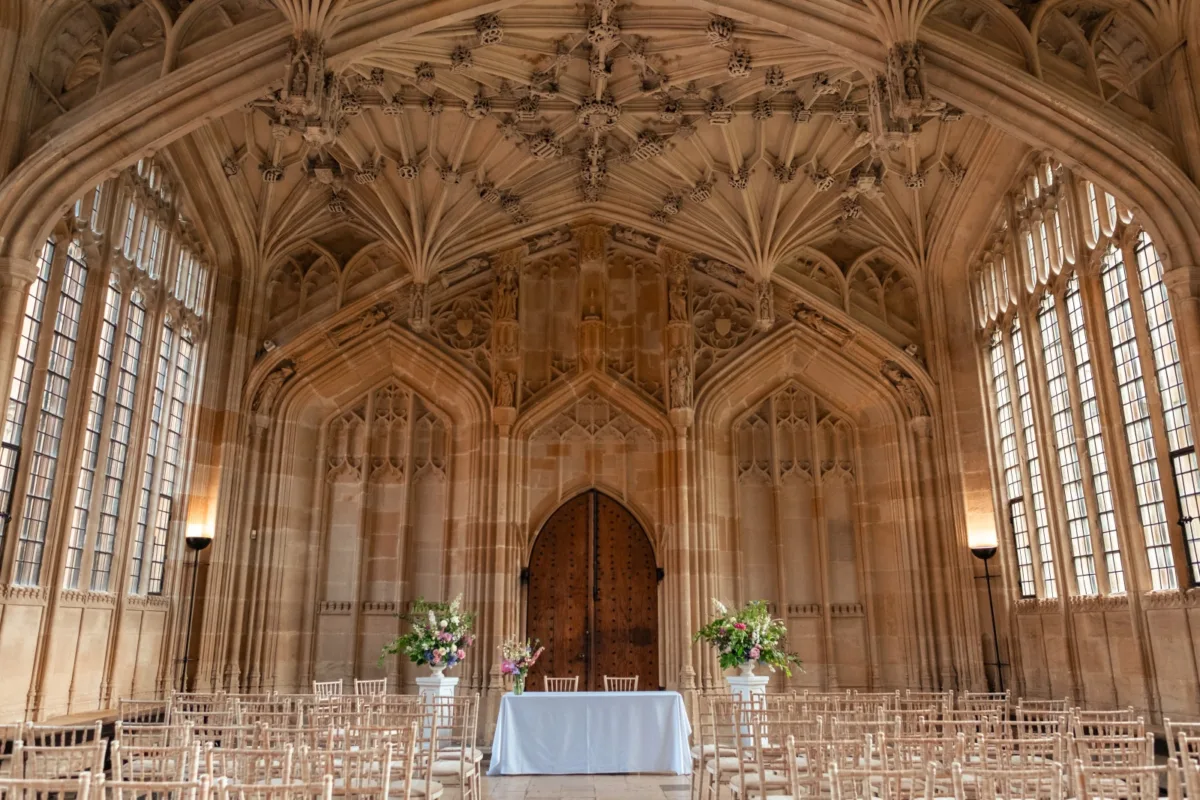
The library’s appeal is multi-faceted: it is a working research institution holding over 13 million printed items, a UNESCO-recognized site of cultural importance, and a popular filming location for the Harry Potter film franchise (serving as the Hogwarts Infirmary). This cinematic connection has historically led to a 20% increase in wedding inquiries from international markets. The Convocation House and Chancellor’s Court provide additional spaces for smaller ceremonies, while the Old Schools Quad offers a grand outdoor setting. The Bodleian’s wedding services are a crucial revenue stream that supports the ongoing conservation of its rare manuscripts and medieval structures.
Mayfair’s Literary Landmark: Brown’s Hotel
Established in 1837 by James and Sarah Brown, Brown’s Hotel in Mayfair claims the title of London’s first hotel. Its literary pedigree is extensive: Rudyard Kipling completed The Jungle Book during his stay, and Agatha Christie was a frequent guest, with her novel At Bertram’s Hotel reportedly based on the property. The hotel’s Lord Byron Room, named after the Romantic poet, serves as a dedicated space for intimate wedding breakfasts, reflecting the venue’s commitment to its historical associations.
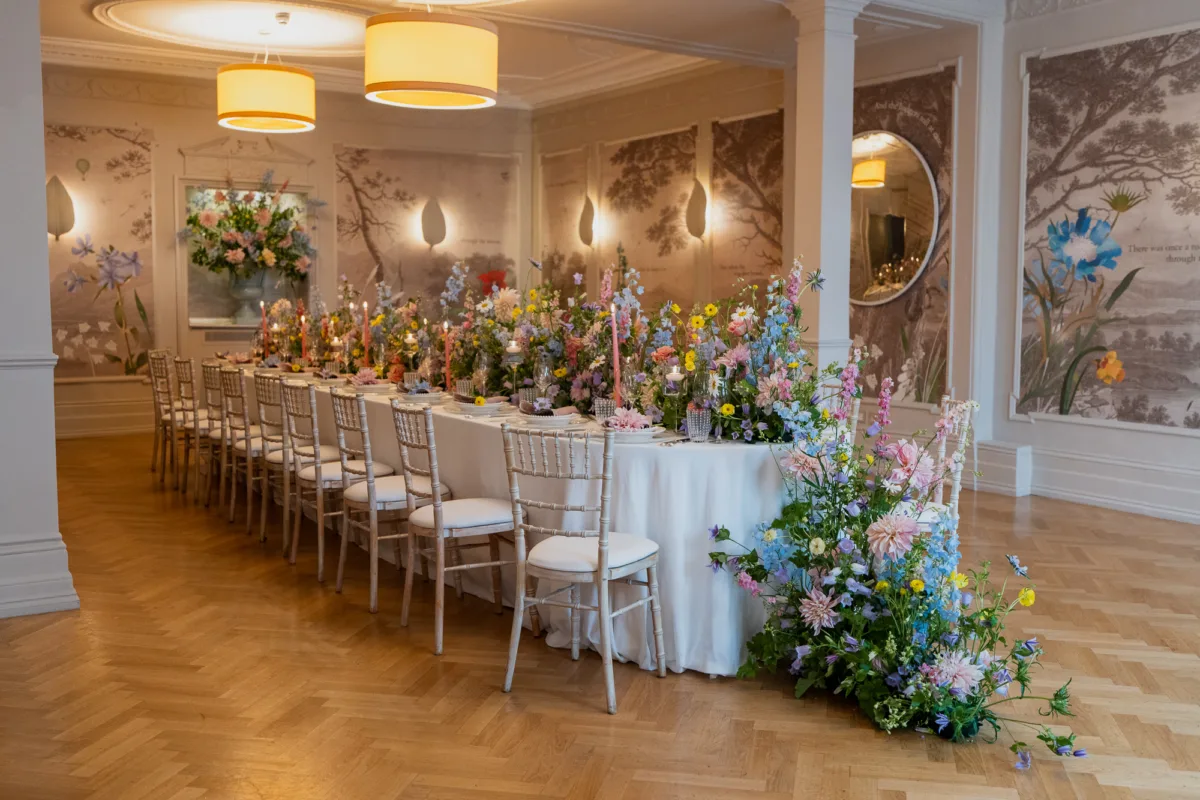
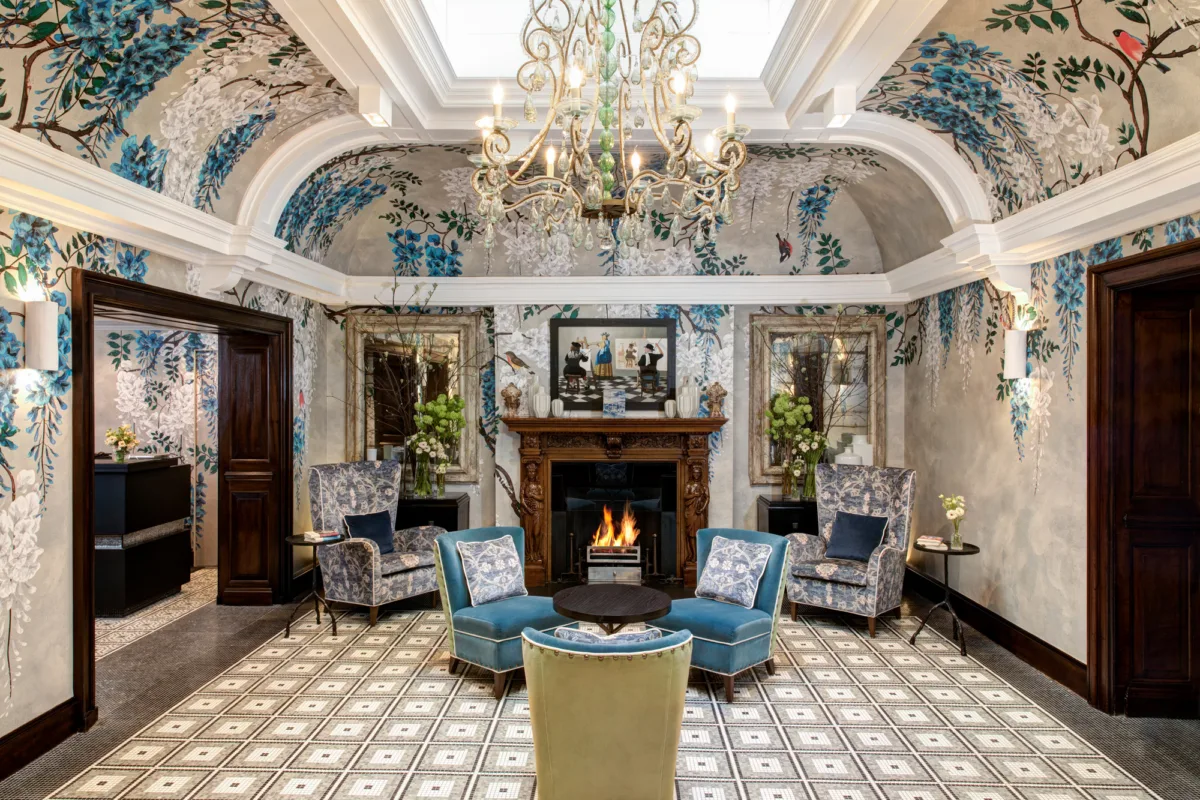
The Clarendon Room, the hotel’s primary event space, features hand-painted floral wallpaper and original 19th-century architectural details. Analysis of the Mayfair luxury market suggests that Brown’s maintains its competitive edge through "understated elegance," a contrast to the more ostentatious displays of neighboring five-star establishments. The hotel also leverages contemporary British culture through its Sir Paul Smith Suite, designed by the iconic fashion mogul whose shop is located just seconds away on Albemarle Street. This synthesis of Victorian history and modern design attracts a clientele that values both heritage and current cultural relevance.
Mystery and Resilience in Harrogate: The Old Swan Hotel
The Old Swan Hotel in Harrogate is famously associated with one of the greatest real-life mysteries of the 20th century: the 11-day disappearance of Agatha Christie in 1926. After her car was found abandoned, the author was eventually discovered at the Old Swan, where she had checked in under a pseudonym. This historical footnote has turned the hotel into a pilgrimage site for fans of detective fiction.
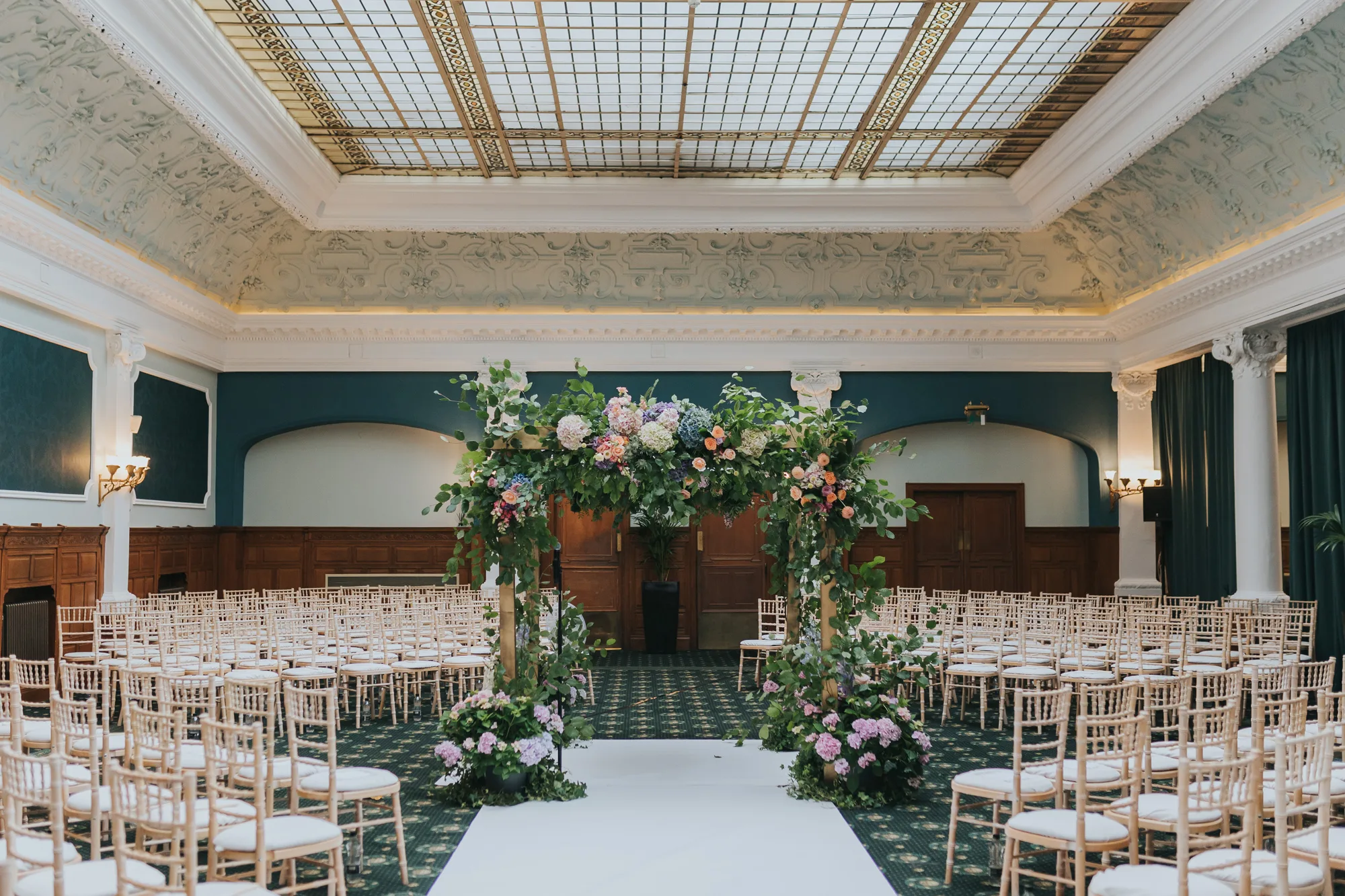
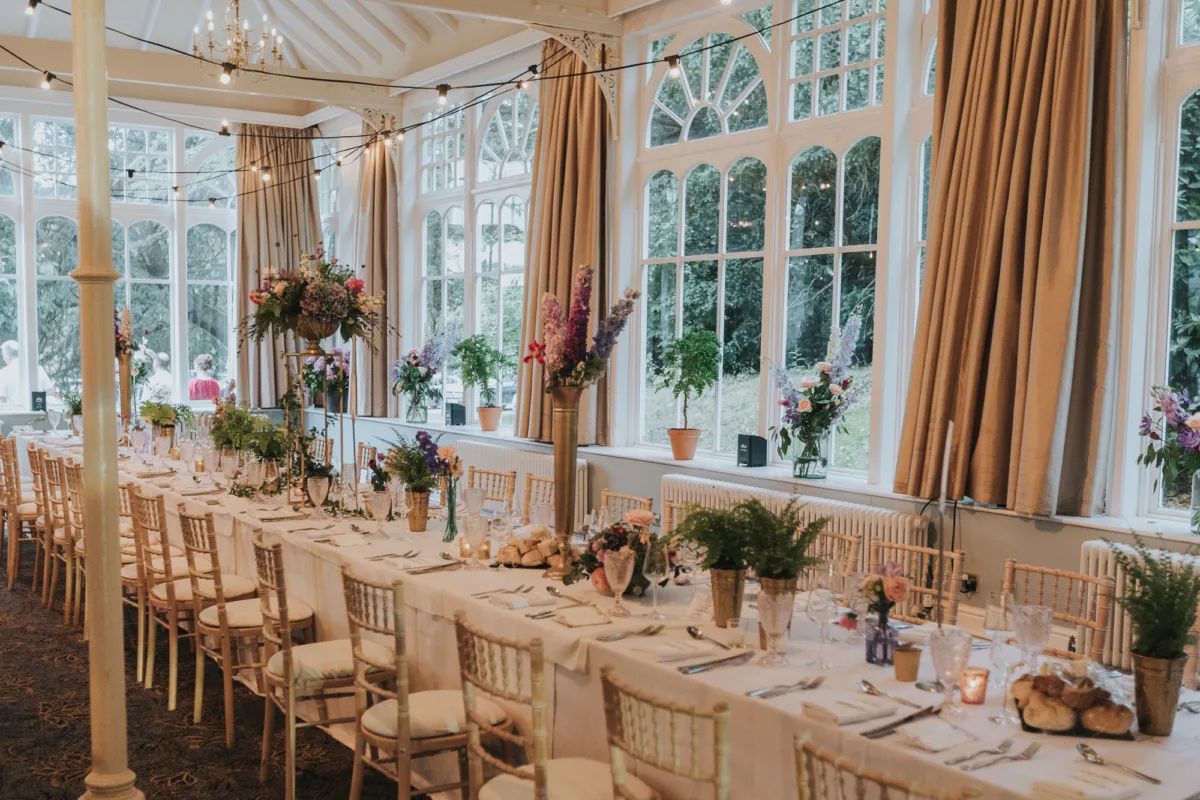
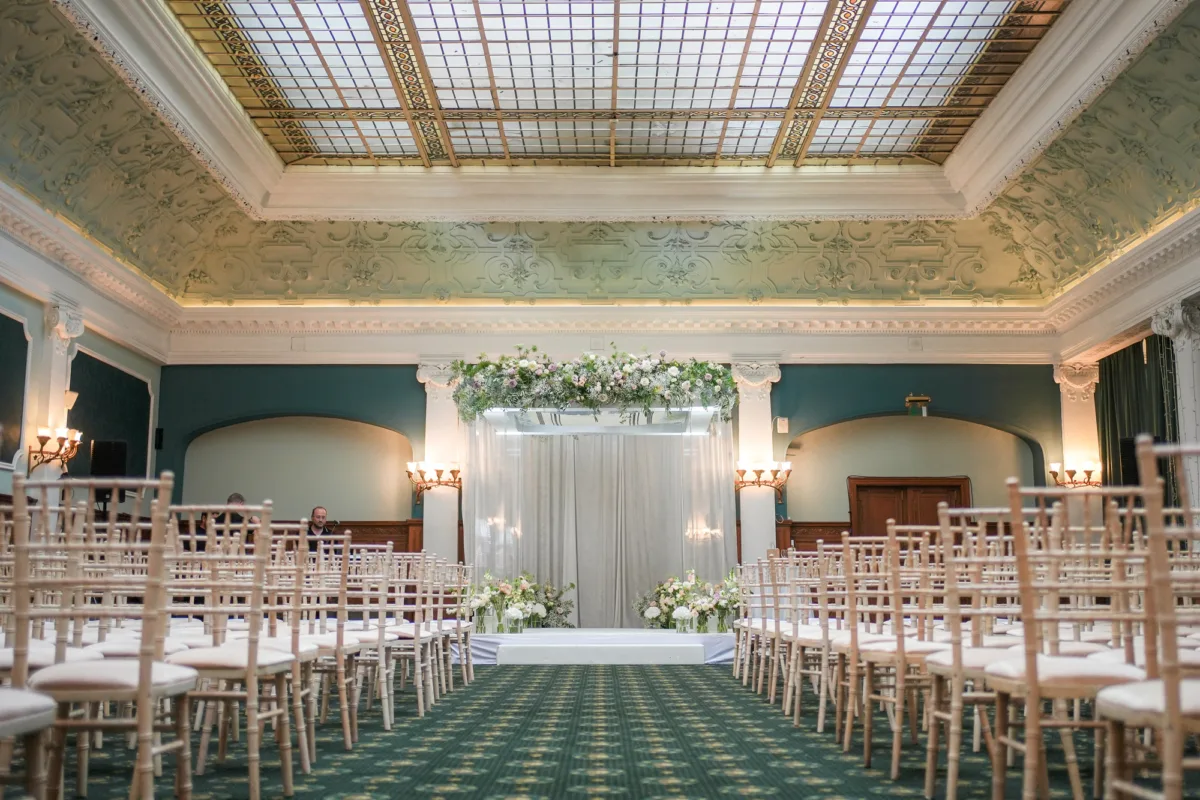
Every July, the hotel hosts the Theakston Old Peculier Crime Writing Festival, an event that generates significant local economic activity. For weddings, the Wedgewood Restaurant, with its original glass-domed ceiling, offers a grand setting that recalls the Golden Age of travel. The Old Swan positions itself at a more accessible price point than London’s luxury hotels, offering "off-peak" wedding packages and self-catering options. This strategy allows the venue to capture a broader segment of the market while still providing the prestige associated with its 200-year history.
Art Deco Isolation: The Burgh Island Hotel
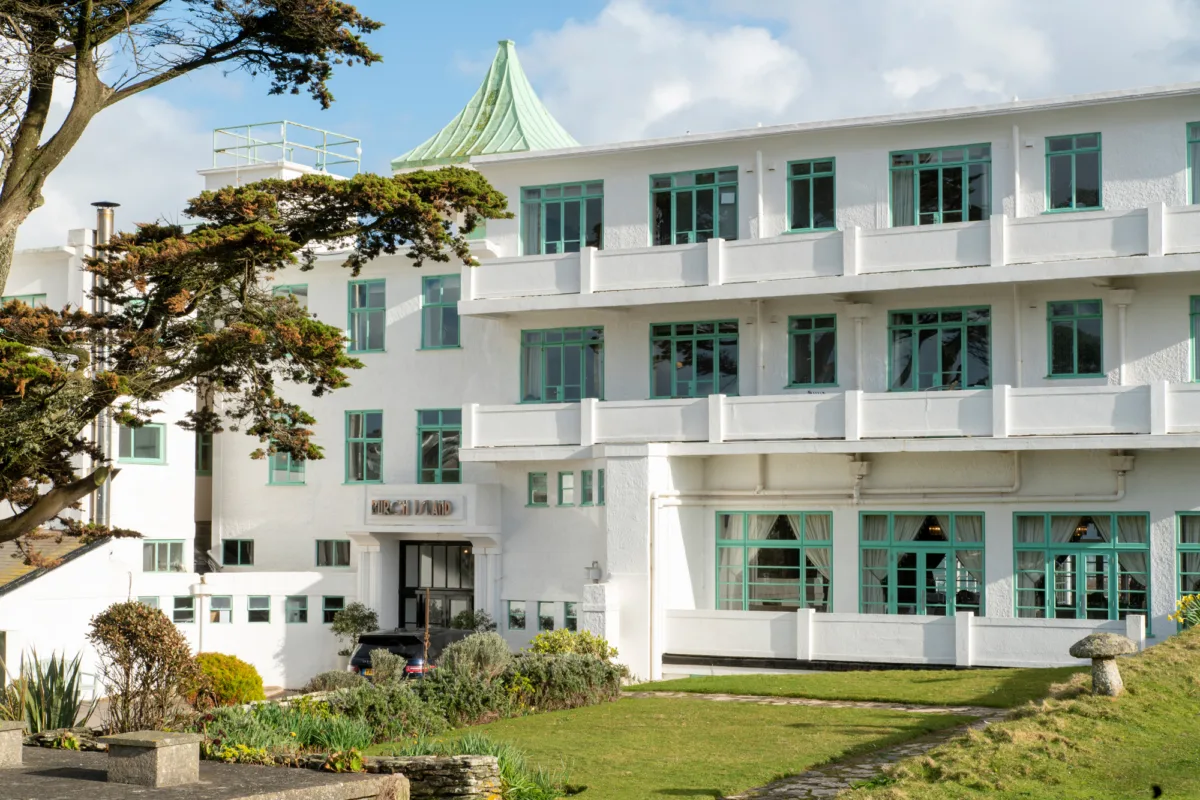
Situated on a tidal island off the coast of South Devon, the Burgh Island Hotel is an iconic landmark of the Art Deco movement. Accessible only by sea tractor during high tide, the hotel offers a level of exclusivity and "period-perfect" immersion that is rare in the UK. The property was a favorite retreat for Noel Coward and Agatha Christie; the latter wrote And Then There Were None and Evil Under the Sun while staying in the stilted Beach House.
The hotel operates on an "exclusive use" basis for weddings, requiring the hire of all 25 bedrooms. The interior is a meticulously preserved museum of 1920s and 30s design, from the copper-domed food trolleys to the original jazz age murals. The hotel’s management enforces a "dress for dinner" policy, maintaining the atmosphere of a bygone era. Economic data from the Devon tourism board indicates that Burgh Island is a key driver of high-end tourism in the region, with its unique geography and literary history providing a "moat" against more conventional competitors.
Broader Impact and Market Analysis
The continued success of these seven venues underscores a fundamental shift in the UK wedding market. Couples are moving away from "blank canvas" spaces in favor of locations that offer inherent character and a pre-existing narrative. This trend has several implications:
- Conservation Funding: Revenue generated from weddings is often funneled back into the maintenance and restoration of Grade I and II listed buildings, ensuring the survival of British architectural heritage.
- Regional Tourism: Venues like The Old Swan in Harrogate and Burgh Island in Devon act as anchors for local economies, supporting regional suppliers, florists, and photographers.
- The "Experience Economy": The integration of walking tours, literary festivals, and themed suites aligns with the global shift toward the "experience economy," where consumers prioritize unique, memorable events over material goods.
As the UK wedding industry continues to evolve, the intersection of literature, history, and hospitality remains a potent formula for success. These venues prove that for many, the beginning of a new chapter is best celebrated in a place where great stories have already been told.