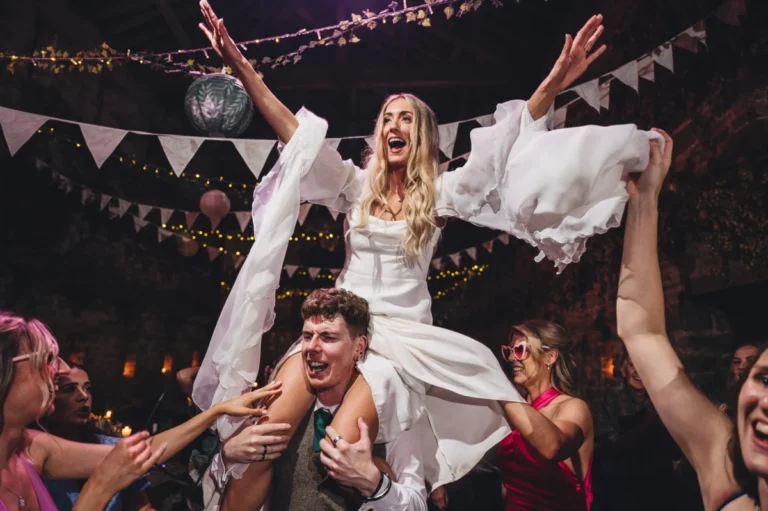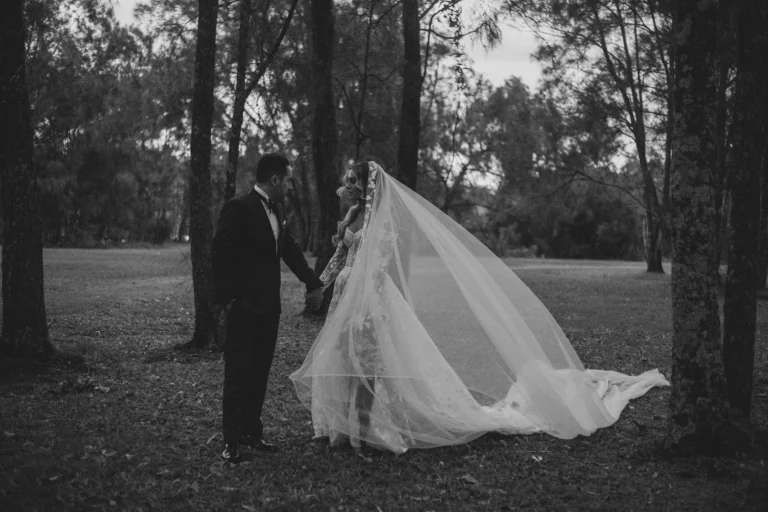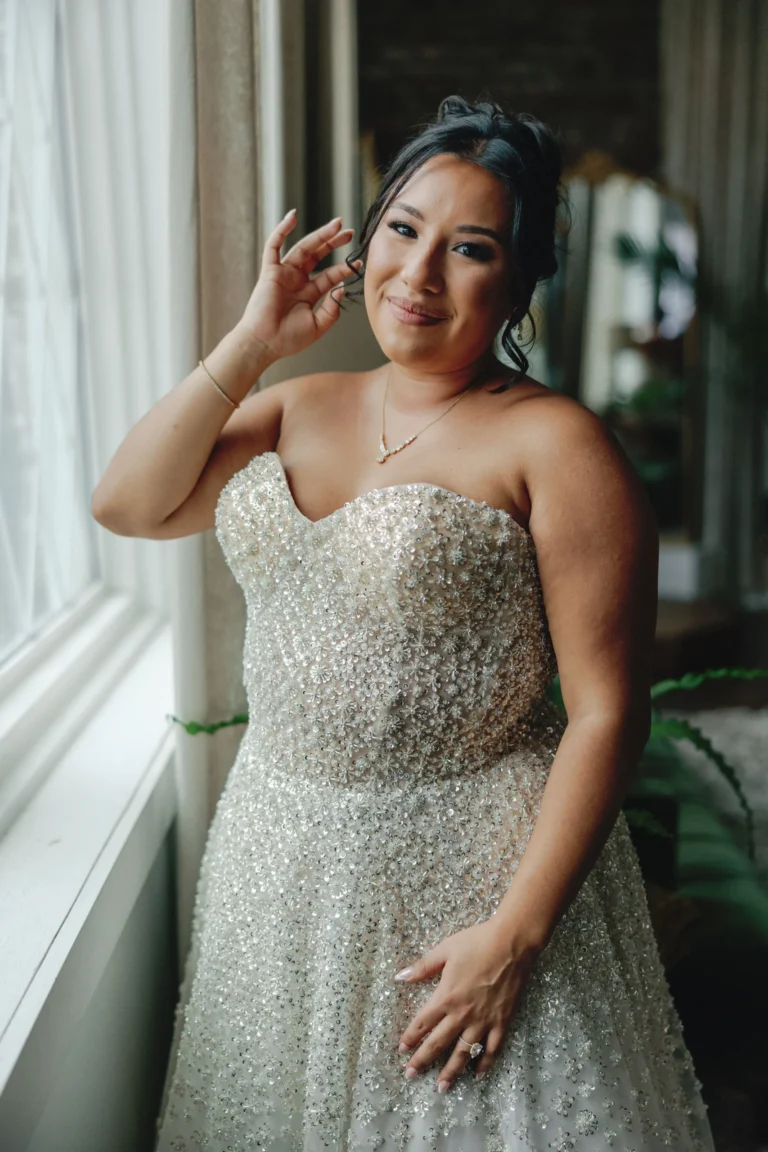










The wedding of Kim, a seasoned film and television set decorator, and Danny, a professional writer, at the historic Agreco Farms in Crete, Greece, represents a significant departure from traditional wedding industry standards, emphasizing intention, cultural heritage, and spiritual curation over conventional aesthetic trends. Held this past April, the event marked the culmination of a two-decade relationship, meticulously planned to honor the couple’s diverse backgrounds and personal philosophies.
Chronology of a Twenty-Year Connection
The foundation for this celebration was laid in 2005, when the couple first met at a social gathering in West Hollywood, California. Their initial connection was immediate, followed by a period of intermittent dating spanning 11 years. The transition toward marriage began in 2016, a pivotal year that signaled a shift in their personal commitment. The formal proposal took place on the bride’s 50th birthday at the couple’s residence, where Danny had constructed two bespoke rocking chairs by a garden pond—a gesture reflecting the deliberate, hands-on nature that would later define their wedding planning.
The decision to marry in Crete was the result of a serendipitous blend of past observations and intuitive decision-making. Kim, having witnessed a traditional ceremony in a small Greek village two years prior, felt a strong pull toward the region. The specific choice of Agreco Farms—a renowned organic agricultural site—was confirmed following a vivid dream in which the bride visualized the venue’s layout and atmosphere. The wedding date, April 16th, was selected to coincide with the 20th anniversary of their first meeting, grounding the celebration in a decade-spanning historical context.
Logistical Execution and Creative Direction
To manage the complex logistics of an international destination wedding, the couple enlisted the services of Bobbie Karagianni of Sand + Lace Events. The planning process prioritized creative direction over standard vendor management. Given the bride’s professional background as a set decorator, the design phase was treated as a creative production. Every element, from the floral arrangements provided by Manfler to the sourcing of crystals and candles, was selected for its symbolic resonance rather than purely decorative value.
The physical assembly of the event was a complex operation. Guests were transported via private charter to the farm, where the ceremony and subsequent feast were held. The couple opted for a symbolic, spiritual ceremony officiated by the groom’s sister, Karen, rather than a strictly secular or religious rite. This choice allowed for the integration of personalized vows and intention-setting practices. A legal, smaller ceremony followed several weeks later in the couple’s home garden, officiated by the bride’s godmother, utilizing a candle forged from the remnants of her grandparents’ wedding candles to bridge familial generations.
Cultural Synthesis and Musical Integration
A notable feature of the event was the intentional synthesis of the couple’s distinct ancestral backgrounds. Kim’s Greek heritage was honored through the inclusion of a traditional Greek band, while Danny’s Irish lineage was represented by the presence of bagpipe music. Due to a sudden family bereavement in the week leading up to the ceremony, the intended live bagpiper was unable to attend. In an act of adaptation, the couple utilized a raw, high-fidelity recording of "The Skye Boat Song" to facilitate the bride’s entrance, creating an auditory environment that mirrored the presence of a live performer.
The reception further emphasized this cultural fusion, with the couple hiring dance instructor Caitlin from Fred Astaire Dance Studios to choreograph their first dance, reflecting an investment in the process of preparation. The music selection for the dinner service was curated by Danny over the course of a year, ensuring every track held specific biographical meaning.
Data-Driven Wedding Trends and Industry Impact
The couple’s approach reflects a growing segment of the wedding industry categorized by "intentional events." According to recent market analysis in the luxury wedding sector, there is a measurable shift away from mass-produced decorative themes toward "hyper-personalized" experiences. Kim and Danny’s wedding serves as a case study for this trend, characterized by:
- Low Guest Count, High Investment: With 38 guests in attendance, the couple opted for a high-density experience where financial and time resources were concentrated on the quality of interactions rather than volume.
- Symbolic Gifting: Instead of standard party favors, the couple provided artisanal oils and honeys produced by the venue, Agreco Farms, alongside personalized, handwritten notes for each attendee.
- Spiritual Integration: The use of crystals and group prayer indicates a movement toward "mindful hosting," where the psychological and spiritual well-being of the guests is considered as vital as the catering and venue.
The involvement of professional event planners in such highly specific, non-traditional weddings has become increasingly essential. Karagianni noted that the couple’s vision required a departure from standard "package" weddings, necessitating a bespoke approach that viewed the wedding not as a performance, but as a "gathering of kin."
Official Perspectives and Reflections
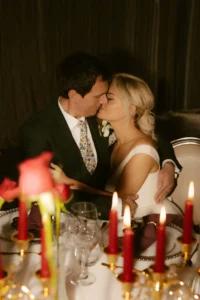
Reflecting on the event, the bride identified the moment of sitting at the singular, long dining table—set against the backdrop of the farm’s chapel—as the emotional apex of the day. This setup, designed to facilitate communal conversation rather than separate tables, was a strategic choice to foster intimacy.
The bride also shared insights on the challenges of late-life marriage. Becoming a bride for the first time at 52 provided a unique perspective, characterized by a heightened awareness of parental presence and the value of time. "I realized how fortunate I was to reach this day with both of my parents beside me," she noted, acknowledging that the initial hesitation regarding the "giving away" tradition had evolved into a profound sense of gratitude.
Broader Implications for the Wedding Sector
The implications of this event for the wider wedding industry are significant. As couples increasingly prioritize personal narrative and shared experience over standardized rituals, the demand for venues that offer authentic, culturally grounded environments—such as working organic farms rather than generic event halls—is expected to rise.
Furthermore, the emphasis on the "pre-wedding" experience, including dance lessons and deliberate, quiet moments for the couple, suggests a trend toward viewing the marriage process as a transformative phase rather than just a singular event day. This shift, while resource-intensive, provides a blueprint for couples seeking to optimize the emotional resonance of their celebrations.
The successful execution of this event, captured by photographer Paulina Bruni and videographer DG Films, demonstrates that the integration of digital and analogue media, combined with a highly curated guest list and deep attention to detail, creates a lasting cultural artifact. As demonstrated by the couple’s advice to future pairs, the "perfection" of a wedding is increasingly defined not by the absence of logistical error, but by the presence of intention, connection, and the active participation of the couple in their own shared history.