










The debate surrounding hair parting—specifically the generational divide between the side part favored by many millennials and the middle part popularized by Gen Z—has become a staple of contemporary beauty discourse. While personal preference often dictates styling choices, recent high-profile appearances by Selena Gomez have brought renewed focus to the aesthetic implications of a precise, centered part. On September 17, while attending the Fast Company Innovation Festival in New York City, Gomez debuted a sleek, 1960s-inspired blowout that served as a masterclass in precision styling, challenging the notion that a middle part is exclusively the domain of younger demographics.
The New York Appearance: A Case Study in Precision
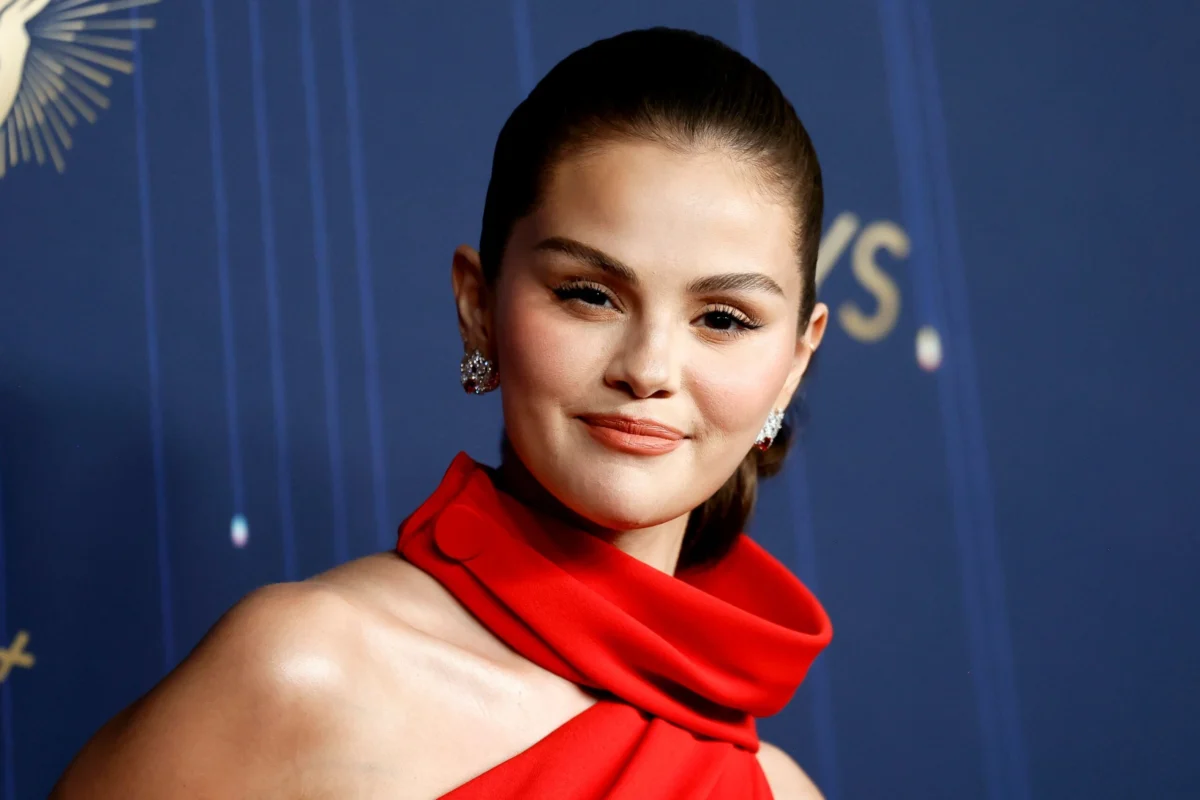
Gomez, a 32-year-old entrepreneur and entertainer, appeared at the Innovation Festival to discuss the strategic growth of her cosmetics brand, Rare Beauty. Her aesthetic for the event was characterized by a refined, "business-chic" sensibility. Styled by renowned hair artist Renato Campora, the look featured a sharp, mathematical middle part that provided a structural foundation for the rest of her hairstyle.
Unlike the voluminous, high-drama blowouts often associated with red-carpet styling, this look prioritized a sleek, flattened finish. The front sections of her hair were meticulously tucked behind her ears, drawing attention to the symmetry of the parting. The lengths were blown out with a subtle, inward-curving bend at the ends, creating a sense of controlled movement. This styling choice is significant because it departs from the softer, more asymmetrical silhouettes typically favored in professional settings, signaling a shift toward cleaner, more graphic hair geometry.
Chronology of a Style Pivot
The September 17 appearance was not an isolated stylistic choice but rather part of a broader aesthetic evolution for Gomez. The preceding day, September 16, Gomez was photographed in the Tribeca neighborhood of Manhattan sporting a significantly different variation of the same trend. While the September 17 look was sleek and restrained, her Tribeca look featured a "bombshell" blowout—characterized by fuller, wavy texture—that also originated from a crisp center part.
This two-day sequence suggests a deliberate move toward the middle part as a versatile styling element. By maintaining the same point of origin for her hair—the center—while alternating between sleek, professional, and voluminous, wavy textures, Gomez demonstrated that the middle part functions as a foundational element capable of supporting diverse stylistic expressions. This transition has been noted by industry observers as a departure from her previous tendencies, which often leaned toward side-swept styles that framed the face with more asymmetry.

The Psychology and Data of Hair Parting
The preference for a specific hair part is rarely arbitrary; it is often tied to facial symmetry and the psychological desire to balance or highlight specific features. According to general styling principles, a middle part typically draws the eye toward the center of the face, emphasizing the nose and the symmetry of the eyes. Conversely, a side part is frequently employed to soften the face or to create an illusion of volume on one side, which can be particularly flattering for those with rounder facial shapes.
Data from the beauty industry indicates that the "middle part vs. side part" conversation gained significant traction in early 2021, largely fueled by social media platforms such as TikTok. During that period, the middle part became a hallmark of Gen Z identity, often framed in opposition to the side-swept styles associated with millennial fashion. However, as of late 2024, industry analysts report that these hard-line generational distinctions are softening. Modern trends are shifting toward "versatile grooming," where the choice of a part is determined more by the desired outfit or the formal nature of the event rather than adherence to a generational cohort.
Context: The Fast Company Innovation Festival
The backdrop for this styling shift was the Fast Company Innovation Festival, an annual event that convenes leaders from business, technology, and entertainment to discuss industry disruption and brand growth. Gomez’s participation was centered on Rare Beauty, a company that has disrupted the traditional beauty market through its emphasis on inclusivity and mental health advocacy.
By opting for a look that was both sophisticated and modern—the sleek middle part—Gomez visually aligned herself with the "innovation" theme of the conference. In the world of personal branding, such choices are rarely accidental. A centered, precise hairstyle projects a sense of control, clarity, and intentionality. For a founder speaking on a panel about the future of her multi-million dollar enterprise, a polished, symmetrical aesthetic serves as a non-verbal reinforcement of her professional capability.
Professional Analysis: The Role of Celebrity Styling
Renato Campora, the stylist responsible for these recent looks, has long been a key player in defining the visual language of modern Hollywood. The professional consensus among stylists is that a center part requires a higher level of maintenance and precision than a side part, as it leaves little room for error. A slight misalignment can disrupt the balance of the entire look.
The technical execution of Gomez’s hair—specifically the smoothing of the hair at the roots and the tucking behind the ears—highlights a trend toward "quiet luxury" in hair styling. This movement favors polished, healthy-looking hair over the over-processed, heavily teased styles of the past decade. The implications for the broader beauty market are clear: consumers are increasingly seeking products that offer heat protection, shine, and flyaway control to achieve this specific look.

Implications for Beauty Trends
The adoption of the center part by high-profile millennials like Gomez signals a potential end to the "parting wars." As cultural trends continue to cycle, the middle part has transitioned from a niche generational marker to a standard, high-fashion styling option. This shift is likely to influence upcoming seasonal trends, with hair care brands expected to promote more products geared toward achieving flat, sleek, and perfectly centered results.
Furthermore, the longevity of this trend suggests that stylists are moving away from rigid "rules" regarding what age or generation should wear which style. Instead, the current emphasis is on structural harmony. As Gomez continues to evolve her public image, her hair serves as a barometer for how traditional beauty standards are being negotiated in the modern era.
Conclusion: A Shift in Perspective
While the debate over hair parts may seem superficial, it reflects a broader cultural engagement with identity and self-presentation. Selena Gomez’s recent appearances provide a compelling argument for the adaptability of the middle part. By successfully integrating a style previously categorized as "youth-oriented" into a sophisticated, adult wardrobe, she has effectively neutralized the generational stigma attached to the look.
Whether this trend holds for the long term remains to be seen, but the evidence suggests that the middle part has successfully graduated from a social media talking point to a mainstay of contemporary style. For those who, like many millennials, have spent years identifying with a side-swept aesthetic, the example set by Gomez serves as an invitation to experiment with a new, more symmetrical approach to personal grooming. As the industry moves forward, the focus will likely remain on the precision, health, and intentionality of the hair, rather than the specific placement of the part itself.