







The global menswear industry is undergoing a structural transformation away from algorithmic trends, flash-in-the-pan viral micro-movements, and excessive logomania toward functional longevity. According to recent retail data from the global fashion search platform Lyst, consumer searches for heritage branding and overly technical, logo-heavy outerwear dropped significantly year-over-year, replaced by a surge in demand for unbranded, versatile, and enduring wardrobe staples. Industry analysts characterize this shift not merely as a seasonal change, but as a long-overdue market correction—a "menswear reset" prioritizing intentional consumption, durability, and versatility over transient novelty.

Background Context of the Style Evolution
To understand the current reset in men’s fashion, one must examine the macroeconomic and cultural factors influencing consumer behavior. Throughout the early 2020s, post-pandemic dressing swung wildly between two extremes: ultra-casual loungewear born from remote work and hyper-expressive, theatrical streetwear fueled by social media algorithms. By 2024 and 2025, consumers began experiencing trend fatigue. The constant churn of disposable fashion produced a counter-movement, with buyers increasingly questioning the longevity of their purchases.

Retail economists note that inflationary pressures and heightened environmental awareness have further driven shoppers toward a "cost-per-wear" mindset. Rather than investing in items meant for a single season, the modern male consumer is building a cohesive, multi-functional wardrobe. This evolution has redefined the runway collections of major fashion weeks, where designers from Milan to New York have quietly stripped away theatrical gimmicks in favor of soft tailoring, tactile natural fibers, and timeless silhouettes.
Chronology of the Shift: From Streetwear Domination to Quiet Intention

The transition away from logomania has been building across specific phases over the past twenty-four months:
- Phase One (Late 2024): The plateau of technical outerwear and graphic streetwear. Sales data indicated a saturation point for synthetic, weather-resistant shells worn as lifestyle garments.
- Phase Two (Mid-2025): The rise of textural layering. Consumers began experimenting with knitwear weights and relaxed proportions, signaling a departure from skin-tight silhouettes.
- Phase Three (Early 2026): The formal institutionalization of the reset. Across major global runways, brands consciously moved away from theatricality, cementing the eight foundational trends that currently dictate the menswear landscape.
The Eight Foundational Trends Defining Modern Menswear

-
The Quarter-Zip Renaissance
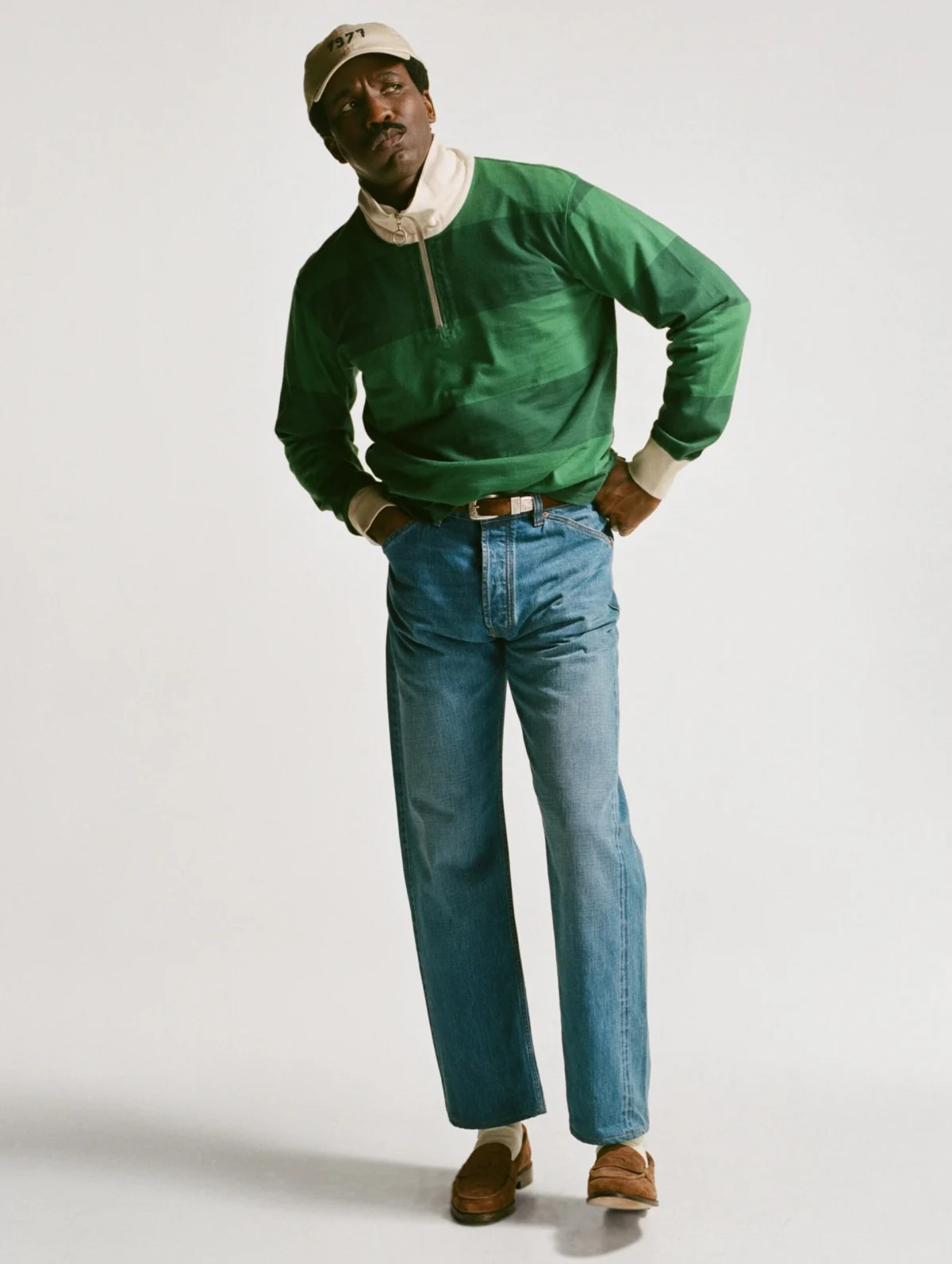
Once dismissed as uninspired corporate attire, the quarter-zip pullover has staged a remarkable comeback. Modern iterations, particularly those rendered in premium merino wool, offer unmatched layering capabilities. They slip effortlessly beneath structured blazers or sit cleanly over traditional shirting, acting as an essential bridge between formal and casual dress codes. -
Relaxed Tailoring and the Soft Power Suit
The traditional, rigid suit has been replaced by the soft power suit. Featuring unstructured shoulders, natural fabric drapes, and trousers cut with a more forgiving waistline, modern tailoring mimics the comfort of knitwear. Style experts emphasize breaking up these suits—pairing a tailored blazer with raw denim or pairing suit trousers with casual knitwear—to dissolve traditional boundaries of formality.
-
Earth Tones and the Ascendancy of Brown
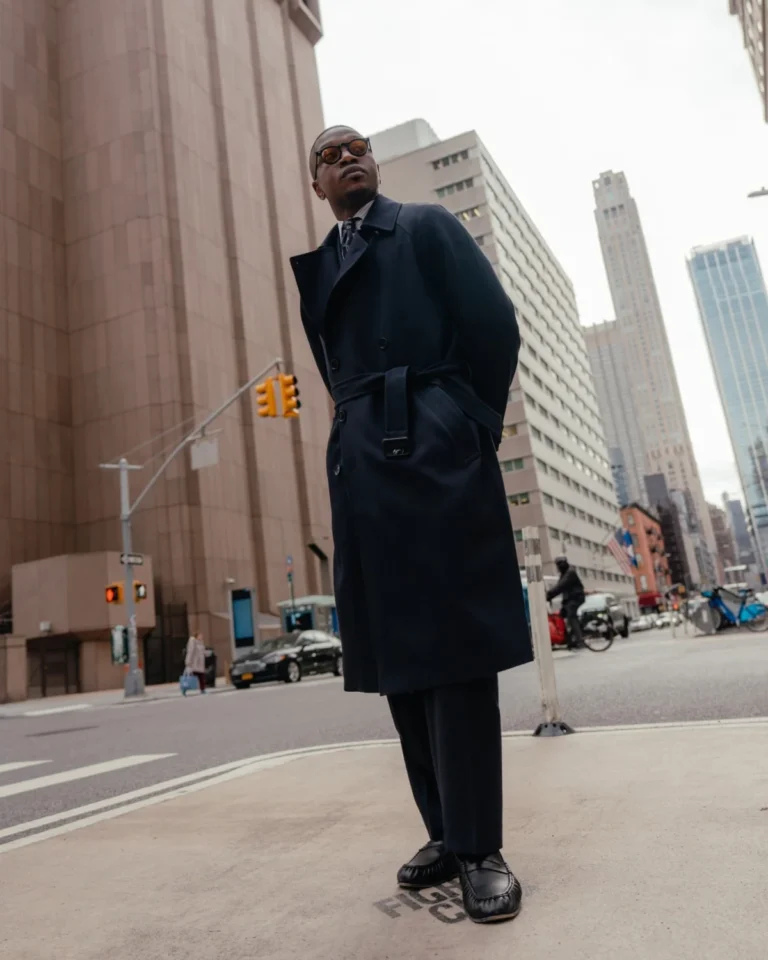
Color theory in menswear has experienced a definitive shift away from stark black-and-white contrasts toward a warm, grounding palette. Camel, tobacco, bark, and deep espresso have become foundational neutral tones. According to retail buyers, tonal dressing within the brown spectrum offers maximum versatility across skin tones and seasons, signaling a mature, considered approach to personal style. -
Polished Bohemianism
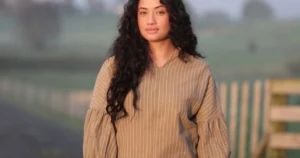
Bohemian aesthetics have returned, albeit with a strict adherence to restraint. Eschewing the chaotic, maximalist boho styling of previous decades, the contemporary approach relies on natural, breathable fabrics like linen, washed-out colorways, and subtle textures. The golden rule of this trend is singular focus: a single flowing overshirt or textured linen piece anchors an outfit without overwhelming it.
-
Straight-Leg Trousers
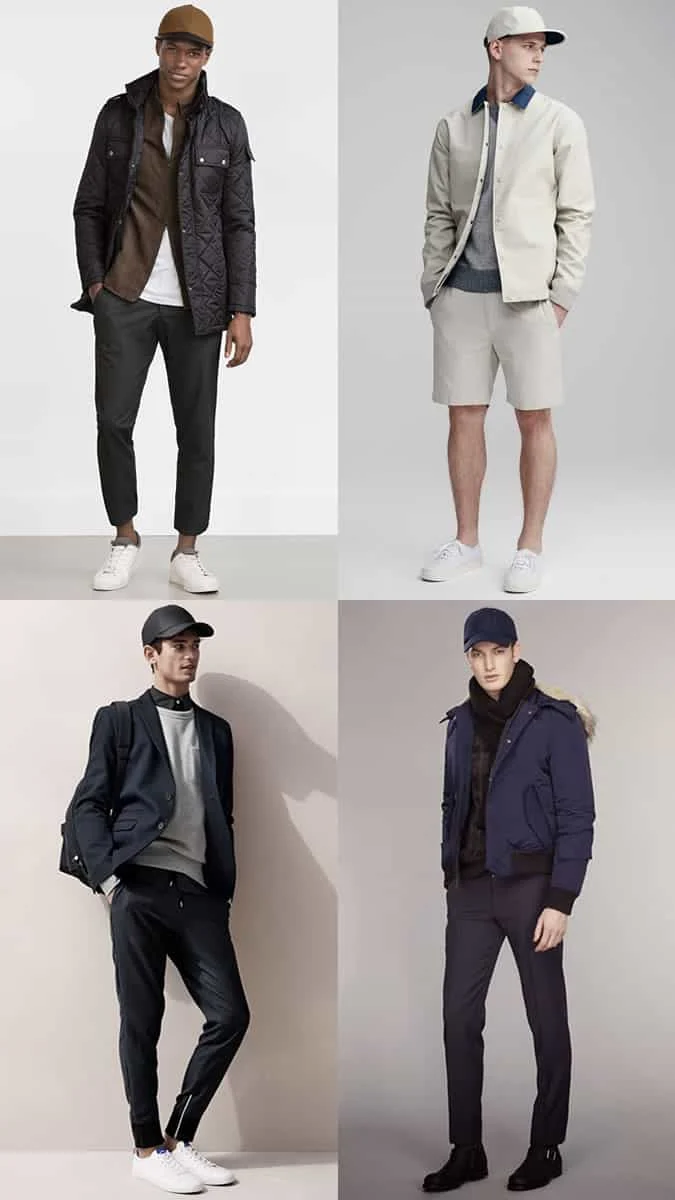
The ongoing debate between ultra-slim tailoring and exaggerated wide-leg trousers has finally reached a pragmatic resolution. Straight-leg trousers offer clean structural lines that sit comfortably between the two extremes. Falling with a light break over the shoe, this silhouette functions seamlessly in denim, wool, or cotton, representing one of the most accessible wardrobe updates for the modern consumer. -
Elevated Athleisure
Athleisure has officially matured. The look is no longer defined by synthetic gym wear, but rather by structured jersey pieces, heavy-gauge cotton sweatshirts, and tailored joggers. When paired intentionally with wool overcoats or tailored blazers, these garments create a sophisticated visual contrast between soft comfort and sharp tailoring.
-
Bold Color as a Deliberate Accent
While neutral earth tones form the backbone of the 2026 wardrobe, color is being deployed with calculated precision. Rich jewel tones—including deep reds, vibrant blues, soft yellows, and forest greens—are used as signature elements. Stylists advise anchoring a single bold garment within an otherwise restrained, neutral outfit to project confidence without looking chaotic. -
The Loafer and Smart Footwear Reset
While sneakers retain a place in casual rotation, they are no longer the automatic default for everyday footwear. Loafers, derbies, and Chelsea boots have reclaimed significant market share. The penny loafer, in particular, has emerged as a versatile staple capable of anchoring everything from formal tailoring to casual denim and warm-weather shorts.
Industry Analysis and Market Implications
The broader implications of this aesthetic reset extend far beyond individual style choices; they represent a fundamental realignment for the retail industry. Fast-fashion retailers and heritage luxury houses alike are restructuring their supply chains to prioritize durability, natural material sourcing, and timeless design over rapid trend turnover.

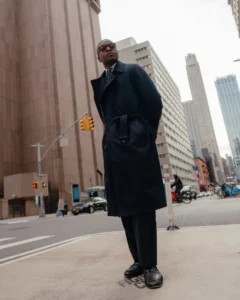
Industry analysts project that brands failing to adapt to this demand for longevity will struggle to capture the loyalty of discerning male consumers. By focusing on versatile investments—such as a well-crafted camel overcoat, a reliable merino quarter-zip, or a pair of enduring leather loafers—consumers are reclaiming agency over their personal presentation. Ultimately, the 2026 menswear reset proves that true style is not about chasing algorithms, but about exercising intention, restraint, and confidence.