





As global temperatures continue to shatter historical records, the intersection of escalating climate change and everyday consumer habits has emerged as a critical point of discussion among environmental scientists, policymakers, and fashion industry analysts alike. With consecutive summers bringing unprecedented heatwaves across Europe and North America, public health officials have intensified warnings regarding extreme weather safety. Amid these sweltering conditions, consumer priorities inevitably shift toward immediate thermal comfort. However, environmental advocates and sustainable fashion organizations emphasize that the urgency of the climate crisis demands a more holistic approach to summer dressing—one that balances personal relief with ecological responsibility.
The phenomenon of increasingly frequent and severe heatwaves is directly linked to anthropogenic climate change, a consensus heavily supported by data from international meteorological bodies. According to the World Meteorological Organization (WMO) and the European Union’s Copernicus Climate Change Service, the past decade has marked the warmest period in instrumental recorded history. Record-breaking heat domes, prolonged droughts, and elevated urban heat island effects have transformed typical summer seasons into prolonged survival tests for millions of urban residents. In these moments of intense heat, the immediate human response is often reactionary: consumers search frantically for garments that promise maximum breathability, frequently overlooking the lifecycle, manufacturing origins, and environmental footprint of the textiles they purchase.
Industry experts note a distinct tension between the demand for fast-comfort solutions and the imperatives of sustainable consumption. Traditional fast fashion has long capitalized on cheap, synthetic materials like polyester, nylon, and acrylic during peak summer months, marketing them as lightweight and versatile. Yet, environmental audits reveal a troubling paradox: while these synthetic textiles may feel thin, they are fundamentally derived from petrochemicals, contributing heavily to microplastic pollution during laundering and failing to facilitate natural body cooling effectively. Consequently, researchers argue that the climate crisis requires consumers to re-evaluate their relationship with textiles, recognizing that the most breathable materials supplied by nature are frequently the most ecologically sound.
The Science of Breathable, Sustainable Textiles
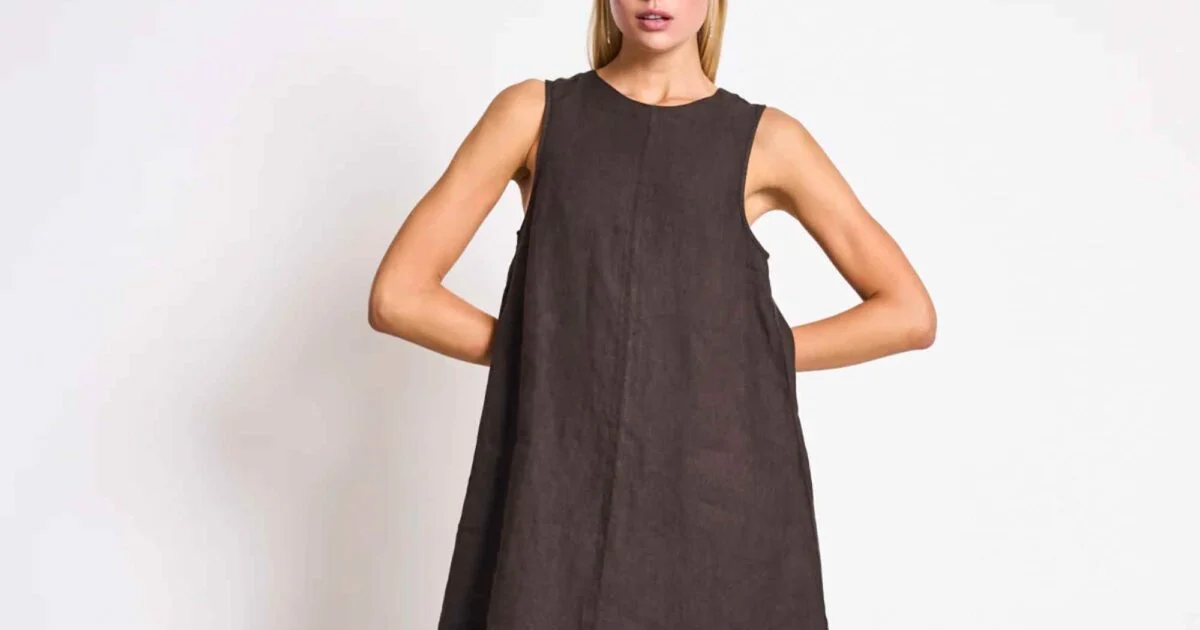
Understanding the molecular and structural properties of fabrics is essential for navigating hot-weather wardrobes sustainably. Natural fibers such as organic linen, derived from the flax plant, and hemp have historically demonstrated superior performance in high-temperature environments. Unlike synthetic polymers that trap body heat and impede natural perspiration evaporation, linen and hemp fibers possess hollow structures that enhance airflow and moisture absorption. Furthermore, when left unadulterated by toxic chemical treatments or synthetic dyes, these materials are entirely biodegradable, returning to the earth without leaving lingering microplastic traces.
Textile innovators have also advanced alternative semi-synthetic materials that meet rigorous environmental standards. TENCEL Lyocell, derived from sustainably harvested wood pulp managed through closed-loop production systems, has gained significant traction within the eco-conscious fashion sector. Closed-loop processing ensures that solvents used to dissolve the wood pulp are recycled at a rate of over 99%, minimizing chemical waste. Organic cotton and recycled cotton offer similar advantages, provided their agricultural supply chains adhere to strict water-conservation and pesticide-free mandates.
In response to these material demands, independent labels worldwide have restructured their supply chains to prioritize local craftsmanship and low-impact inputs. For instance, Indian womenswear label SUI operates dedicated workshops in Delhi, ensuring that garments are produced under ethical labor conditions using breathable, natural fabrics. Similarly, Canadian apparel brand tentree integrates an Earth-first manufacturing model, constructing garments from lower-impact materials while committing to large-scale ecosystem restoration projects. By tying retail consumption directly to environmental regeneration—such as planting trees to offset carbon footprints—these brands represent a shifting paradigm in how the apparel industry responds to climate pressures.
Rethinking Activewear and Footwear for High Temperatures
The challenge of dressing for extreme heat extends beyond casual daywear into athletic and leisure categories. As ambient temperatures rise, individuals engage in daily activities that induce heavy perspiration, driving a high market demand for performance activewear. Historically, the athletic apparel market has been dominated by virgin polyester and elastane blends. However, environmental watchdogs point out that these petroleum-based synthetics not only exacerbate thermal discomfort by sealing in heat and body odors, but they also shed thousands of microscopic plastic fibers into municipal wastewater systems with every wash cycle.
To combat this, forward-thinking activewear designers are transitioning toward plant-based technical fabrics. Innovations utilizing bamboo-viscose and specialized TENCEL Lyocell blends provide the moisture-wicking properties required for high-exertion activities without relying on plastic polymers. These alternatives offer superior thermal regulation, preventing the wearer from experiencing the sticky, overheating sensations commonly associated with low-grade synthetic activewear.
Accessories and sun protection items present another critical frontier for sustainable summer dressing. Dermatologists and public health agencies strongly advocate for comprehensive sun defense during extreme heat events, particularly as ultraviolet radiation levels peak alongside ambient temperatures. Traditional sun protection gear, however, often relies on heavily processed plastics and non-recyclable components.
To address this, responsible brands are redefining sun-shielding accessories. Sunglasses crafted from bio-acetate, sustainably sourced bamboo, wood, and recycled ocean plastics offer durable, stylish alternatives to conventional petroleum-based frames. Headwear, essential for shielding the face and scalp from direct solar radiation, follows the same material criteria as apparel: utilizing organic linen, hemp, and certified organic cotton. Furthermore, the beauty and skincare sector has faced increased scrutiny regarding the chemical composition of sunscreens. Conventional formulations frequently contain chemical filters and pollutants such as oxybenzone, nano zinc oxide, and titanium dioxide, which have been scientifically linked to coral reef degradation and aquatic ecotoxicity. In response, certified organic brands like Odylique have formulated sensitive-skin, vegan suncare products that adhere to strict environmental standards, excluding harmful petrochemical pollutants while offering certified skin protection.
The Complex Realities of Sustainable Swimwear
Perhaps no category of summer clothing presents a more intricate design challenge than swimwear. Swimming costumes, trunks, and bikinis are subjected to harsh environmental conditions, including saltwater, chlorinated pool water, and intense ultraviolet exposure. For decades, the industry has relied heavily on virgin nylon and spandex to achieve the necessary elasticity, durability, and water-resistance required for swimwear. Consequently, the conventional swimwear market remains a major contributor to marine plastic pollution and microplastic shedding.
Despite these hurdles, sustainable alternatives have emerged through material engineering and circular design initiatives. Manufacturers are increasingly adopting ECONYL—a regenerated nylon created from post-consumer waste, including discarded fishing nets retrieved from oceans and industrial plastic scraps. By diverting waste from marine ecosystems and transforming it into high-performance yarn, brands can produce durable swimwear without extracting virgin petroleum.
Additionally, alternative natural fibers are carving out a space in the swimwear market. Specialized labels such as Natasha Tonic utilize processed hemp fibers, which possess natural antimicrobial properties, UV resistance, and exceptional durability, offering a skin-friendly and ocean-safe alternative to synthetic options. Similarly, European brands like ColieCo employ handmade-to-order manufacturing processes in Portugal, utilizing responsibly sourced, lower-impact fabrics to eliminate overproduction and minimize textile waste. Industry analysts emphasize that while alternative materials are vital, the longevity of swimwear can be significantly extended through mindful consumer maintenance, such as reducing wash frequencies and air-drying garments to prevent fiber degradation.
Economic and Policy Implications for the Fashion Industry
The convergence of extreme climate events and sustainable fashion choices carries profound implications for the global economy and regulatory landscapes. As consumer awareness shifts toward climate-resilient purchasing habits, regulatory bodies in major markets—particularly the European Union—are implementing stricter compliance standards regarding greenwashing, supply chain transparency, and textile waste management.
Economic analyses indicate that brands failing to adapt to sustainable sourcing models face mounting financial risks, driven by volatile raw material costs, tightening carbon taxes, and shifting consumer loyalties. Conversely, companies investing in traceable, low-impact supply chains are better positioned to weather regulatory shifts and secure long-term market viability. Industry stakeholders argue that systemic transformation requires collaboration across the entire textile value chain, from agricultural producers and chemical suppliers to garment workers and end consumers.
Ultimately, navigating the escalating frequency of climate-driven heatwaves demands a fundamental re-examination of modern sartorial norms. By prioritizing durability, breathability, and ecological stewardship, consumers and brands alike can adapt to a warming planet without compromising the health of the natural world. As scientific data continues to underscore the realities of climate change, the evolution of the sustainable fashion sector serves as a vital component in the broader global effort toward environmental mitigation and long-term resilience.