










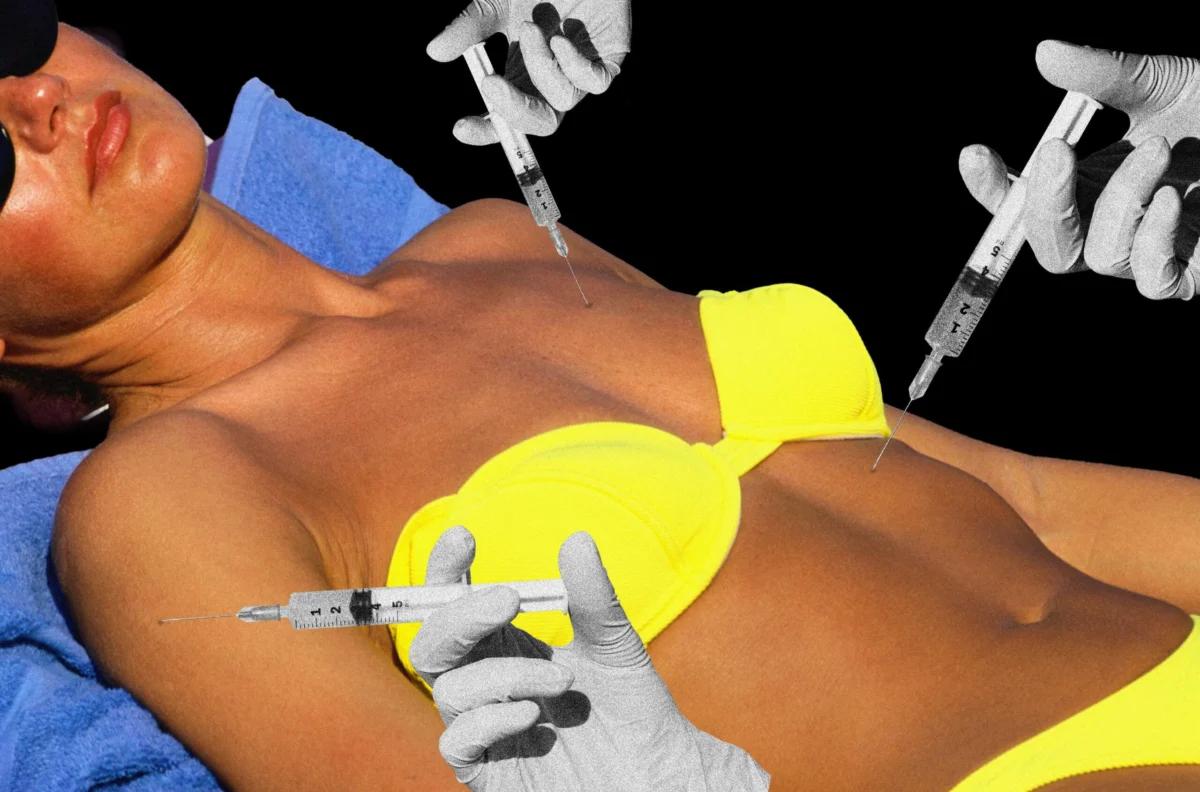
As the summer sun intensifies, so too does the allure of a bronzed complexion. However, beneath the surface of this seasonal pursuit lies a growing concern: the proliferation of Melanotan II, a synthetic peptide banned by the FDA, being used by individuals seeking to achieve a tan without significant sun exposure. This trend, amplified by the increasing availability of peptides through unregulated online channels, is drawing sharp criticism from dermatologists and public health organizations, who warn of severe health consequences and the potential for this dangerous practice to become more mainstream.
The Allure of the "Barbie Drug" and its Underlying Dangers
Melanotan II, colloquially known as "the Barbie drug," is a synthetic analog of the naturally occurring alpha-melanocyte-stimulating hormone (α-MSH). Its purported function is to stimulate melanocytes, the skin cells responsible for producing melanin, the pigment that gives skin its color and offers some protection against UV radiation. By artificially boosting melanin production, Melanotan II promises a deeper tan with less sun exposure, appealing to those who desire a tanned appearance year-round or wish to accelerate their tanning process.
Despite the cosmetic appeal, medical professionals are sounding a strong alarm. Deborah S. Sarnoff, MD, President of the Skin Cancer Foundation and a board-certified dermatologist, has issued a stark warning: "The Skin Cancer Foundation strongly discourages the use of Melanotan II and other unapproved tanning agents marketed as shortcuts to achieving darker skin." This sentiment is echoed by numerous dermatologists who highlight that the perceived benefits of an artificial tan are vastly outweighed by the significant health risks associated with the peptide.
A Growing Trend Fueled by the "Gray Market"
The popularity of injectable peptides has surged in recent years, partly due to the widespread adoption of GLP-1 agonists for weight loss and a burgeoning "gray market" of peptides marketed for various aesthetic and wellness purposes. These include claims of enhanced post-workout recovery, improved hormone balance, hair regrowth, and skin health. Melanotan II falls into this category of peptides that are currently restricted or banned due to insufficient safety data and a lack of FDA approval for cosmetic use.
The FDA is currently reviewing a list of restricted peptides, with a meeting of its Pharmacy Compounding Advisory Committee scheduled for mid-July. Melanotan II is a prominent peptide on this list, and its potential regulatory status is a source of considerable anxiety for health experts.
The Science Behind the Tan and the Unseen Risks
Jenna Queller, MD, a board-certified dermatologist and founder of DermWorks, explains the mechanism: "Melanotan II is a synthetic peptide designed to mimic alpha-melanocyte-stimulating hormone (α-MSH), a naturally occurring hormone that stimulates melanocytes, the pigment-producing cells in the skin." By activating these receptors, the peptide can increase melanin production, leading to a darker complexion.
However, Dr. Queller cautions against viewing this as a safe alternative to sun exposure. "It’s important to understand that increased pigmentation does not eliminate the harmful effects of UV exposure," she states. "Many users still intentionally expose themselves to ultraviolet radiation to deepen or accelerate the tan, further increasing their cumulative UV damage and long-term risk of skin cancer. Any cosmetic benefit is outweighed by the potential health risks." This means individuals using Melanotan II may still engage in tanning bed sessions or prolonged sunbathing, compounding their exposure to harmful UV rays.
Concerns Over Mole Changes and Melanoma Risk
Amanda Kahn, MD, a board-certified internist in New York City, emphasizes that Melanotan II should not be considered a "benign beauty shortcut." She raises significant safety concerns regarding the pharmacological stimulation of melanocytes. "I’ve heard that it can cause new moles, or darkening of existing moles, which raises concerns about melanoma risk," Dr. Kahn states. "We cannot say melanoma is caused by Melanotan, but the signal is concerning enough that I do not recommend it."
The potential for Melanotan II to alter moles and pigmented lesions is a critical issue. Published medical literature has indeed highlighted these concerns. Dr. Sarnoff notes that this peptide has no FDA approval and lacks established safety data. On the contrary, existing research points to "significant concerns about the potential risks," including "rapid changes in moles and pigmented lesions that can make the detection of skin cancer more difficult" and an increased risk of melanoma.
A Cascade of Adverse Health Effects
Beyond the direct link to potential melanoma, Melanotan II has been associated with a concerning array of other adverse health effects. The Skin Cancer Foundation’s statement further points to reports linking the peptide to "serious adverse health effects" such as muscle damage. Dr. Queller corroborates this, adding that common side effects include nausea, vomiting, elevated blood pressure, and flushing.
Navigating the Unregulated "Gray Market"
A significant contributing factor to the widespread use of Melanotan II is its accessibility through unregulated online sources, often referred to as the "gray market." Loopholes allow vendors to bypass traditional pharmaceutical oversight. A prevalent workaround involves marketing restricted or banned peptides as "for research only," a designation that allows them to be sold online without the stringent safety and efficacy testing required for human consumption or therapeutic use.
"This is how vendors can bypass traditional medical and pharmaceutical oversight and end up on the gray market," Dr. Kahn previously explained. The lack of FDA oversight means that individuals injecting these peptides have no guarantee of what they are actually receiving. "This means patients may not know what they’re actually injecting—whether it’s sterile, whether it’s dosed accurately, whether it contains contaminants," Dr. Kahn warns. Her advice is unequivocal: "do not inject a research tanning peptide for cosmetic purposes."
The Absence of Safety Data and Long-Term Studies
A critical point of concern for medical professionals is the stark absence of rigorous scientific studies and data supporting Melanotan II as a safe or effective substitute for natural tanning or approved cosmetic treatments. "We simply don’t have sufficient long-term safety data to consider this an acceptable cosmetic treatment," states Dr. Queller.
Dermatologists are united in their apprehension. Dr. Queller’s immediate reaction to Melanotan II is one of profound concern. "The pursuit of a tan has always carried risks, but injecting an unregulated peptide to achieve a tan raises those risks significantly," she asserts. She debunks the misconception that anything marketed as a peptide or found in the wellness space is inherently safe. "Melanotan II has never been approved for cosmetic tanning, and people are essentially experimenting on themselves with products that may contain unknown ingredients, inconsistent dosing, or contaminants."
Potential Regulatory Shifts and Continued Caution
The upcoming FDA Pharmacy Compounding Advisory Committee meeting in mid-July casts a shadow of uncertainty. While there has been increased interest in expanding access to certain peptides, particularly those with established clinical use (which Melanotan II lacks), the implications for this banned substance remain unclear.
Anetta Reszko, MD, a board-certified dermatologist in New York City, acknowledges the possibility of a more permissive regulatory landscape for some peptides, especially within physician-supervised or compounding settings. "I think there is a reasonable possibility that the regulatory landscape surrounding some peptides may become more permissive, particularly within physician-supervised or compounding settings," she explains. If peptides are appropriately regulated, this could potentially lead to improved patient care, quality control, and more robust safety data collection.
However, Dr. Reszko is quick to temper expectations. "Regulatory changes around compounding or prescribing are distinct from demonstrating efficacy and safety for a specific indication," she clarifies. "At present, Melanotan II remains unauthorized by the FDA for cosmetic tanning." She strongly advises caution for individuals with numerous or atypical moles, a history of melanoma or skin cancer, or fair skin, emphasizing that even if regulatory hurdles are cleared, demonstrating safety and efficacy for cosmetic tanning would be an entirely separate and lengthy process requiring extensive clinical trials.
The Unchanging Truth: A Tan is Not Health
Ultimately, medical professionals are urging a fundamental shift in perspective. The pursuit of a tan, whether achieved naturally, through tanning beds, or via unregulated peptides, should never be equated with healthy skin. "A tan, whether achieved naturally or enhanced by a peptide, should never be viewed as a sign of healthy skin," Dr. Reszko concludes. "The goal should always be achieving the desired cosmetic appearance while reducing cumulative UV damage and long-term skin cancer risk."
The rise of Melanotan II serves as a stark reminder that the allure of quick cosmetic fixes can mask significant health dangers. As the summer season continues, experts implore the public to prioritize their long-term health over fleeting aesthetic trends, especially when those trends involve unregulated and potentially harmful substances. The focus remains on evidence-based skincare, sun protection, and safe cosmetic alternatives that do not compromise well-being.