






L’Oréal Paris has maintained a dominant position in the global beauty industry for over a century, evolving from a small hair dye business founded in 1909 into a massive, multi-category skincare powerhouse. By leveraging the brand’s extensive research and development facilities, L’Oréal has successfully bridged the gap between clinical-grade dermatological ingredients and the mass-market accessibility of drugstore shelves. Today, the brand’s Revitalift franchise stands as a cornerstone of its portfolio, representing a strategic shift toward anti-aging solutions that prioritize active, science-backed ingredients such as retinol, peptides, hyaluronic acid, vitamin C, and glycolic acid.
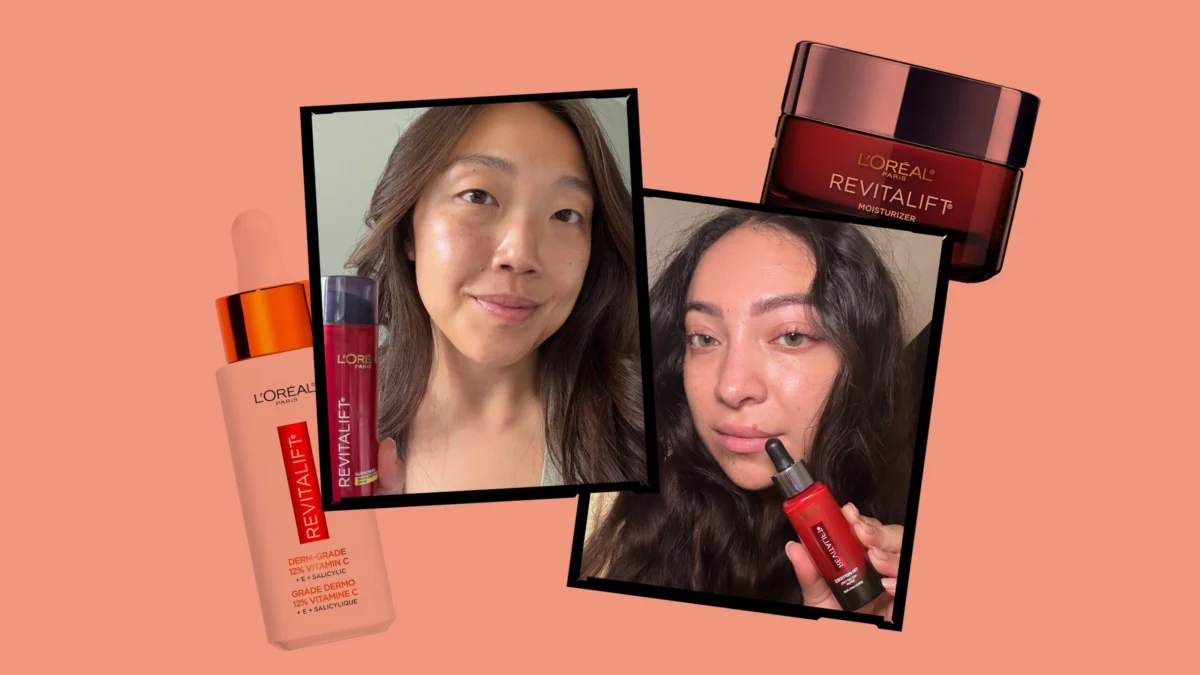
The evolution of the brand’s skincare lineup reflects broader industry trends, where consumers increasingly demand transparency and efficacy. By incorporating dermatological-standard actives into approachable, consumer-friendly formulations, L’Oréal has effectively democratized advanced skincare. To provide an objective evaluation of these products, five Allure editors conducted extensive long-term testing, focusing on performance, sensory experience, and visible outcomes.
The Science of the Revitalift Franchise
The success of the Revitalift line is rooted in its focus on the biology of aging. As skin matures, the natural production of collagen and elastin decreases, leading to fine lines, loss of firmness, and hyperpigmentation. L’Oréal’s formulation strategy centers on multi-functional products that address these concerns simultaneously.
The brand’s reliance on retinyl palmitate—a vitamin A derivative—and pure retinol highlights a dual approach to skin renewal. Retinoids remain the gold standard for accelerating cell turnover, a process that slows as individuals age. Furthermore, the inclusion of humectants like hyaluronic acid and barrier-strengthening agents like niacinamide demonstrates a sophisticated understanding of ingredient synergy, ensuring that potent actives do not compromise the integrity of the skin barrier.
Product Performance and Clinical Efficacy
The following selection represents the top seven products identified by the editorial team, categorized by their specific functional contributions to a modern skincare regimen.
Revitalift Triple Power Moisturizer
As a staple of the line, this moisturizer is designed for fine-line defense. It utilizes a blend of retinyl palmitate, sodium hyaluronate, and ascorbyl glucoside. While the brand does not disclose the specific concentration of the vitamin A derivative, clinical feedback suggests that the formula provides a gentle introduction to retinoid-based skincare. The addition of salicylic acid facilitates mild exfoliation, smoothing skin texture without the irritation often associated with more aggressive treatments.
Revitalift Triple Power Rich Night Moisturizer
Nighttime repair requires a different formulation philosophy. This product swaps traditional retinoids for a 10% exfoliating blend comprising glycolic acid, salicylic acid, and gluconolactone. The use of a polyhydroxy acid (PHA) like gluconolactone is particularly notable for its dual-action ability to exfoliate and hydrate. By incorporating shea and cupuaçu butters, the product provides an occlusive barrier that prevents transepidermal water loss while the active ingredients work overnight to improve skin density and tone.
Revitalift Triple Power 3% Peptides Serum
Peptides function as signaling molecules that can influence cellular behavior. The Revitalift 3% Peptides Serum employs a complex containing Matrixyl (palmitoyl tripeptide-1 and palmitoyl tetrapeptide-7), Argireline (acetyl hexapeptide-8), and carnosine. This specific combination is engineered to target structural integrity and expression lines. The addition of an antioxidant component, carnosine, serves as a preventative measure against environmental stressors, making this serum a comprehensive solution for mature skin maintenance.
Revitalift Derm Intensives 0.3% Pure Retinol Deep Wrinkle Serum
For users seeking more aggressive intervention, the 0.3% Pure Retinol serum represents an intermediate-level treatment. By utilizing pure retinol rather than a derivative, this serum offers higher potency. The formulation is bolstered by glycerin and hyaluronic acid to mitigate the potential dryness associated with pure vitamin A. The inclusion of these hydrating agents is a calculated effort to increase patient compliance, as the primary barrier to retinol adoption is often the discomfort experienced during the adjustment period.
Revitalift Triple Power SPF 30 Face Moisturizer
Integrating sun protection into anti-aging skincare is critical, given that ultraviolet radiation is the primary cause of premature skin aging. This moisturizer serves as a daytime solution, combining the brand’s core trio of hyaluronic acid, retinyl palmitate, and vitamin C with broad-spectrum chemical UV filters. The result is a multitasking product that simplifies morning routines while maintaining the efficacy of a dedicated anti-aging treatment.
Revitalift Vitamin C + E + Salicylic Acid Serum
Brightening remains a top consumer priority. This serum pairs L-ascorbic acid with vitamin E to improve stability and antioxidant protection. The integration of salicylic acid into this brightening serum is a strategic choice, as it helps clear pore-clogging debris, allowing the antioxidants to penetrate more effectively. This combination is particularly beneficial for users dealing with both post-inflammatory hyperpigmentation and mild congestion.
Revitalift Derm Intensives 1.5% Pure Hyaluronic Acid Serum
The 1.5% Hyaluronic Acid serum is perhaps the most iconic product in the current portfolio. Its efficacy is derived from a multi-molecular weight approach, where different sizes of hyaluronic acid molecules provide both immediate surface-level hydration and deeper, sustained moisture retention. The inclusion of HEPES (hydroxyethylpiperazine ethane sulfonic acid) adds an enzymatic-like exfoliation component, further enhancing the skin’s radiance.
Methodology: Rigorous Editorial Testing
The evaluation of these products followed a strict editorial protocol designed to ensure objectivity. Editors analyzed products across five primary categories: ingredient efficacy, packaging, fragrance, texture, and real-world wearability.
To maintain journalistic integrity, the testing process involved:
- Ingredient Vetting: Reviewing peer-reviewed literature on actives such as retinol and peptides to ensure claims align with current dermatological understanding.
- Diversity in Application: Ensuring products were tested by individuals across a spectrum of ages, skin tones, and skin types (e.g., oily vs. dry, sensitive vs. resilient).
- Multi-Step Assessment: Observing how these products interacted with other common skincare items, such as SPF and makeup, to ensure they fit seamlessly into existing routines.
Implications for the Skincare Market
The success of these products highlights a significant shift in consumer behavior. The modern consumer is increasingly educated, often performing their own research into ingredient concentrations and pH levels. L’Oréal’s ability to sustain the Revitalift franchise suggests that the brand is successfully responding to this sophistication.
By positioning these products as accessible yet highly technical, L’Oréal influences the standard of the mass-market category. Other brands are increasingly pressured to match this level of transparency and formulation complexity. Furthermore, the focus on preventative care—evidenced by the use of retinols and antioxidants in younger demographics—suggests a long-term growth strategy that captures consumers early in their skincare journey and retains them as their needs evolve.
Conclusion and Future Outlook
As the beauty industry continues to move toward "clinical-lite" formulations, L’Oréal Paris appears well-positioned to maintain its leadership. The Revitalift line serves as an example of how legacy brands can leverage historical resources to modernize their appeal. By focusing on ingredient-led innovation, clear labeling, and diverse product testing, the brand not only meets current consumer expectations but also establishes a benchmark for what can be expected from mass-market skincare. As research into peptide and retinoid technology advances, it is likely that future iterations of these products will continue to incorporate emerging dermatological insights, further solidifying the brand’s role in the global skincare conversation.