








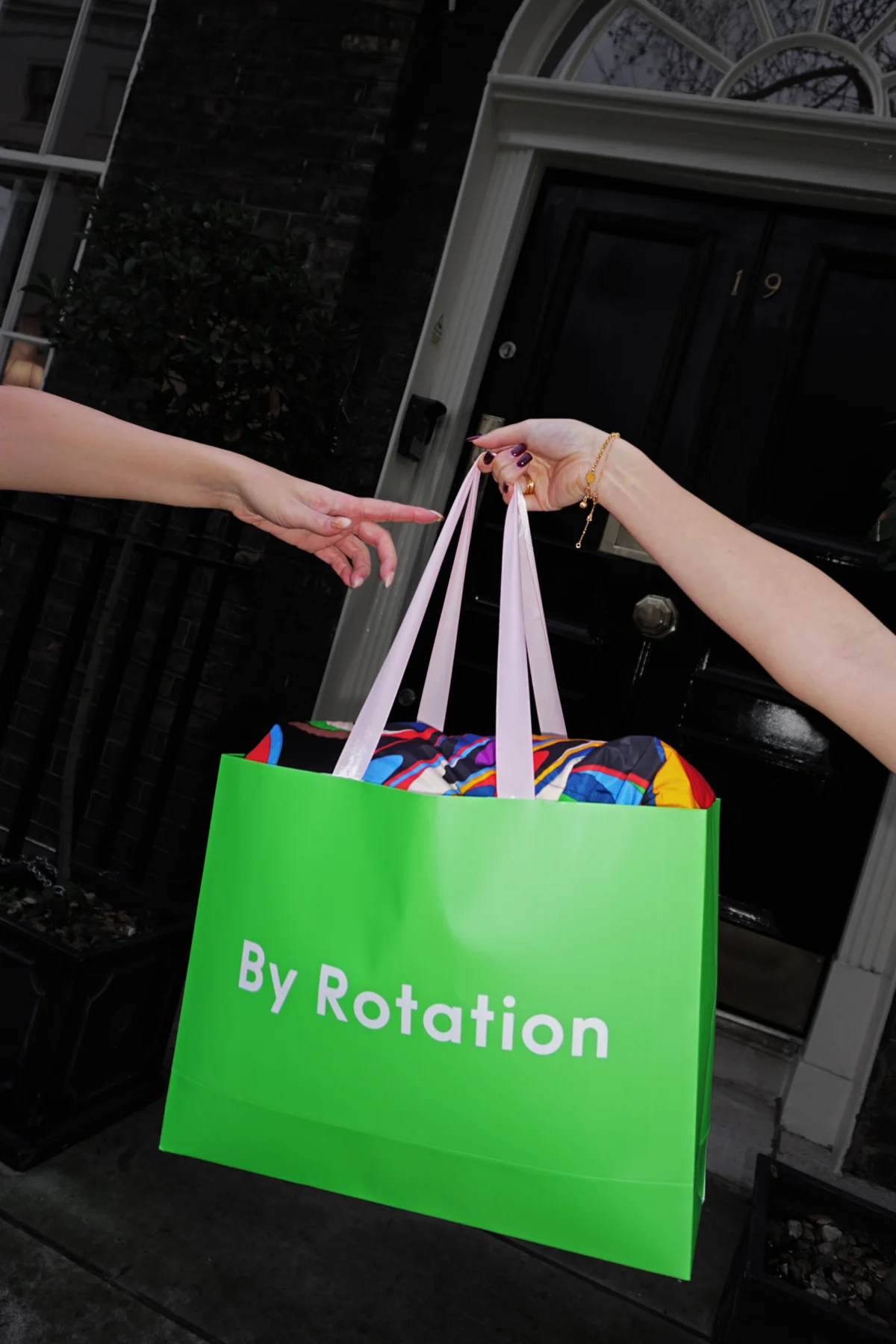
In a move designed to bridge the gap between sustainable fashion and the immediacy of modern e-commerce, the peer-to-peer fashion rental platform By Rotation has announced a strategic partnership with the global ride-sharing and delivery giant Uber. The collaboration, which is scheduled to run through May 31, introduces a high-speed logistics solution for fashion enthusiasts across the United Kingdom, allowing users to rent designer apparel and accessories from neighbors and have them delivered via Uber’s courier network in as little as 60 minutes.
The partnership specifically targets a growing consumer demand for "emergency" rentals, offering a 10% discount on orders facilitated through the Uber integration. While the service is available for the platform’s entire catalog of luxury items, it is being heavily marketed toward the winter sports sector. Internal data from By Rotation reveals that approximately 30% of users seeking ski and snowboarding gear require same-day fulfillment, a logistical challenge that traditional postal services often fail to meet. By leveraging Uber’s existing infrastructure, the two companies aim to eliminate the physical burden of transporting bulky, high-value technical gear while providing a sustainable alternative to the "panic buying" of fast-fashion alternatives.
The Evolution of the Sharing Economy: From Rides to Wardrobes
The collaboration between By Rotation and Uber represents a significant milestone in the maturation of the circular economy. Founded in 2019 by Eshita Kabra-Davies, By Rotation was established with the mission of democratizing luxury fashion and reducing the environmental footprint of the textile industry. Unlike traditional rental services that operate out of centralized warehouses—such as Rent the Runway—By Rotation utilizes a pure peer-to-peer model, effectively turning thousands of private closets into a distributed retail network.
Since its inception, the platform has grown to host over 1 million users, including high-profile figures such as singer-songwriter Ellie Goulding and various fashion influencers. The company currently manages a collective inventory valued at over $100 million. This partnership with Uber is not By Rotation’s first foray into creative cross-industry collaborations; the brand previously partnered with Airbnb to offer curated wedding guest outfits for destination ceremonies. However, the Uber partnership marks a shift toward solving the "last-mile" logistics problem that has historically hindered peer-to-peer sharing models.
Addressing the Logistics of "Sartorial Panic"
Eshita Kabra-Davies, CEO of By Rotation, describes the current consumer landscape as an "emergency economy." According to company analytics, one in four rental requests is made within 48 hours of a scheduled event. This high-pressure window often leads consumers to abandon sustainable choices in favor of high-street "fast fashion" retailers that offer immediate physical availability.
"Logistics was the final friction point," Kabra-Davies noted during the announcement. She explained that the moment of "sartorial panic"—when a consumer realizes they lack an appropriate outfit for a last-minute event—is the primary driver of unsustainable consumption. By integrating Uber Courier into the checkout process, By Rotation intends to offer the same level of convenience as a physical store or an ultra-fast fashion delivery service, but with the environmental benefits of a circular model.
The integration functions through a streamlined digital interface. When a user located within a serviceable neighborhood proceeds to the checkout page, a pop-up banner prompts them to select "Uber Courier." The 10% discount is automatically applied to the delivery fee, and the transaction triggers a courier request. This allows the lender to hand over the item to an Uber driver, who then transports it directly to the renter, bypassing the need for packaging, labels, or trips to the post office.
The Ski Fashion Surge and Market Context
The timing of the partnership is strategically aligned with the peak of the European ski season. Recent industry reports indicate a resurgence in winter sports participation; data suggests that the number of U.K. skiers increased by 7% last season. Parallel to this, "ski-core" and "après-ski" aesthetics have dominated social media platforms like TikTok and Instagram, transforming technical outerwear into high-status fashion symbols.
However, high-quality ski gear—such as Moncler jackets, Prada goggles, or specialized salopettes—carries a prohibitive price tag and occupies significant storage space. For the casual traveler who may only visit the slopes once a year, purchasing such items is both economically and environmentally inefficient. By Rotation’s data highlights that the "bulky" nature of this equipment makes it particularly difficult for users to exchange in person via public transport. The Uber partnership addresses this specific pain point, facilitating the rapid movement of heavy winter gear across urban centers like London and Manchester.
Sustainability and the Shift Toward "Slow Fashion"
The fashion industry remains one of the world’s most significant polluters, responsible for approximately 10% of global carbon emissions and 20% of global wastewater. The rise of "ultra-fast fashion" brands, which can move a design from concept to doorstep in less than two weeks, has exacerbated the issue of textile waste.
The circular economy, which emphasizes the reuse, repair, and sharing of existing goods, is increasingly seen as the primary solution to this crisis. By facilitating the rental of high-quality, durable garments, By Rotation extends the lifecycle of each piece. The partnership with Uber aims to prove that "slow fashion"—a movement focused on quality over quantity and ethical production—can compete with the speed of the fast-fashion giants.
"It gives our community the luxury of choice," Kabra-Davies stated. "They can now secure a high-quality, high-value piece over a disposable garment, simply because it can reach their door just as quickly."
Economic Empowerment and the Lender Experience
Beyond the environmental impact, the partnership enhances the earning potential for "lenders" on the platform. By Rotation has evolved into a significant source of supplemental income for many of its users. The company highlighted the story of one top lender who utilized her wardrobe earnings to fund her IVF journey, which eventually led to a successful surrogacy.
By simplifying the logistics of the lending process, the Uber partnership reduces the time commitment required from lenders. They no longer need to manage shipping logistics or coordinate complex meet-ups. This ease of use is expected to increase the volume of active listings on the platform, further diversifying the "world’s largest shared wardrobe."
Strategic Analysis: Uber’s Diversification Strategy
For Uber, this partnership is part of a broader strategy to diversify its revenue streams beyond traditional ride-hailing. The company has aggressively expanded its "Uber Direct" and "Uber Courier" services, positioning itself as a white-label delivery solution for retailers. By moving into the fashion rental space, Uber is tapping into a niche but rapidly growing market.
Market analysts suggest that the global clothing rental market is expected to grow at a compound annual growth rate (CAGR) of nearly 10% over the next decade. By positioning itself as the logistical backbone of this industry, Uber secures a foothold in the circular economy. The collaboration also serves as a proof-of-concept for how ride-sharing infrastructure can be repurposed to support sustainable urban living.
Future Outlook and Global Ambitions
The current pilot program in the U.K. serves as a testing ground for potential international expansion. By Rotation has already established a presence in New York City and is currently eyeing the United Arab Emirates (UAE) for its next phase of growth. Kabra-Davies has been vocal about her ambition to make the "rotating wardrobe" the default mode of consumption globally.
As the May 31 deadline approaches, the success of the Uber partnership will likely be measured by its ability to convert "panic buyers" into "emergency renters." If the 60-minute delivery model proves viable at scale, it could signal a permanent shift in how luxury goods are accessed in urban environments.
The partnership arrives at a time when consumer sentiment is shifting toward more conscious consumption, yet the demand for convenience remains at an all-time high. By merging the speed of Uber’s logistics with the sustainability of By Rotation’s peer-to-peer network, the two companies are attempting to solve one of the most persistent paradoxes in modern retail: how to provide instant gratification without the environmental cost.
Conclusion
The By Rotation and Uber partnership is more than a seasonal promotion; it is a tactical response to the evolving "emergency economy" and a significant step forward for the circular fashion movement. By addressing the logistics gap, the collaboration empowers consumers to make sustainable choices without sacrificing the speed they have come to expect from digital commerce. As the trial continues through the spring, the fashion and tech industries will be watching closely to see if on-demand delivery is indeed the "final friction point" that, once removed, will allow the sharing economy to finally overtake traditional retail.