








The landscape of recreational running has undergone a significant transformation, evolving from simple, spontaneous gatherings into meticulously curated social events. Strava meet-ups, characterized by post-run gatherings for coffee and an audience keenly observing participants’ attire, now define the modern running club. This shift necessitates a more considered approach to personal presentation, as unpreparedness is far more conspicuous than in previous iterations of the sport.
The Evolving Nature of Run Clubs
Historically, a run club was primarily a functional gathering for individuals seeking companionship and motivation during their athletic pursuits. The emphasis was squarely on the shared activity of running itself. However, the advent of social media platforms like Strava has amplified the social and visual aspects of these events. What was once a purely fitness-focused endeavor has now integrated elements of lifestyle and fashion. Participants are not only judged on their running performance but also on their sartorial choices, creating a new layer of social expectation. This evolution can be traced through the increasing visibility of running communities online, where shared aesthetics and brand affiliations play a significant role in group identity. The rise of athleisure wear as a mainstream fashion trend has further blurred the lines between athletic apparel and everyday wear, contributing to the heightened focus on what runners wear.

Understanding the Vibe: A Blend of Athleticism and Curation
Strava meet-ups occupy a unique space, bridging the gap between pure fitness culture and broader social engagement. These events are neither solely about rigorous training nor competitive racing; instead, they foster an atmosphere that is athletic yet deliberately curated. In this environment, attire serves as an immediate signifier of an individual’s understanding and integration within the group’s ethos.
Participants are observed from the moment they arrive, throughout the run, and especially during any subsequent social activities, such as a post-run coffee. This tripartite visibility requires an ensemble that is not only functional for the activity but also aesthetically appropriate for the surrounding social context. The guiding principle is to prioritize functionality, with aesthetics playing a crucial, albeit secondary, role. An individual clad in a worn-out race t-shirt from a decade ago and ill-fitting cotton shorts might be perceived as having put minimal thought into their appearance, suggesting an afterthought rather than intentional participation. Conversely, someone sporting a clean, well-coordinated kit signals a serious engagement with the activity and its associated culture, regardless of their actual running pace.
The Silent Statement of Attire
The clothing worn to a run club event communicates a message before any verbal interaction occurs. A well-loved race shirt can convey a sense of experience and dedication if its design is understated and classic. However, a faded t-shirt from a casual charity 5K event held many years prior sends a different signal, potentially indicating a lack of current engagement with the running scene or a misunderstanding of the event’s social nuances. The careful selection of running apparel, therefore, becomes a critical component of making a positive first impression within these evolving communities. This phenomenon is amplified by the visual nature of platforms like Instagram, where curated running photos are common, further emphasizing the importance of presentation.

The Essential Kit: A Comprehensive Approach
While overthinking individual pieces is unnecessary, each element of a runner’s attire plays a role in creating a cohesive and appropriate look.
Top: Technical Tees and Singlets
The ideal choice for a running top is a technical t-shirt or singlet made from lightweight, moisture-wicking fabric. Neutral or muted color palettes are generally preferred, contributing to a sophisticated and understated aesthetic. While prominent logos can be acceptable, they are most effective when they signify membership in a niche or discerning brand community rather than simply indicating a high expenditure. Brands like Satisfy Running, with their trail-adjacent aesthetic, or a clean, minimalist Adidas Running tee, often resonate well within these circles.
- Satisfy Running is known for its high-quality technical fabrics and minimalist, often dark, colorways, appealing to a demographic that values both performance and subtle luxury. Their designs often incorporate subtle branding that speaks to an informed consumer.
- Adidas Running offers a range of technical apparel that balances performance with classic sportswear design. Their tees and singlets often feature clean lines and understated branding, making them versatile choices for both running and casual wear.
Bottoms: The 5-7 Inch Running Short
Running shorts of a 5-to-7-inch inseam are the current standard. The inclusion of a built-in liner or compression shorts is largely a matter of personal preference. The key is to avoid shorts that are excessively long, baggy, or overtly resemble gym attire, such as basketball shorts, which can signal a lack of familiarity with running culture.

- Adidas Own The Run Shorts are designed with performance in mind, featuring lightweight materials and a comfortable fit suitable for various running distances. Their classic design ensures they remain a stylish and functional choice.
- Nike Dri-FIT Stride Shorts are a popular option, offering a balance of comfort, freedom of movement, and moisture-wicking technology. The integrated brief liner provides support, and the shorter inseam aligns with modern running aesthetics.
Footwear: Current and Well-Maintained Running Shoes
The choice of footwear is paramount. While high-performance, carbon-plated shoes can be a statement, they are not a prerequisite. The most important factor is that the shoes appear current and are well-maintained. Brands like Hoka, with models such as the Clifton or Bondi, convey a sense of serious commitment without being ostentatious. Other brands like On or Saucony also signal an informed choice among runners.
- Hoka Clifton and Bondi are renowned for their exceptional cushioning, making them ideal for long runs and recovery. Their distinctive designs have become synonymous with comfort and performance, appealing to runners who prioritize joint protection and a smooth ride.
- On Running shoes, particularly those from the Cloud series, feature their unique CloudTec® sole technology, offering a distinctive feel and a modern aesthetic. They are popular among urban runners and those who appreciate innovative design.
- Saucony offers a wide range of running shoes, from highly cushioned models for comfort to responsive shoes for speedwork. Their long-standing reputation in the running community makes them a trusted choice.
Accessories: The Finishing Touches
Accessories are often where a running outfit either comes together or falls apart.
- Socks: Crew-length socks are the prevailing trend. White or off-white options are generally preferred, and subtle logos are acceptable, but overly loud or garish designs should be avoided. A simple branded crew sock from Nike Running or a similar athletic brand is a safe and stylish choice.
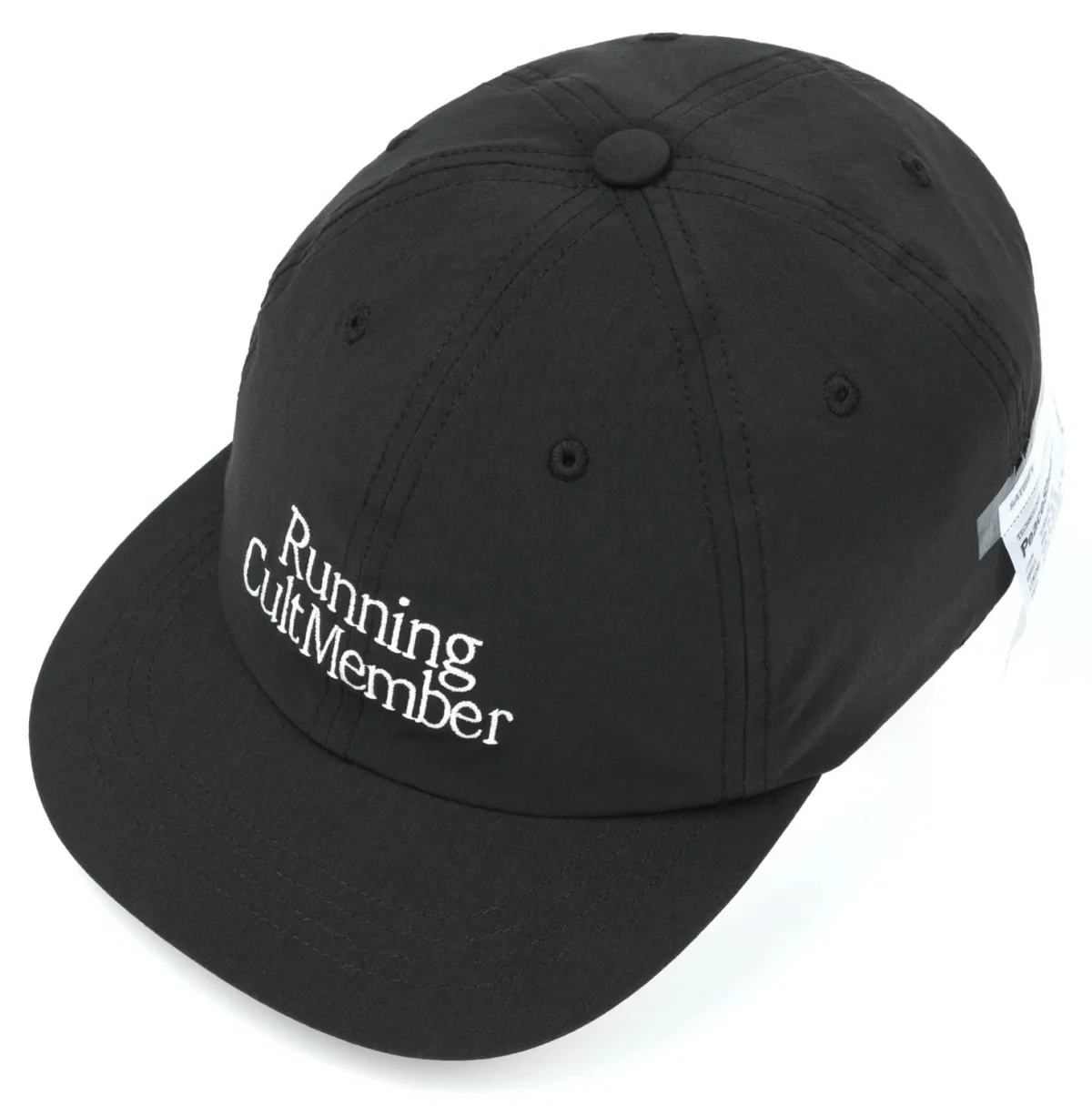
- Cap: A cap serves both functional and aesthetic purposes. A low-profile technical cap, such as Satisfy Running’s PeaceShell cap, effectively shields the eyes from the sun while signaling an understanding of running culture. Fashion-oriented caps, with their different brim shapes and fits, can appear out of place during an actual run.
- Layering Piece: A lightweight zip-up jacket, a shell, or an overshirt is a practical addition for pre- and post-run wear. It completes the look when standing around and provides essential warmth as the body cools down after exertion.
The Style Layer: Personalizing Your Kit
Color coordination is key to a refined running ensemble. Aim for a palette of two to three colors at most. Earth tones, monochrome schemes, or soft, complementary color combinations are highly effective. An individual wearing an overwhelming amount of neon might appear to be trying too hard, whereas someone in an all-black outfit with a single, carefully chosen accent color demonstrates a more sophisticated approach.

The Formula for a Credible Running Look:
- Top: An off-white technical tee from brands like Satisfy Running or Adidas Running offers a clean and understated base.
- Shorts: Black 5-inch lined shorts provide a classic and versatile foundation.
- Shoes: Clean Hoka Clifton or On Cloudmonster shoes maintain a modern and performance-oriented appearance.
- Socks: White crew socks, such as those from Nike Running, complete the look with a touch of athletic heritage.
- Extras: A Garmin or Coros watch signifies a serious approach to performance tracking. A cap is optional but can enhance the aesthetic. Performance sunglasses are advisable for sunny conditions.
A GPS watch from brands like Garmin, Coros, or even an Apple Watch, signals a dedication to performance metrics. Similarly, sunglasses should be performance-oriented, as oversized fashion sunglasses can detract from the athletic context.
Key Brands to Consider: Adidas Running, Satisfy Running, Hoka, Nike Running.
What Not to Wear: Avoiding Common Pitfalls
Understanding what to avoid is as crucial as knowing what to wear. This includes:

- Cotton T-shirts: They retain moisture, become heavy, and can cause chafing.
- Baggy or Overly Long Shorts: These can appear dated or inappropriate for a performance-oriented activity.
- Old, Faded Race T-shirts: Unless they possess a unique, vintage appeal and are in good condition, they can suggest a lack of current engagement.
- Fashion-Oriented Athleisure: While athleisure is popular, items designed purely for style rather than performance can look out of place in a running context.
- Excessive Branding: Overly branded items can appear less sophisticated and more like a walking advertisement.
The Tone Note: Striking the Right Balance
The goal is to project an image of competence and belonging, not to appear as a novice or someone solely focused on social media aesthetics. An outfit that looks too new or too posed can be as off-putting as one that appears neglected. The message should be one of informed participation and genuine enjoyment of the activity.
The Social Factor: Beyond the Finish Line
The social aspect of run clubs extends well beyond the completion of the run. Post-run coffee or socializing is an integral part of the experience. Bringing a light layer, such as a well-fitting hoodie, an overshirt, or a casual jacket, is an easy way to transition from activewear to a more relaxed social setting. This simple addition can significantly enhance the overall impression.
In many running communities, individuals connect through shared aesthetic preferences as much as through their running pace or ability. Dressing in a manner that aligns with the group’s visual culture demonstrates respect for and integration into the community.

Adapting to Weather Conditions
While the core principles of appropriate attire remain constant, adjustments must be made for varying weather conditions. In colder months, layering is essential, with moisture-wicking base layers, insulating mid-layers, and a windproof or water-resistant outer shell. In warmer weather, lightweight, breathable fabrics and sun protection are paramount.
Confidence: The Ultimate Variable
The most impactful accessory for any run club participant is confidence. Wearing an outfit that has been tested and proven comfortable during previous runs ensures a more relaxed and enjoyable experience. This comfort will be evident to others.
It is not necessary to invest in the most expensive gear. Thoughtful choices often trump high price tags. A well-assembled, mid-range kit from reputable brands like Hoka, Adidas Running, or Nike, which is clean, worn-in, and thoughtfully put together, will invariably make a better impression than a brand-new, high-end ensemble that appears to have been assembled solely for the occasion.

The ultimate objective is not to impress individuals with the extravagance of one’s gear but to present oneself as someone who understands the culture, is prepared for the activity, and is comfortable in their own skin. The aim is to fit in by being authentically part of the running community.
As the editorial team at FashionBeans aptly puts it, "Looking like you belong isn’t about copying others. It’s about understanding the culture and showing up prepared, comfortable, and self-aware." This sentiment encapsulates the nuanced approach required for navigating the modern run club scene, where both athletic performance and personal presentation contribute to a fulfilling and integrated experience.