









Clothes moths represent a formidable and often underestimated threat to textile collections, household furnishings, and even museum artifacts. These destructive insects, particularly their larval stage, consume keratin, a protein found in natural animal fibers like wool, cashmere, silk, fur, and feathers, leading to significant economic loss and emotional distress for affected individuals. A recent account details one homeowner’s battle against a widespread clothes moth infestation, highlighting the ineffectiveness of common home remedies and championing a sophisticated biological control method as the ultimate solution.
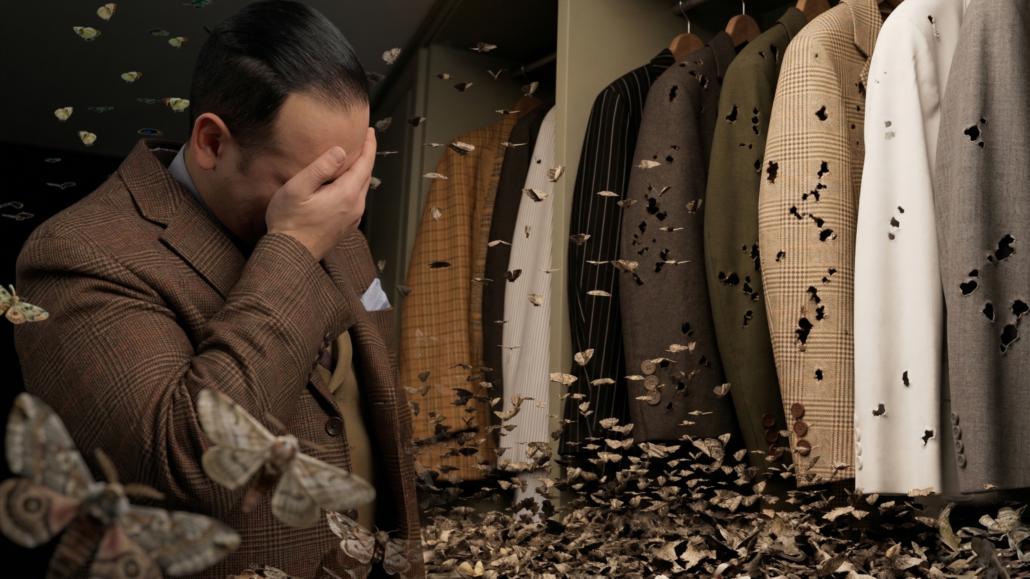
The insidious nature of clothes moth infestations often means the problem is well-established before it is even detected. Unlike their phototactic (light-attracted) cousins, clothes moths are lucifugous, actively shunning light and preferring dark, undisturbed environments. This characteristic means that by the time an adult moth is observed flying openly, it has likely completed its reproductive cycle, with thousands of eggs already laid in hidden crevices. The initial discovery for many homeowners begins innocuously: a small, white larva crawling on fabric, or a solitary moth fluttering in a dimly lit room. What often starts as a minor concern can quickly escalate into a full-blown infestation impacting an entire property.
Identifying the Early Warning Signs and Hidden Havens
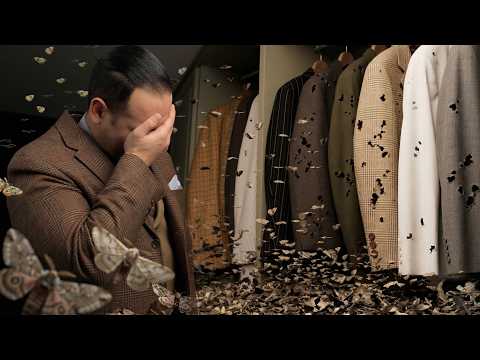
Prompt identification is crucial in mitigating damage. The primary indicators of a clothes moth infestation are typically found upon closer inspection of susceptible materials. These include:
- Tiny Holes: Irregular holes, particularly in wool or cashmere garments, are definitive signs of larval feeding.
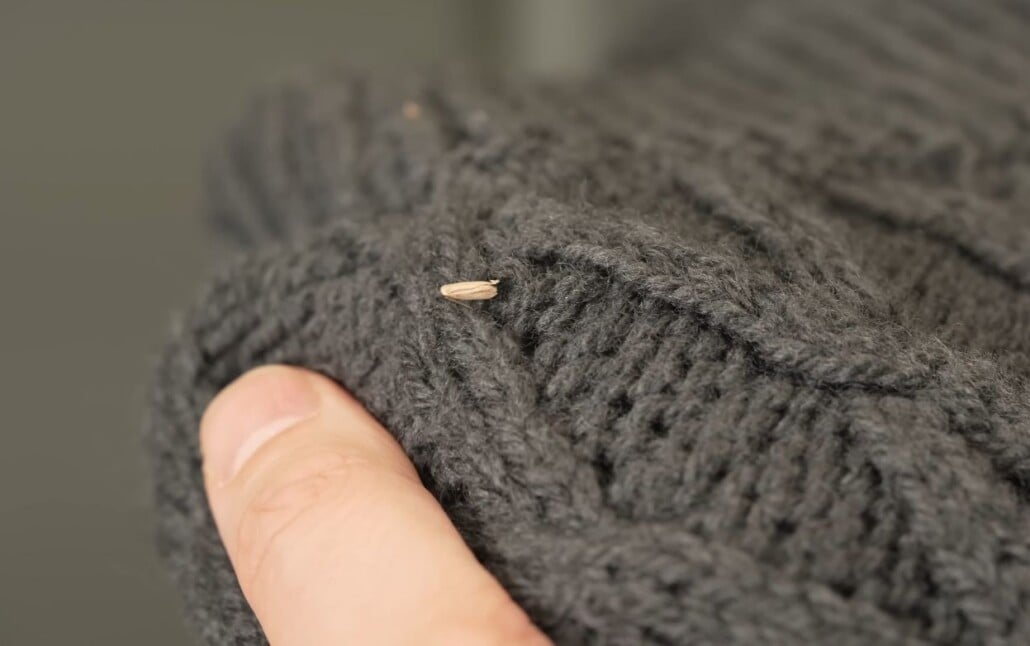
- Moth Eggs: Microscopic, rice-shaped white or off-white eggs often nestled in fabric fibers or dark corners.
- Larvae: Small, cream-colored caterpillars, sometimes encased in silken tubes (case-bearing moths) or leaving silken webbing (webbing moths).
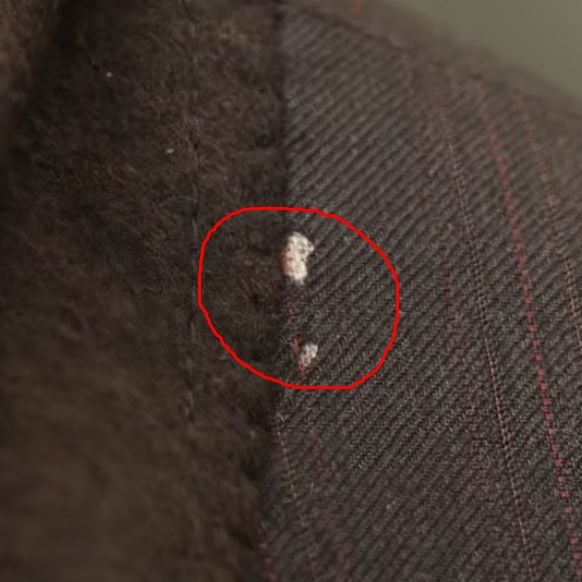
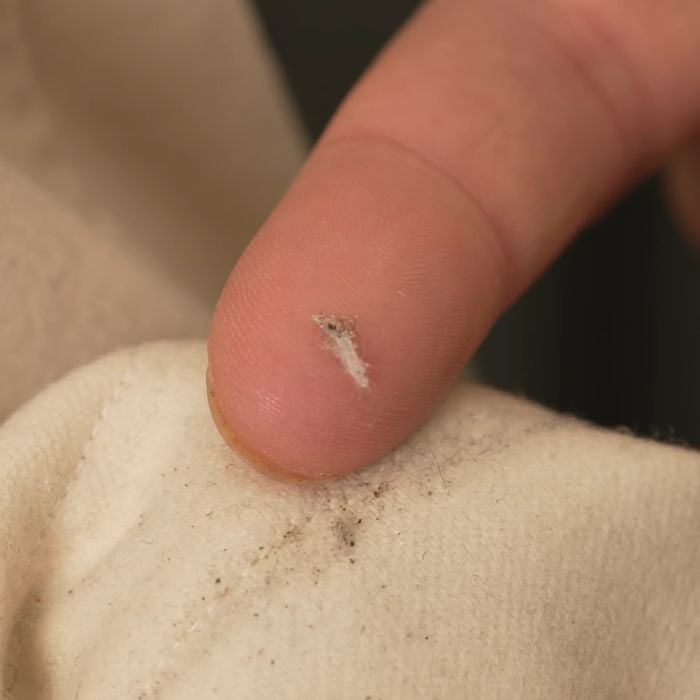
- Frass: Fine, powdery excrement resembling sand or dust, often found near feeding sites.
- Cocoons: Silken cocoons left behind after larvae pupate.
The destructive larvae do not limit their activities to clothing closets. They are opportunistic scavengers, seeking keratin wherever it is most accessible. Common, yet often overlooked, breeding grounds within a home include:
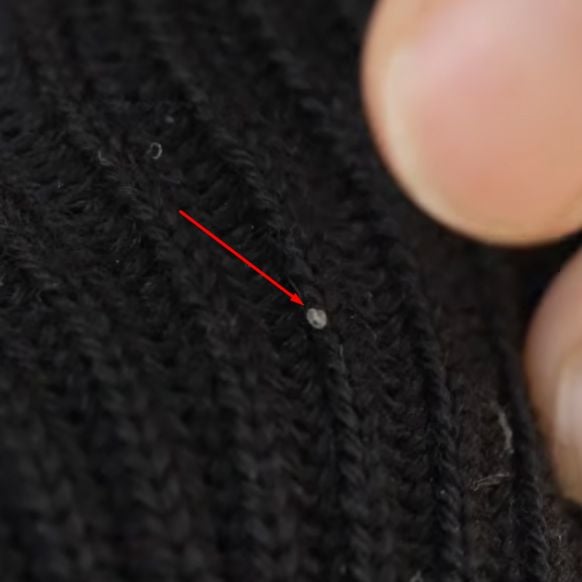
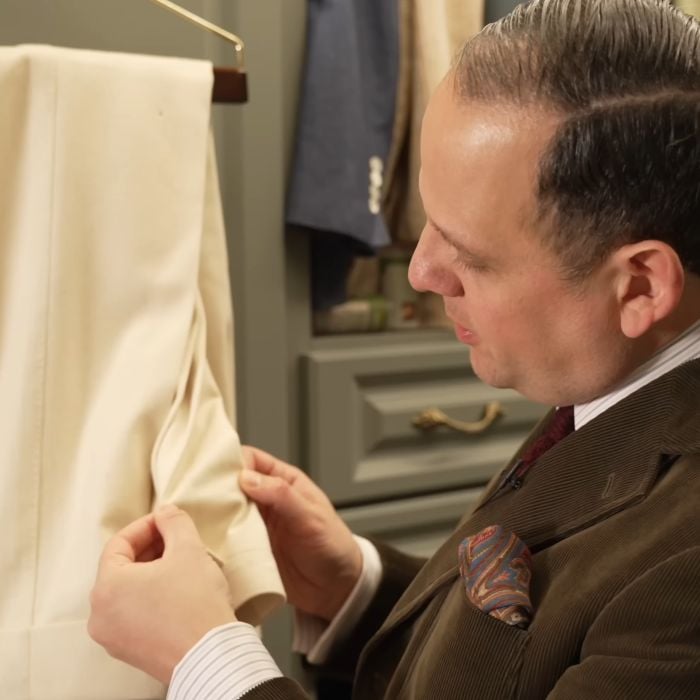
- Wardrobes and Dressers: Especially in the dark folds of infrequently used garments, pant cuffs, and suit jacket vents where dust and human skin cells accumulate.
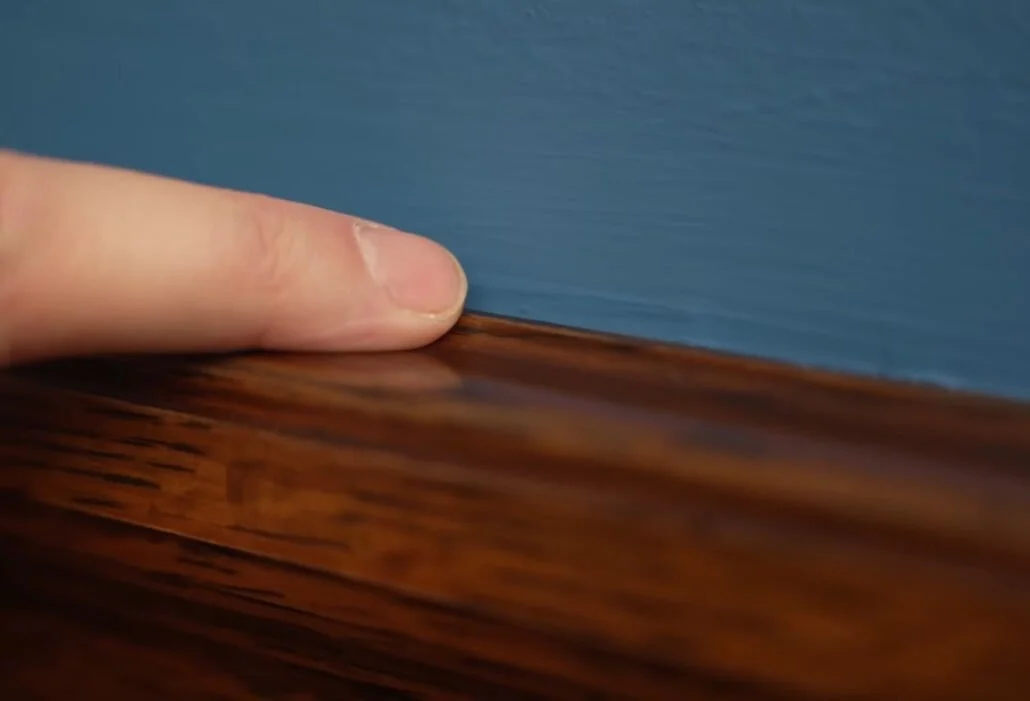
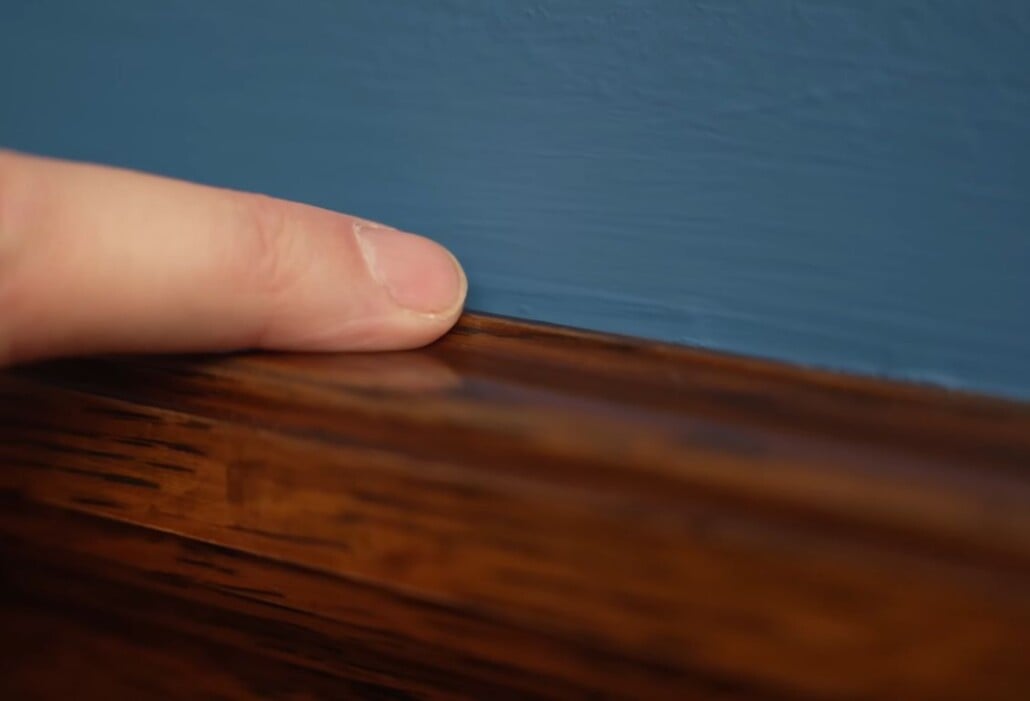
- Carpets and Rugs: Particularly under heavy furniture or along baseboard edges where debris settles.
- Upholstered Furniture: The underside of chairs, sofas, and other pieces containing wool or felt padding.
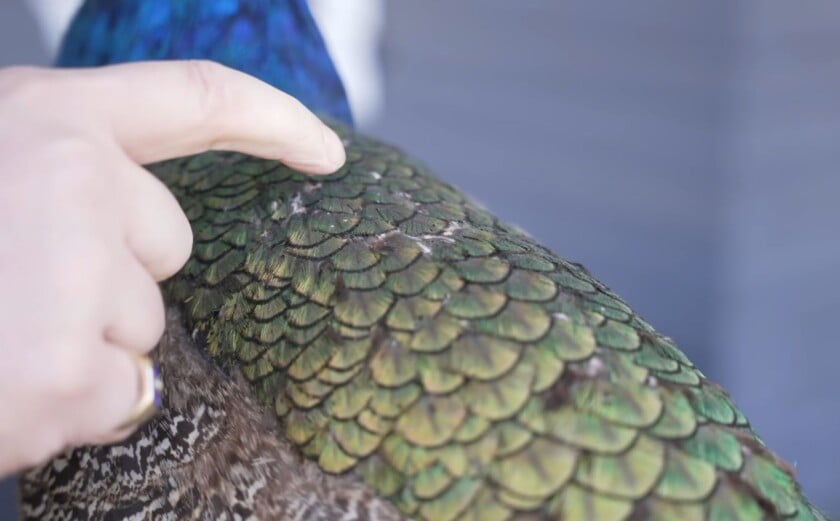
- Taxidermy: Animal mounts, rugs, or decorative items with fur or feathers.
- Pianos: The high-quality wool felt hammers within pianos are a prime target, with infestations potentially leading to repair bills exceeding $2,000.
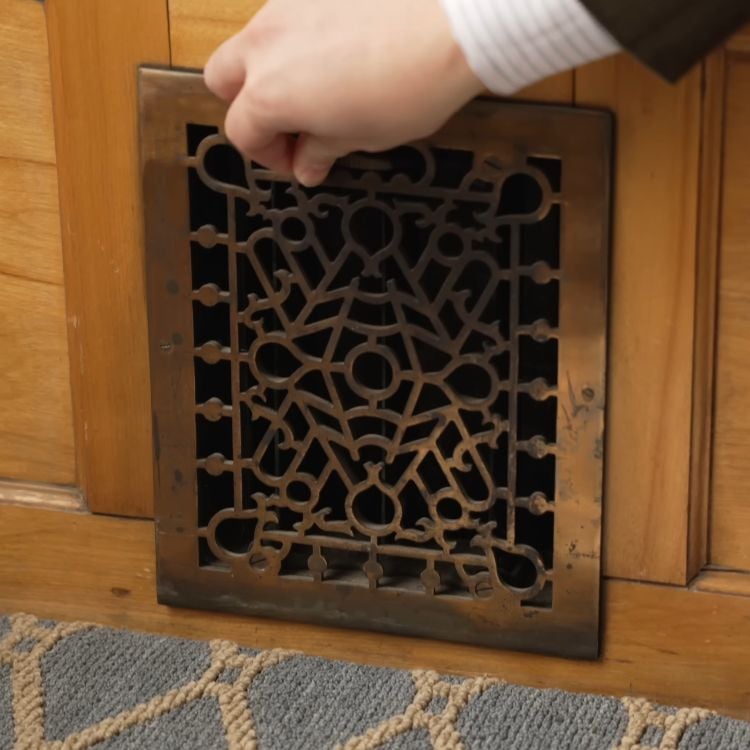
- HVAC Ductwork: Accumulated dust and debris within ducts can provide an ideal environment.
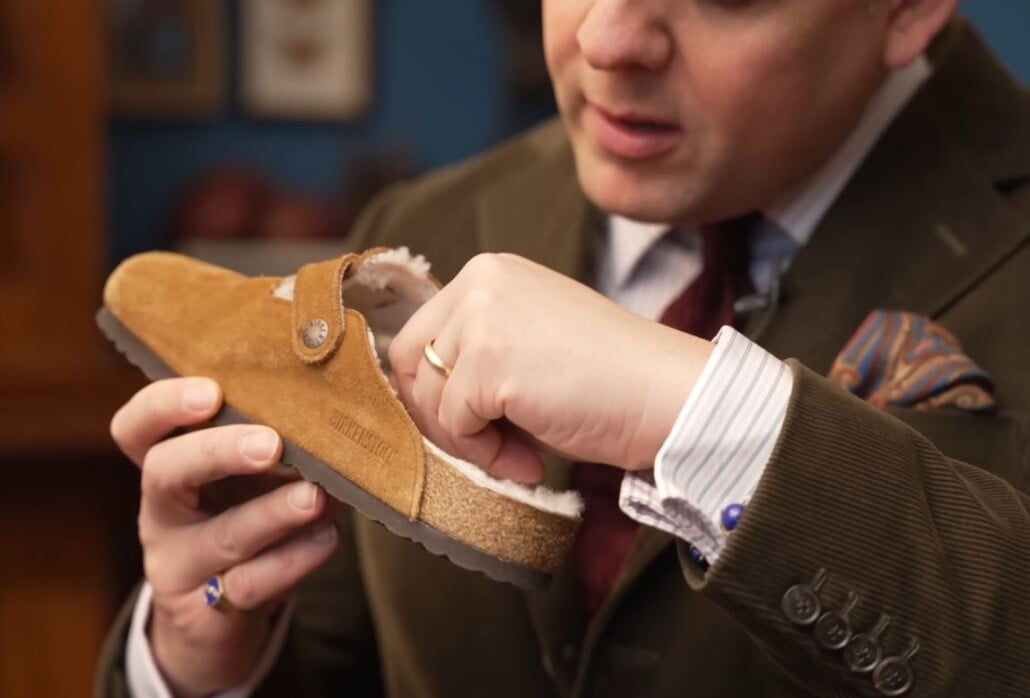
- Footwear: Shearling-lined slippers or felt hats.
- Wall Cavities: Undisturbed spaces within walls where animal fibers might exist.
The Limitations of Conventional Moth Control Methods
In the immediate aftermath of discovering an infestation, many homeowners turn to readily available "quick fixes" or traditional remedies, often with disappointing results. A recent case study illustrated the common pitfalls:
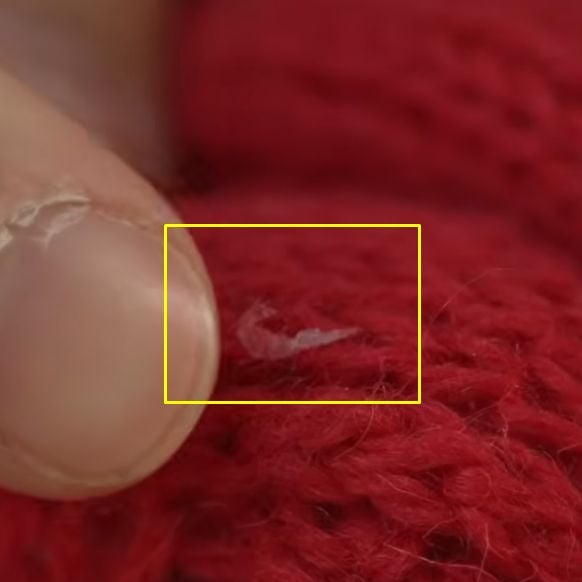
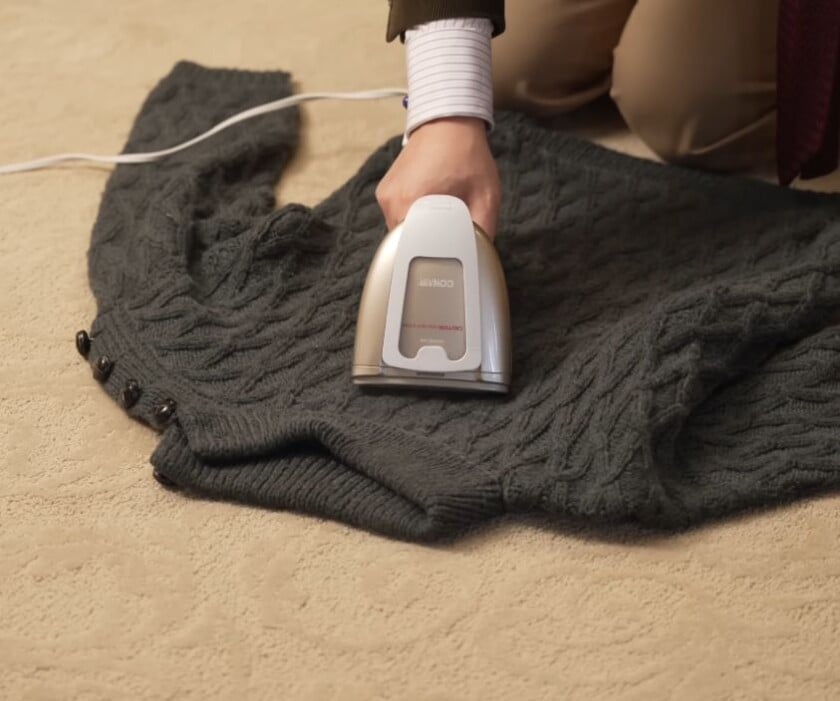
- Vodka Sprays and Garment Steamers: While alcohol can kill larvae on contact and high heat from steaming can be lethal, these methods are largely superficial. They demand immense time and effort to treat every single garment and cannot guarantee penetration into deep fabric layers or hidden crevices where eggs and larvae reside. This approach offers a temporary band-aid rather than a comprehensive solution.
- Cedar Blocks and Lavender Sachets: These aromatic deterrents are widely marketed as moth repellents. However, their efficacy against an active infestation is minimal. The strong smells may deter adult moths from some areas, but they do not kill existing eggs or larvae. In an open closet, the vapor concentration is rarely sufficient to be lethal, and moths will simply migrate to other untreated areas of the house, such as rugs or upholstery.
- Moth Traps (Pheromone Glue Traps): These sticky traps, often advertised as "moth killers," primarily target male adult moths using pheromones. While useful for identifying the presence of moths and mapping infestation hotspots, they fail to break the reproductive cycle. By the time a male moth is caught, it has likely already mated, and thousands of eggs have been laid. Adult moths, notably, do not feed; their sole purpose is reproduction, making traps a diagnostic tool, not an eradication strategy.
- The Freezing Method: Extreme cold can effectively kill moth eggs and larvae. Homeowners in colder climates sometimes utilize outdoor freezing or invest in dedicated chest freezers. While effective for individual garments, this method presents significant logistical challenges for a widespread household infestation. The limited capacity of most freezers and the requirement for prolonged freezing periods (typically a full week at 0°F / -18°C) mean that treating an entire wardrobe can take months, leaving other parts of the house vulnerable to ongoing breeding and re-infestation.
- Whole-House Heat Treatment: The concept of heating an entire house to lethal temperatures (above 130°F / 54°C) to "bake" moths, eggs, and larvae sounds appealing but is highly impractical and risky. Such extreme temperatures can cause severe structural damage to a home, leading to peeling wallpaper, warping wood, and other costly issues.
The Ultimate Solution: Biological Control with Parasitic Wasps
A truly effective and sustainable approach to clothes moth eradication involves breaking the life cycle at its most vulnerable point: the egg stage. This is where biological control, specifically using Trichogramma wasps, offers a revolutionary solution.
Trichogramma wasps are microscopic parasitoids, often no larger than a pinhead, and are completely harmless to humans, pets, and even other beneficial insects. Unlike aggressive yellow jackets, these wasps do not sting or build nests in homes. Their entire existence revolves around one biological imperative: finding the eggs of host insects, including clothes moths, and laying their own eggs inside them. This parasitic action effectively kills the moth larva before it can hatch and begin feeding on textiles.
How Trichogramma Wasps Work:

- Seeking Out Eggs: These tiny wasps possess an extraordinary ability to locate moth eggs, even those hidden deep within fabrics, in baseboard crevices, or other hard-to-reach areas.
- Parasitism: Upon finding a moth egg, the female Trichogramma wasp injects her own egg into it.
- Interrupted Development: The wasp larva develops inside the moth egg, consuming the moth embryo and preventing it from hatching.
- New Wasp Emergence: Instead of a destructive moth larva, a new adult Trichogramma wasp emerges, ready to continue the cycle of seeking out and parasitizing more moth eggs.
- Zero Cleanup: With short lifespans, the wasps naturally decompose into fine dust, easily removed during routine cleaning.
This method offers a targeted, chemical-free, and highly efficient way to eliminate infestations from the source, regardless of how widespread they are. Reputable suppliers, such as Arbico Organics, provide these wasps in paper strips or tabs, making deployment incredibly simple for homeowners. Each tab can contain thousands of wasp eggs, providing coverage for significant areas.
Implementing a Wasp-Based Eradication Program:
Successful implementation of biological control requires a strategic approach:
- Initial Deployment: Place wasp strips in all areas showing signs of moth activity, including closets, near rugs, upholstered furniture, and other potential breeding sites. For active infestations, a higher density of wasps and broader coverage are recommended.
- Consistent Reapplication: Moths have staggered incubation periods, meaning eggs hatch at different times. To ensure all generations of moth eggs are targeted, consistent reapplication of wasp strips is essential. This typically involves deploying new strips weekly, every 10 days, or bi-weekly for several weeks or months, depending on the severity of the infestation.
- Monitoring: Continue to use pheromone traps (for clothes moths, not pantry moths) as a monitoring tool to gauge the effectiveness of the treatment and identify any remaining hotspots. A significant reduction in trapped male moths indicates declining infestation levels.
Long-Term Prevention: Fortifying the Perimeter
While Trichogramma wasps are highly effective at clearing an existing infestation, sustained vigilance and preventative measures are crucial to prevent re-infestation. Moths can easily be reintroduced to a home through open windows, secondhand items, or even hitching a ride on clothing.
Key long-term prevention strategies include:
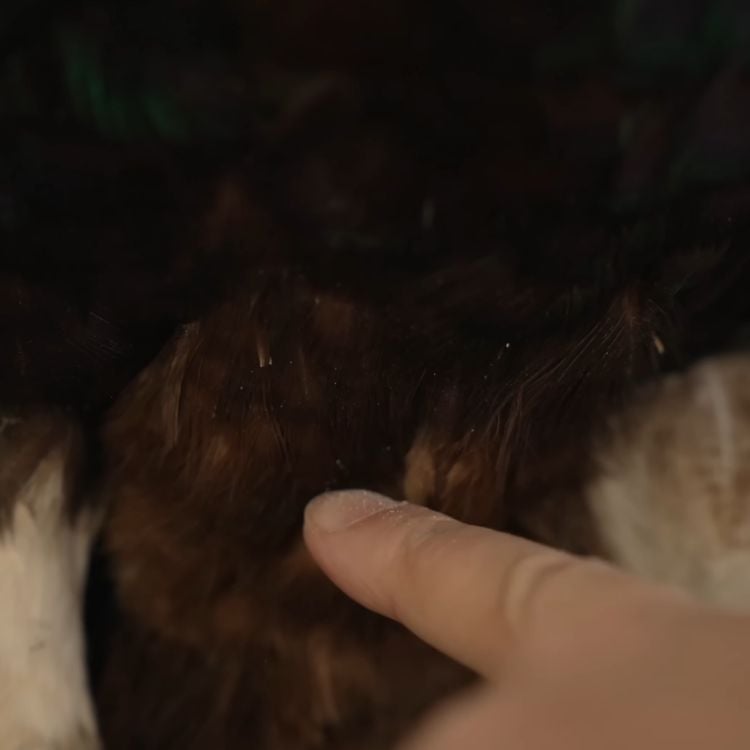
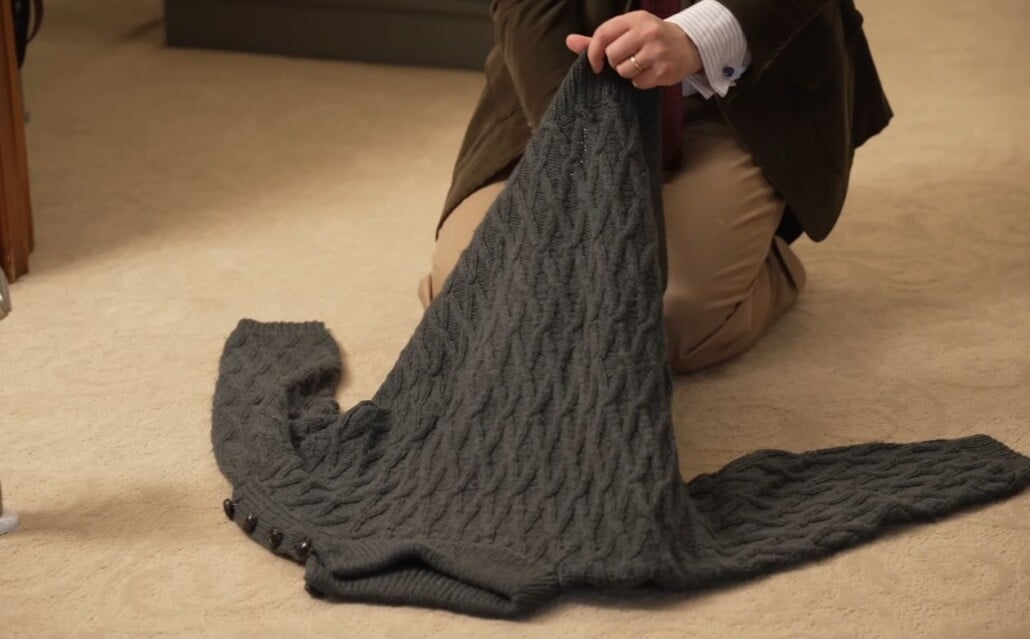
- Regular and Vigorous Brushing of Clothes: Moth eggs are fragile and loosely attached to fabric fibers. Brushing wool and cashmere garments after every wear, especially before returning them to the closet, physically dislodges and destroys any microscopic eggs that may have been deposited. A high-quality clothes brush is an indispensable tool for this purpose.
- Using Breathable Garment Bags for Seasonal Storage: Avoid storing valuable garments in the thin plastic bags from dry cleaners, which can trap moisture and degrade fabrics. Instead, invest in high-quality, breathable cotton garment bags. These create a physical barrier impenetrable to moths while allowing air circulation, protecting garments without risking damage.
- Consistent Housekeeping: Regular and thorough vacuuming of carpets, rugs, and baseboards, especially in dark, undisturbed areas, removes dust, lint, and organic debris that serve as both food sources and breeding grounds for moths. Empty vacuum canisters or bags outside the house immediately after use.
- Temperature and Humidity Control: Moths thrive in warm, humid conditions. Maintaining a cooler, drier indoor environment can make the home less hospitable to them.
- Inspecting New and Secondhand Items: Always inspect thrifted clothing, antique rugs, or other secondhand items for signs of moths before bringing them into the home. If necessary, treat them (e.g., freezing, professional dry cleaning) before integrating them into your collection.
- The "Subscription" Approach to Biological Control: For those with extensive collections of natural fibers or in areas prone to moth activity, a permanent, ongoing biological control program can offer unparalleled peace of mind. Regular, monthly deployment of Trichogramma wasps acts as a continuous defense, intercepting any new moth eggs before they can hatch and cause damage. This proactive approach, often costing less than a monthly streaming service subscription, is a small investment to protect a lifetime of curated garments.
Broader Implications and Expert Consensus
The shift towards biological control methods like Trichogramma wasps reflects a growing trend in integrated pest management (IPM), which prioritizes sustainable, environmentally friendly solutions over broad-spectrum chemical pesticides. Experts in entomology and textile conservation increasingly advocate for these methods due to their effectiveness, lack of toxicity, and minimal environmental impact. The adoption of such strategies not only protects valuable material culture but also promotes a healthier living environment.
Protecting a wardrobe built over years, encompassing bespoke suits, vintage tweeds, and luxurious cashmere, requires a comprehensive and scientifically informed strategy. Abandoning ineffective home remedies in favor of a biological solution like parasitic wasps, combined with diligent preventative maintenance, offers the most robust defense against the pervasive threat of clothes moths. This consistent, multi-pronged approach ensures that cherished investments remain pristine for generations to come.
Frequently Asked Questions

Where do clothes moths come from?
Clothes moths are attracted to dark, quiet areas rich in natural fibers, lint, dust, and organic debris. They commonly originate from within a property, often introduced via secondhand items or even flying in through open windows, and then seek out undisturbed zones like closets, drawers, storage boxes, rugs, upholstery, taxidermy, and other overlooked parts of the house.
What are the most common clothes moth species?
The two primary fabric-damaging species are the webbing clothes moth (Tineola bisselliella) and the case-bearing clothes moth (Tinea pellionella). Both are notorious for attacking natural fibers and causing characteristic damage to textiles.
What do clothes moth larvae actually eat?
It is exclusively the larvae, not the adult moths, that cause damage. They feed on keratin-rich animal fibers and related organic materials. This diet makes them destructive to wool, cashmere, felt, fur, feathers, and items like shearling-lined slippers or taxidermy. Accumulated dust and human debris can further enhance the attractiveness of these environments.
Do I need to wash all my clothes if I have moths?
Ideally, any garment containing animal fibers (wool, silk, cashmere) stored in an infested area should be treated. Clothes moth eggs and early-stage larvae are microscopic and often invisible until damage appears. Effective treatments include professional dry cleaning, laundering in water at least 120°F (49°C) for 20 to 30 minutes, or the freezing method (sub-zero temperatures for a sustained period). Vigorous physical brushing is also effective for items that cannot be washed or frozen.
Are mothballs safe or toxic?
Mothballs are registered pesticides and should be handled with extreme caution. Most contain naphthalene or paradichlorobenzene, chemicals that sublimate into toxic gas. For efficacy, they require airtight containers to achieve a lethal concentration. In standard closets, the vapors often dissipate, rendering them ineffective at killing moths and posing health risks to humans and pets. The strong, persistent odor is also notoriously difficult to remove from fabrics.
Do cedar blocks or cedar hangers really work?
Cedar may offer a mild deterrent effect in specific, enclosed conditions, but it is insufficient to control an established clothes moth infestation. Its odor does not kill existing eggs or larvae and, in an open environment, moths may simply relocate to other parts of the house. Cedar is best viewed as a supplemental preventative measure, not a primary solution.
Can freezing clothes kill moths?
Yes, freezing can kill clothes moth eggs and larvae on individual garments if done correctly (e.g., at 0°F / -18°C for at least a week). It is a useful method for specific valuable pieces. However, its limitation is scale; it only treats items placed in the freezer, making it impractical for a widespread household infestation where moths may be breeding elsewhere.
What is the best way to get rid of clothes moths permanently?
The most effective long-term solution involves a combination of thorough cleaning and garment treatment with a method that consistently destroys moth eggs at the source. Biological control using Trichogramma parasitic wasps, combined with diligent preventative measures like regular brushing, proper storage in breathable garment bags, and consistent housekeeping, offers the most comprehensive and sustainable eradication and prevention strategy.
Are clothes moths dangerous to humans or pets?
No. Clothes moths (Tineola bisselliella) do not bite, sting, or transmit diseases to humans or pets. They pose no direct health risk. Their danger is exclusively to property, specifically to items made of keratin-rich animal fibers, leading to financial and sentimental loss.
References
Mallis, A. (2011). Handbook of pest control: The behavior, life history, and control of household pests (10th ed.). Mallis Handbook Company.
O’Connor-Marer, P. J. (2006). Residential, Industrial, and Institutional Pest Control. University of California Agriculture and Natural Resources.
Potter, M. F. (2018). Clothes moths. University of Kentucky Entomology.
University of California Statewide IPM Program (UC IPM). (2021). Pest Notes: Clothes Moths. Publication 7435.