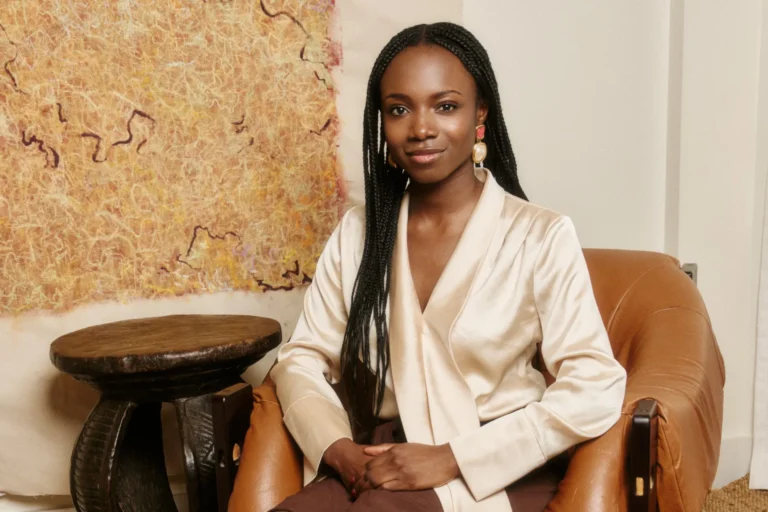




The intersection of high fashion and immersive technology has reached a pivotal milestone as VLGE, a pioneering gaming and immersive-world-building platform, announces a massive expansion of its digital ecosystem. Founded by entrepreneur Evelyn Mora in 2021, VLGE was born from a critical observation of the fashion industry’s structural inefficiencies. During the early stages of her career, Mora recognized a fundamental disconnect: while many designers were deeply committed to sustainability in their textiles and supply chains, the logistical demands of staging large-scale, international fashion shows remained inherently environmentally destructive. The carbon footprint of global travel, temporary set construction, and short-lived marketing campaigns presented a paradox for a sector attempting to modernize its ethics.
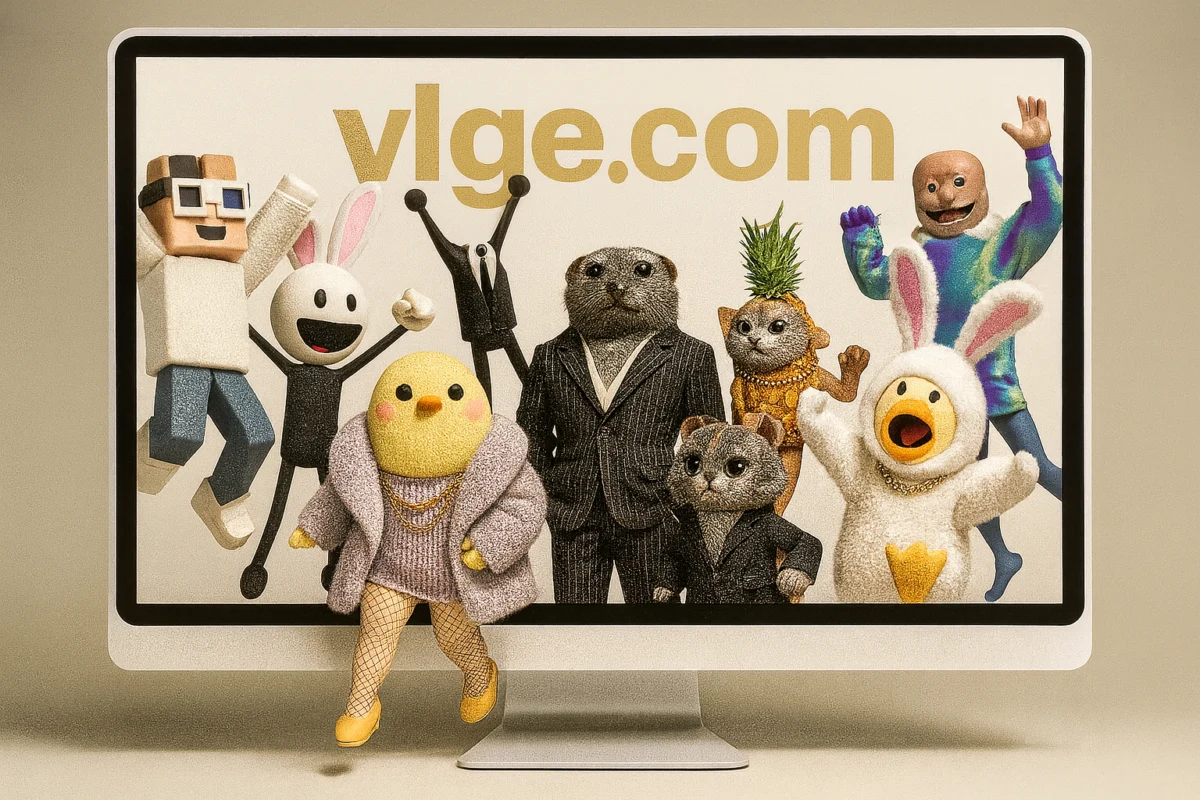
To address these challenges, Mora launched VLGE to provide brands with a sustainable, scalable alternative to traditional physical activations. The platform functions as a sophisticated toolkit that allows brands to construct their own immersive "worlds," populate them with interactive games and content, and seamlessly export these environments to major external platforms such as Roblox. On Thursday, the company revealed its most ambitious project to date: the launch of 50 shoppable brand worlds for World Fashion Week. This initiative, powered entirely by VLGE’s proprietary technology, serves as a digital bridge, enabling creators and legacy fashion houses alike to launch interactive retail experiences that cater to a global, digitally native audience.
The Evolution of VLGE and the Digital Fashion Landscape
The journey toward this large-scale activation began with Mora’s vision of "gamified commerce." Before the 2021 launch of VLGE, the digital fashion space was largely fragmented, consisting of one-off NFT drops or experimental, often clunky, virtual showrooms. VLGE sought to professionalize this space by offering a streamlined, enterprise-grade solution for brand storytelling. The platform’s utility was quickly recognized by industry heavyweights. To date, VLGE has collaborated with prestigious names including Lancôme, Charlotte Tilbury, and Vogue Scandinavia.
This growth has been fueled by a total of $5 million in capital, secured from a diverse and influential group of investors. Notable backers include Lammot J. du Pont of the legendary du Pont family, the L’Oréal Group—the world’s largest cosmetics company—and the British Fashion Council. The involvement of the British Fashion Council is particularly significant, signaling a shift in how traditional industry bodies view the future of fashion presentation and retail. These investments have allowed VLGE to refine its 3D rendering capabilities and expand its interoperability, moving beyond simple web-based browsers to integrate with more complex engines.
The platform first gained international attention for hosting the world’s first 3D and gamified fashion week. This event demonstrated that the prestige and excitement of a runway show could be translated into a digital format without losing the brand’s aesthetic identity. The current announcement of World Fashion Week represents the next phase of this evolution, moving from a singular event to a permanent infrastructure for digital commerce.
Breaking Technical Barriers in the Roblox Ecosystem
A primary focus for VLGE’s recent technological push has been the Roblox platform. With over 70 million daily active users, a significant portion of whom belong to Gen Z and Gen Alpha, Roblox has become the primary "digital third space" for the next generation of consumers. However, for many fashion brands, the barrier to entry has remained prohibitively high. Building a high-quality, functional world within Roblox typically requires specialized knowledge of Luau (Roblox’s coding language), extensive 3D modeling skills, and months of development time.
"This is significant because Roblox has become fashion’s most powerful youth frontier, yet until now, world-building there has been costly, technical, and complex," Mora stated in a recent briefing. She noted that traditional agencies often charge brands anywhere from $10,000 to $100,000 to develop a single world, a price point that excludes emerging designers and smaller enterprises.
VLGE’s solution is a "no-code" interface that allows brand managers and creators to build and launch on Roblox instantly. By removing the need for a substantive background in software engineering, VLGE democratizes access to the metaverse. The platform is also expanding its technical reach, maintaining compatibility with Unreal Engine—the powerhouse behind many AAA video games—and developing integration for Meta’s Horizon Worlds. This interoperability is a cornerstone of VLGE’s philosophy: a brand’s digital assets should not be siloed in one game but should be portable across the entire digital landscape.
The Economic Shift: From Marketing Spend to Revenue Generation
The 50 brands participating in the upcoming World Fashion Week activation are not merely looking for brand awareness; they are engaging in a new form of retail. The worlds powered by VLGE are "shoppable," meaning users can interact with digital garments and accessories and make purchases directly within the experience.

To facilitate this, VLGE is structured around a tiered subscription model, ensuring scalability for different types of users:
- Freemium: For independent creators and students exploring 3D design.
- Creator Tier: Tailored for professional digital artists and influencers.
- Small Business Tier: Designed for emerging fashion labels looking to establish a digital footprint.
- Enterprise Tier: A comprehensive solution for global luxury groups and multinational brands.
This model reflects a broader shift in how fashion brands allocate their budgets. Traditionally, a significant portion of a brand’s marketing spend was dedicated to static imagery—billboards, magazine ads, and social media posts. However, Gen Z consumers show a marked preference for interactive experiences over passive consumption. By shifting investment from a one-time physical show to a persistent digital world, brands can achieve a higher return on investment through continuous engagement and direct-to-avatar (D2A) sales.
The Rise of "Phygital" Commerce and the E-tail Future
Looking ahead, Mora is banking on the total convergence of physical and digital retail, a concept often referred to as "phygital" commerce. VLGE has announced plans to launch a specialized e-tail store that will serve as a dual-purpose marketplace. This store will sell physical items from emerging brands alongside 3D digital assets that can be exported and worn in environments like Roblox.
This strategy addresses a growing consumer trend where digital identity is considered as important as physical appearance. For many young consumers, their online avatar is a primary form of self-expression. By offering a physical garment paired with a digital twin, brands can offer more value to the consumer while opening new revenue streams that have zero marginal cost for reproduction once the initial 3D model is created.
The environmental implications of this shift remain a core component of VLGE’s mission. By digitizing the "sampling" phase of fashion—where multiple physical prototypes are usually made and shipped across the globe—and replacing physical events with digital ones, the industry can significantly reduce its waste and carbon emissions.
Industry Analysis and Future Implications
The move by 50 brands to adopt VLGE’s technology for World Fashion Week suggests that the "metaverse" concept is evolving from a speculative buzzword into a functional business tool. While the initial hype surrounding virtual reality and NFTs has stabilized, the underlying demand for immersive digital experiences continues to grow.
Industry analysts suggest that the success of platforms like VLGE will depend on their ability to maintain high aesthetic standards while ensuring technical stability. For luxury brands like those in the L’Oréal portfolio or those featured in Vogue, the visual fidelity of a digital asset is non-negotiable. VLGE’s ability to bridge the gap between high-end design and gaming performance is what sets it apart from more generic world-building tools.
Furthermore, the involvement of the British Fashion Council indicates a strategic move by national organizations to ensure their designers remain competitive in a digital-first global economy. As the barrier between gaming and social media continues to blur, the brands that establish a presence early in these immersive environments are likely to capture the loyalty of the next generation of high-spending consumers.
In the words of Evelyn Mora, "This moment isn’t just about fashion; it’s about the infrastructure that will power the next generation of commerce for the new generation." As World Fashion Week approaches, the eyes of both the tech and fashion industries will be on VLGE to see if this "no-code" revolution can truly transform the way the world shops. The transition from the runway to the server room is no longer a futuristic concept—it is the current reality of an industry in the midst of a profound digital transformation.