







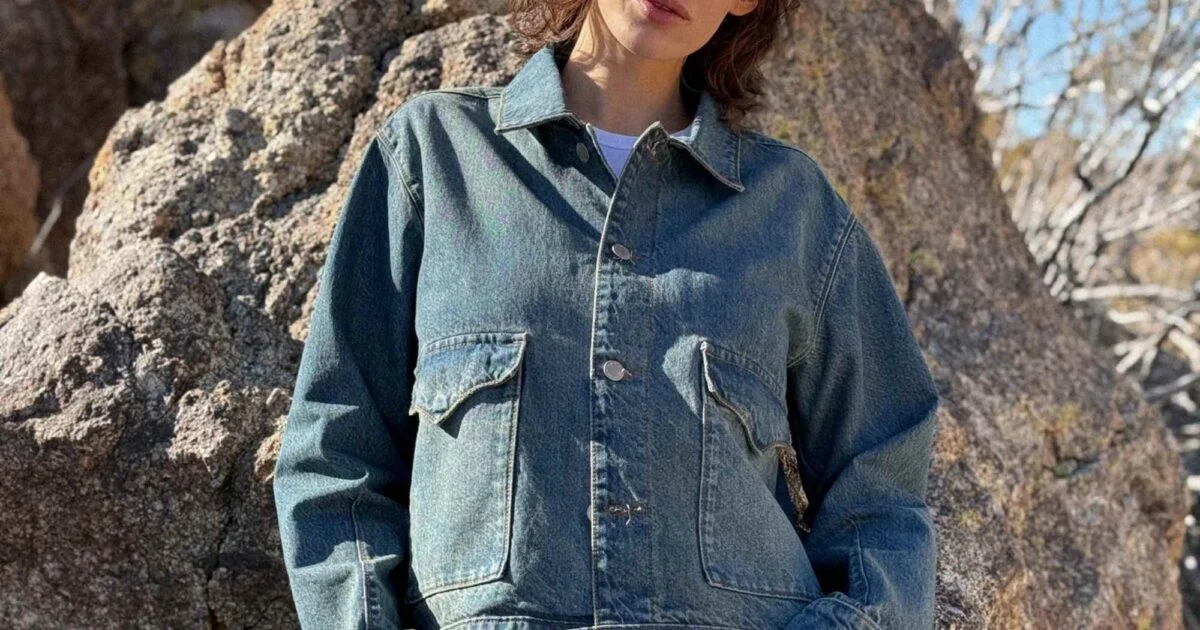
For generations, blue denim jeans have stood as an enduring symbol of American ingenuity, resilience, and style, from the gold rush prospectors to Hollywood icons and everyday citizens. The United States is not only the birthplace of the modern jean, famously refined and popularized by Levi Strauss & Co., but also home to some of the world’s most recognizable denim behemoths, including Gap, Lee, and Frame. Yet, beneath this iconic facade lies a growing concern: the environmental and social sustainability practices of these industry giants are increasingly under scrutiny, prompting a vital conversation about the future of this beloved garment. As consumers become more discerning and global environmental pressures mount, the demand for truly ethical and sustainable denim alternatives from within the U.S. market has never been more urgent. This article, last updated on June 11, 2026, delves into the critical need for sustainability in denim production and highlights American brands that are actively championing a more responsible approach.
The Enduring Legacy and Its Contemporary Challenges
The narrative of denim is inextricably linked with American history. Born from the necessity of durable workwear for miners and cowboys in the mid-19th century, Levi Strauss’s reinforced "waist overalls" quickly evolved into the ubiquitous blue jeans. This functional garment transcended its utilitarian origins to become a powerful cultural statement, embodying rebellion, freedom, and casual cool. By the mid-20th century, propelled by figures like James Dean and Marlon Brando, jeans cemented their status as a global fashion staple. Today, the global denim market is a multi-billion-dollar industry, with millions of pairs produced and sold annually.
However, the scale of this production comes at a significant environmental and social cost. The conventional denim manufacturing process is notorious for its resource intensity and pollution. From the cultivation of cotton, often a thirsty crop heavily reliant on pesticides, to the dyeing, washing, and finishing stages, each step carries a heavy footprint. This extensive impact forms the crux of why major American denim brands, despite their heritage and market dominance, frequently fall short in comprehensive sustainability assessments. Our rigorous ratings system, which evaluates brands based on their impact on people, the planet, and animals, indicates that many of these iconic brands, including Levi’s, Gap, Lee, and Frame, consistently receive ratings no higher than "It’s a Start." This middling score signifies that while they may have initiated some sustainability efforts, their disclosures and actions are often insufficient to be considered truly responsible or ethical across their vast and complex supply chains. This is particularly disappointing given their substantial financial resources and unparalleled capacity to drive systemic change within the industry.
The Environmental and Social Imperative for Sustainable Denim
The journey of a single pair of jeans from cotton field to consumer involves a cascade of environmental and social impacts that necessitate a radical shift towards sustainability.
Water Consumption and Pollution: One of the most significant environmental challenges in denim production is its exorbitant water footprint. Conventional cotton farming is notoriously water-intensive, and this is compounded during the manufacturing process. Indigo dyeing, the signature process that gives jeans their distinctive blue hue, historically consumed vast amounts of water. A single pair of jeans can require thousands of liters of water, from growing the cotton to the numerous washes needed to achieve various finishes and distressed looks. Furthermore, traditional indigo dyeing and subsequent washing stages often release highly contaminated wastewater, laden with toxic chemicals, heavy metals, and dyes, directly into local water systems if not properly treated. This untreated effluent devastates aquatic ecosystems, contaminates drinking water sources, and poses severe health risks to communities living near textile factories, particularly in regions with less stringent environmental regulations. The "thick indigo laden sludge" referred to by brands like Triarchy is a tangible byproduct of this polluting process, a stark reminder of the environmental toll.
Chemical Usage and Worker Health: Beyond water pollution, the array of chemicals used in denim production presents critical health hazards. Dyes, bleaching agents, softeners, and finishing chemicals can expose factory workers to dangerous substances, leading to respiratory problems, skin irritations, and other chronic illnesses. Sandblasting, a technique once widely used to create a worn look, caused silicosis, a debilitating lung disease, among workers and has been banned in many countries, though vigilance remains crucial. Ensuring safe working conditions and responsible chemical management, including the use of less harmful alternatives and closed-loop systems, is paramount for worker well-being and environmental protection.
Waste Generation and Recycling Challenges: The end-of-life stage for jeans also poses considerable hurdles. The fashion industry, as a whole, is a major contributor to landfill waste, and denim is no exception. While denim is celebrated for its durability, making it a good choice if kept in circulation, its composition often complicates textile recycling. Traditional jeans are typically constructed with multiple components: cotton fabric, metal rivets, zippers, polyester stitching, and buttons. These mixed materials, particularly the metal hardware, make mechanical recycling difficult and costly, as they must be carefully separated before the fabric can be reprocessed. This reality highlights the need for innovative design practices that prioritize recyclability from the outset, moving towards mono-material designs or easily detachable components.
Social Equity and Labor Rights: The environmental concerns are intertwined with critical social issues. The globalized supply chains of major denim brands often involve factories in countries where labor laws are weak or poorly enforced. This can lead to exploitative working conditions, including meager wages that fall far short of a living wage, excessive working hours, unsafe environments, and restrictions on unionization. The quest for cheap labor and rapid production often overshadows the fundamental human rights of garment workers. A truly sustainable denim industry must guarantee fair wages, safe workplaces, and respect for labor rights throughout its entire value chain.
The "It’s a Start" Paradox: Why Big Brands Lag
The collective "It’s a Start" rating for industry titans like Levi’s, Gap, Lee, and Frame underscores a critical paradox. These companies possess immense market power, global reach, and substantial financial resources, theoretically enabling them to implement transformative sustainability initiatives. However, the complexity of their vast supply chains, coupled with a historical focus on cost-efficiency and rapid production cycles, often impedes comprehensive change. An "It’s a Start" rating typically signifies that a brand has acknowledged its environmental and social responsibilities and perhaps taken initial steps, such as setting some emissions targets, using a percentage of sustainable materials, or joining industry initiatives.
However, it also implies significant gaps. These gaps often include insufficient transparency regarding their supply chain tiers (e.g., beyond direct manufacturers to raw material suppliers), a lack of clear, ambitious, and verifiable targets for reducing water and chemical use, or, most critically, failing to ensure that workers across their supply chain receive a living wage. While they may disclose some information, the depth and breadth of their commitments and verifiable actions often fall short of what is required for a truly ethical and sustainable operation. For instance, a brand might use organic cotton but still employ unsustainable dyeing processes, or it might reduce water in some facilities while overlooking worker exploitation in others. The sheer scale of these companies means that even incremental improvements can have a large impact, but consumers and advocacy groups are increasingly demanding holistic and fundamental changes, not just partial efforts.
The Rise of Conscious Denim: American Brands Leading the Way
In response to these challenges and growing consumer awareness, a new wave of American denim brands is emerging, prioritizing ethical production, environmental stewardship, and social responsibility. These brands demonstrate that style and sustainability are not mutually exclusive but can be harmoniously integrated. They are often characterized by transparent supply chains, innovative material choices, and a commitment to fair labor practices. Here, we spotlight a selection of U.S. denim brands that are actively working to redefine what it means to produce jeans responsibly:
Triarchy
Based in the United States, Triarchy has distinguished itself through its groundbreaking approach to water conservation in denim production. The brand proudly reports that its production system reuses an impressive 85% of its water, a stark contrast to conventional methods. This is achieved by consistently treating and recycling the "thick indigo laden sludge"—the heavily contaminated wastewater that unmonitored factories typically dump into pristine water systems. By implementing advanced filtration and recycling technologies, Triarchy significantly minimizes its freshwater consumption and prevents harmful pollutants from entering ecosystems. Beyond its innovative water practices, Triarchy crafts a full range of denim garments, including jeans, skirts, shorts, jumpsuits, and jackets, focusing on timeless designs that encourage longevity. The brand’s commitment extends to using organic and recycled cotton, further reducing its environmental footprint. Triarchy’s dedication to circularity and resource efficiency makes it a leader in sustainable denim, offering pieces primarily in US sizes 24-32.
Minimalist
Anchored in New York City, Minimalist embodies its name through a curated collection of women’s ready-to-wear pieces designed with timelessness and circularity in mind. Each garment is made locally in New York City factories, allowing the brand to maintain close oversight of its production processes and ensure ethical labor practices. Minimalist is committed to fair wages and safe working conditions, actively supporting the local economy and its skilled artisans. The brand’s mission to be part of the solution for a more sustainable fashion industry is evident in its material choices, utilizing certified lower-impact materials such as organic cotton and Tencel, a cellulosic fiber known for its closed-loop production process. Crucially, Minimalist designs its pieces to be recycled at their end of life, often employing mono-material construction where feasible or clearly outlining take-back programs to facilitate proper recycling. This holistic approach from design to disposal positions Minimalist as a frontrunner in truly sustainable fashion, with products available in sizes XS-L.
SLVRLAKE
Drawing profound inspiration from its hometown of Los Angeles and the diverse landscapes of California, SLVRLAKE crafts premium denim with a focus on enduring style and environmental consciousness. The brand is dedicated to creating timeless garments that are built to stand the test of time, promoting a philosophy of conscious consumption over fast fashion. SLVRLAKE achieves this through meticulous attention to quality, craftsmanship, and the selection of lower-impact materials. While specific material certifications might vary by collection, the brand emphasizes the use of high-quality cotton that is either organic or sourced from suppliers with responsible farming practices. Their manufacturing processes also prioritize reducing water and chemical usage, reflecting a broader commitment to minimizing their ecological footprint. By focusing on classic silhouettes and superior construction, SLVRLAKE encourages consumers to invest in pieces that will remain relevant and durable for years, thereby reducing the overall demand for new production. Most pieces are available in sizes 23-32.
Outerknown
Founded by legendary surf champion Kelly Slater, Outerknown is a pioneering brand that seamlessly blends style, function, and an unwavering commitment to the protection of natural resources. The brand’s philosophy is deeply rooted in sustainability, impacting every aspect of its operations from material sourcing to labor practices. Outerknown is a Bluesign certified brand, a rigorous standard that ensures products are made with environmentally responsible and safe materials, minimizing impact on people and the planet throughout the manufacturing process. Furthermore, its partnership with the Fair Labour Association (FLA) underscores its dedication to upholding fair labor standards, protecting worker rights, and ensuring safe and ethical working conditions across its supply chain. Outerknown actively incorporates sustainable materials such as organic cotton, recycled polyester, hemp, and regenerated nylon into its denim collections, reducing reliance on virgin resources and minimizing waste. This comprehensive approach to environmental and social responsibility makes Outerknown a beacon of ethical fashion, with its range available in sizes XS-2XL.
Dickies
A storied name in workwear, Dickies has recently begun to navigate the complex path towards greater sustainability, particularly within its robust denim offerings. The brand has made a public commitment to reduce greenhouse gas emissions, indicating an awareness of its environmental responsibility and a step towards mitigating climate impact. However, transparency reports indicate that Dickies is not yet taking adequate steps to ensure the payment of a living wage for its workers across its extensive supply chain. This highlights a critical area for improvement, as fair compensation is a cornerstone of ethical production. Despite this challenge, Dickies stands as a better option compared to many other major workwear brands, primarily due to its longstanding reputation for durability and quality. By designing garments that are inherently long-lasting and resilient, Dickies promotes extended product lifecycles, which inherently reduces consumption and waste. While there is room for growth, particularly in social metrics, its commitment to durability and initial steps in environmental impact reduction offer a more responsible choice for protective construction and other gear, available in inclusive sizes 2XS-6XL.
Toad&Co
Hailing from the U.S., Toad&Co is a brand built on the principles of social and environmental consciousness, offering a versatile range of women’s and menswear that seamlessly transitions from the rigors of the trail to the relaxed atmosphere of a tavern. The brand’s commitment to sustainability is woven into its operational fabric, from its choice of materials to its engagement with ethical manufacturing partners. Toad&Co prioritizes the use of sustainable fibers such as organic cotton, Tencel, and recycled content, significantly reducing its reliance on conventional, resource-intensive materials. Beyond materials, the brand actively works with factories that adhere to fair labor practices, ensuring safe working conditions and equitable treatment for garment workers. Toad&Co also embraces initiatives that promote circularity, offering repair services and encouraging customers to extend the life of their garments. Its dedication to producing high-quality, durable apparel with a minimal footprint reflects a deep-seated belief in responsible business practices, making it a reliable choice for the conscious consumer. Most items are available in sizes XS-2XL.
The Broader Implications and the Path Forward
The emergence of these ethical American denim brands signals a crucial shift in the fashion industry. Their innovative practices demonstrate that it is possible to produce iconic garments like jeans without compromising environmental integrity or worker welfare. This movement is not just about individual brands; it represents a broader transformation driven by increasing consumer demand for transparency, accountability, and genuine sustainability.
The implications extend across the entire supply chain. As smaller, agile brands prove the viability of sustainable methods, they exert pressure on larger corporations to accelerate their own transitions. This competitive landscape fosters innovation in areas such as waterless dyeing techniques, laser finishing to reduce chemical use, and the development of novel, regenerative fibers that have a lower environmental impact than conventional cotton. Furthermore, advancements in textile recycling technologies are gradually making it more feasible to break down complex denim garments into reusable fibers, moving closer to a truly circular economy where waste is minimized.
Governmental policies and international regulations also play a pivotal role. Increasingly, regions are implementing legislation aimed at Extended Producer Responsibility (EPR), holding brands accountable for the entire lifecycle of their products, including end-of-life management. This legislative push, coupled with growing consumer awareness campaigns and the diligent work of independent rating organizations, creates a powerful ecosystem for change.
Ultimately, the future of American denim hinges on a collective commitment: brands must prioritize genuine sustainability over mere compliance, investing in transparent supply chains, innovative eco-friendly technologies, and equitable labor practices. Consumers, in turn, hold significant power through their purchasing decisions, opting for brands that align with their values and embracing practices like repairing, reusing, and reselling to extend garment lifespans. By fostering this symbiotic relationship between conscious producers and informed consumers, the iconic American blue jean can evolve to embody not just style and resilience, but also a profound commitment to a sustainable and ethical future.