









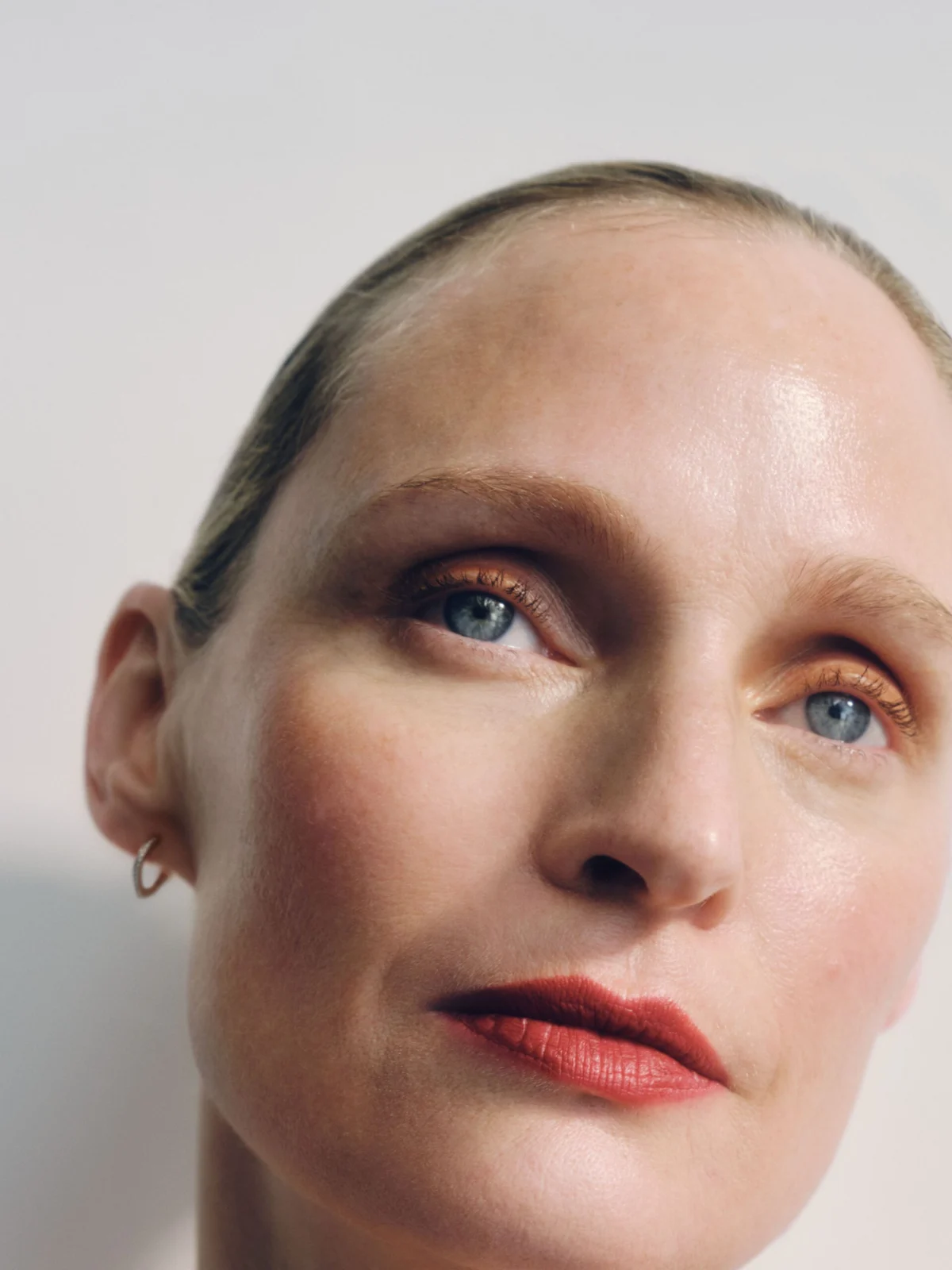
As the skin matures, it undergoes a series of natural transformations, including a decrease in collagen production and a reduction in essential lipids like ceramides and fatty acids. This can lead to increased dryness, a less resilient moisture barrier, and the emergence of fine lines and enlarged pores. These changes present unique challenges when selecting and applying foundation, as heavy or matte formulas can settle into texture, appearing mask-like and unflattering. Understanding these physiological shifts is the first step in achieving a radiant, smooth complexion.
Understanding the Evolving Needs of Mature Skin
The aging process is characterized by a gradual decline in the skin’s ability to maintain hydration and elasticity. Dermatologists explain that the reduction in collagen, the protein responsible for skin’s firmness and structure, begins in earnest in one’s late twenties and continues throughout life. Simultaneously, the skin’s natural production of lipids, crucial for a healthy moisture barrier, diminishes. This dual effect results in skin that is more prone to dehydration, making it appear duller and accentuating any existing texture.
"Fine or not-so-fine lines and larger pores can make foundation look mask-like at best and incredibly unflattering at worst," explains Fiona Stiles, a Los Angeles-based makeup artist. This sentiment is echoed by Tony Tulve, a New York City-based makeup artist, who emphasizes the importance of choosing foundations that work with, rather than against, these natural skin changes. "Liquid foundations are ideal because they act more like a second skin," Tulve advises. The key, according to industry experts, lies in selecting buildable-coverage formulas enriched with skin-plumping and fine-line-minimizing ingredients, such as hyaluronic acid and squalane, to create a flawless, crease-free base.
Prepping the Canvas: Essential Steps Before Foundation Application
Achieving a smooth foundation application on mature skin hinges on meticulous preparation. The overarching principle is hydration. "Moisture is key, so always make sure you start with a moisturizer that’s hydrating but won’t turn greasy and interrupt your foundation texture," advises makeup artist and founder of Westman Atelier, Gucci Westman. She stresses the importance of moisturizing the entire face, with particular attention paid to the delicate eye area, which often shows the earliest signs of aging.
For an added boost of hydration and to create a surface that allows foundation to grip naturally, makeup artists like Crystal Gossman recommend layering hydrating serums and essence toners. This regimen can impart a "juicy, plump feel" to the skin, effectively eliminating the need for a primer in many cases. This approach ensures the skin is supple and well-hydrated, providing an optimal base for makeup.
However, for extended wear or special occasions, a primer can offer significant benefits. Makeup artist Allan Barose, who has worked with numerous celebrities, suggests opting for blurring primers over mattifying formulas. He also highlights the efficacy of balm-like formulations, such as Danessa Myricks’ Yummy Skin Moisture Repair Balm Serum, which contains hyaluronic acid and squalane. These products not only condition the skin but also help to lock makeup in place. Barose notes that primers don’t need to be applied all over the face; strategic application on areas where blurring is desired, such as fine lines or uneven texture, can be highly effective.
The Art of Application: Techniques for a Seamless Finish
The philosophy of "less is more" is paramount when applying foundation to mature skin. Denser, full-coverage formulas can inadvertently emphasize fine lines and texture. Instead, makeup artists advocate for buildable formulas that allow for controlled layering to achieve the desired finish, creating a natural, second-skin effect.
"I apply foundation on the larger areas of the face first, like the cheeks and forehead, then I go in and tweak around the nose and the chin area," explains veteran makeup artist Sandy Linter. "Lastly, I’ll apply concealer, plus a touch of foundation under the eye area." This methodical approach ensures that coverage is concentrated where it’s most needed, while allowing the skin’s natural radiance to show through in other areas.
When it comes to tools, a shift from fingers to specialized applicators can make a significant difference. "Using your fingers can look blotchy, uneven, or gloppy, which can make your lines come out more," notes Barose. He recommends using a makeup sponge or a foundation brush to ensure even coverage. For brushes, Barose advises buffing the foundation into the skin using circular motions. "This will help the foundation spread smoothly, even over hard-to-reach areas with lines and wrinkles," he explains. A final buff with a damp sponge can further refine the finish, ensuring a smooth, blotch-free canvas.
Expert Insights and Product Selection Criteria
The selection of foundation for mature skin requires careful consideration of its formulation and ingredients. Experts consistently advise against formulas that are overly mattifying or heavy, as these can exacerbate the appearance of dryness and lines. Instead, the focus should be on hydrating, luminous, and flexible formulations.
Key Ingredients to Look For:
- Hyaluronic Acid: A humectant that draws moisture to the skin, plumping and hydrating.
- Squalane: A lipid that mimics the skin’s natural sebum, providing deep hydration and improving elasticity.
- Glycerin: Another effective humectant that helps to retain moisture.
- Peptides: Can support collagen production, improving skin firmness and reducing the appearance of wrinkles.
- Ceramides: Lipids that are essential for a healthy skin barrier, helping to prevent moisture loss.
Formulations to Consider:
- Liquid Foundations: Offer a lightweight feel and blend seamlessly, often providing a dewy or satin finish.
- Serum Foundations: Lightweight and often infused with skincare benefits, these provide sheer to medium coverage and a radiant finish.
- Tinted Moisturizers/CC Creams: Offer lighter coverage and significant hydration, ideal for those seeking a more natural look.
Conversely, foundations with high alcohol content or those that claim to be "long-wearing" through heavy mattifying agents should generally be avoided, as they can contribute to dryness and settle into lines.
Rigorous Testing and Review Process for Mature Skin Foundations
To identify the most effective foundations for mature skin, a comprehensive testing and review methodology is employed, prioritizing the unique needs and concerns of this demographic. This process involves a multi-faceted approach that goes beyond surface-level evaluation.
Key Evaluation Factors:
- Ingredient Analysis: A thorough review of the ingredient list is conducted to identify beneficial components for mature skin, such as hydrating agents, antioxidants, and skin-soothing extracts. Conversely, ingredients that could be drying or irritating are noted.
- Shade Range Inclusivity: The availability of a wide spectrum of shades, encompassing diverse undertones, is crucial to ensure that consumers of all skin tones can find a suitable match.
- Performance and Wear: Products are tested for their ability to provide buildable coverage without settling into fine lines or pores. Longevity throughout the day, including resistance to creasing and fading, is also assessed. The finish – whether it be luminous, satin, or matte – is evaluated for its suitability for mature skin.
- Skin Compatibility: Assessments consider how the foundation interacts with different skin types, including dry, oily, and sensitive skin. Products are evaluated for their potential to cause breakouts or irritation.
- Packaging and Sustainability: The design and functionality of the packaging are reviewed, with a preference for user-friendly and hygienic options. The brand’s commitment to sustainable packaging practices is also taken into consideration.
- Expert and Consumer Feedback: The testing process heavily relies on the input of experienced makeup artists who have a deep understanding of mature skin. This is supplemented by feedback from a diverse panel of testers, with a particular emphasis on individuals over 40, to capture a broad range of experiences and preferences.
This rigorous approach ensures that recommendations are based on empirical evidence and real-world performance, providing consumers with reliable guidance for selecting foundations that enhance their natural beauty.
The Broader Impact: Empowering Confidence Through Informed Choices
The discourse surrounding foundation for mature skin is more than just a discussion about makeup; it represents a shift towards inclusivity and a recognition of the diverse beauty needs of aging individuals. By providing clear, expert-backed advice and demystifying the complexities of product selection and application, this information empowers consumers to make informed choices that enhance their confidence and well-being.
The emphasis on hydrating formulas, skin-loving ingredients, and mindful application techniques signifies a move away from outdated beauty standards that often neglect or stigmatize mature skin. This evolving landscape in the beauty industry reflects a growing understanding that beauty knows no age and that every individual deserves to feel radiant and self-assured. The continuous development of innovative products tailored to the specific requirements of mature skin further underscores this commitment to inclusivity. As research into skin aging progresses and cosmetic science advances, consumers can anticipate even more sophisticated and effective solutions that celebrate the beauty of every stage of life.