





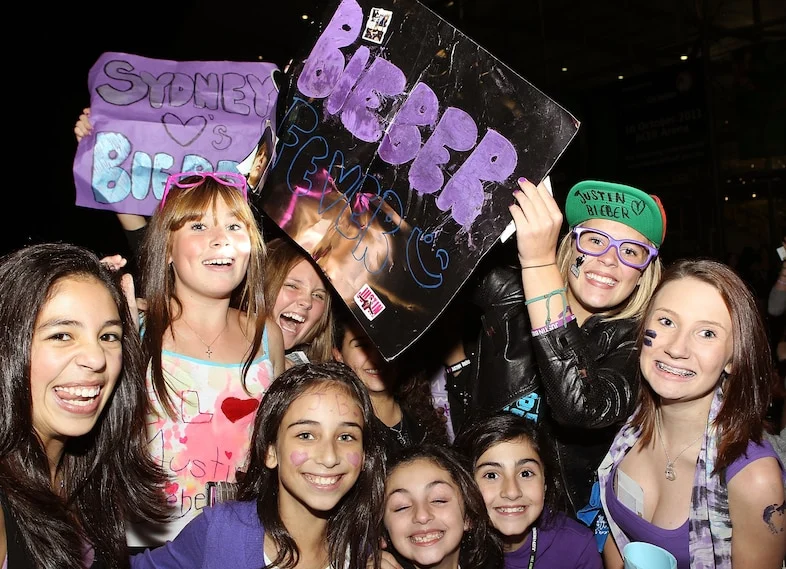
The digital landscape, for decades a fertile ground for artistic expression and career building, is on the precipice of a profound transformation in the United Kingdom. Following governmental concerns over youth mental health and online safety, new regulations are poised to prohibit individuals under the age of 16 from accessing major social media platforms including TikTok, Instagram, Snapchat, X (formerly Twitter), Facebook, and YouTube. This directive, championed by figures such as Keir Starmer, signals a dramatic re-evaluation of the relationship between young people and the internet, with far-reaching implications for an entire generation of artists, fans, and the music industry that relies heavily on their engagement.
The Digital Revolution: A Foundation of Modern Music Discovery
For over two decades, the internet has served as the primary accelerator for musical talent, democratizing access and dismantling traditional gatekeeping structures. From the nascent days of MySpace, which famously launched bands like Arctic Monkeys into the mainstream, to YouTube’s role in catapulting artists such as Justin Bieber to global superstardom, digital platforms have fundamentally reshaped how music is discovered, promoted, and consumed. The most recent iteration of this phenomenon is TikTok, which has become an indispensable tool for virality, turning artists like PinkPantheress, Lil Nas X, and Doja Cat into household names through short-form video content and trending sounds. This evolution has fostered a direct connection between artists and audiences, bypassing conventional industry channels and empowering independent creators.
The symbiotic relationship between artists and social media intensified dramatically during the COVID-19 pandemic. With live performances and in-person promotional activities curtailed, social media became the sole conduit for artists to connect with fans, release new music, and maintain visibility. Record labels, managers, and artists alike poured resources into developing robust digital strategies, leading to a surge in overnight successes and viral hits. This strategic shift, born of necessity, has persisted even as lockdowns have lifted, solidifying social media’s role as the cornerstone of modern music marketing. Data from industry reports consistently highlights the overwhelming influence of social media on music discovery, with platforms like TikTok often cited as the primary source for young people to find new artists and songs. For instance, a 2023 study by MIDiA Research indicated that over 60% of Gen Z discover new music through social media.
The Impending Shift: UK’s Under-16 Social Media Ban
The forthcoming ban, a cornerstone of the UK government’s broader efforts to protect children online, represents a significant intervention in this established dynamic. While the precise enforcement mechanisms and penalties are still being debated and refined, the intention is clear: to restrict direct access to platforms deemed potentially harmful to the mental health and well-being of minors. This move aligns with a growing global sentiment among policymakers to regulate tech giants and their influence on young users, often citing concerns around cyberbullying, body image issues, addiction, and exposure to inappropriate content.
The timing of this legislative push is not coincidental. It follows a period of increasing public and expert debate regarding the detrimental effects of excessive social media use on adolescent mental health, as referenced by Keir Starmer’s remarks about teens "staring at walls." While proponents argue the ban is a necessary measure to safeguard vulnerable youth, critics raise questions about its practicality, potential for circumvention, and the curtailment of digital literacy and expression for a generation inherently digital-native. The implementation of such a ban would necessitate sophisticated age verification technologies and robust monitoring systems, presenting significant technical and privacy challenges for both platforms and the government.
The Youth Engine: Teens’ Undeniable Influence on Music
Despite often having the lowest individual spending power compared to other demographics, teenagers have historically been, and remain, the undisputed engine behind popular music trends. Their fervent enthusiasm, rapid adoption of new sounds, and unparalleled promotional power through word-of-mouth (and increasingly, social media shares) have consistently propelled artists to stardom. Historically, if "the teens are on board," commercial success is almost guaranteed, a phenomenon only amplified by the instantaneous reach of social media. This demographic doesn’t just consume music; they define cultural moments, creating trends that ripple upwards to older age groups and across global markets.
For emerging artists, particularly those without the backing of major labels, tapping into these youthful audiences is not merely beneficial but often vital for career initiation and growth. Ian Johnson, Head of Industry Partnerships at Access Creative College, highlights this crucial pathway: "The benefits of access to social media platforms are that a clever, talented artist will start to build a fanbase and then use other means – such as Bandcamp, email lists or Discord – to nurture that relationship." The ban directly impacts this initial, critical phase of audience acquisition, potentially creating a significant hurdle for the next generation of musical talent.
Challenges for Emerging Artists and Industry Hotspots
The implications for artist development are particularly acute. For unsigned bands or solo artists, social media has been the great equalizer, offering a direct route to listeners without needing to navigate the traditional, often opaque, channels of A&R and label deals. Janelle Borg, guitarist of the Anglo-Maltese post-punk band GENN, underscores this point: "If it wasn’t for social media, we wouldn’t even be a band. We found our drummer, Sofia, on Facebook, so social media has played a crucial part in our story." Borg further emphasizes how social media levels the playing field for artists not based in "industry hotspots" like London, New York, or Los Angeles, allowing them to connect with global audiences regardless of geographical limitations.
Moreover, the ban could inadvertently stifle the burgeoning global diversity in music. Borg notes the "globalisation of local music genres," a trend where non-English language music has seen a dramatic increase in popularity on global charts, with the number of languages in the global top 50 more than doubling in five years. This phenomenon is largely attributable to social media’s ability to transcend linguistic and cultural barriers, allowing niche genres to find massive, international audiences. Without direct access to under-16s on these platforms, the organic spread of such diverse music could be significantly hampered, potentially re-entrenching a more Anglocentric music landscape.
Manager Amber Chen echoes the sentiment of social media’s transformative power: "I’ve had artists ‘blow up’ in an extremely quick time frame, and it’s changed their lives entirely just from one video. Reaching that level of virality has definitely been a major tool in artist campaigns because it can make an artist an instant success." The removal of this "instant success" mechanism could force a slower, more arduous path for artists, potentially favoring those with existing industry connections or substantial financial backing. While some artists find forging a strong social media presence intuitive, many have lamented the pressure to constantly market themselves online, describing it as a "long game" in a "fickle and transient" online world, as Johnson observes.
Industry Reactions and Strategic Rethinking
The impending ban has prompted a necessary introspection within the music industry, leading to calls for a fundamental rethink of how it engages with young audiences. Music publicist Dan McCormick views the ban as a "good thing," suggesting it might prompt the industry to be more creative. "It should be viewed as an opportunity to capture the attention of young music fans, who still have the same passion for music discovery as ever – but now, for the first time in a minute, might actually have a little more time on their hands to look beyond the algorithm," McCormick posits. This perspective suggests a potential shift away from the relentless pursuit of viral trends and towards more substantive, algorithm-independent engagement.
Jimi Scott, a music publicist and talent consultant, concurs, emphasizing the enduring importance of offline presence. "Regardless of the ban, there’s huge importance in having more of an offline presence," Scott states. "Real-life moments are key and should be considered just as much as our world in the digital space." He expresses optimism, calling the ban "something to look forward to, one hundred per cent," implying a belief that this forced pivot could lead to healthier, more authentic connections between artists and fans.
Indeed, signs of this shift are already emerging from artists themselves. Phoebe Bridgers, a prominent figure in contemporary music, recently announced a ban on phones during her upcoming arena tour, signaling a desire to foster a more present and immersive live experience. GENN, the Anglo-Maltese band, is also actively seeking to break free from the perceived constraints of social media’s "AI-generated content, ads and unpredictable algorithms." They have innovatively started burning their own bootleg CDs, creating a tangible, "one-of-a-kind moment captured in time" that stands in stark contrast to the ephemeral nature of digital content. This return to physical media, reminiscent of earlier eras, could become a more widespread strategy for artists seeking to build deeper connections with their fanbase.
Beyond the Screen: A Return to Offline Engagement?
There is a faint but growing optimism that the ban might inadvertently usher in a renaissance for traditional forms of entertainment and music discovery among teenagers. The resurgence of physical media is already a notable trend; CDs, once thought obsolete, have seen a significant increase in demand, particularly among Gen Z, with some reports indicating up to a 75% rise. This demographic’s appreciation for tangible art, often driven by nostalgia or a desire for deeper engagement, could be further bolstered by reduced screen time.
Dan McCormick hopes for a "long-forgotten love affair between teenagers and print media," envisioning a return to music magazines, fanzines, and other forms of curated content that encourage critical engagement rather than passive scrolling. Amber Chen, reflecting on her own journey into the industry, dreams of a return to channels like MTV, which played a crucial role in the "fan journey" of previous generations. Such platforms provided curated music content, interviews, and visual experiences that fostered deep connections with artists. "It’s a huge opportunity to engage with young people in a way that acknowledges them in a way that doesn’t feel patronising," Chen asserts. She stresses that while "social media can evoke some level of emotion, ultimately if we want to build dedicated fan bases we need to get them to connect with the music in more creative ways." This sentiment highlights a potential shift from transactional, algorithm-driven engagement to more experiential, community-focused interactions.
A potential positive consequence could be a slower pace for our often-accelerated pop culture cycle. In a saturated digital atmosphere, where few albums or artists manage to make a significant, lasting dent, a reduction in the frantic churn of online trends might allow for greater longevity and deeper appreciation of musical works.
Global Context and Precedents
The UK’s proposed ban is not an isolated incident; it forms part of a broader international discourse on regulating social media for minors. Australia, for instance, introduced similar regulations last year, aiming to protect young users. However, the effectiveness of such bans is a critical point of debate. Reports from Australia indicate that approximately 85% of teens reportedly still use social media despite the restrictions, highlighting the significant challenges in enforcing such broad prohibitions. Young people are often adept at finding workarounds, whether through VPNs, using parental accounts, or accessing platforms through less conventional means. This precedent suggests that while the intent of the UK ban is clear, its practical impact on actual usage might be less decisive than anticipated, potentially creating a cat-and-mouse game between regulators, platforms, and users.
Furthermore, the ban raises a pertinent ethical question about child artists. If under-16s are deemed too young to scroll TikTok, are they also too young to be celebrities or to navigate the pressures of public life that social media often entails? This complex issue touches upon child protection laws, labor rights for minors in entertainment, and the psychological impact of early fame, suggesting a broader societal conversation is needed beyond mere platform access.
Broader Societal Implications: Mental Health and Cultural Fabric
Beyond the obvious safety measures and the laudable goal of mitigating harm inflicted by tech giants on children, the ban’s impact on the very fabric of British youth culture cannot be understated. Music is an intrinsic, vital component of adolescent identity formation, social bonding, and cultural expression. Ignoring this deep connection would significantly alter the landscape of how young people engage with, discover, and participate in cultural movements.
Amber Chen powerfully articulates this point: "People tend to turn their noses up at young fans, but they are the foundation of our entire industry. That’s where we all came from at the end of the day." To maintain this foundation, she argues, the industry must proactively ensure that physical forms of music, merchandise, and gig tickets remain affordable and accessible to young people. If the digital avenues are restricted, the physical and experiential ones must be strengthened to keep young people engaged in new music and prevent a disconnect that could have long-term repercussions for the entire ecosystem.
The UK’s under-16 social media ban is a bold policy experiment with profound implications. While driven by genuine concerns for youth mental health and online safety, its execution will undoubtedly reshape the music industry’s strategies for artist development, marketing, and fan engagement. It presents both formidable challenges, particularly for emerging artists and diverse music genres, and intriguing opportunities for a return to more direct, tangible, and perhaps healthier forms of cultural consumption. The ultimate success of the ban, however, will hinge not just on its enforcement, but on the industry’s collective ability to innovate and adapt, ensuring that the next generation of music lovers and creators remains vibrant, connected, and deeply immersed in the transformative power of sound.