








Frizz, a common and often frustrating hair concern, stems primarily from a lack of moisture within the hair shaft. When hair becomes dehydrated, it actively seeks moisture from its surroundings, particularly the ambient air. This phenomenon is why hair can appear more voluminous and unruly on humid days. While atmospheric conditions play a significant role, a complex interplay of internal and external factors contributes to the frizz phenomenon, impacting hair texture, health, and manageability across diverse hair types.
The Root Causes of Frizz: A Deeper Dive
Understanding the genesis of frizz requires an examination of the hair’s cuticle, the outermost protective layer. This layer is comprised of overlapping scales, much like shingles on a roof. When the hair is healthy and hydrated, these scales lie flat, resulting in a smooth, reflective surface and a sleek appearance. However, various stressors can cause these scales to lift and separate, creating an uneven surface that readily absorbs moisture from the air.
1. Moisture Imbalance: The fundamental cause of frizz is a deficit in internal hair moisture. This can be exacerbated by environmental factors. High humidity levels are a prime culprit because the raised moisture content in the air creates a gradient, prompting dry hair strands to absorb atmospheric water. This absorption causes the hair shaft to swell unevenly, leading to the characteristic puffiness and unruliness of frizz.
2. Chemical Treatments: The hair industry has long relied on chemical processes to alter hair color, texture, and style. Treatments such as dyeing, bleaching, and chemical straightening or relaxing services, while offering desired aesthetic transformations, can inflict significant damage on the hair cuticle. These processes disrupt the natural protein structure of the hair and can strip away essential lipids, leaving the cuticle rough, porous, and more susceptible to moisture absorption. For instance, bleaching, which involves the use of peroxides to lighten hair pigment, can weaken the disulfide bonds within the hair shaft, compromising its integrity and leading to increased dryness and frizz. Relaxers, designed to permanently straighten curly hair, break down these same bonds and can be particularly harsh, often resulting in compromised hair health if not executed with extreme care.
3. Natural Hair Texture: The inherent structure of hair plays a crucial role in its propensity for frizz. Curly and textured hair types, by their very nature, tend to be more prone to frizz. The spiraled or coiled structure of these strands means that the scalp’s natural oils, known as sebum, have a more challenging journey down the hair shaft to provide lubrication and moisture. Sebum production is consistent across different hair types, but its distribution is less efficient in hair with more bends and turns. This leads to drier ends and a greater tendency for the cuticle to lift, thus increasing the likelihood of frizz. Research indicates that hair with tighter curl patterns (e.g., Type 3b, 3c, and Type 4 coils) often exhibits higher porosity, meaning the cuticle is more open, further contributing to moisture loss and environmental absorption.
4. Heat Styling Damage: The ubiquitous use of heat-styling tools, including blow dryers, flat irons, and curling irons, represents another significant contributor to frizz. The intense heat applied to hair can strip away its natural moisture and protein, leading to structural damage. This damage can manifest as weakened hair fibers, split ends, and an elevated cuticle. Over time, consistent exposure to high temperatures can lead to a cumulative effect, rendering hair brittle, dry, and prone to frizz. The average temperature for blow dryers can range from 150°F to over 400°F, and flat irons can reach temperatures exceeding 450°F, highlighting the potential for thermal damage.
Strategies for Minimizing Frizz: A Multifaceted Approach
Combating frizz involves a holistic approach that focuses on hydration, protection, and mindful styling practices. Experts in hair care emphasize that achieving and maintaining smooth, frizz-free hair is an ongoing process that requires consistent attention to the hair’s needs.
1. Hydration is Key: The Power of Moisturizing Products
The cornerstone of frizz control lies in ensuring adequate hydration of the hair shaft. This involves incorporating moisturizing products into both daily routines and more intensive treatments.
-
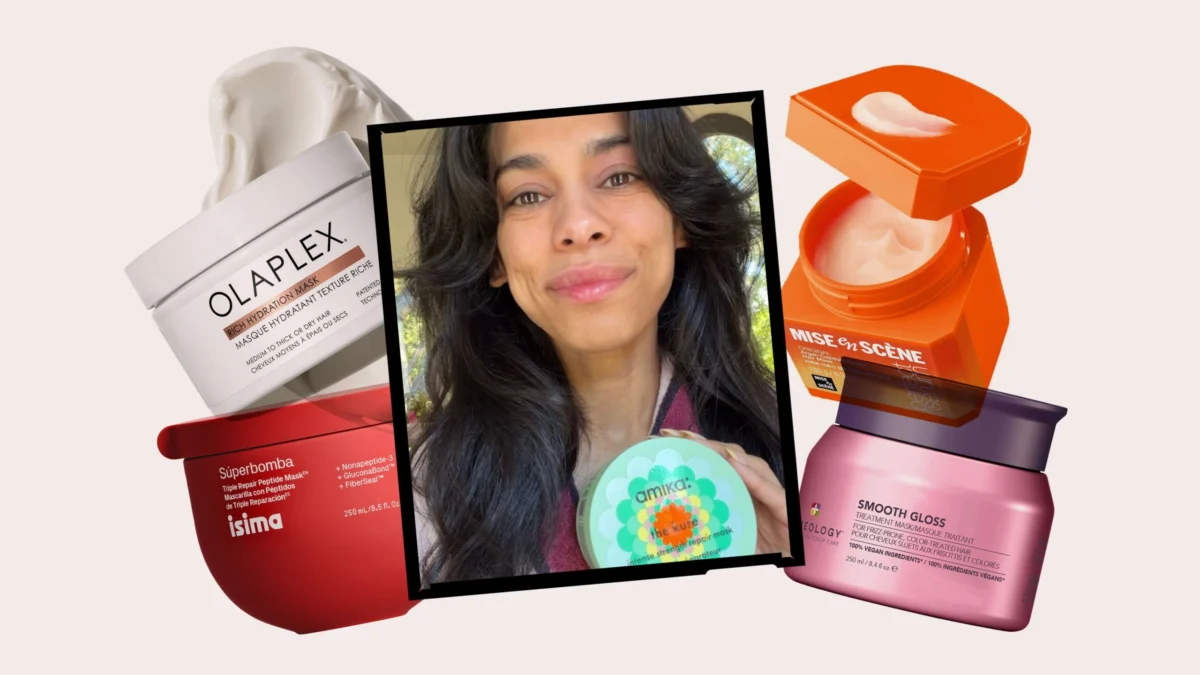
Hydrating Hair Masks: Hair masks, particularly those formulated with moisturizing ingredients such as hyaluronic acid, glycerin, shea butter, and natural oils (like argan, coconut, or jojoba oil), are highly effective in replenishing lost moisture and smoothing the hair cuticle. These masks provide a concentrated dose of nourishment, penetrating the hair shaft to improve elasticity and reduce porosity. Regular use of these treatments can significantly enhance hair’s ability to retain moisture and resist environmental humidity.
-
Conditioning Treatments: Beyond masks, regular conditioning after shampooing is essential. Look for conditioners that are rich in emollients and humectants. Emollients help to smooth the hair surface, while humectants attract and bind moisture to the hair.
2. Protecting Hair During Styling
For individuals who regularly use heat-styling tools, implementing protective measures is paramount to prevent further damage and subsequent frizz.
-
Air Drying and Diffusers: Whenever possible, allowing hair to air dry is the gentlest approach. When blow-drying is necessary, experts recommend using a diffuser attachment. Diffusers disperse the airflow over a larger area, reducing direct heat concentration on specific strands and minimizing the disruption of the hair’s natural texture, which is particularly beneficial for curly and wavy hair.
-
Heat Protectants: The application of a heat protectant spray or serum before using any heated styling tool is non-negotiable. These products create a barrier between the hair and the heat source, mitigating thermal damage. They often contain silicones or proteins that coat the hair shaft, reducing moisture loss and preventing the cuticle from becoming overly brittle.
-
Avoiding Over-Washing: Frequent shampooing can strip the hair of its natural oils, leading to dryness and increased frizz. Reducing the frequency of washing, perhaps to every other day or even less for some hair types, can help preserve the scalp’s natural moisture balance.
-
Satin or Silk Pillowcases: Friction against cotton pillowcases can cause hair strands to snag and rough up the cuticle overnight, contributing to frizz and breakage. Sleeping on a satin or silk pillowcase significantly reduces this friction, allowing hair to glide more smoothly and maintain its integrity.
The Role and Limitations of Hair Masks
Hair masks are frequently lauded as a miracle cure for a myriad of hair concerns, including frizz. However, their efficacy and appropriate usage require a nuanced understanding.
1. Can I Use a Hair Mask Every Day for Frizzy Hair?
Experts overwhelmingly advise against daily use of hair masks for frizz. While deep conditioning is beneficial, overdoing it can be counterproductive.
-
Addressing the Root Cause: Lauren Paglionico, a master colorist based in New York, explains that using hair masks daily will not inherently eliminate frizz. Frizz is typically rooted in curl pattern, texture, breakage, or humidity, and daily masking does not alter these fundamental factors.
-
Potential for Buildup and Weight: Frequent application of hair masks can lead to product buildup on the hair shaft. This buildup can weigh the hair down, making it appear limp, heavy, and more difficult to style. Michelle, a hair care expert, notes that excessive mask use can compromise the hair fiber, leading to a dull appearance and a lack of volume.
-
Recommended Frequency: For most individuals, a weekly hair mask treatment is sufficient to maintain optimal hair health and manage frizz. However, certain hair types may benefit from more or less frequent application.
-
Highly Porous, Chemically Treated, or Very Dry Hair: These hair types often require more intensive hydration and repair. Individuals with these concerns may find benefit from two mask treatments per week to adequately replenish moisture and strengthen the hair.
-
Finer Hair Types: Conversely, finer hair can be more easily weighed down. These hair types often require less frequent masking, perhaps every other week, to avoid greasiness and flatness.
-
2. What are the Disadvantages of a Hair Mask?
While beneficial, hair masks, if used improperly or excessively, can have several drawbacks.
-
Weighing Down the Hair: As mentioned, using masks that are too heavy or applying them too frequently, especially on fine hair, can result in a flat, greasy appearance. Gina Rivera, a hairstylist, emphasizes that this can make hair difficult to manage and style.
-
Protein Overload: Some hair masks are formulated with high levels of protein. While protein is essential for hair strength, an overload can paradoxically lead to dryness and brittleness. This occurs because excessive protein can make the hair less flexible and more prone to snapping.
-
Scalp Buildup: A common misuse of hair masks involves applying them directly to the scalp, particularly when the product is not formulated for scalp application. Michelle cautions that this can exacerbate buildup, especially for individuals prone to oily scalps, dead skin accumulation, or those who don’t cleanse frequently. For optimal results and to prevent scalp issues, masks should primarily be concentrated on the mid-lengths and ends of the hair, unless explicitly designed for scalp treatment.
Expert Insights and Testing Methodologies
The understanding and recommendations surrounding frizz management are informed by the expertise of industry professionals and rigorous product testing.
Meet the Experts: The insights provided in this article are drawn from the experience of seasoned hair care professionals, including:
- Giannetos: A hairstylist whose advice centers on moisture balance and protective styling.
- Heath: Another industry professional contributing to the understanding of frizz causes.
- Lauren Paglionico: A New York-based master colorist offering perspectives on the limitations of daily masking.
- Michelle: A hair care expert providing analysis on product buildup and usage frequency.
- Gina Rivera: A hairstylist specializing in the potential downsides of mask application.
How We Test and Review Products: The evaluation of hair care products, particularly those targeting frizz, is a meticulous process designed to ensure comprehensive and unbiased recommendations.
-
Diverse Testing Panels: Recognizing that hair care is highly personalized, testing protocols involve a wide array of individuals representing diverse hair types, lengths, textures, curl patterns, thicknesses, colors (both natural and artificial), and specific concerns such as dandruff or breakage. This ensures that recommendations are relevant and effective across a broad spectrum of users.
-
Categorical Evaluation: Products are assessed based on four primary performance categories:
- Efficacy: How well the product delivers on its promised benefits, such as frizz reduction, hydration, or smoothing.
- Texture and Experience: The feel of the product during application, its absorption rate, and the resulting hair texture.
- Fragrance: The scent of the product, considering both personal preference and potential for irritation.
- Packaging: The design, functionality, and sustainability of the product’s packaging.
-
Methodology Transparency: Allure, the source of this information, maintains a transparent approach to its review process, detailing its methodology to provide consumers with confidence in the recommendations.
-
Staff Diversity: The editorial team and external testers at Allure represent a broad range of ages, skin tones, hair textures, genders, and backgrounds. This diversity is considered crucial for a fair and comprehensive assessment of beauty products, ensuring that recommendations cater to the needs and concerns of a wide demographic. For example, a product claiming to be the "best" for mature skin would be critically evaluated by testers over 50, and a diffuser would be tested on individuals with various curl types to validate its performance.
In conclusion, managing frizz is a journey that begins with understanding its fundamental causes—primarily moisture deficiency exacerbated by environmental factors, chemical treatments, natural hair characteristics, and heat damage. By adopting a strategy that prioritizes hydration through moisturizing products like hair masks, implementing protective styling techniques, and adhering to recommended usage guidelines, individuals can effectively achieve smoother, more manageable, and healthier-looking hair. The ongoing research and testing within the beauty industry continue to refine our understanding of hair science, empowering consumers with the knowledge to make informed choices for their unique hair care needs.