




The contemporary fashion landscape stands at a critical juncture, defined by a growing global reckoning with the ecological and social tolls of fast fashion. For decades, the industry model relied on rapid trend cycles, cheap synthetic materials, and exploitative labor practices to churn out disposable garments at an unprecedented rate. However, a profound shift in consumer consciousness—alongside tightening international regulatory scrutiny—has accelerated the demand for a more responsible paradigm. At the heart of this transformation is the concept of the "investment piece": a meticulously crafted, durable garment or accessory designed to transcend seasonal trends and remain a functional, stylish staple of a personal wardrobe for decades.
While the phrase has historically been co-opted by traditional luxury marketing to justify high price points for ephemeral trends, its true definition is rooted in longevity, superior craftsmanship, and timeless design. Today, sustainability ratings organizations, industry analysts, and ethical brands are championing this ethos not merely as an aesthetic choice, but as an essential pillar of environmental stewardship. By prioritizing higher-quality materials and ethical supply chains, the sustainable fashion sector is challenging consumers to fundamentally alter their relationship with clothing through the guiding principle of buying less, but buying better.
The Economics of Longevity: Up-Front Costs Versus True Cost-Per-Wear
The transition from a volume-based wardrobe to an investment-based wardrobe inherently involves a significant financial recalibration. Sustainable clothing almost universally carries a higher up-front retail price compared to its fast fashion counterpart. This price disparity is not arbitrary; rather, it reflects the true cost of responsible production. Ethical brands invest in certified organic, recycled, or lower-impact raw materials, implement traceable supply chains, and ensure that garment workers and artisans throughout the manufacturing process receive a living wage and safe working conditions. Fast fashion business models, by contrast, externalize these costs onto vulnerable communities and the global environment.
Despite the initial barrier to entry, comprehensive economic analyses demonstrate that sustainable investments offer superior long-term financial value. A prominent circularity report published by Vestiaire Collective revealed that the long-term cost-per-wear of pre-loved and high-quality investment pieces averages approximately 33 percent cheaper than purchasing brand-new fast fashion alternatives over time. Because cheap garments rapidly degrade, lose their structural integrity, or fall out of style within a matter of weeks, consumers find themselves locked into a continuous cycle of replacement. Investment pieces, conversely, resist wear and tear, maintain their resale or heirloom value, and drastically reduce the volume of textiles sent to global landfills.
Recognizing that economic accessibility varies widely among consumers, industry advocates emphasize that building an investment wardrobe does not necessitate spending hundreds of dollars on a single brand-new item. Accessible sustainable brands offer lower-priced entry points for conscious consumers, while the booming secondary market—facilitated by platforms such as Vestiaire Collective and eBay—provides a vital avenue for acquiring premium, durable goods at a fraction of their original retail price.
Methodology and Accountability: How Sustainable Brands Are Evaluated
As the market for eco-friendly fashion expands, the risk of corporate greenwashing has grown commensurately, leaving consumers vulnerable to deceptive marketing claims. To combat misinformation and provide clarity, independent ratings organizations have established rigorous, data-driven frameworks to assess the true sustainability credentials of fashion and beauty brands.
Among the industry benchmarks is the assessment methodology developed by Good On You, which evaluates brands across a comprehensive five-point scale—ranging from "We Avoid" to "Great"—based on their impact on people, the planet, and animal welfare. This evaluation process aggregates transparent information regarding a brand’s labor practices, carbon footprint, water usage, waste management policies, and the utilization of hazardous chemicals. A team of researchers and industry experts continuously reviews and updates these directories, ensuring that consumers can make informed purchasing decisions grounded in verifiable metrics.
The criteria for earning a "Good" or "Great" rating extend beyond environmental metrics to evaluate product longevity. For a brand to be recommended as a source of investment pieces, its catalog must demonstrate structural durability, timeless aesthetic appeal, and supply chain transparency. While circular economy advocates rightly stress that the most sustainable garment is the one already hanging in your closet, the strategic purchase of new items from highly rated independent brands serves as a vital financial vote of confidence for ethical manufacturing practices.
Curated Excellence: Standout Brands Defining Sustainable Luxury
A new vanguard of independent designers, artisans, and legacy-focused labels is currently redefining what luxury and daily wear look like through the lens of ecological responsibility. These brands bridge the gap between uncompromising aesthetic standards and stringent sustainability metrics, offering foundational pieces designed to last a lifetime.
FUTURA Jewelry exemplifies this ethos within the fine jewelry sector. Based in New York, the brand specializes in handcrafted pieces produced entirely from mercury-free, 18-karat Certified Fairmined Ecological gold. By sourcing its precious metals from certified mines that operate without toxic chemical agents such as mercury and cyanide, FUTURA addresses one of the most environmentally destructive sectors of traditional mining, offering consumers an heirloom-quality product rooted in ecological restoration.
In the accessories market, the British vegan label Mashu has carved out a distinct niche by proving that ethical considerations need not compromise high-fashion design. Mashu’s environmental rating reflects its rigorous approach to materials sourcing: the exteriors of its signature structured handbags utilize innovative vegan leather alternatives, while the interiors are lined with vegan suede crafted from recycled polyester. This dual commitment to cruelty-free production and circular material inputs ensures that consumers can invest in statement accessories that align with their ethical convictions.
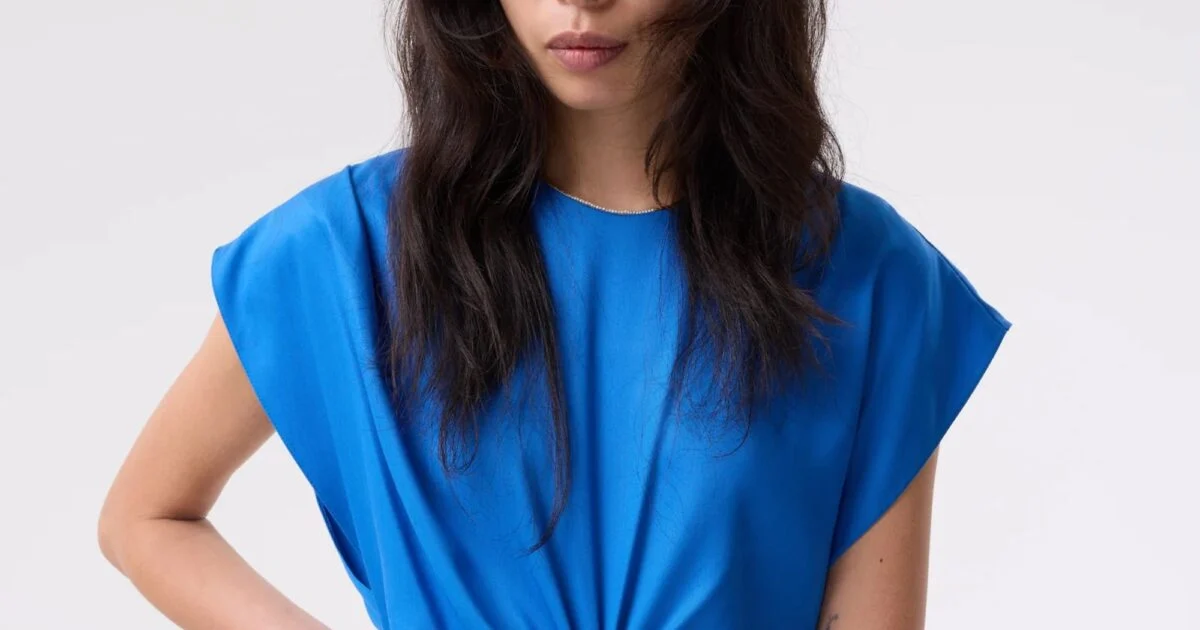
Dutch apparel brand CAES operates under the foundational premise that fashion should reject the rigid constraints of seasonal fast-paced trends. Specializing in minimalist, architectural womenswear, CAES utilizes lower-impact materials such as Tencel Lyocell, recycled cotton, and Desserto—an innovative, high-durability leather alternative derived from nopal cacti. The brand maintains a partially transparent supply chain and enforces a strict code of conduct aligned with International Labour Organization (ILO) principles, ensuring fair treatment for the individuals crafting its garments.
Similarly, fine jewelry designer Bario Neal merges artisanal craftsmanship with ethical integrity, creating custom rings and fine jewelry utilizing conflict-free diamonds, ethically sourced gemstones, reclaimed precious metals, and Fairmined gold. Each piece is designed to serve as a generational keepsake, constructed with materials carefully audited for social and environmental responsibility.
Womenswear brand Akyn, founded by prominent sustainable fashion advocate Amy Powney, delivers contemporary, timeless silhouettes constructed exclusively from lower-impact materials. By focusing on essential wardrobe foundations rather than fleeting runway micro-trends, Akyn bridges the gap between modern style and ecological mindfulness.
Rounding out the landscape of high-tier sustainable apparel is HERTH, an Italian label specializing in organic silk womenswear and luxury lingerie. HERTH emphasizes traditional craftsmanship, refined design, and fully traceable supply chains across size ranges from XS to 2XL, demonstrating that sustainable luxury can simultaneously achieve high standards of inclusivity, ethical supply chain oversight, and aesthetic endurance.
Broader Industry Implications and the Path Forward
The steady ascent of the sustainable investment wardrobe signals a broader, systemic evolution within the global fashion economy. As regulatory bodies in major markets—particularly the European Union—move closer to enacting strict anti-greenwashing laws, mandatory digital product passports, and extended producer responsibility (EPR) frameworks, brands will no longer be able to rely on vague marketing language. Accountability and transparency are rapidly transitioning from voluntary corporate social responsibility initiatives to mandatory legal requirements.
Furthermore, consumer expectations are shifting decisively. Younger demographics, in particular, view their purchasing power as a direct extension of their ethical values, increasingly rejecting brands that fail to account for their carbon emissions or labor practices. This consumer pressure, combined with rising raw material costs and climate-induced disruptions to global supply chains, makes the fast-fashion business model increasingly precarious over the long term.
Ultimately, the embrace of the investment wardrobe represents a return to a more deliberate, respectful relationship with material goods. By shifting the industry focus from rapid consumption and disposal to enduring quality, craftsmanship, and circularity, sustainable fashion is laying the groundwork for an economic model that respects both planetary boundaries and human dignity. Whether through investing in certified fair-mined jewelry, vegan luxury accessories, or timeless organic textiles, conscious consumers are proving that style and sustainability are not mutually exclusive, but rather the twin pillars of the future of fashion.