








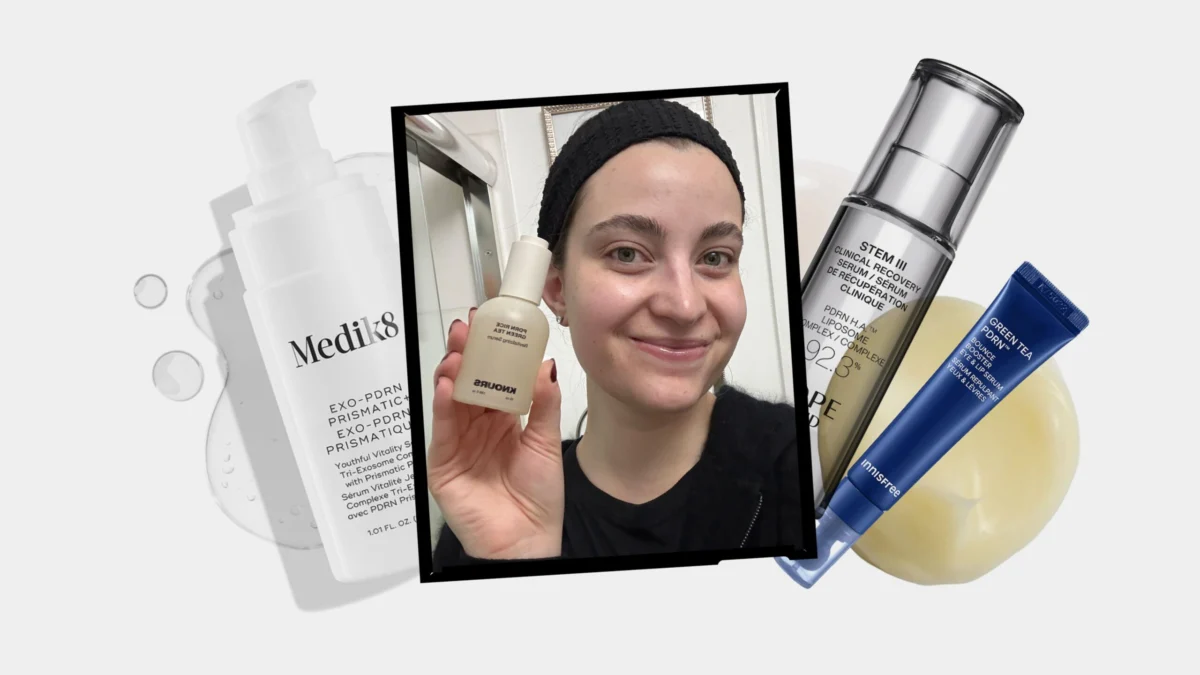
The burgeoning popularity of Polydeoxyribonucleotide (PDRN) in Korean skincare is a phenomenon rooted in K-beauty’s signature ability to bridge the gap between professional dermatological treatments and accessible consumer products. This innovative ingredient, once primarily associated with clinical procedures, has now found its way into a plethora of serums, creams, and masks, promising regenerative and restorative benefits for the skin. However, as its consumer-facing presence expands, critical questions arise regarding its efficacy, the scientific backing for topical applications, and its place within a comprehensive skincare regimen.
The K-Beauty Ecosystem and the PDRN Phenomenon
Korean beauty, renowned for its meticulous approach to skincare and its rapid adoption of cutting-edge ingredients, has consistently excelled at translating clinic-adjacent innovations into products consumers can integrate into their daily routines. Dr. Yoo, a dermatologist specializing in aesthetic medicine, notes that PDRN’s ascent in the K-beauty landscape is a natural progression of this trend. "K-beauty’s genius lies in its ability to democratize advanced treatments," Dr. Yoo explains. "When injectable PDRN gained traction in dermatology clinics for its purported skin-rejuvenating properties, it was only a matter of time before we saw a surge in topical formulations."
The allure of PDRN is intrinsically linked to Korea’s long-standing fascination with injectables and advanced post-procedure care. For years, South Korean consumers have embraced skin boosters and treatments designed to accelerate healing and enhance skin texture following cosmetic procedures. PDRN, a DNA fragment derived from salmon milt, emerged as a key player in these clinical settings, lauded for its potential to stimulate cellular regeneration, promote wound healing, and improve skin elasticity. The subsequent development of topical PDRN products offered consumers a less invasive, more accessible way to harness these perceived benefits at home. This shift reflects a broader consumer desire for efficacy and a proactive approach to skin health, mirroring the sophisticated skincare philosophies prevalent in South Korea.
Unpacking the Science: Does Topical PDRN Deliver on its Promises?
Despite its growing presence on ingredient lists, the scientific evidence supporting the efficacy of topical PDRN in skincare products remains a subject of considerable debate and caution among experts. While injectable PDRN has been the subject of research, primarily focusing on wound healing and tissue repair in clinical contexts, robust human clinical trials specifically demonstrating that PDRN delivered via topical application can achieve the same therapeutic effects are notably scarce.
"The foundational research for PDRN primarily stems from its use in medical settings, often injected directly into the skin or surrounding tissues," states cosmetic chemist Sarah Romanowski. "Translating those findings to a topical formulation presents significant hurdles. Much of the existing research on topical PDRN has been conducted in laboratory settings, involving cell cultures in petri dishes. While an ingredient may show promise at a cellular level in vitro, it doesn’t automatically guarantee similar performance once it’s formulated into a serum or cream and applied to the complex environment of the skin."
A critical factor in topical ingredient efficacy is penetration. For PDRN to exert its purported cellular effects in the deeper layers of the skin, such as the dermis where collagen production and repair mechanisms are most active, it must be able to traverse the epidermal barrier. "There’s a fundamental principle in skincare science that dictates an ingredient’s ability to penetrate the skin is largely determined by its molecular size," Romanowski elaborates. "Generally, molecules smaller than 500 daltons are considered to have a better chance of reaching deeper skin layers. PDRN fragments, even when broken down, are significantly larger than this threshold. This raises substantial questions about the extent to which topical PDRN can actually reach the dermal receptors it’s intended to target."
Dr. Yoo echoes this sentiment, emphasizing the inherent differences in delivery and efficacy between clinical injectables and over-the-counter topical products. "The efficacy of PDRN demonstrably differs when comparing its application in professional, in-office treatments versus its inclusion in over-the-counter consumer products," she states. This distinction is crucial for consumers to understand, as topical PDRN products should not be considered direct substitutes for the injectable treatments that have been studied and utilized in dermatological practices. It is also important to note that while PDRN treatments are common in South Korea, they have not received FDA approval in the United States for aesthetic purposes.
The Emergence of Plant-Derived PDRN: A Vegan Alternative
In response to growing consumer demand for ethical and sustainable beauty options, the skincare industry has seen the introduction of plant-derived PDRN. Often marketed under names like "phyto-PDRN" or "vegan PDRN," these formulations utilize DNA fragments sourced from botanical origins.
"Plant-derived PDRN sources its DNA fragments from plants such as rice, green tea, and ginseng, or through microbial biotechnology and fermentation processes," explains skincare innovator Emily Backman. While the biological source and the specific DNA fragment profile may differ from traditional salmon-derived PDRN, Backman points to promising early research suggesting a shared mechanism of action. "Based on available scientific literature, plant PDRN appears to engage the same A2A receptor pathway as salmon-derived PDRN," she notes. This implies that plant-derived PDRN may activate similar cellular pathways involved in skin repair, wound healing, inflammation regulation, and collagen synthesis, potentially offering comparable regenerative benefits despite its distinct origin. This development is significant for consumers seeking vegan or ethically sourced alternatives without compromising on the purported benefits of PDRN.
PDRN in Context: Complementing, Not Replacing, Proven Actives
For skincare enthusiasts already incorporating established active ingredients into their routines, the question naturally arises: is PDRN a worthwhile addition? Experts generally advise viewing PDRN as a complementary ingredient rather than a direct replacement for well-researched actives like retinol, peptides, or growth factors.
"Retinoids, for instance, remain the gold standard in dermatological skincare, supported by extensive and robust evidence demonstrating their efficacy in collagen remodeling and combating photoaging," Dr. Yoo asserts. The consensus among dermatologists and cosmetic chemists interviewed for this report consistently highlights ingredients such as retinoids, peptides, vitamin C, and niacinamide as having a far more substantial body of scientific evidence supporting their skin-improving capabilities. Retinoids, in particular, have been the subject of decades of research confirming their ability to stimulate collagen production, accelerate cell turnover, and significantly improve the appearance of sun damage and fine lines.
This synergy is often reflected in product formulations. It is common to find PDRN formulated alongside these well-established actives. "This is a common and effective strategy in skincare formulation," Romanowski explains. "Ingredients that offer a unique benefit or ‘tell a story’ are frequently paired with tried-and-true workhorses that are known to deliver tangible, visible results." While Dr. Yoo suggests that PDRN might offer supportive benefits through hydration, barrier repair, and enhanced recovery, which could indirectly aid other actives, quantifying the specific contribution of PDRN to a product’s overall effectiveness remains challenging.
The current landscape suggests that PDRN’s popularity in the consumer market is currently outpacing the depth of scientific validation for its topical applications. While incorporating PDRN into a routine may offer potential benefits, particularly in conjunction with established actives, consumers seeking predictable and significant results are best advised to prioritize products that combine PDRN with a proven roster of ingredients.
Methodologies and Expert Insights: How Allure Vets Skincare
In its commitment to providing consumers with reliable and informed beauty recommendations, Allure employs a rigorous testing and review process. This methodology involves a multi-faceted approach to evaluating products, encompassing ingredient analysis, scrutiny of brand claims, and, where applicable, examination of peer-reviewed scientific and medical literature.
"Our editorial team meticulously assesses each product, not only through hands-on testing but also by consulting with leading experts in dermatology, cosmetic chemistry, and medicine," explains a representative from Allure‘s editorial board. This expert vetting process is crucial for ensuring that ingredient claims are substantiated and that product formulations are sound.
For its evaluations of PDRN serums, Allure‘s editorial team considered a comprehensive set of criteria, including product ingredients and efficacy, packaging design, fragrance profile, texture and feel, and overall product wear. Each product included in their recommendations was deemed to excel across these five key categories, as determined by a diverse team of in-house writers, editors, and external contributors, with particular emphasis on input from board-certified dermatologists. This detailed approach aims to provide a holistic understanding of a product’s performance and value.
Diversity in Testing: Ensuring Inclusivity in Beauty Reviews
Allure‘s testing philosophy is deeply rooted in the belief that beauty products are intensely personal purchases. To ensure that their recommendations resonate with a broad audience, the publication prioritizes diversity in its testing panels and editorial staff.
"We understand that an effective skincare product for one individual may not be for another, due to variations in skin type, tone, age, and concerns," the editorial representative notes. "Therefore, it is essential that our testing pool reflects the diversity of our readership." Allure‘s staff and testers span a wide spectrum of ages, skin tones, hair textures, genders, and backgrounds. This commitment to inclusivity allows for a more equitable and comprehensive assessment of beauty products, from anti-aging creams for mature skin to haircare solutions for textured hair. The aim is to confidently recommend products that users will genuinely love and find effective, regardless of their individual needs and preferences. This broad perspective is integral to maintaining the integrity and trustworthiness of their beauty coverage.