







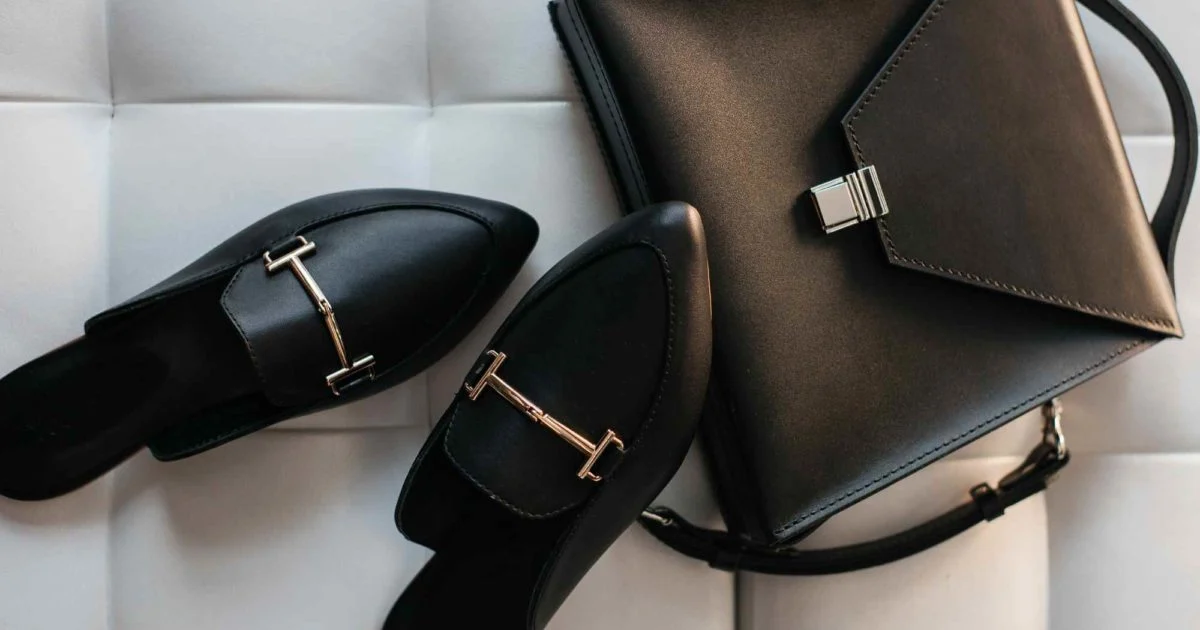
Polyurethane (PU), frequently lauded as a durable fabric coating and a leading alternative to animal-derived leather, is fundamentally a plastic, carrying significant and often overlooked implications for planetary health and human well-being. While its versatility has made it ubiquitous across numerous industries, its pervasive use, particularly within the burgeoning "vegan fashion" movement, warrants a critical examination of its true environmental footprint and whether it can genuinely be considered sustainable. This article delves into the nature of polyurethane, its diverse applications, its prominent role in the fashion industry, and the profound challenges it poses from an environmental and health perspective, ultimately questioning its long-term viability as a responsible material choice.
What is Polyurethane and Its Industrial Journey?
Polyurethane, often abbreviated as PU, is a polymer composed of organic units joined by carbamate (urethane) links. Its unique chemical structure allows it to exist in a spectrum of forms, ranging from rigid foams used in insulation to highly flexible elastomers found in textiles. This remarkable adaptability has positioned PU as one of the most versatile and widely utilized plastic materials globally.
The material’s genesis dates back to 1937, when German industrial chemist Otto Bayer and his team at IG Farben successfully synthesized polyurethane. Initially, its development was driven by the quest for new materials during a period of geopolitical tension, with early applications focusing on replacing rubber during World War II. Following the war, PU’s potential began to be fully realized, leading to its widespread adoption across various sectors. Its low density, high strength-to-weight ratio, and excellent insulation properties made it invaluable in aircraft construction, and later, in an ever-expanding array of consumer and industrial products.
Today, the presence of polyurethane is almost inescapable. It forms critical components in the automotive industry, from seat cushions and interior panels to protective coatings. In construction, it is a primary material for insulation, sealants, and adhesives, contributing to energy efficiency. Medical implants, sporting goods, electronic casings, and even protective paints all harness PU’s unique properties. The manufacturing process typically involves the exothermic reaction of a polyol (an alcohol with multiple hydroxyl groups) with a diisocyanate or polyisocyanate. The precise formulation and addition of various additives, such as catalysts, blowing agents, and flame retardants, allow manufacturers to tailor the material’s characteristics to specific end-uses, highlighting its chemical adaptability but also the complexity of its composition.
Polyurethane’s Pervasive Role in the Fashion Industry
Within the dynamic and often trend-driven world of fashion, polyurethane has carved out a significant niche due to its durability, flexibility, and aesthetic versatility. Its applications are broad, ranging from practical components to aesthetic enhancements. PU is commonly used for resilient shoe soles, offering comfort and longevity. It serves as an abrasion-resistant or waterproof coating for various fabrics, enhancing their performance in outerwear and sportswear. Furthermore, it is a key ingredient in bicast leather, where a layer of PU is laminated onto a split leather backing, creating a uniform surface often mistaken for higher-grade leather. Its elasticity also makes it a favored material in swimwear and activewear.
However, perhaps the most prominent and contentious application of polyurethane in contemporary fashion is its role as an alternative to animal leather. The surging global demand for ethical and animal-free products has propelled the "vegan leather" market into rapid expansion. As consumers increasingly seek cruelty-free options, polyurethane has stepped in as a readily available and economically viable substitute, mimicking the look and feel of traditional leather with considerable success.
The Rise of Vegan Fashion and the PU Dilemma
The past decade has witnessed an unprecedented surge in consumer awareness regarding the ethical and environmental impacts of the fashion industry. This shift has fueled a robust demand for "vegan" products, particularly in categories traditionally dominated by animal-derived materials like leather. Brands, eager to cater to this conscious consumer base and improve their sustainability credentials, have widely adopted synthetic alternatives.
Polyurethane, alongside polyvinyl chloride (PVC), became the go-to material for creating these "vegan leathers," also known as pleather, leatherette, or faux leather. While PVC is generally considered the more environmentally problematic of the two due to its production involving chlorine and potential for releasing dioxins during manufacture and disposal, polyurethane is by no means a benign alternative. As Kate Hobson-Lloyd, fashion ratings manager at Good On You, aptly explains, "It’s common for polyurethane to crop up in so-called ‘sustainable’ vegan leather as it’s usually needed to impart durability to materials, but it should be remembered that it’s still a kind of plastic at the end of the day." This statement underscores the core dilemma: a material chosen for its perceived ethical superiority often carries its own set of significant environmental burdens.
The market for vegan leather is experiencing substantial growth. Industry reports indicate that the global synthetic leather market, heavily influenced by PU applications, was valued at approximately $31.8 billion in 2022 and is projected to reach $53.3 billion by 2030, driven by increasing consumer preference for sustainable and cruelty-free products. This exponential growth, however, comes with an implicit challenge: ensuring that the "alternatives" truly offer a better environmental profile than the materials they replace.
A critical point of contention arises with so-called "plant-based" vegan leathers. Materials derived from pineapple leaves (Piñatex), apple peel, mushroom mycelium (Mylo), or cactus often incorporate a significant percentage of polyurethane or other plastic coatings. These coatings are crucial for imparting the durability, water resistance, and structural integrity expected of leather-like products. While the plant-based component offers a degree of bio-content, the reliance on PU means that these materials are not fully biodegradable or plastic-free. This creates a complex challenge for consumers attempting to make informed choices, as labeling can be ambiguous. Environmental advocates and consumer watchdog groups frequently call for greater transparency from brands, urging them to clearly disclose the full material composition of their "vegan leather" offerings. Without explicit information, discerning the true environmental impact of these hybrid materials remains difficult, often leading to unintentional greenwashing.
The Unsustainable Reality: Polyurethane’s Environmental Footprint
Despite its utility and widespread adoption, polyurethane presents a formidable challenge to genuine sustainability, primarily due to its nature as a fossil fuel-derived plastic. Its environmental impact spans its entire lifecycle, from resource extraction to end-of-life disposal.
Resource Depletion and Greenhouse Gas Emissions: The fundamental building blocks of polyurethane—isocyanates and polyols—are predominantly derived from petrochemicals. This means that the production of PU is directly tied to the extraction and processing of crude oil and natural gas, finite fossil resources. The energy-intensive processes involved in synthesizing these chemicals, as well as the subsequent manufacturing of PU products, contribute significantly to greenhouse gas emissions. These emissions, including carbon dioxide, methane, and other industrial gases, are major drivers of climate change, exacerbating global warming and its associated environmental crises. While specific figures vary by production method and region, plastics production globally accounts for a substantial portion of industrial emissions, and PU contributes to this burden.
Persistence and Pollution: The Landfill Legacy: One of the most critical environmental drawbacks of polyurethane is its inherent non-biodegradability. As a synthetic polymer, PU does not readily break down in natural environments. Products made from polyurethane, whether a shoe sole, a jacket, or a piece of furniture, will persist in landfills for hundreds, if not thousands, of years. This contributes to the escalating global waste crisis, where landfills become permanent repositories for discarded materials, occupying vast tracts of land and impacting local ecosystems.
The Microplastic Threat: Beyond simply occupying space, decomposing PU in landfills and discarded items in the environment poses a more insidious threat: microplastic pollution. Over time, exposed to UV radiation, friction, and weathering, polyurethane materials fragment into progressively smaller pieces, eventually becoming microplastics (particles less than 5 millimeters in size) and even nanoplastics. These tiny plastic fragments are ubiquitous in oceans, freshwater systems, soil, and even the air. Scientific studies have increasingly demonstrated that microplastics are ingested by marine life, enter the human food chain, and have been detected in human organs and bloodstreams. The long-term health consequences for both ecosystems and human populations are still being investigated but are a growing area of concern, with evidence suggesting potential for inflammation, endocrine disruption, and other adverse effects. Even "bio-based" polyurethanes, while potentially offering a reduction in fossil fuel dependence, are not immune to this issue, with research indicating they too can release microplastics through fragmentation processes, depending on their specific formulation and environmental conditions.
Recycling Challenges: The promise of a circular economy often hinges on effective recycling, but polyurethane presents significant hurdles in this regard. PU materials, particularly those used in fashion and composite products, are notoriously difficult to recycle effectively on a large scale. The chemical diversity of PU formulations, the presence of various additives, and its frequent combination with other materials (e.g., fabrics, glues, other plastics) make mechanical recycling (melting and reprocessing) challenging and often result in degraded material quality. While chemical recycling technologies are being explored, they are often energy-intensive, costly, and not yet widely commercially viable for mixed PU waste streams. Consequently, polyurethane leather alternatives and even plant-based versions blended with PU are not commonly recycled, meaning the vast majority end up in landfills or are incinerated, further contributing to environmental pollution.
Human Health and Supply Chain Concerns
The environmental impact of polyurethane is not confined to ecosystems; it also extends to human health, particularly affecting workers within its complex supply chain.
Isocyanates: A Workplace Hazard: The manufacturing of polyurethane relies heavily on a group of chemicals known as isocyanates. These highly reactive compounds, while essential for forming the strong bonds within PU polymers, are recognized as hazardous to human health in their unreacted liquid or vapor form. Exposure to isocyanates, especially through inhalation, can lead to a range of severe health problems for workers involved in their production and processing. These include occupational asthma, a chronic and debilitating respiratory condition, as well as irritation of the skin, eyes, and respiratory tract. In more serious or prolonged exposure scenarios, there is evidence linking isocyanate exposure to liver and kidney dysfunction. Regulatory bodies worldwide, such as the Occupational Safety and Health Administration (OSHA) in the United States and the European Chemicals Agency (ECHA) in the EU, have established strict exposure limits and safety protocols for handling isocyanates, underscoring the serious risks involved. Ensuring compliance and adequate protective measures across the global supply chain, particularly in regions with less stringent labor laws, remains a significant challenge.
End-of-Life Toxicity: While isocyanates become chemically bound and largely non-toxic once they are fully reacted and cured into solid polyurethane, the risk of toxic release resurfaces under specific conditions. If polyurethane materials are heated to high temperatures or burned—as occurs in incineration facilities or uncontrolled waste fires—they can release hazardous substances, including unreacted isocyanates, hydrogen cyanide, carbon monoxide, and other volatile organic compounds (VOCs) into the air. This poses a significant environmental and public health risk, contributing to air pollution and potentially impacting communities living near waste disposal sites. Improper disposal, therefore, extends the chemical hazard beyond the manufacturing plant to the broader environment.
The Nuance of "Bio-Based" Polyurethane: A Partial Solution?
In response to growing environmental concerns, significant research and development efforts have been directed towards creating more sustainable forms of polyurethane. One such innovation is "bio-based polyurethane," where a portion of the petrochemical-derived polyols is replaced with renewable resources such as vegetable oils (e.g., castor oil, soybean oil), lignin, or even algae. These advancements aim to reduce reliance on finite fossil fuels and lower the carbon footprint associated with the raw material extraction.
However, the term "bio-based" can be misleading and does not automatically equate to "sustainable" or "biodegradable." While these materials may incorporate a higher percentage of renewable content, they often still utilize petrochemical-derived isocyanates and retain many of the fundamental characteristics of traditional plastics. Critically, many bio-based polyurethanes are not inherently biodegradable or compostable under typical environmental conditions. Their degradation rates can be slower than truly compostable materials, and like their fossil-fuel counterparts, studies indicate that they can still fragment into microplastics, contributing to the persistent pollution problem. The sustainability of bio-based PU is therefore highly dependent on its specific chemical formulation, the environmental conditions it encounters at its end-of-life, and the energy and resources required for its production. It represents a step towards reducing fossil fuel dependence but does not resolve the core issue of plastic pollution.
Industry Reactions and the Call for Transparency
The complex environmental and health profile of polyurethane has not gone unnoticed by environmental organizations, material scientists, and increasingly, by segments of the fashion industry itself. Environmental advocacy groups frequently highlight the pervasive issue of plastic in fashion, urging for a fundamental shift away from synthetic materials derived from fossil fuels. They emphasize the need for systemic changes in material sourcing, design, and waste management.
Material science experts underscore the critical need for innovation that prioritizes not just performance but also end-of-life solutions. Dr. Elena Rodriguez, a professor of sustainable materials, notes, "While bio-based polyurethanes offer a promising pathway to reduce our reliance on fossil fuels, we must remain vigilant. A material is only truly sustainable if its entire lifecycle, including its degradation and impact on ecosystems, is benign. We need truly circular solutions, not just incremental improvements."
Within the fashion industry, there is a growing recognition of the polyurethane paradox. Brands that have previously championed "vegan leather" are now facing scrutiny from informed consumers and sustainability auditors. This pressure is driving some brands to explore genuinely plastic-free alternatives and to be more transparent about the composition of their products. Consumer advocacy groups are playing a crucial role in this by demanding clear, comprehensive labeling that details the exact percentage of synthetic components in materials marketed as "plant-based" or "eco-friendly."
Navigating the Future: Towards Truly Sustainable Alternatives
Given the comprehensive challenges posed by polyurethane, the conclusion from an environmental and health standpoint is clear: it is not a sustainable material. Its reliance on fossil fuels, contribution to greenhouse gas emissions, persistence as plastic waste, generation of microplastics, and the health risks associated with its production and disposal collectively paint a picture of a material that is incompatible with a truly circular and regenerative economy. Therefore, a strategic shift away from polyurethane, especially in applications where genuinely sustainable alternatives exist, is imperative.
The good news is that innovation in sustainable materials is accelerating, offering genuinely plastic-free alternatives with similar functional characteristics to polyurethane. Materials like MIRUM, developed by Natural Fiber Welding, offer a promising path forward. MIRUM is a plant-based, plastic-free material engineered to replicate the properties of leather without synthetic binders or coatings, and it is designed to be circular. Similarly, natural materials like cork and washable paper are gaining traction as durable and versatile alternatives for accessories and even apparel.
Beyond these specific materials, a broader strategic approach is necessary:
- Material Innovation and Investment: Continued investment in research and development for truly biodegradable, compostable, and circular materials that do not rely on fossil fuels or hazardous chemicals. This includes exploring options like mushroom mycelium, fruit waste composites, and other bio-polymers that are designed for complete biological degradation.
- Design for Circularity: Fashion designers and product developers must adopt principles of circular design, ensuring that products are made from mono-materials or easily separable components, facilitating repair, reuse, and effective end-of-life processing without creating mixed-material waste streams.
- Robust Recycling Infrastructure: While challenging for PU, efforts to develop advanced chemical recycling technologies for complex polymer blends need to be scaled. More importantly, focusing on materials that are inherently easier to recycle or compost will reduce the burden on complex recycling systems.
- Policy and Regulation: Governments and regulatory bodies have a crucial role to play in establishing stricter standards for chemical safety, mandating transparent labeling, implementing extended producer responsibility (EPR) schemes for plastic waste, and incentivizing the development and adoption of truly sustainable materials.
- Consumer Education and Empowerment: Empowering consumers with accurate information is paramount. Educational initiatives that help differentiate between marketing claims and genuine sustainability, encouraging scrutiny of product labels, and supporting brands committed to transparency will drive demand for better alternatives.
In conclusion, while polyurethane has played a significant role in industrial advancement and the early stages of the "vegan fashion" movement, its inherent nature as a fossil fuel-derived plastic with substantial environmental and health consequences means it cannot be considered a sustainable material. The journey towards a truly sustainable and ethical fashion industry, and indeed a more sustainable global economy, requires a decisive move beyond materials like PU and a dedicated embrace of innovative, plastic-free, and circular alternatives. The challenge is complex, but the imperative for change is undeniable.