










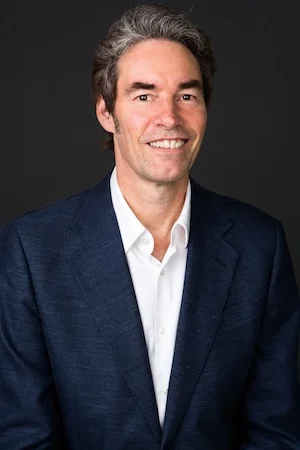
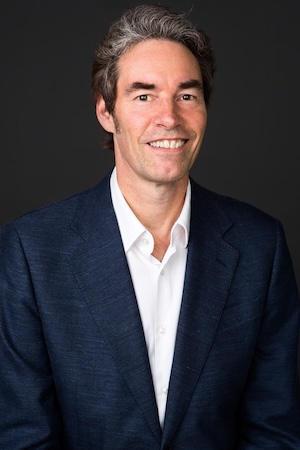
The LYCRA Company, a global leader in developing innovative fiber and technology solutions for the apparel and personal care industries, has officially announced the appointment of Alistair Williamson as the new Vice President of Product Sustainability. This strategic leadership move, effective as of April 30, 2026, signals a robust reinforcement of the company’s long-standing commitment to environmental stewardship and the development of circular economy solutions. Operating out of the company’s headquarters in Wilmington, Delaware, Williamson is tasked with steering the next chapter of the organization’s sustainability roadmap, overseeing comprehensive initiatives designed to mitigate environmental impact across global manufacturing operations, product innovation platforms, and supply chain logistics.
The appointment comes at a critical juncture for the textile and garment industry, which is facing unprecedented pressure from regulators, consumers, and environmental advocacy groups to reduce its carbon footprint and eliminate waste. In his new capacity, Williamson will report to the senior executive team, ensuring that sustainability is not merely a peripheral department but a core driver of the company’s commercial and technical innovation. His mandate includes the integration of sustainable practices into every stage of the product lifecycle—from raw material sourcing and polymer production to end-of-life considerations for stretch fabrics.
A Legacy of Expertise in Global Textile Markets
Alistair Williamson brings a formidable wealth of experience to this executive role, boasting a career that spans four decades within the textile fibers and apparel sectors. His professional journey has been defined by a deep understanding of the complex global supply chain, having held various high-level leadership positions in commercial operations, sales, and marketing. Williamson’s career has seen him stationed in key textile hubs across Europe, the Middle East, and Africa (EMEA), as well as North America and South Asia, providing him with a unique, multi-regional perspective on the challenges and opportunities inherent in the global fiber market.
Williamson’s tenure with the organization began in 2007, when he joined the predecessor of The LYCRA Company. Prior to that, he honed his technical and commercial skills working for two prominent nylon spinners, where he developed an intimate knowledge of synthetic fiber manufacturing. This technical background is expected to be instrumental as he leads the transition from traditional petroleum-based polymers to bio-derived and recycled alternatives. Throughout his nearly 20 years with the company, Williamson has been a vocal advocate for customer-centric innovation, a trait that the company believes will be essential in helping brand partners meet their own ambitious ESG (Environmental, Social, and Governance) targets.
Strategic Alignment and Executive Leadership
The decision to elevate Williamson to this specialized vice presidency reflects the company’s internal restructuring to prioritize the "Planet Agenda," The LYCRA Company’s framework for sustainability. Doug Kelliher, Executive Vice President of Product, emphasized the strategic importance of this appointment in a statement following the announcement.
"Alistair’s extensive expertise and deep industry relationships will be pivotal in driving our sustainability agenda forward," Kelliher stated. "As our customers—ranging from high-street retailers to luxury fashion houses—navigate increasingly stringent environmental regulations and evolving consumer expectations, they require partners who can offer more than just high-performance fibers. They need transparency, traceability, and a lower environmental profile. Alistair’s leadership will ensure that The LYCRA Company remains at the forefront of this transformation, delivering solutions that do not compromise on quality while significantly reducing our ecological footprint."
Williamson expressed a similar sense of urgency and commitment regarding his new responsibilities. "I am honored to step into this role at a time when the textile industry is undergoing a fundamental shift toward more sustainable and transparent practices," he noted. "Sustainability is no longer an optional feature; it is a prerequisite for doing business in the modern world. My goal is to advance sustainability as a shared priority across our entire organization, partnering closely with industry stakeholders to drive meaningful, lasting outcomes that benefit the planet and the people who rely on our products."
Chronology of Sustainability Milestones
The appointment of a dedicated Vice President of Product Sustainability is the latest in a series of aggressive steps taken by The LYCRA Company over the last decade. To understand the context of Williamson’s new role, it is necessary to look at the company’s recent timeline of environmental innovation:
- 2021-2022: The company intensified its focus on recycled content, expanding the LYCRA® EcoMade family of products. These fibers are made with a certain percentage of pre-consumer recycled materials, reducing waste and the reliance on virgin resources.
- 2023: The LYCRA Company announced a landmark collaboration to produce bio-derived spandex at scale. By partnering with Qore® to use QIRA®, a next-generation 1,4-butanediol (BDO) made from industrial corn, the company moved toward significantly reducing the carbon intensity of its signature fiber.
- 2024-2025: The commercial launch of Renewable LYCRA® fiber occurred, featuring up to 70 percent plant-based content. This breakthrough allowed brands to maintain the stretch and recovery properties of their garments while drastically lowering the CO2 emissions associated with fiber production.
- 2026: The appointment of Alistair Williamson marks the transition from product development to comprehensive organizational integration, focusing on "closing the loop" through textile-to-textile recycling initiatives and enhanced supply chain traceability.
Data-Driven Environmental Impact and Industry Context
The textile industry is frequently cited as one of the most polluting sectors globally, accounting for approximately 8% to 10% of global greenhouse gas emissions and 20% of global wastewater. Within this context, the role of synthetic fibers like spandex (elastane) is particularly scrutinized. While spandex typically makes up only a small percentage of a garment’s composition (usually 1% to 10%), its presence has historically made textile recycling difficult, as separating blended fibers is a complex chemical and mechanical process.
The LYCRA Company’s shift toward bio-based feedstocks and recycled inputs is backed by rigorous Life Cycle Assessment (LCA) data. For instance, the transition to QIRA®-based BDO is projected to reduce the carbon footprint of LYCRA® fiber by up to 44% compared to traditional fibers made from fossil-fuel-based inputs. By scaling these innovations under Williamson’s leadership, the company aims to contribute to the broader industry goal of reaching net-zero emissions by 2050.
Furthermore, the company has sought third-party certifications to validate its claims. These include the Global Recycled Standard (GRS), OEKO-TEX® certifications, and the Cradle to Cradle Certified® Products Program. These certifications provide the transparency that modern retailers demand to avoid "greenwashing" allegations and to comply with emerging legislation such as the EU’s Strategy for Sustainable and Circular Textiles.
Analysis of Implications for the Apparel Supply Chain
Williamson’s appointment is expected to have ripple effects throughout the apparel supply chain. As a primary upstream supplier, The LYCRA Company’s sustainability decisions directly influence the environmental profiles of thousands of brands. By focusing on product sustainability at the executive level, the company is positioning itself as a consultant and enabler for brands that are struggling to decarbonize their Tier 4 (raw material) and Tier 3 (fiber production) emissions.
Industry analysts suggest that Williamson’s focus will likely move beyond just the "input" side of the equation (what the fiber is made of) to the "usage" and "disposal" phases. This includes:
- Durability as Sustainability: Promoting the longevity of garments. High-quality elastane prevents "bagging and sagging," extending the wearable life of clothing and reducing the frequency of consumer replacement—a key tenet of the "slow fashion" movement.
- Circular Design: Developing fibers that are more compatible with existing and emerging recycling technologies. This involves collaborating with chemical recyclers to ensure that garments containing LYCRA® fiber can be broken down and reconstituted into new high-quality yarns.
- Traceability Platforms: Implementing digital passports or blockchain-based tracking to provide consumers and regulators with a clear "birth certificate" for the fibers used in their apparel.
Future Outlook and Challenges
While the appointment of Alistair Williamson is a significant milestone, the road ahead remains fraught with technical and economic challenges. The cost of bio-based and recycled raw materials remains higher than that of their petroleum-based counterparts. Williamson’s commercial background will be vital in navigating these economic realities, finding ways to scale sustainable solutions so they become price-competitive for mass-market adoption.
Furthermore, the global regulatory landscape is becoming increasingly fragmented. From the New York Fashion Act to the European Union’s Ecodesign for Sustainable Products Regulation (ESPR), The LYCRA Company must ensure its products meet a diverse array of international standards. Williamson’s experience across North America, EMEA, and Asia will be a critical asset in harmonizing the company’s global sustainability strategy with these local requirements.
As the industry looks toward the end of the decade, the focus is shifting from incremental improvements to radical transformation. With Alistair Williamson at the helm of product sustainability, The LYCRA Company is signaling to its investors, partners, and the global market that it intends to lead that transformation, ensuring that the future of stretch and performance fabrics is inextricably linked to the health of the planet.