










The landscape of college campuses has undergone a significant transformation regarding indoor tanning, with tanning beds rapidly disappearing from proximity to student life. This shift reflects a growing awareness of health risks, evolving cultural attitudes, and increased regulatory scrutiny, yet the desire for tanned skin persists, manifesting in new, albeit still risky, behaviors.
The Decline of the Campus Tanning Salon
A nostalgic drive through the University of Minnesota campus reveals a stark contrast to years past. Once dotted with numerous tanning salons, including prominent establishments like Darque Tan, these havens of artificial UV radiation are now conspicuously absent. The author recalls a college routine that seamlessly integrated biology lectures, news reporting classes, and visits to a nearby tanning salon, a common practice for many students during the 2000s. This era saw tanning beds as a readily accessible amenity, often located within walking distance of dormitories and lecture halls. Students at institutions like Purdue University could utilize facilities operated by entities like Big Ten Tan, situated so close to campus that mapping services considered them part of the university. Similarly, Arizona State University’s Vista del Sol apartment complex once advertised "tanning" as a resident amenity.
The integration of tanning services into campus life was not limited to physical proximity. In 2015, an investigation by Allure magazine revealed that nearly half of America’s top 125 colleges and universities offered tanning beds on campus or in associated off-campus housing. In some instances, students could even use their meal plans to pay for tanning sessions, alongside their food purchases. This widespread availability underscored the normalization of indoor tanning within the college demographic.
A Cultural and Regulatory Reckoning
The past decade has witnessed a significant decline in the presence of on-campus and near-campus tanning facilities. Many institutions have severed ties with tanning salons, and students can no longer use campus cards or meal plans for UV exposure. This change is attributed to several converging factors:
- Increased Health Awareness: Extensive research and public health campaigns have heightened awareness about the severe health risks associated with indoor tanning, particularly its link to skin cancer. A 2025 study from Northwestern Medicine and the University of California, San Francisco, highlighted that indoor tanning can triple the risk of skin cancer compared to never having tanned indoors. This growing body of evidence has been instrumental in shifting perceptions.
- Evolving Cultural Attitudes: Public opinion has gradually shifted against indoor tanning, influenced by health warnings and a growing appreciation for natural skin tones. Dr. Sherry Pagoto, PhD, a licensed clinical psychologist and professor at the University of Connecticut, notes a significant decrease in indoor tanning usage among young adults. Her research, including a 2015 study that inspired the initial Allure investigation, indicated a drop from 8.6% of individuals aged 18-29 reporting indoor tanning use in 2013 to approximately 3% in recent years.
- Impact of the COVID-19 Pandemic: The COVID-19 pandemic further accelerated the decline of indoor tanning. Lockdowns and a heightened focus on health and wellness likely contributed to a reduced demand for such services, putting "another nail in the sunbed coffin," as Dr. Pagoto describes.
- Regulatory Actions and Institutional Policies: While a nationwide ban on tanning beds for individuals under 18 proposed by the FDA was recently withdrawn, many states have implemented their own laws restricting access for minors. Furthermore, universities and colleges have proactively reassessed their partnerships and amenities, leading to the removal of tanning facilities.
The Persistent Pursuit of a Tan
Despite the decline of indoor tanning salons on or near campuses, the desire for tanned skin among young people has not waned. Instead, it has shifted towards other methods, primarily outdoor sun exposure.
The Rise of "Natural" Tanning:
A 2025 survey by the American Academy of Dermatology (AAD) revealed that half of Gen Z participants reported getting a sunburn in the previous year, and a quarter expressed the importance of achieving a tan, irrespective of future health implications. This indicates a significant segment of young people are actively seeking tanned skin, even with the known risks of sun exposure.
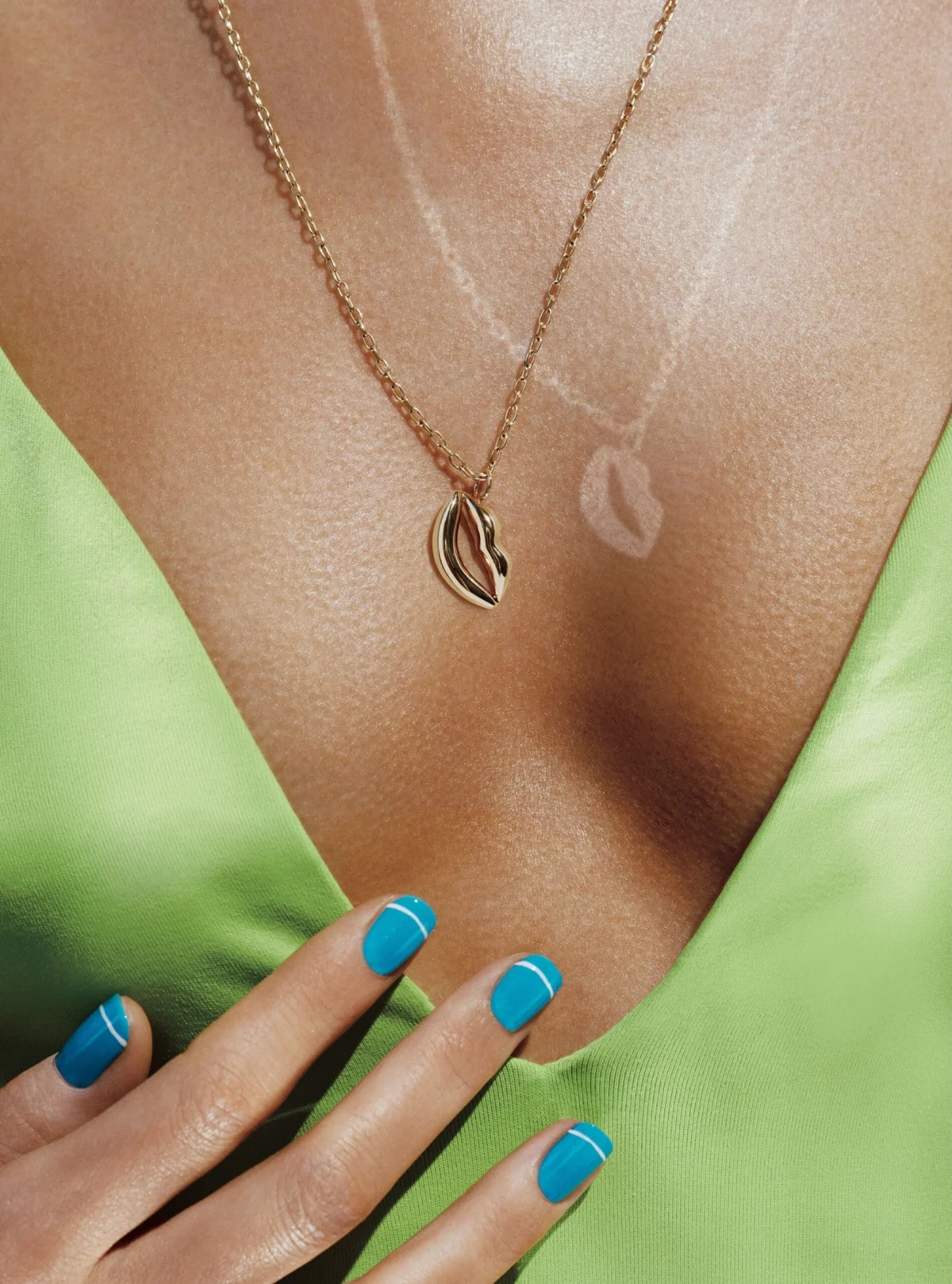
This trend is particularly amplified by social media platforms like TikTok and Instagram. Searches for "tanning" have seen substantial year-over-year growth on these platforms, according to Spate Data. Content creators frequently share their "tanning credentials," showcasing bronzed skin and detailing daily routines for sun exposure. These posts often include timed tanning schedules and images of prominent tan lines, serving as aspirational content for viewers to emulate.
Social Media’s Influence and Misinformation:
The allure of a tan is often promoted through social media channels that can inadvertently spread misinformation and encourage risky behaviors. Tanning creators often share tips for achieving a tan, frequently recommending products formulated without SPF. They also actively monitor the UV Index, an indicator of the sun’s intensity, not to prevent sunburn but to optimize UV exposure for faster tanning. Smartphone applications, such as SunIQ and SunTracker, are specifically designed to track the UV Index and help users create tanning routines, including timed notifications for applying oils or repositioning themselves.
This practice is directly contrary to the original intent of the UV Index, which was developed to help individuals identify strong sun rays to prevent sunburn and skin cancer. Dr. Laurel Geraghty, MD, a board-certified dermatologist, describes this phenomenon as "horrifying," noting that users are now leveraging the UV Index to maximize their exposure to ultraviolet light for the quickest tan or burn.
The "2000s Aesthetic" and Body Image:
Experts suggest that the resurgence of 2000s fashion and beauty trends, including a preference for thin, tanned physiques, is contributing to the renewed popularity of tanning. This aesthetic, often perpetuated by celebrities and influencers of that era, is being emulated by younger generations. The perceived benefits of a tan, such as making the skin appear thinner, more even-toned, and less prone to visible acne, further fuel this desire. However, dermatologists caution that tanning can actually exacerbate acne and post-acne scarring.
Dr. Jerod Stapleton, PhD, a professor at the University of Kentucky College of Public Health who studies tanning habits and body image, explains that a significant gap often exists between an individual’s current appearance and their perceived ideal. This dissatisfaction can drive tanning behaviors as a means to achieve a desired look and feel better in the moment. The immediate gratification of a tan can override concerns about long-term health consequences.
The Enduring Risks: No Safe Tan
Despite increased awareness and the shift away from indoor tanning, the fundamental risks associated with UV exposure remain unchanged.
The Carcinogenic Nature of UV Radiation:
Both the sun and tanning beds emit ultraviolet (UV) radiation, which is a known carcinogen. Dr. Geraghty emphasizes that UV light causes cancer, irrespective of its source. The notion that tanning is acceptable for vitamin D production is also challenged by health professionals. While UV exposure does facilitate vitamin D synthesis, safer alternatives like dietary changes and supplementation are recommended. A mere 10 minutes of sun exposure can provide a day’s worth of vitamin D, a far cry from the prolonged, intense sessions often pursued for tanning.

The Cumulative Damage:
The damage caused by UV radiation is cumulative. Every tanning session, whether indoors or outdoors, contributes to an individual’s lifetime exposure and increases their risk of developing skin cancer. Multiple sunburns and frequent tanning bed use are identified as accelerating this process.
The Rise of Skin Cancer:
The consequences of past and present tanning habits are becoming increasingly evident. Melanoma, the deadliest form of skin cancer, is on the rise, with projections indicating a significant increase in cases. While improved detection methods contribute to this statistic, the long-term effects of tanning bed use by previous generations are now manifesting. Beyond melanoma, basal and squamous cell carcinomas, which can be disfiguring and even fatal, are also significant concerns. The government’s lack of dedicated tracking for these common skin cancers hinders a full understanding of their prevalence.
Generational Differences and Colorism:
Historically, indoor tanning has been more prevalent among certain demographics. Studies from the late 2000s and early 2010s indicated a higher rate of indoor tanning among white women. This contrasts with the experiences of Black and brown women, who have often faced societal pressures to avoid the sun due to colorism. This dynamic might influence current tanning trends, with some younger individuals of color potentially seeking a tan to align with prevailing beauty standards.
The Psychological and Social Drivers
Understanding why young people continue to tan despite widespread knowledge of the risks requires examining psychological and social factors.
Confidence and Social Acceptance:
For many young tanners, a tan is linked to increased confidence and a feeling of attractiveness. The pursuit of a tan is often driven by a desire to fit in with social norms and beauty standards. A 2023 study found that sorority members, who are often part of a social dynamic where tanned skin is valued, reported higher rates of tanning bed use for confidence boosts and social integration.
The Immediate vs. The Abstract:
Dr. Clint Salo, MD, a psychiatrist specializing in behavioral health, explains that when self-image is closely tied to appearance, individuals may prioritize immediate gratification over long-term health risks. The visible payoff of a tan is immediate and tangible, while the threat of skin cancer or premature aging feels distant and abstract. This cognitive bias can lead to discounting long-term risks. The AAD survey found that 25% of young respondents felt it was "worth looking great now, even if it means looking worse later."
The Role of Social Media Feedback Loops:
Social media platforms, particularly TikTok, create powerful feedback loops that can override health knowledge. The algorithms are designed to deliver content that resonates with users, leading to a constant stream of tanning-related posts. This exposure, especially for individuals whose frontal cortex (responsible for decision-making) is still developing, can normalize and glamorize tanning behaviors. The reward of likes, attention, and a sense of belonging can outweigh established health information.
The Illusion of Reversal:
The increasing mainstream acceptance of aesthetic procedures like lasers and peels may lead some young people to believe they can reverse the damage caused by tanning. However, these procedures can be costly and may not fully undo the long-term effects of UV exposure. Precancerous cells, for instance, cannot be eliminated by cosmetic treatments.
A Call for Renewed Public Health Efforts
The persistence of tanning behaviors, despite significant public health messaging, highlights the need for continued and potentially intensified efforts.
Governmental and Institutional Responsibility:
Critics point to a perceived lack of consistent government action regarding tanning education. Unlike the comprehensive anti-smoking initiatives of past decades, tanning has not received the same level of public health attention. The repeal of the tanning tax under the "Big Beautiful Bill" and the FDA’s withdrawal of a proposed nationwide ban on tanning beds for minors are cited as examples of policies that may inadvertently encourage tanning.
Education and Awareness:
Organizations like AIM at Melanoma are working to raise awareness about the dangers of tanning. Their efforts aim to counter the normalization of tanning and emphasize that there is "no such thing as a safe tan." The cumulative nature of UV damage underscores the importance of consistent sun protection practices.
Shifting Perspectives:
Survivors of skin cancer, like Brittanny Groover, who was diagnosed with stage 3 melanoma at 27, offer firsthand accounts of the devastating consequences of tanning. Groover’s experience with immunotherapy and its side effects serves as a stark reminder of the potential price of tanning. Her message to current tanners is to reframe their understanding: "When our skin is getting darker from UV rays, it’s actually screaming out for help."
The Future of Tanning:
While indoor tanning has declined, the pursuit of tanned skin continues through sun exposure, often with inadequate protection. The interplay of social media influence, body image pressures, and the allure of an immediate aesthetic payoff creates a complex challenge. Public health initiatives must adapt to these evolving trends, focusing on education, promoting safer alternatives like sunless tanning, and fostering a culture where healthy skin is valued over tanned skin. The long-term health of younger generations depends on a collective shift in perspective, recognizing that the perceived beauty of a tan comes with significant, and potentially life-threatening, risks.