




The 79th annual Cannes Film Festival reached its formal conclusion on Saturday evening, bringing an end to twelve days of intensive cinematic screenings, industry negotiations, and high-profile public appearances. Held at the Palais des Festivals et des Congrès, the closing ceremony served as the final stage for the festival’s prestigious awards, including the announcement of the Palme d’Or. While the primary focus of the evening remained on the achievements of directors, actors, and producers, the red carpet functioned as a critical platform for the global luxury fashion industry. Representatives from major fashion houses and jewelry brands utilized the event to debut pieces from upcoming collections, highlighting the symbiotic relationship between international cinema and high-end retail marketing.
A Convergence of Heritage and Modernity in Haute Couture
The closing night of the 2026 festival was characterized by a diverse array of sartorial choices that spanned from traditional Hollywood glamour to avant-garde experimentation. Industry analysts noted a significant trend toward "architectural minimalism" and "maximalist embellishment," with many attendees opting for looks that emphasized technical craftsmanship over fleeting trends.
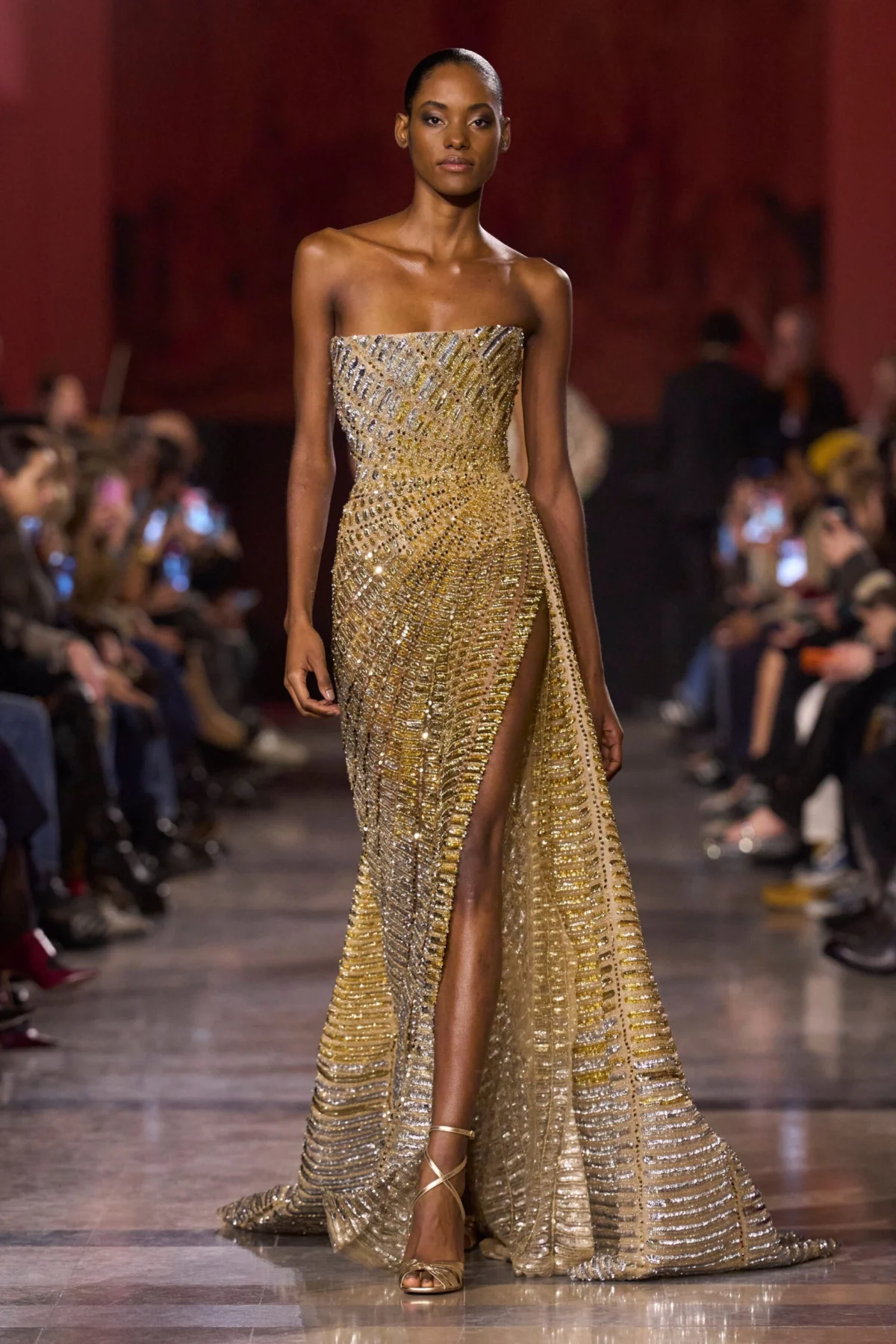
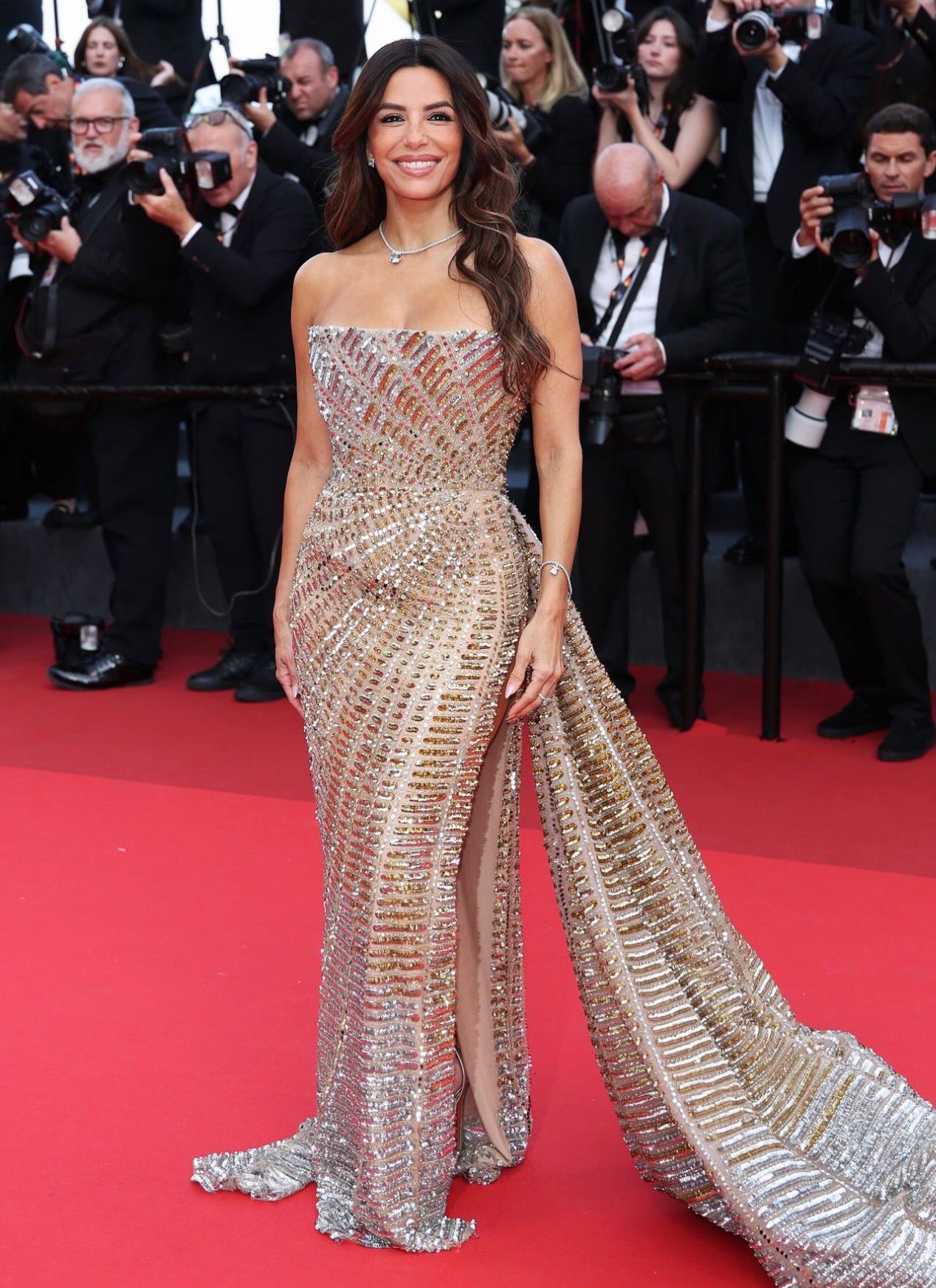
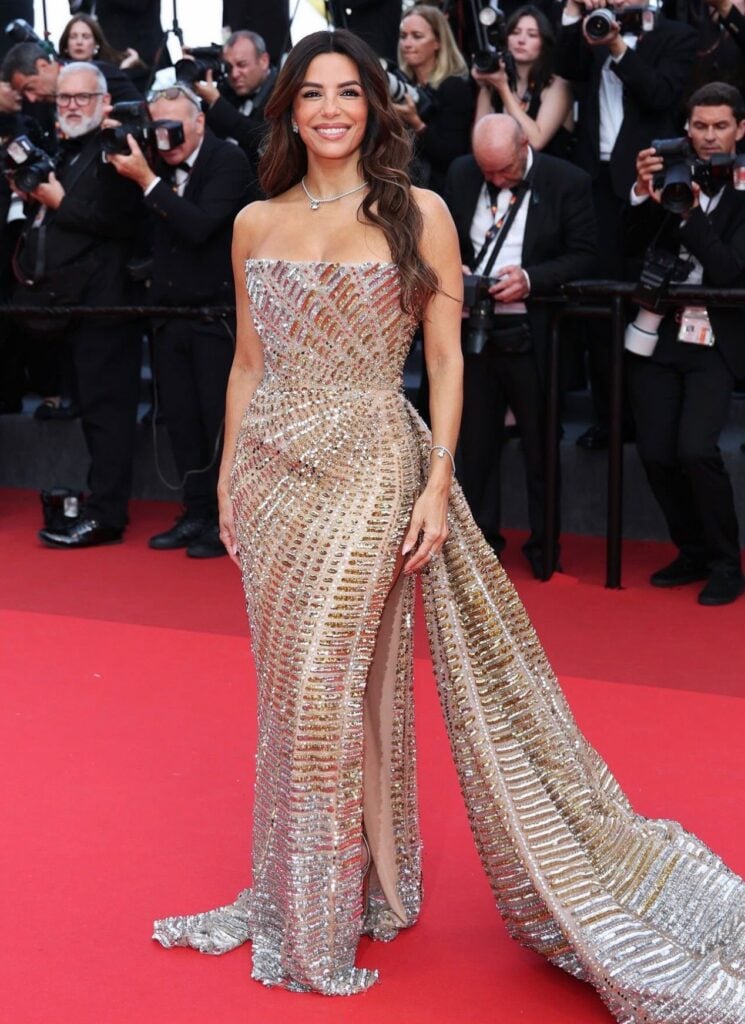
Eva Longoria, attending in her long-standing capacity as a L’Oréal Paris brand ambassador, represented the intersection of commercial partnership and red carpet tradition. Longoria appeared in a crystal-encrusted gown from the Elie Saab Spring 2026 Haute Couture collection. The garment featured intricate beadwork and a shimmering finish designed to capture the high-intensity lighting of the Palais. Observers noted that the selection aligned with the "Liquid Gold" aesthetic prevalent in Saab’s recent collections, which emphasizes fluidity and metallic textures. The look was accessorized with high jewelry from Garatti, a choice that underscored the festival’s role as a premier showcase for global luxury goods.
Architectural Minimalism and the Rise of "Midnight" Aesthetics
In contrast to the heavy embellishments seen on many attendees, Sofia Carson opted for a more structured approach. Her appearance in a sculpted black gown from Carolina Couture demonstrated a shift toward what fashion historians call "Midnight Minimalism." The gown featured clean, geometric lines and was paired with opera gloves, a classic accessory that has seen a resurgence on the 2026 circuit. Carson’s ensemble was further elevated by emerald accents from Chopard, the festival’s official partner. This strategic pairing highlighted the importance of high-contrast jewelry against monochromatic backdrops, a technique frequently used to enhance visibility in photographic coverage.
Similarly, director Chloé Zhao maintained her established aesthetic by wearing a design from Gabriela Hearst. Known for her commitment to sustainable luxury, Hearst’s designs for Zhao throughout the festival have been characterized by understated elegance and a focus on textile quality. Zhao’s consistency in brand partnership reflects a broader industry movement where creators align themselves with designers whose values mirror their own professional ethos.

Technical Artistry and Color Theory on the Red Carpet
The use of color served as a vital narrative tool during the closing ceremony. Geena Davis appeared in a burgundy Pamella Roland gown, which utilized Art Deco-inspired geometric motifs. The deep wine shade provided a stark contrast to the traditional black-tie attire of the event, while the use of sequins and a streamlined silhouette adhered to the formal requirements of the closing gala. This look was cited by critics as an example of "ageless glamour," demonstrating how veteran performers continue to command attention through sophisticated color palettes and classic tailoring.
Monia Chokri also engaged with high-contrast visuals, wearing a black-and-white Prada gown. The garment featured crystal embellishments and a chiffon train, though the latter drew mixed reviews from technical analysts who questioned the structural cohesion of the added fabric. Despite this, the Prada ensemble reinforced the brand’s dominance in the 2026 festival season, following several high-profile appearances by other members of the jury and featured cast members earlier in the week.

The Influence of Global Design Houses
The presence of Asian design houses was particularly notable during the 2026 ceremony, signaling the continued globalization of the fashion industry. Aishwarya Rai Bachchan, a fixture at the Cannes Film Festival for over two decades, chose a highly ornate look from Cheney Chan. The ensemble incorporated feathers, lace, and intricate embroidery, centered around a large feather stole. While some industry commentators suggested the look lacked the "editing" required for a cohesive red carpet appearance, others viewed it as a bold commitment to maximalism. The choice of Cheney Chan highlights the increasing influence of Chinese haute couture on the international stage, as designers from the region continue to secure placements on the world’s most-watched red carpets.
In a more subtle display of craftsmanship, Tao Okamoto showcased a layered maternity look from the Chanel Fall 2026 Ready-to-Wear collection. The dress utilized delicate floral motifs and fluid proportions to accommodate her silhouette, reflecting a softer, more introspective mood. Complemented by Chanel sandals, the look was praised for its technical execution and the brand’s ability to adapt runway pieces for specific client needs.

Chronology of the 79th Cannes Film Festival
To understand the significance of the closing ceremony, it is necessary to examine the timeline of the twelve-day event:
- May 12, 2026 (Opening Day): The festival commenced with the world premiere of the opening night film, attended by the international jury. Early fashion trends leaned toward archival pieces and vintage revivals.
- May 15–18, 2026 (Mid-Festival Highlights): Major studio releases and independent features premiered, bringing a surge of global talent to the Croisette. This period saw the highest volume of "brand activations" and luxury events.
- May 20, 2026 (AmfAR Gala): A pivotal secondary event that often dictates the fashion narrative leading into the final weekend.
- May 23, 2026 (Closing Ceremony): The final red carpet event, followed by the awards presentation and the screening of the closing film. The atmosphere was one of formal culmination, with many attendees opting for "power dressing" to mark the gravity of the awards.
Market Data and Economic Impact of Red Carpet Visibility
The 2026 Cannes Film Festival continues to be a major driver of "Media Impact Value" (MIV). According to data from marketing analytics firms, a single red carpet appearance by a major brand ambassador like Eva Longoria or Aishwarya Rai Bachchan can generate upwards of $5 million in MIV within the first 48 hours.

The luxury sector’s investment in the festival is significant. Brands such as L’Oréal, Chopard, and Chanel provide not only the garments and jewelry but also the technical support teams—including stylists, makeup artists, and publicists—necessary to maintain a flawless public image. In 2026, the estimated total value of the jewelry worn during the closing ceremony alone exceeded $150 million. This economic influx extends to the local economy of Cannes, which sees a seasonal spike in hospitality and service industry revenue during the festival period.
Official Responses and Industry Implications
Festival organizers released a statement following the ceremony, praising the "harmonious blend of artistic achievement and cultural celebration." While the official focus remains on the films, industry insiders acknowledge that the red carpet serves as the "commercial engine" of the festival.

"The closing ceremony is more than a finale; it is a global broadcast that reinforces the prestige of the Cannes brand," stated one industry consultant. "When we see a director like Chloé Zhao or an actress like Sofia Carson in these meticulously curated looks, it validates the festival’s status as the epicenter of the cultural elite."
The implications of the 2026 festival are expected to resonate throughout the upcoming awards season. The films honored during the ceremony will likely see a boost in international distribution deals, while the fashion houses featured on the closing night will begin to see the influence of these red carpet looks in their retail ready-to-wear lines.

Broader Cultural Impact
The 2026 Cannes Film Festival has demonstrated that the red carpet is no longer just a peripheral attraction but a sophisticated medium for storytelling and brand building. The shift toward diverse representation—both in terms of the designers featured and the backgrounds of the attendees—reflects a changing global landscape. As the curtain falls on the 79th festival, the images of liquid gold, midnight minimalism, and avant-garde feathers will remain as the visual record of a year that prioritized both cinematic excellence and the enduring power of haute couture.