




The modern apparel industry, dominated by the phenomenon known as fast fashion, has emerged as a significant global challenge, exerting extensive damage on the planet, perpetuating worker exploitation, and causing harm to animals. This article provides a comprehensive overview of fast fashion, its historical trajectory, the multifaceted issues it engenders, and the urgent imperative for systemic change and conscious consumer choices.
The Rise of Rapid Retail: A Historical Overview
For centuries, clothing production was a slow, deliberate process deeply intertwined with local resources and craftsmanship. Before the 1800s, individuals or small communities typically sourced raw materials like wool, linen, or leather, processed them, wove fabrics, and then meticulously crafted garments. This inherently limited production volume and fostered a culture of mending, reusing, and valuing each piece of clothing.
The Industrial Dawn and Early Exploitation
The advent of the Industrial Revolution in the late 18th and 19th centuries marked a pivotal shift. Innovations such as the power loom and, crucially, the sewing machine, dramatically increased production efficiency. Clothes became easier, quicker, and cheaper to manufacture, leading to the emergence of larger-scale dressmaking shops that catered to a growing middle class. However, this progress was often built upon the foundations of labor exploitation. Sweatshops, characterized by long hours, low wages, and unsafe working conditions, became prevalent. A stark early warning of this dark side was the tragic Triangle Shirtwaist Factory fire in New York in 1911, which claimed the lives of 146 garment workers, predominantly young female immigrants, due to inadequate safety measures and locked exits. This event, though decades before fast fashion’s peak, underscored the industry’s historical vulnerability to prioritizing profit over human safety.
Post-War Boom and Accelerating Trends
The mid-20th century witnessed further evolution in consumer behavior. The economic boom of the 1960s and 1970s, coupled with evolving social norms, fostered an environment where fashion became a potent form of personal expression. Consumers, with increased disposable income, began experimenting with diverse styles, driving a demand for larger, more varied wardrobes. Shopping for clothes gradually transitioned from an occasional necessity to a regular leisure activity.
The Birth of Fast Fashion Giants
The true acceleration towards modern fast fashion began in the 1980s. Brands like Zara and H&M pioneered new manufacturing models. Initially, they outsourced garment sewing locally, but as labor and real estate costs rose in Western economies, they increasingly looked further afield, particularly to Asia, where production could be significantly cheaper. This strategic shift allowed these retailers to rapidly reproduce runway trends and celebrity styles at unprecedented speeds and prices. By the early 1990s, when Zara established its presence in New York, the term "fast fashion" was coined by The New York Times to describe the brand’s remarkable ability to move a garment from the design stage to store shelves in as little as 15 days. This revolutionary speed, coupled with affordability, captivated consumers and rapidly scaled the business models of these pioneering brands.
The 2000s: Global Domination and Ultra-Fast Evolution
By the 2000s, fast fashion was in full swing, with brands like H&M, Zara, GAP, Primark, and Topshop becoming ubiquitous fixtures in shopping malls and high streets globally. Online shopping further amplified this phenomenon, making trendy, inexpensive clothing accessible to virtually everyone. The promise was alluring: dress like your favorite celebrity, wear the latest trends fresh from the catwalk, all without breaking the bank. However, the true cost of these $5 t-shirts remained largely hidden from the average consumer until a devastating event forced a global reckoning.
In 2013, the Rana Plaza clothing manufacturing complex in Bangladesh collapsed, killing over 1,000 workers and injuring thousands more. This catastrophic event served as a brutal reality check, exposing the perilous conditions and extreme pressures under which fast fashion garments were produced. It ignited a global conversation about the human cost embedded in cheap clothing and galvanized movements like Fashion Revolution Week, which annually commemorates the tragedy and calls for greater transparency and accountability in the supply chain.
Since then, the industry has continued to evolve, giving rise to "ultra-fast fashion" players such as SHEIN, Missguided, Temu, and Fashion Nova. These brands have pushed the boundaries of speed and consumption even further, releasing thousands of new designs daily and operating with even shorter production cycles, exacerbating the environmental and social challenges posed by traditional fast fashion.
Defining the Fabric of Exploitation: What is Fast Fashion?
Fast fashion can be precisely defined as the production of cheap, trendy clothing that rapidly samples ideas from high fashion catwalks or celebrity culture and transforms them into garments at breakneck speed to meet immediate consumer demand. Its core tenets are:
- Unprecedented Speed: The ability to move from design concept to retail availability in mere weeks, allowing brands to capitalize on fleeting trends.
- Extreme Affordability: Garments priced so low that they are often cheaper than a meal, encouraging impulse buying and disposability.
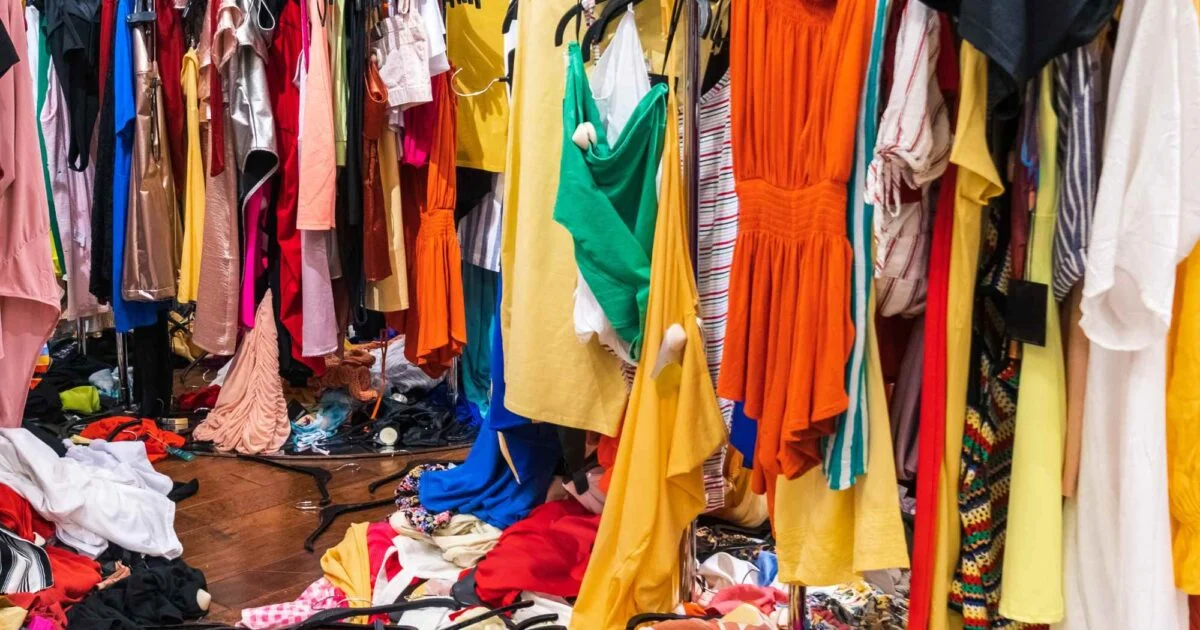
- High Volume and Overproduction: A business model predicated on constantly churning out new collections—sometimes weekly—leading to massive excess inventory.
- Disposable Culture: The implicit encouragement for consumers to view clothing as single-use or short-term items, discarding them after a few wears. This is reinforced by aggressive marketing that frames "outfit repeating" as a fashion faux pas, creating a constant sense of need for novelty and ultimate dissatisfaction.
- Replication over Innovation: Focus on copying popular styles rather than investing in original design or high-quality materials.
These characteristics collectively form a toxic system of overproduction and consumption that has positioned the fashion industry as one of the world’s largest polluters.
The Triple Threat: Environmental, Social, and Ethical Toll
The consequences of fast fashion are far-reaching, impacting the planet, human welfare, and animal populations in profound and often irreversible ways.
Planetary Degradation: A Looming Crisis
The environmental footprint of fast fashion is immense, largely due to the relentless pressure to cut costs and accelerate production, which inevitably leads to the cutting of environmental corners.
- Water Pollution: The fashion industry is a colossal consumer and polluter of clean water. Cheap, toxic textile dyes are extensively used, making it one of the largest polluters of clean water globally, comparable to agriculture. Chemical runoff from dyeing processes contaminates rivers and oceans, affecting ecosystems and human health. Greenpeace’s "Detox" campaigns have, for years, pressured brands to eliminate dangerous chemicals from their supply chains, highlighting the severity of this issue.
- Material Impact: The choice and management of textiles significantly amplify environmental harm. Polyester, a ubiquitous fabric in fast fashion, is derived from fossil fuels, contributing to global warming. Moreover, it sheds microfibres—tiny plastic particles—when washed or even worn, adding to the escalating levels of plastic pollution in our oceans and entering the food chain. Even natural, plant-based fabrics pose problems at the scale demanded by fast fashion. Conventional cotton cultivation, for instance, requires enormous quantities of water and pesticides, particularly in countries like India and China. This leads to severe drought risks, extreme stress on water basins, and intense competition for resources between industrial operations and local communities, impacting agricultural land and local livelihoods.
- Waste Epidemic: The constant churn of trend cycles, the production of new styles, and the encouragement to buy more directly result in staggering amounts of textile waste. Clothes are discarded prematurely due to shifting trends or, more commonly, because of their inherently poor quality manufacturing. While precise global figures are challenging to ascertain, visual evidence, such as the illegal textile waste dumps in Chile’s Atacama Desert, offers a stark illustration. Estimates suggest at least 39,000 tonnes of discarded clothing are dumped annually in the Atacama, forming a pile so vast it is visible from space. This mountain of discarded garments represents wasted resources, energy, and labor.
- Broader Ecological Footprint: The high demand for raw materials for clothing production also has broader ecological implications. It drives land clearing for material cultivation (e.g., cotton fields, grazing for leather), leading to declining biodiversity and soil quality. The processing of leather, for example, contributes to deforestation for cattle ranching and introduces toxic chemicals during the tanning process, further exacerbating environmental degradation.
Human Cost: Lives Stitched in Poverty and Peril
Beyond environmental devastation, fast fashion carries a profound human cost, disproportionately affecting garment workers and farmers in the global South.
- Worker Exploitation: Millions of garment workers, predominantly women, labor in dangerous environments for egregiously low wages, often without fundamental human rights such as safe working conditions, fair pay, or the right to unionize. Brands frequently pressure suppliers to produce more for lower costs, a common fast fashion practice that invariably translates into meager pay and increased pressure for workers. The lack of long-term commitment from brands to their supplier factories further destabilizes workers’ livelihoods and hinders factories from investing in costly but crucial initiatives, such as transitioning to clean energy.
- Rana Plaza Tragedy’s Legacy: The Rana Plaza collapse in 2013 stands as a grim testament to this exploitation. It highlighted not only the structural dangers but also the systemic neglect of workers’ rights. The aftermath spurred significant efforts by international labor organizations and consumer advocacy groups to push for improved safety standards and living wages, though progress remains slow and uneven.
- Farmers’ Plight: Further down the supply chain, farmers cultivating materials like cotton are often exposed to highly toxic pesticides and brutal working practices. The documentary "The True Cost" vividly illustrates how these conditions can have devastating impacts on their physical and mental health, including chronic illnesses and suicides linked to debt and pesticide exposure.
Animal Welfare: A Silent Suffering
Animals are also caught in the destructive web of fast fashion. Indirectly, the toxic dyes and microfibres released into waterways are ingested by both land and marine life, accumulating through the food chain with devastating effects on ecosystems and biodiversity. Directly, the demand for animal-derived products like leather, fur, and even wool often compromises animal welfare. Numerous scandals have revealed instances where real fur, including that from cats and dogs, has been misrepresented and sold as faux fur to unsuspecting consumers, highlighting a lack of transparency and ethical oversight in sourcing.
Consumer Coercion and Creative Theft
Fast fashion subtly manipulates consumer psychology, fostering a throwaway culture through two primary mechanisms: the built-in obsolescence of its poorly manufactured products and the relentless speed at which new trends emerge. This constant cycle of "need" and purchase creates a perpetual sense of dissatisfaction, as yesterday’s trend is rapidly replaced by today’s, leaving consumers feeling perpetually behind. Furthermore, fast fashion has faced significant criticism on intellectual property grounds, with numerous independent designers alleging that large retailers have illegally mass-produced their unique designs, stifling creativity and fair competition.
Greenwashing and the Illusion of Sustainability
As consumer awareness of fast fashion’s true costs grows, many brands have responded by introducing "sustainable" or "ethical" initiatives. However, these are frequently superficial and constitute "greenwashing"—marketing tactics designed to make consumers believe a brand’s environmental effectiveness is greater than it truly is.
Examples include:
- In-store recycling schemes: While seemingly positive, investigations have revealed that only a minuscule fraction (as low as 0.1%) of all clothing collected by charities and take-back programs is actually recycled into new textile fibers. The vast majority ends up in landfills or is downcycled.
- "Eco-collections" or organic/recycled labels: Promoting specific items made from organic cotton or recycled polyester can be misleading if the brand’s overall materials mix is still dominated by high-impact synthetics or conventional fibers. Without full supply chain transparency and a holistic approach, these small ranges do little to counter the systemic issues of overproduction and waste.
The fundamental issue lies in the fast fashion business model itself: its reliance on speed, volume, and low costs inherently conflicts with true sustainability. While a few major fast fashion brands are taking some steps to address their impacts, genuine sustainability cannot be achieved without a radical overhaul of their core operations.
Charting a New Course: Towards a Sustainable Fashion Future
The urgent need for change is undeniable, and efforts are emerging on multiple fronts—from policy-makers to consumers and innovative brands.
Policy and Regulation: A Global Push
Increasingly, governments worldwide are recognizing the need to regulate the fashion industry. Policies are being tabled and passed to hold brands accountable for the entire lifecycle of their garments, including their end-of-life disposal. These regulations aim to incentivize design for durability, make clothes easier to reuse, repair, and recycle, and enforce greater supply chain transparency. Such governmental intervention is crucial if the industry is to align with global climate targets, such as limiting global warming to 1.5°C by the end of the century, as outlined by The Paris Agreement in 2015. While these emerging regulations are still evolving and often criticized for not going far enough, they represent a significant step towards holding large corporations responsible.
Consumer Empowerment: Shifting Habits
Individual consumer choices, though not solely responsible for systemic issues, play a vital role in shifting demand and supporting alternative models. British designer Vivienne Westwood’s timeless advice encapsulates this perfectly: "Buy less, choose well, make it last."
- Buying Less: This is the foundational step. Consumers can cultivate a deeper appreciation for their existing wardrobes by restyling garments, "flipping" them into new looks, or participating in clothes swaps with friends. Creating a capsule wardrobe—a collection of versatile, essential items—can reduce impulse purchases. For special occasions, renting outfits offers a sustainable alternative to buying new items for a single wear.
- Choosing Well: When purchasing, prioritize high-quality garments made from lower-impact materials. Understanding material guides is essential for making informed decisions. Embracing second-hand shopping through thrift stores, consignment shops, or online platforms significantly reduces demand for new production. Supporting brands committed to ethical and sustainable practices, often characterized by transparency and responsible sourcing, reinforces a better industry model.
- Making it Last: Proper garment care, following laundry instructions, mending clothes wherever possible, and wearing items until they are truly worn out are crucial. At the very end of a garment’s life, responsible recycling or disposal helps divert textiles from landfills.
The Rise of Slow Fashion
In direct opposition to fast fashion, the "slow fashion" movement champions an alternative paradigm. Slow fashion prioritizes quality over quantity, timeless design over fleeting trends, and ethical production over exploitation. It emphasizes longevity, transparency, fair wages, and environmental stewardship throughout the entire supply chain. Brands aligning with slow fashion principles focus on crafting durable garments from responsibly sourced materials, often in smaller batches, fostering a deeper connection between consumers and their clothing. Examples include brands like Afends, which champions hemp fashion; Q for Quinn, offering non-toxic, organic essentials; ISTO., focusing on season-transcending staple items; tentree, known for its tree-planting initiative and Earth-first approach; Goodnap, crafting restwear with survivors of human trafficking; Artknit Studios, creating timeless knitwear from lower-impact materials; Outland Denim, providing employment for women rescued from human trafficking; Harvest & Mill, which cultivates, mills, and sews in the US with organic cotton; Mashu, a vegan accessories label; and ARTICLE22, creating jewelry from recycled war materials. These brands demonstrate that stylish, high-quality fashion can exist without compromising people, planet, or animals.
Generational Responsibility
While there is a growing consciousness among younger generations regarding the climate emergency, a significant "intention-reality gap" persists. Millennials and Gen Z, despite their stated environmental concerns, are currently major drivers of the ultra-fast fashion economy, with brands like SHEIN heavily targeting young shoppers. The hope that "Generation Alpha" might fundamentally alter the status quo for fashion in light of the climate crisis is often expressed, with some analysts suggesting they are more inclined to "do" rather than just "talk." However, similar hopes were pinned on previous generations. It is a collective responsibility to acknowledge that waiting for future generations to solve today’s problems is not a viable strategy.
Conclusion: A Call for Systemic Change and Conscious Choices
The era of fast fashion, while offering unprecedented accessibility to trends, has come at an unacceptable cost. The pervasive environmental degradation, the systematic exploitation of human labor, and the silent suffering of animals demand urgent attention and fundamental change.
Moving forward, a multifaceted approach is essential. This includes robust governmental regulations that hold brands accountable, incentivizing sustainable practices, and penalizing exploitation. Simultaneously, consumer habits must evolve towards greater mindfulness and appreciation for clothing. By embracing the principles of buying less, choosing well, and making clothes last, individuals can contribute to a significant shift in market demand. The future of fashion lies in a circular, ethical, and sustainable model, where the true cost of a garment is reflected not only in its price tag but also in its positive impact on the world.