


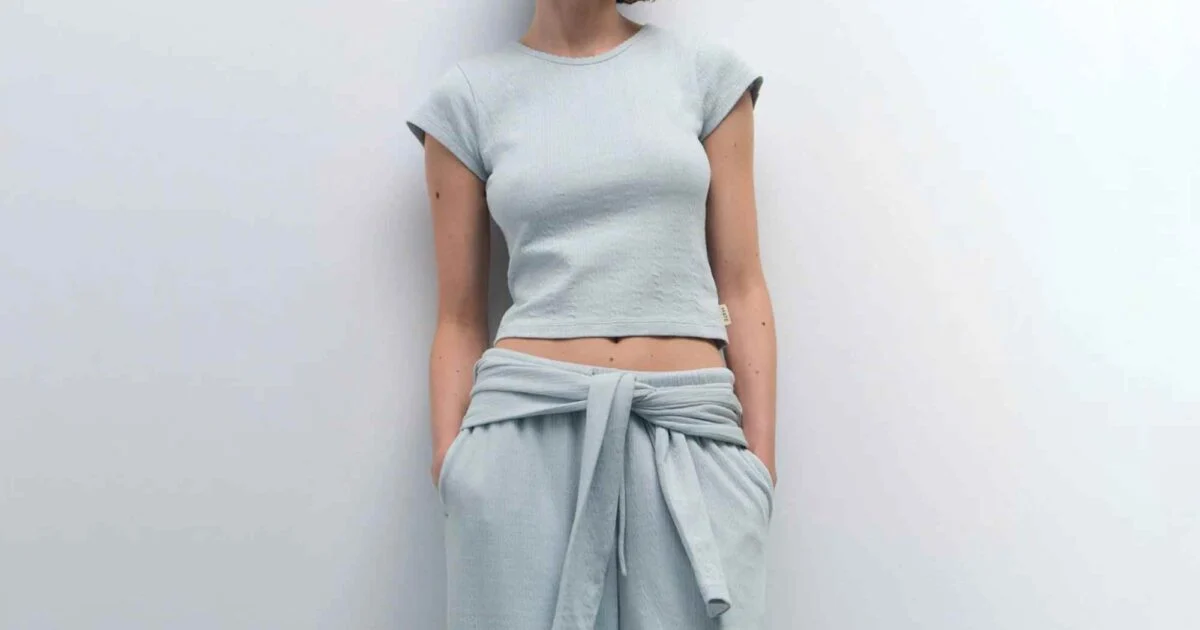
In an evolving global landscape where consumer priorities are shifting towards both comfort and ethical responsibility, the demand for sustainable loungewear has surged, prompting a critical examination of fashion industry practices. Our editors meticulously curate highly-rated brands, each rigorously assessed by our proprietary ratings system, ensuring that purchases made through our affiliated links not only provide quality products but also support the independent journalistic work we undertake. This round-up of more sustainable loungewear sets aims to seamlessly integrate comfort, style, and environmentally conscious practices, ticking all the essential boxes for the modern consumer. The selection includes a diverse range of items—from hoodies and tops to sweatpants, shorts, and more—all sourced from brands that have achieved high ratings within our comprehensive methodology.
The contemporary lifestyle, marked by increased remote work arrangements, a greater emphasis on personal well-being, and a societal pivot towards mindful consumption, has elevated loungewear from a mere casual category to a foundational element of many wardrobes. The act of sinking into soft, comfortable attire can be a vital component of unwinding after a demanding day, transitioning into a relaxed weekend mode, or simply maximizing the inherent advantages of working from home. However, this burgeoning demand has simultaneously brought into sharp focus a significant environmental challenge: a substantial portion of conventional loungewear is manufactured using petroleum-derived materials such as fleece and polyester. These synthetic fabrics contribute to microplastic pollution and rely on finite fossil fuel resources, presenting a considerable hurdle for consumers seeking to align their purchases with responsible environmental stewardship. Identifying brands that genuinely commit to more sustainable and ethical production in this specific clothing category has historically been complex and challenging for the average shopper.
This is precisely where Good On You steps in, providing a crucial service in the often-opaque world of fashion sustainability. Through an exhaustive and transparent assessment framework, we have compiled a curated selection of loungewear sets from brands that have earned "Good" or "Great" ratings against our established methodology. This rigorous vetting process ensures that consumers can confidently invest in comfortable apparel that not only meets their aesthetic and comfort needs but also unequivocally aligns with their deeply held personal values regarding environmental protection and social equity.
The Genesis of Sustainable Loungewear: A Post-Pandemic Imperative
The acceleration of the sustainable loungewear trend is not merely a fleeting fashion moment but a reflection of profound shifts in consumer behavior and global awareness. The COVID-19 pandemic, in particular, acted as a catalyst, blurring the lines between work and leisure and fundamentally altering dress codes. As individuals spent more time at home, the demand for comfortable yet presentable clothing skyrocketed. Simultaneously, the pandemic amplified discussions around global supply chains, ethical labor practices, and environmental resilience, pushing conscious consumption to the forefront of many purchasing decisions. Data from market research firms supports this trend, indicating a consistent growth trajectory for the sustainable fashion market. Reports suggest the global ethical fashion market size, which includes sustainable loungewear, was valued at over $6.3 billion in 2022 and is projected to expand at a compound annual growth rate (CAGR) of over 10% from 2023 to 2030, significantly outpacing the growth of the conventional fashion market. This expansion is driven by increasing consumer awareness of environmental degradation, social injustice within supply chains, and a preference for transparency from brands.
Understanding the Environmental Footprint of Conventional Loungewear
To fully appreciate the value of sustainable alternatives, it is essential to understand the environmental implications of traditional loungewear manufacturing. Petroleum-derived materials like polyester, nylon, and acrylic are ubiquitous in the industry due to their low cost, durability, and ease of care. However, their production is energy-intensive, relying on non-renewable fossil fuels, and contributes significantly to greenhouse gas emissions. Furthermore, garments made from these materials shed microplastic fibers during washing, which then enter waterways, accumulate in marine life, and ultimately impact human health. Even conventional cotton, often perceived as a natural alternative, carries its own set of environmental burdens, including extensive water usage, reliance on synthetic pesticides and fertilizers that degrade soil health and pollute water systems, and often exploitative labor practices in its cultivation. The collective impact of these practices underscores the urgent need for the industry to pivot towards more responsible sourcing and manufacturing methods.
Good On You’s Methodological Rigor: Building Trust and Transparency
At Good On You, our core mission transcends mere product recommendation; it is rooted in simplifying informed choices for consumers while actively championing the philosophy of "buy less, buy better." This approach acknowledges the profound impact of individual purchasing decisions and aims to empower consumers to make choices that resonate with their values. Our ability to provide trustworthy recommendations stems from a uniquely comprehensive and transparent methodology, developed by a diverse panel of experts spanning environmental science, labor rights, and animal welfare.
This leading methodology aggregates vast amounts of public data, certifications, and reported information from fashion brands across three key areas: People (labor practices, fair wages, safe working conditions), Planet (resource use, waste management, emissions, chemical use), and Animals (animal welfare policies, use of animal products). Each brand undergoes a meticulous assessment, resulting in a rating on a simple five-point scale, ranging from "We Avoid" to "Great." Our directory, encompassing over 7,000 brands globally, serves as an invaluable resource, highlighting those that demonstrate significant contributions to sustainable fashion by achieving "Good" or "Great" ratings. This systematic evaluation process acts as a bulwark against "greenwashing"—the practice of making unsubstantiated or misleading claims about environmental benefits—by providing fact-based, verifiable insights.
Our dedicated editorial team, fueled by both expertise and a passion for ethical consumption, meticulously reviews and approves each recommendation. This editorial oversight ensures that every featured product not only meets our stringent sustainability criteria but also upholds high standards of quality, longevity, and design that transcends fleeting trends. While we unequivocally recognize and advocate for the value of reusing, mending, and embracing second-hand shopping as crucial pillars of a circular economy, our expert ratings system specifically guides consumers toward new brands that are inherently aligned with their sustainability goals from the point of production.
Key Materials Driving Sustainable Loungewear
The shift towards more sustainable loungewear is largely propelled by the adoption of innovative and responsibly sourced materials. Understanding these alternatives is crucial for consumers seeking genuinely ethical options:
- Organic Cotton: Cultivated without synthetic pesticides, fertilizers, or genetically modified organisms (GMOs), organic cotton significantly reduces environmental pollution and conserves water compared to conventional cotton. Certifications like GOTS (Global Organic Textile Standard) provide assurance of organic status throughout the supply chain.
- TENCEL™ Lyocell: A branded lyocell fiber derived from sustainably sourced wood pulp, primarily eucalyptus. Its production process is a closed-loop system, meaning nearly all water and solvents are recycled, minimizing waste and environmental impact. TENCEL™ Lyocell is known for its exceptional softness, breathability, and durability.
- Recycled Materials: Utilizing post-consumer or post-industrial waste, such as recycled polyester (rPET) made from plastic bottles or recycled cotton, diverts waste from landfills and reduces the demand for virgin resources. While recycled synthetics still shed microplastics, they represent a step towards circularity.
- Hemp: A highly sustainable crop requiring minimal water, no pesticides, and enriching the soil it grows in. Hemp fibers are durable, naturally antimicrobial, and soften with age, making them ideal for comfortable loungewear.
- Linen: Derived from the flax plant, linen is another low-impact fiber that requires less water and fewer pesticides than cotton. It is durable, breathable, and biodegradable, offering a luxurious feel.
The increasing availability and innovation in these materials provide a robust foundation for brands committed to crafting loungewear with a reduced environmental footprint.
Spotlight on Sustainable Loungewear Brands: Exemplars of Ethical Fashion
The following brands represent the vanguard of sustainable loungewear, each demonstrating a unique commitment to ethical practices, innovative materials, and social responsibility. Their inclusion in this list reflects their high ratings from Good On You, signifying their dedication to positive impact across people, planet, and animals.
CHNGE
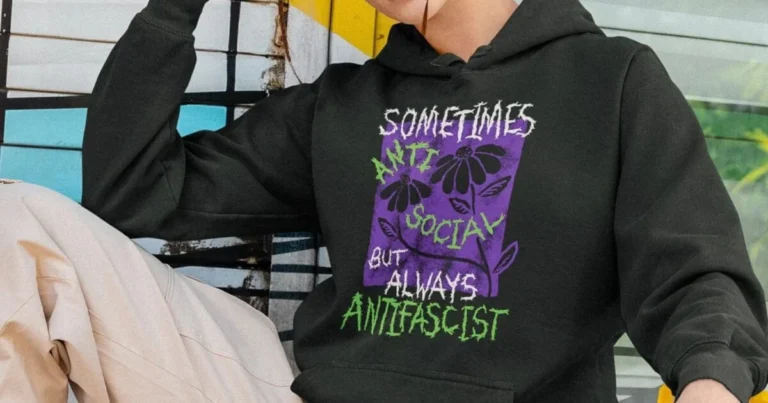
CHNGE, a US-based fashion brand, distinguishes itself through its unwavering commitment to 100% organic materials and a philosophy centered on durability and statement-making designs. The brand firmly believes that clothing should not only last a lifetime but also convey a powerful message about sustainability and social justice. By exclusively utilizing organic cotton, CHNGE drastically reduces its environmental impact, avoiding the harmful pesticides and excessive water consumption associated with conventional cotton farming. Their dedication extends to ensuring ethical labor practices within their supply chain, reflecting a holistic approach to responsible manufacturing. CHNGE also champions inclusivity, offering its diverse range of clothing in sizes from 2XS to 4XL, ensuring that sustainable fashion is accessible to a broader audience. This commitment to both environmental integrity and social equity positions CHNGE as a leader in the conscious fashion movement. See the rating. Shop CHNGE.
Happy Earth
Happy Earth Apparel, a US organic clothing brand, is profoundly inspired by the natural world and driven by an explicit mission to preserve it. The brand’s sustainability initiatives extend beyond material sourcing, actively engaging in impactful partnerships with non-profit organizations and collaborating with a network of "Happy Earth ambassadors." Through these collaborations, Happy Earth contributes directly to critical environmental efforts, including large-scale tree planting initiatives to combat deforestation, active participation in the fight against climate change, and organized clean-up operations to remove trash from natural ecosystems. This integrated approach means that every purchase supports tangible environmental restoration. By focusing on organic materials and transparent practices, Happy Earth ensures its products are not only gentle on the planet but also uphold ethical standards throughout their production. Most items are available in a comprehensive range of sizes from XS to 3XL, making their eco-conscious apparel widely accessible. See the rating. Shop Happy Earth.
Artknit Studios
Artknit Studios, an Italian brand, is dedicated to the creation of timeless knitwear crafted exclusively from 100% lower-impact materials. Their production process is deeply rooted in responsible practices, carried out by skilled Italian makers who adhere to stringent ethical and environmental standards. The brand’s partners are committed to anti-waste initiatives, meticulously minimizing textile waste throughout the manufacturing cycle. A cornerstone of Artknit Studios’ philosophy is the exclusive use of certified and locally-sourced fibers, which not only supports regional economies but also reduces the carbon footprint associated with long-distance transportation. This dedication to quality, longevity, and responsible sourcing embodies their motto: "buy less, buy better," encouraging consumers to invest in durable, ethically produced garments that stand the test of time. Their elegant collections are offered in sizes XS-XXL, catering to a diverse clientele seeking sustainable luxury. See the rating. Shop Artknit Studios.
I was a Sari
I was a Sari is an innovative Indian brand that masterfully blends traditional aesthetics with contemporary fashion by upcycling pre-loved saris and deadstock fabrics. This unique approach transforms beautiful, often discarded, textiles into vibrant, modern products that are then sold globally. The brand’s core mission is twofold: to significantly reduce textile waste by giving new life to existing materials and to empower local artisans through fair employment and skill development. By utilizing used saris, I was a Sari not only minimizes environmental impact but also preserves the rich cultural heritage embedded in these traditional garments. The transformation of deadstock fabrics—materials that would otherwise end up in landfills—further underscores their commitment to circular fashion principles. Their distinctive pieces are available in sizes S-L, offering unique, culturally rich, and environmentally responsible fashion choices. See the rating. Shop I was a Sari.
Underprotection
Underprotection, a Danish brand, excels in creating a diverse range of underwear, loungewear, and swimwear, all meticulously crafted from lower-impact materials such as organic cotton, recycled polyester, and bamboo lyocell. Their commitment to sustainability is evident across their entire operation, extending to their packaging, which is either 100% recycled or biodegradable, significantly reducing their environmental footprint. The brand operates exclusively with certified factories, reflecting a deep-seated belief that "fair working conditions and fair wages are human rights." This ethical stance ensures that every individual involved in the production process is treated with dignity and compensated fairly, embodying their dedication to social responsibility. Underprotection’s transparent supply chain practices and focus on both environmental and social welfare position them as a leader in ethical intimate apparel and loungewear. The full range is available in sizes XS-XL, offering sustainable options for a wide array of body types. See the rating. Shop Underprotection.
Miakoda
Miakoda, an NYC-made brand, resonates deeply with consumers embracing an organic, plant-based lifestyle. The brand specializes in ultra-cosy activewear and loungewear, distinguished by its use of organic, plant-derived materials that prioritize comfort and sustainability. Miakoda’s aesthetic is characterized by stripped-back colors and minimalist designs, emphasizing intrinsic comfort and versatility. Their unwavering commitment to ethical production is reflected in their local manufacturing, which supports fair labor practices and reduces transportation emissions. The brand actively avoids animal products and harmful chemicals, ensuring their pieces are not only gentle on the skin but also on the planet. Miakoda is also supportive of different shapes and sizes, offering their comprehensive range in sizes from XS to 4XL, thereby making sustainable, plant-based comfort accessible to a broad and inclusive customer base. See the rating. Shop Miakoda.
Ninety Percent
Ninety Percent, a British label, stands out with a pioneering business model that integrates social impact directly into its financial structure. Founded on the principle of sharing 90% of its profits, the brand allocates these funds between five carefully selected charitable causes and the individuals who meticulously craft its collections. This radical transparency and commitment to giving back redefine the traditional fashion business paradigm. The brand also goes to great lengths to publish detailed information about its suppliers and factories on its website, offering consumers unprecedented insight into its supply chain and ensuring accountability. By focusing on stylish womenswear made with sustainable materials and an explicit social mission, Ninety Percent empowers consumers to make purchases that contribute directly to positive change. Their collections are available in UK sizes 2XS-2XL, blending ethical practices with contemporary design. See the rating. Shop Ninety Percent.
Organication
Organication, a German brand, demonstrates a strong commitment to environmental responsibility through its deliberate selection of more sustainable fabrics. The brand primarily utilizes materials such as organic cotton, TENCEL™ Lyocell, and other environmentally friendly fibers known for their reduced ecological footprint. By prioritizing these materials, Organication aims to minimize its reliance on conventional, resource-intensive textiles and promote healthier ecosystems. Their focus on high-quality, sustainably sourced fabrics ensures that their garments are not only comfortable and durable but also align with the values of conscious consumers seeking to lessen their environmental impact. Organication’s dedication to sustainable material innovation positions it as a reliable choice for eco-conscious shoppers in the loungewear market.
Broader Impact and Future Implications
The rise of platforms like Good On You and the increasing visibility of brands committed to sustainable practices signify a pivotal moment for the fashion industry. This shift is not merely about offering alternative products; it is about fundamentally re-educating consumers and pressuring mainstream brands to adopt more transparent and ethical supply chains. The collective action of conscious consumers, guided by reliable information, creates a powerful market force that encourages innovation in sustainable materials, promotes fair labor conditions, and demands greater corporate accountability.
While significant progress has been made, challenges persist. The complexity of global supply chains, the ongoing issue of waste management, and the need for scalable, truly circular fashion systems remain critical areas for development. However, the trajectory is clear: sustainable loungewear, and indeed sustainable fashion as a whole, is moving from a niche market to an increasingly mainstream expectation. This evolution promises a future where comfort, style, and ethical responsibility are not mutually exclusive but rather intrinsic components of every garment we choose to wear.
Editor’s note: The feature image for this article is provided via MATE The Label, with all other images supplied directly by the brands mentioned. Good On You is dedicated to publishing the world’s most comprehensive ratings of fashion and beauty brands’ impact on people, the planet, and animals. We invite readers to utilize our extensive directory to search thousands of rated brands and make more informed purchasing decisions. This article was updated on 11 June 2026, with our editorial team regularly making updates to ensure accuracy and to reflect the latest brand ratings and product selections.