






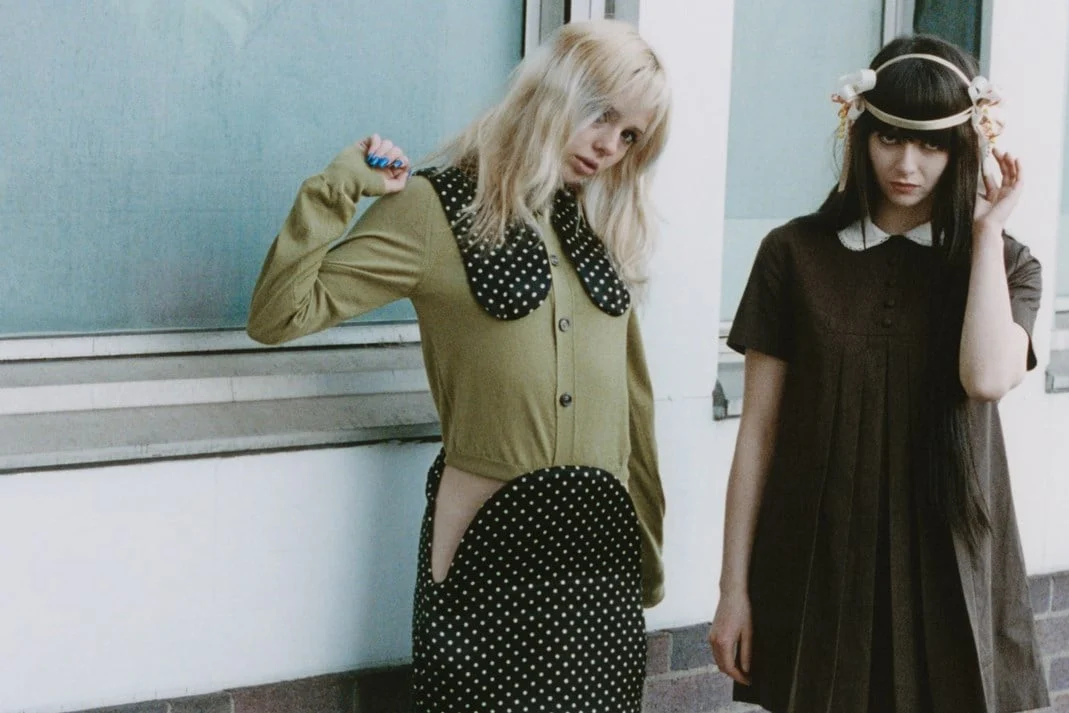
Despite their provocative moniker and self-deprecating lyrical candor, epitomized by lines such as “You are listening to The Femcels / We don’t have sex ever,” the London-based duo, The Femcels, consisting of Gabriella Turton and Rowan Miles, has rapidly captivated the city’s electronic underground. Blasting their distinctive electro-twee-punk sound with unapologetic intensity, the pair has garnered significant attention, with audiences embracing their raw energy and unique aesthetic regardless of any digital warnings from their devices. Their ascent, marked by a blend of sharp wit, internet-centric narratives, and a fiercely independent spirit, represents a compelling new chapter in contemporary music, challenging conventions and resonating deeply with a generation steeped in digital culture.
Genesis and Rapid Ascent in the Music Scene
The genesis of The Femcels dates back to 2024, a relatively recent origin that underscores the remarkable speed of their trajectory within the competitive London music landscape. Gabriella Turton and Rowan Miles quickly forged a creative partnership, channeling their shared experiences and observations into a fresh sonic identity. Their collaboration with producer Ike Clateman, known for his work under the moniker Bassvictim, proved instrumental in shaping the sound of their debut album, I Have to Get Hotter. Released earlier this year, the album quickly established their presence, laying the groundwork for what would become a rapid immersion into the wider music circuit.
Even prior to the official release of I Have to Get Hotter, The Femcels had already begun to make waves, securing coveted spots on lineups alongside established and emerging acts such as fakemink, EsDeeKid, and Frost Children. This early integration into a vibrant network of artists signaled their immediate relevance and appeal within a particular subgenre of electronic and alternative music. Their ability to connect with diverse audiences, from niche electronic music enthusiasts to broader fans of punk-infused indie, speaks volumes about the universality of their themes and the infectious quality of their sound. The album itself, a cohesive exploration of life through the lens of internet-native existence, features track titles that are as direct and arresting as their lyrics. Titles like “You’re Gay And You’re In Love With Me” and “I’m So Fat” eschew metaphor in favor of stark, confessional declarations, immediately signaling the duo’s commitment to unfiltered expression. This directness has become a hallmark of their artistic identity, fostering a sense of authenticity that is increasingly valued by modern listeners.
Deconstructing the Electro-Twee-Punk Sound
The Femcels’ self-described genre, electro-twee-punk, is more than just a label; it is a precise descriptor of their sonic alchemy. The "electro" component refers to their foundation in electronic music, characterized by synthesized beats, programmed melodies, and often a driving, danceable rhythm that propels their tracks. This electronic base provides a modern, urban edge, aligning them with the pulsating energy of London’s club and underground scene. The "punk" element manifests in their defiant attitude, raw lyrical honesty, and an inherent disregard for polished perfection. It’s a sonic rebellion that echoes the DIY ethos of early punk, translated through a contemporary digital lens. There’s an urgency and an unvarnished quality to their delivery that channels the confrontational spirit of punk, albeit filtered through a more melodic and digitally-produced framework.
The "twee" aspect adds a fascinating layer of irony and vulnerability. Twee pop, traditionally characterized by its innocent melodies, whimsical lyrics, and often childlike aesthetic, might seem at odds with punk’s aggression. However, The Femcels skillfully weave in this sensibility through their sometimes saccharine, often self-deprecating, and undeniably catchy vocal hooks. This juxtaposition creates a compelling tension, where moments of sugary pop sweetness collide with abrasive electronic textures and stark, sometimes uncomfortable, lyrical truths. It’s this intricate blend that makes their sound distinctive and difficult to categorize, appealing to listeners who appreciate both the accessible and the subversive. Their music thrives on paradox, offering a playful yet profound commentary on modern life, particularly for those who have grown up with the internet as a central part of their identity.
The Internet-Native Narrative and Lyrical Provocation
At the core of The Femcels’ artistic output is a deep engagement with the internet-native experience. Their lyrics are not merely influenced by online culture; they are a direct product of it, reflecting the anxieties, humor, and self-awareness that define life lived largely through screens. The track titles and lyrical snippets mentioned – "You are listening to The Femcels / We don’t have sex ever," "You’re Gay And You’re In Love With Me," "I’m So Fat" – are not just attention-grabbing; they are distilled expressions of the candid, often vulnerable, and sometimes performative nature of online self-presentation. This authenticity resonates profoundly with a generation accustomed to sharing their innermost thoughts and insecurities on public platforms.
The very name "The Femcels" is a prime example of their provocative approach. "Femcel," a portmanteau of "female" and "involuntary celibate," is a term often associated with online communities marked by isolation and often misogynistic undertones. By adopting and recontextualizing this term, Gabriella and Rowan engage in a form of linguistic reclamation. They strip the word of its negative connotations and imbue it with a new meaning, transforming it into a badge of outsider identity and subversive empowerment. This act of reappropriation speaks to a broader trend among Gen Z artists who challenge and redefine loaded terms, turning perceived weaknesses into artistic strengths. It signals a willingness to confront uncomfortable realities and to find humor and solidarity in shared experiences of alienation.
Interactions, Aspirations, and Industry Critique
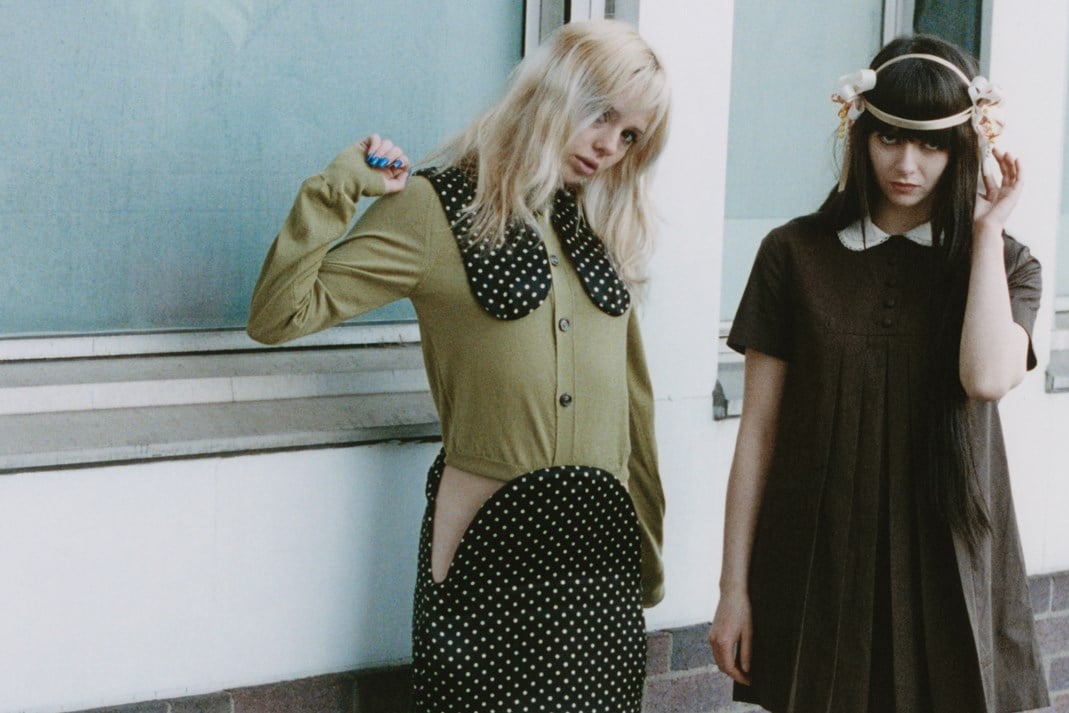
The duo’s recent check-in with Dazed magazine, conducted amidst a packed summer of touring and public appearances, offered further insights into their burgeoning careers and unique perspectives. Their responses were characteristically direct, humorous, and sometimes disarmingly honest. Rowan Miles’ casual mention of a “£1.2 million record deal” and Gabriella Turton’s ambition to “fight Zara Larsson” highlight a blend of genuine success and playful, anarchic aspiration. These statements, while delivered with a certain irreverence, also hint at their growing industry presence and their willingness to playfully challenge established norms and figures.
Their touring experiences have clearly shaped their outlook. Rowan noted feeling “muscly” from the road, attributing it partly to their rider request for “beers and a local delicacy,” a detail that paints a picture of rock-and-roll hedonism mixed with a touch of cultural curiosity. Gabriella’s request for "Snow globe hummus" on their rider perfectly encapsulates their surreal and whimsical brand of humor, demonstrating their refusal to take themselves, or the industry, too seriously. This blend of the mundane and the absurd reinforces their internet-native identity, where meme culture and everyday life often intertwine.
The Femcels also offered pointed critiques of the music industry. Rowan’s observation that “Every A&R is a boy who went to a famous private school” speaks to a perceived lack of diversity and entrenched privilege within industry gatekeepers. Gabriella’s comment about the coffee at Capitol Records making her "gurn" is a more humorous, yet still subtly critical, jab at the corporate machinery of major labels. These insights reveal a duo that, while participating in the industry, remains acutely aware of its flaws and often exclusionary structures. Their perspective aligns with a growing sentiment among independent artists who advocate for greater transparency, equity, and authenticity in the music business.
Their candidness extended to their relationship with fans, which Rowan described as "sexual," while Gabriella saw herself as "their jester." These descriptions, though provocative, illustrate a dynamic that is intimate, playful, and far removed from the traditional artist-fan hierarchy. It suggests a bond built on shared understanding, irreverence, and a mutual appreciation for their unique brand of performance and humor. This direct and unfiltered connection is a hallmark of internet-era celebrity, where boundaries are often blurred, and authenticity is paramount.
The Question of Irony and Artistic Intent
A recurring question surrounding The Femcels, as Gabriella herself noted, is whether their art is ironic. "People are polarised on if we’re ironic," she stated, before offering a nuanced distinction: "I think I was as a person but the music is very serious." This insight is crucial for understanding their artistic philosophy. While their persona might incorporate elements of humor, self-parody, and a certain detachment often associated with irony, the underlying thematic concerns of their music are deeply earnest. They tackle issues of body image ("I’m So Fat"), identity, and social connection with a sincerity that belies any purely ironic interpretation.
This blend of surface-level irony with profound seriousness allows them to navigate complex topics without alienating listeners. It provides a protective layer of humor, enabling them to address vulnerabilities and critiques in a way that is both relatable and disarming. This approach is highly effective in contemporary culture, where irony can serve as a coping mechanism and a tool for critical commentary, while sincerity grounds the art in genuine emotion. Their ability to toggle between these modes is a testament to their sophisticated understanding of modern communication and artistic expression.
Cultural Resonance and Future Trajectory
The Femcels represent a compelling snapshot of contemporary music and culture, embodying the spirit of a generation that embraces fluidity, digital native identities, and a playful defiance of norms. Their rapid rise from formation in 2024 to international touring and critical acclaim in just two years highlights the accelerated pace of discovery and recognition in the digital age. Their summer plans, which include a tour of America and continued songwriting, indicate a sustained ambition to expand their reach and evolve their sound. Gabriella’s dream collab with Dolly Parton and Rowan’s with Ringo Starr, while disparate, both speak to a desire to engage with musical legends, hinting at a deep appreciation for diverse musical heritage alongside their avant-garde leanings.
The Femcels’ impact extends beyond their immediate musical output. They are contributing to a broader cultural conversation about authenticity, the nature of fame, and the role of art in reflecting the complexities of modern life. By unapologetically embracing their internet-native identity, their self-deprecating humor, and their distinctive sound, they are carving out a unique and influential space in the music industry. As they continue to tour and create, their trajectory suggests they are not merely a passing phenomenon but a significant voice poised to leave a lasting mark on the evolving landscape of electro-twee-punk and beyond, challenging perceptions and redefining what it means to be a contemporary artist.