







The penny loafer stands today as a quintessential emblem of American collegiate style, yet its origins are rooted in the rugged, cold-climate demands of early 20th-century Norway. While often associated with mid-century prep culture, the shoe’s design evolution represents a cross-cultural synthesis between Nordic utility and indigenous North American footwear traditions. The transition of the loafer from a niche maritime necessity to a global fashion staple is a documented study in product adaptation, branding, and the cyclical nature of menswear trends.

The Maritime Genesis in Aurland
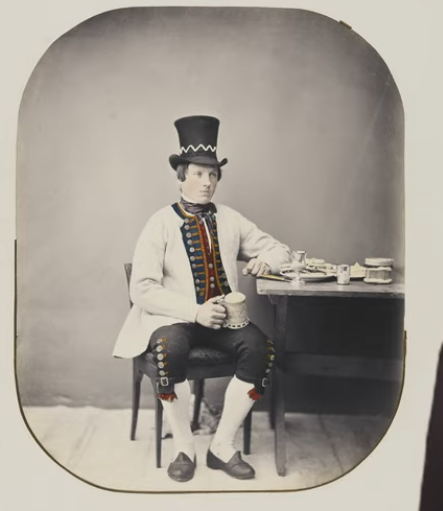
At the turn of the 20th century, the municipality of Aurland, situated deep within Norway’s Sognefjord, served as the birthplace of what would eventually become the modern slip-on. Local fishermen required footwear that could withstand the damp, freezing conditions of the docks while remaining easy to remove upon entering the home. Traditional lace-up boots were inefficient in these conditions; knots would freeze, and the effort required to secure them was often impractical for laborers working in extreme cold.
The local solution was the Tese, a hand-sewn, flexible leather slip-on designed for comfort and ease of use. The construction was remarkably similar to moccasins, focusing on a sole-and-upper design that prioritized foot articulation.

The Influence of Nils Tveranger and Global Cross-Pollination
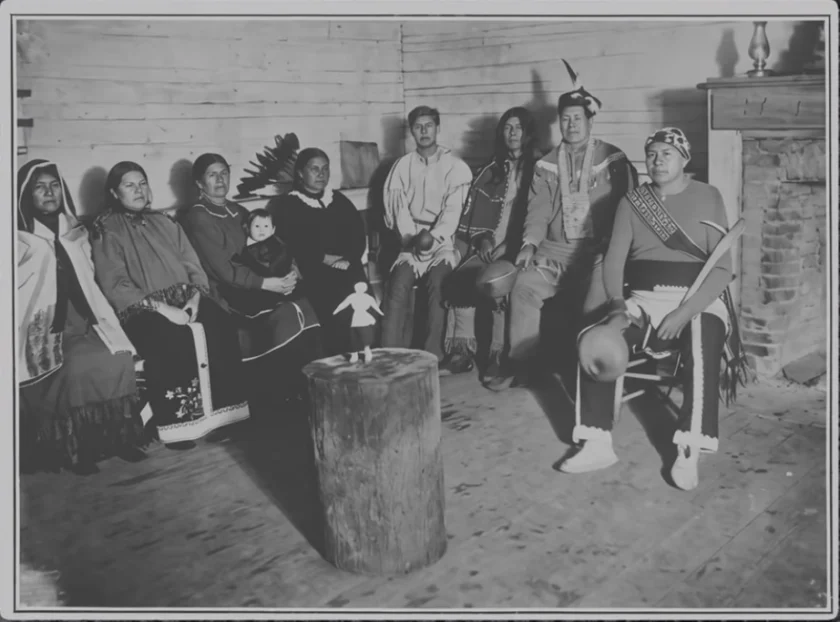
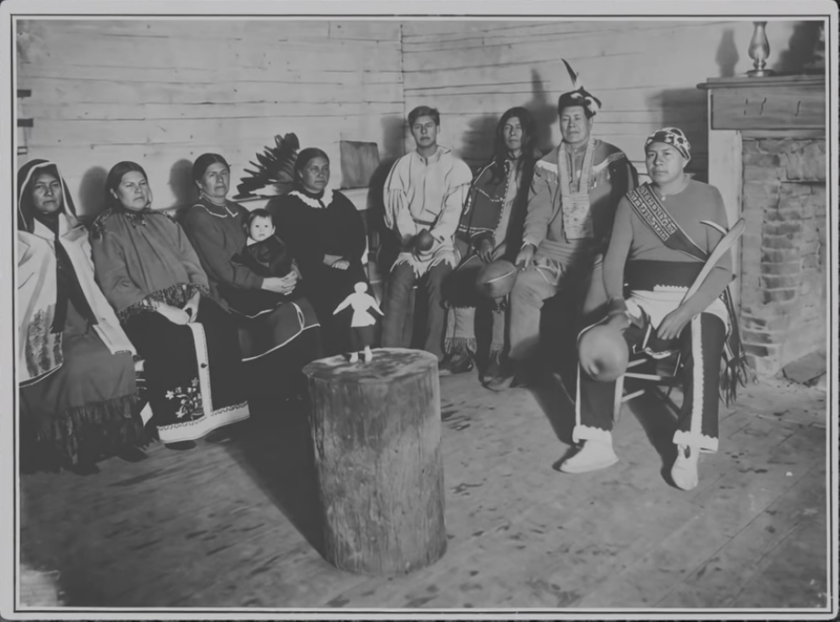
The refinement of the Tese into a commercial product is attributed to Nils Gregoriusson Tveranger (1874–1953). As a young man of 13, Tveranger traveled to the United States to apprentice as a shoemaker. During his time in America, he observed the footwear of the Haudenosaunee (Iroquois) people. He noted a striking structural affinity between the indigenous moccasin and the Tese slippers of his homeland.
Upon his return to Norway in 1894, Tveranger began synthesizing these influences. His initial foray into mass production in 1908 resulted in a shoe known as the National. Unlike the modern loafer, the National incorporated eyelets and laces to provide a more secure fit, reflecting a transitional stage between the traditional slip-on and the modern loafer. By 1910, the design earned recognition at the national exhibition in Bergen, yet it remained a localized success, lacking the design elements that would eventually define the international loafer market.
The 1930s Redesign and the Birth of the Moccasin Profile
The pivotal shift occurred around 1930, when Tveranger introduced the "Aurland moccasin." This iteration removed the laces entirely, creating a pure slip-on profile. The defining aesthetic feature—a leather strap across the vamp with a diamond-shaped cutout—was added during this period. While the strap was ostensibly non-functional, it provided a necessary structural reinforcement and a visual centerpiece that elevated the shoe’s appearance from a utilitarian slipper to a versatile, smart-casual staple.
The Transatlantic Journey and G.H. Bass
The migration of the Aurland shoe to the United States was facilitated by British sportsmen who visited Norway for fishing expeditions in the interwar period. These travelers discovered the comfort of the Aurland shoes and introduced them to European resort wear. By the mid-1930s, the design had reached the United States, where it captured the attention of the Maine-based manufacturer G.H. Bass & Co.
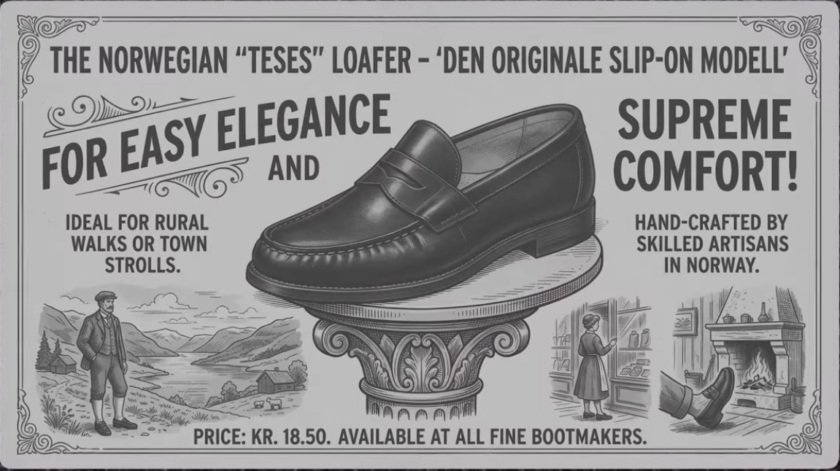
Historical accounts regarding the exact catalyst for the American adoption of the design remain varied. Some archival records suggest a direct corporate visit to Norway, while others point to a chance encounter by an Esquire editor in Palm Beach, Florida, who subsequently commissioned an American manufacturer to replicate the style. Regardless of the specific point of origin, by 1936, G.H. Bass had finalized the "Weejun" (a phonetic contraction of "Norwegian").
The G.H. Bass version introduced key refinements: a sleeker, more aggressive toe profile and a higher quality of leather finish, better suited for the American consumer’s expectations for dressier leisure footwear.
The 1950s: The Rise of the Penny Loafer Moniker
The term "penny loafer" emerged in the early 1950s, concurrent with the peak of the Ivy League style movement. Students began inserting pennies into the diamond-shaped slot of the saddle strap. While popular legend claims this provided change for emergency payphone calls, telecommunications data from that era suggests otherwise; a local call cost more than two cents, and Bell System payphones were not designed to accept pennies. The practice was likely an aesthetic trend—a display of personal style that utilized the gap in the strap to showcase copper against the dark, polished leather of the shoe.
Structural Evolution and Market Variations
The longevity of the penny loafer is largely attributed to its moccasin construction. Unlike standard welted dress shoes, which rely on rigid stiffeners, the moccasin-toe construction allows for a greater degree of flexibility and natural movement. This comfort factor ensured the shoe’s transition from a functional work item to a collegiate staple and, eventually, a standard in professional business-casual attire.
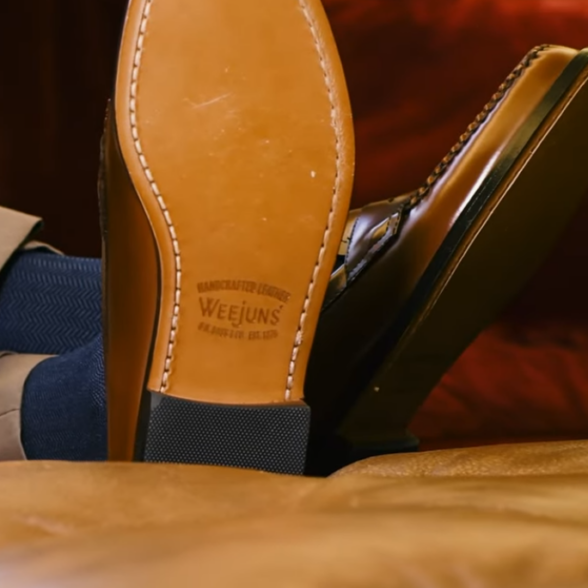
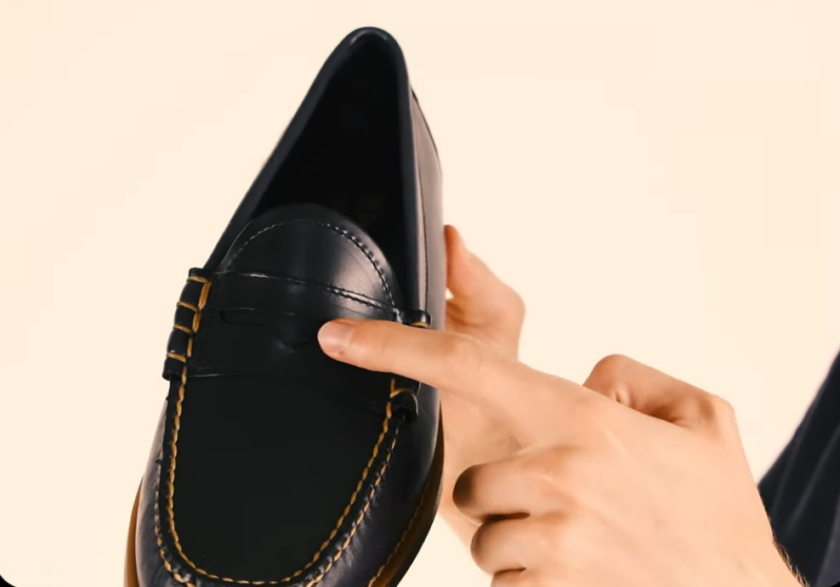
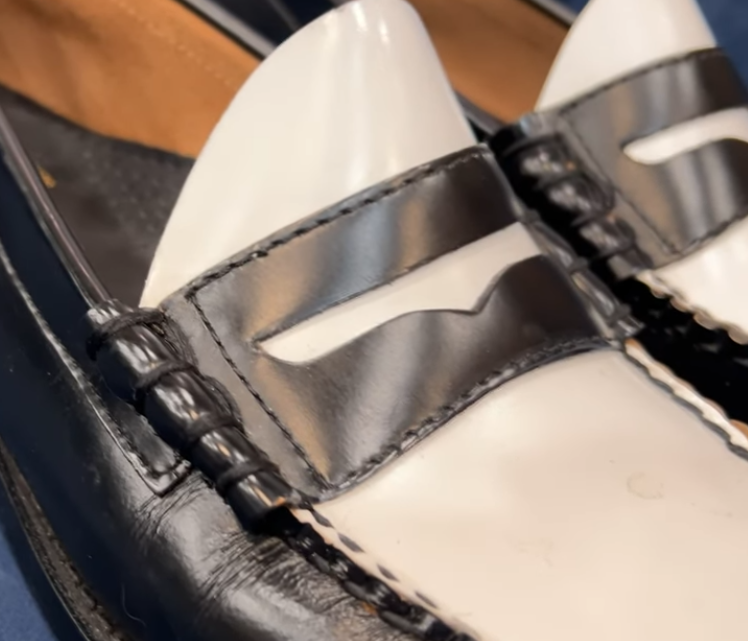
The market now recognizes two primary styles of the penny loafer:
- The Weejun Style: Characterized by a sleek, flat saddle strap, maintaining the minimalist aesthetic of the original Norwegian design.
- The Beefroll Style: Introduced in the mid-20th century, this version features thick, pinched rolls of leather at the ends of the saddle strap, creating a bulkier, more robust appearance that leans toward the casual end of the spectrum.
Modern Implications and Market Standing
In the contemporary fashion market, the penny loafer occupies a unique position on the formality spectrum. It bridges the gap between the rigid formality of the oxford and the casual informality of the sneaker. This versatility has allowed the shoe to remain a permanent fixture in men’s wardrobes for over a century.
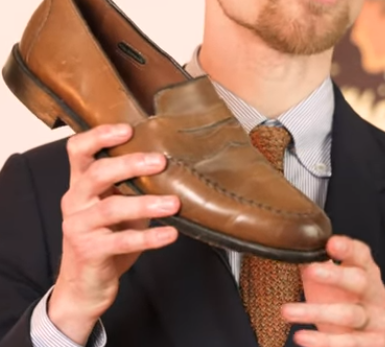
Current market data indicates that while heritage brands like G.H. Bass continue to dominate the mid-tier market, the loafer has been reinterpreted by luxury houses and high-end cordwainers alike. Brands such as Alden and Rancourt have elevated the silhouette using premium materials like shell cordovan and chromexcel, targeting a consumer segment that values durability and artisanal construction.
The shift toward "smart-casual" office environments in the post-pandemic era has further revitalized interest in the penny loafer. As workers seek footwear that provides a professional appearance without the discomfort of traditional lace-up oxfords, the loafer has seen a resurgence in popularity across diverse demographics.
Analysis of the Design’s Endurance
From a product design perspective, the penny loafer represents an early example of "function-first" design that successfully crossed into the fashion sector. Its survival is not merely a matter of nostalgia; it is a result of the efficiency of the moccasin construction. The shoe provides a specific mechanical advantage—flexibility—that traditional manufacturing techniques struggle to replicate at the same price point.
Furthermore, the "penny" element serves as a case study in how consumer behavior can alter the identity of a product. The name did not come from the manufacturer but from the end-user. This organic branding helped cement the shoe in American cultural history, moving it from a piece of imported footwear to a symbol of the "preppy" lifestyle.
Conclusion
The evolution of the penny loafer from a damp, fjord-side fishing shoe to an international style icon is a testament to the utility of the design. Despite the cyclical nature of fashion, the penny loafer has avoided the obsolescence that often plagues specific style trends. Its ability to remain relevant across several generations of changing aesthetic norms underscores its role as a fundamental piece of footwear. While the pennies themselves are no longer necessary for communication, the slot remains—a functional relic of a design that was perfected nearly a century ago and has required little alteration since. The shoe serves as a reminder that the most enduring fashion trends are often those rooted in practical solutions to everyday problems.