











The white dress shirt stands as an undisputed cornerstone of any versatile wardrobe, transcending fleeting trends to embody both professional gravitas and effortless casual chic. Its ubiquitous presence, however, masks a complex reality within the global fashion industry, where the pursuit of cheap, mass-produced garments often comes at a significant environmental and social cost. As consumer awareness continues to grow, there is an escalating demand for transparency and ethical practices, prompting a critical re-evaluation: which brands are truly excelling in crafting sustainable white dress shirts, and what precisely defines a more responsible version of this iconic garment? This article delves into the transformative journey of the white shirt, from a simple staple to a symbol of conscious consumption, highlighting the brands and criteria that are shaping a more ethical future for fashion.
The Enduring Icon and the Modern Imperative
For decades, the white shirt has been lauded for its unparalleled versatility. It effortlessly anchors business attire, pairing impeccably with suits and blazers, yet transitions seamlessly into casual ensembles. Imagine it styled with rolled-up sleeves and blue jeans, a subtle neck scarf adding a touch of flair. Envision its collar peeking out from beneath a cozy sweatshirt, or worn open over a tank top on a warm summer day, tucked into a flowing skirt for an elegant silhouette. The possibilities are boundless, proving its worthiness of descriptors like "timeless" and "investment piece." However, the true value of such an investment is increasingly measured not just by its aesthetic appeal or durability, but by its entire lifecycle – from the raw materials sourced to the hands that craft it, and its eventual impact on the planet.
The fashion industry, a behemoth generating trillions of dollars annually, is also one of the world’s largest polluters. The sheer volume of clothing produced and consumed each year places immense strain on natural resources and contributes significantly to climate change. This backdrop amplifies the call for more sustainable alternatives, particularly for high-volume staples like the white shirt. Consumers are no longer content with mere aesthetics; they seek assurance that their choices align with their values, demanding garments produced without exploiting workers or irrevocably damaging the environment.
The Hidden Threads: Environmental and Social Costs of Conventional Production
The journey of a conventional white shirt, from cotton field to consumer, is often fraught with environmental and social challenges. Traditional cotton farming, for instance, is notoriously water-intensive. Estimates suggest that producing just one cotton shirt can require up to 2,700 liters of water – equivalent to what an average person drinks in two and a half years. This extensive water usage often occurs in regions already facing water scarcity, exacerbating local environmental crises. Moreover, conventional cotton cultivation relies heavily on pesticides and insecticides, which contaminate soil and water, harm biodiversity, and pose health risks to farmers and nearby communities.
Beyond natural fibers, the rise of synthetic alternatives like polyester, driven by their lower cost and durability, introduces another set of environmental problems. Polyester is derived from petroleum, a non-renewable fossil fuel, and its production is energy-intensive, contributing to greenhouse gas emissions. Furthermore, synthetic fabrics shed microplastic fibers during washing, which then enter waterways and oceans, posing a significant threat to marine life and, ultimately, human health through the food chain.
The environmental burden is compounded by the sheer volume of textile waste generated. The fast fashion model, characterized by rapid production cycles, low prices, and disposable garments, has led to an unprecedented increase in clothing consumption and subsequent waste. Landfills are overflowing with discarded textiles, many of which are synthetic and can take hundreds of years to decompose, releasing harmful chemicals in the process. The Ellen MacArthur Foundation reports that a truckload of textiles is landfilled or incinerated every second globally, underscoring the urgent need for a shift towards circularity and longevity in fashion.
The social cost of cheap clothing is equally profound. The global garment supply chain is complex and often opaque, making it difficult to trace the origins and conditions of labor. In many manufacturing hubs, workers, predominantly women, are subjected to grueling hours, unsafe working environments, and wages far below a living wage. The pursuit of ever-lower production costs by brands often leads to exploitation, with workers unable to afford basic necessities despite their labor. Tragic events, such as the 2013 Rana Plaza factory collapse in Bangladesh, which killed over 1,100 garment workers, starkly highlighted the catastrophic human cost of an unregulated and exploitative industry. These issues underscore the ethical imperative for brands to ensure fair labor practices, safe conditions, and dignified compensation throughout their supply chains.
Crafting Conscience: The Hallmarks of a Sustainable White Shirt
Identifying a truly sustainable white shirt requires looking beyond its superficial appearance to its fundamental components and production ethos. The markers of a good, more ethical white shirt encompass fabric quality, responsible production practices, meticulous craftsmanship, and transparent supply chains.
1. Material Innovation and Choice: The foundation of a sustainable shirt lies in its fabric.
- Organic Cotton: This is a paramount choice. Unlike conventional cotton, organic cotton is grown without harmful synthetic pesticides, fertilizers, or genetically modified organisms (GMOs). It typically uses significantly less water, improves soil health, and protects biodiversity. Certifications like the Global Organic Textile Standard (GOTS) provide assurance that the cotton is organic and that the entire supply chain adheres to strict environmental and social criteria.
- Organic Linen: Derived from the flax plant, organic linen is another excellent lower-impact option. Flax requires minimal water and pesticides, making it inherently more sustainable than conventional cotton. Linen fabric is also highly durable, breathable, and becomes softer with each wash, contributing to the longevity of the garment.
- TENCEL™ Lyocell: This is a regenerated cellulosic fiber produced from sustainably sourced wood pulp, typically eucalyptus or beech. The production process is a closed-loop system, meaning nearly all solvents and water used are recycled and reused, significantly reducing environmental impact. TENCEL™ Lyocell is known for its exceptional softness, drape, and breathability, offering a luxurious feel with a responsible footprint.
The choice of weave is also crucial for desired aesthetics and formality. Organic cotton-poplin, common in offerings from brands like Citizen Wolf, Asket, and Another Tomorrow, provides a light, crisp handle, ideal for formal settings or a breezy summer option. Organic cotton-Oxford, seen in shirts from Yes Friends and Carpasus, features a denser weave and a slightly more informal appearance, perfect for smart-casual pairings with chinos. For a soft, flowing drape, TENCEL™ Lyocell shirts, exemplified by Wilda.Eco and Akyn, offer a contemporary and elegant silhouette.
2. Beyond Fabric: Craftsmanship and Longevity: A sustainable garment is one that lasts. High-quality construction is therefore paramount.
- Stitch-Per-Inch Count: A higher stitch-per-inch count in seams indicates a more durable garment. This meticulous attention to detail prevents seams from unraveling and ensures the shirt withstands repeated wear and washing.
- French Seams: These enclosed seams are a hallmark of high-end tailoring and significantly improve garment longevity by protecting raw edges from fraying.
- Quality Buttons: Durable buttons are essential. Many luxury brands traditionally use mother-of-pearl, but for vegan consumers, Corozo buttons (made from the tagua nut, a sustainable and natural material) are an excellent alternative. If plastic buttons are used, they should ideally be made from recycled plastic to minimize waste.
3. Supply Chain Transparency and Worker Welfare: Ethical production means respecting the people behind the product. Brands committed to sustainability actively work to ensure living wages, safe working conditions, and freedom of association for all workers in their supply chains. This involves rigorous auditing, partnering with Fair Trade certified factories, and transparently disclosing their manufacturing facilities and labor practices. The absence of such transparency often signals potential issues.
The Power of Informed Choice: Navigating the Market with Good On You
Navigating the complex landscape of sustainable fashion can be challenging for consumers. This is where independent rating platforms play a crucial role. Good On You, a world-leading sustainability rating system, provides comprehensive assessments of fashion and beauty brands’ impact on people, the planet, and animals. Their rigorous methodology, developed by analysts, evaluates brands based on publicly available information, certifications, and industry best practices.
For a brand to be featured in a curated selection of ethical products, it must typically achieve a "Good" or "Great" rating from Good On You. This signifies a verifiable commitment to improving their environmental footprint, ensuring fair labor practices, and upholding animal welfare standards. Consumers are encouraged to look for clear disclosures from brands regarding their material sourcing, factory locations, labor policies, and environmental initiatives. Brands that are genuinely committed to sustainability will often be proud to share these details.
Spotlight on Sustainable Style: A Curated Selection of Responsible Brands
The market for ethical white shirts is expanding, with numerous brands demonstrating a strong commitment to sustainable and responsible practices. This curated selection highlights brands that meet rigorous ethical standards, offering a range of styles from classic to contemporary, and often at varying price points, proving that sustainable fashion can be accessible and stylish.
- Yes Friends: This UK-based brand champions affordable, responsible clothing. By leveraging large-scale production and a direct-to-consumer model, Yes Friends makes ethical fashion accessible, producing classic cut garments from sustainable materials and offering inclusive sizing from 2XS-4XL.
- No Nasties: A leader in ethical fashion from India, No Nasties crafts simple, stylish clothing exclusively from Fairtrade organic cotton. The brand actively works to foster the ethical consumer market in India, with styles available in sizes 2XS-3XL.
- Colorful Standard: Eschewing seasonal trends, this Danish brand focuses on timeless, long-lasting organic fashion essentials. Their commitment to enduring design combats over-consumption, offering most items in sizes XS-2XL.
- TWOTHIRDS: With a mission to protect oceans, TWOTHIRDS manufactures all products locally to minimize its carbon footprint and audits its final production stages. Their collections are found in sizes XS-L.
- ASKET: Since 2015, ASKET has redefined wardrobe essentials with revolutionary sizing and fair pricing. By focusing on a single, permanent collection and selling directly to consumers, they actively fight the cycle of fast fashion, with a range in sizes 2XS-2XL.
- The Summer House: Creating beautiful womenswear in India, The Summer House utilizes locally made, lower-impact fabrics and partners with local artisans and NGOs, fostering community empowerment. Their range, known for elegant prints and flowing silhouettes, is available in sizes XS-XL.
- WILDA.ECO: This brand specializes in vegan fashion, emphasizing minimalism, timeless design, and inclusive sizing. Their customisable clothes, adaptable for different heights, underscore a commitment to longevity and personal fit.
- WE-AR4: Founded by fashion industry veterans, WE-AR4 champions intelligent design and uncompromising style by rescuing existing high-quality leathers and luxury textiles, giving them new life and minimizing waste, alongside using certified lower-impact materials. Available in sizes XS-L.
- Organication: This German brand prioritizes sustainable fabrics, incorporating organic cotton, TENCEL™ Lyocell, and other eco-friendly fibers into its collections.
- Neem: A UK-based menswear brand, Neem focuses on transparent supply chains and environmental safeguarding, offering most items in sizes S-2XL.
- Beaumont Organic: This UK slow fashion brand blends simple style with responsible production. Founded by Hannah Beaumont-Laurencia, it also supports a charitable foundation in Fiji, with garments available in sizes XS-L.
- CARPASUS: A Swiss menswear brand, CARPASUS crafts fine shirts, ties, socks, and pocket squares using GOTS-certified cotton. They prioritize local manufacturing to reduce carbon footprint, trace their supply chain, and ensure workers receive living wages. Most products are found in EU sizes 36-46.
- Akyn: Founded by sustainable fashion industry luminary Amy Powney, Akyn offers contemporary and timeless womenswear crafted from lower-impact materials.
- G-Star RAW: Known for its innovative approach to raw denim, Amsterdam-founded G-Star RAW also extends its commitment to sustainability and creativity across its product lines, challenging industry standards to improve its impact on people and the planet.
- Citizen Wolf: An Australian brand renowned for its custom-fit organic cotton t-shirts, Citizen Wolf applies the same meticulous approach to their white shirts, ensuring minimal waste and a perfect fit.
- Armedangels: This German brand is a pioneer in eco-fair fashion, using a high percentage of organic and recycled materials, ensuring fair working conditions, and actively promoting transparency across its supply chain.
- Sukkhacitta: An Indonesian brand that tells the story of its makers, Sukkhacitta uses subtle handwoven jacquard fabrics crafted with traditional techniques, emphasizing fair trade and empowering artisan communities.
These brands exemplify the diverse approaches to creating a more sustainable white shirt. From affordable ethical options by Yes Friends and Armedangels to unique designs like No Nasties’ asymmetric cuts, The Summer House’s embroidered plackets, Sukkhacitta’s handwoven jacquard, and Akyn’s signature oversized gold cuff fastenings, there is a sustainable option for every taste and occasion. Classic styles are perfected by Neem and Asket, while Organication’s cotton and linen-blend shirts are ideal for warmer climates. These choices enable consumers to infuse personality into their outfits while making a responsible choice.
Beyond the Shirt: The Broader Impact of Sustainable Fashion
Investing in a sustainable white shirt is more than just a purchase; it’s a statement. It represents a conscious decision to support ethical labor, reduce environmental harm, and embrace a philosophy of thoughtful consumption. By choosing high-quality, sustainably made garments, consumers contribute to a demand for better practices across the industry, encouraging more brands to adopt transparent and responsible models. This shift from disposable fashion to enduring style and ethical value is a critical trend, fostering a future where fashion is not only beautiful but also kind to both people and the planet. The timeless white shirt, reimagined through a lens of sustainability, becomes a powerful symbol of this positive transformation.
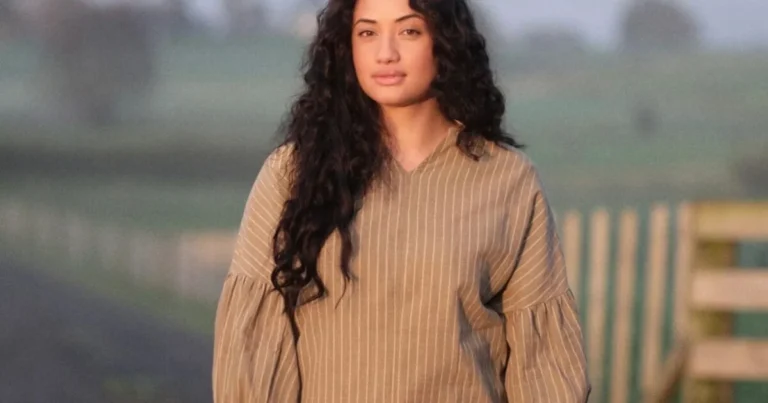
Editor’s Note: Feature image via Beaumont Organic, all other images via brands mentioned. Good On You publishes the world’s most comprehensive ratings of fashion and beauty brands’ impact on people, the planet, and animals. Use our directory to search thousands of rated brands.
We updated this article on 3 June 2026. Our editors frequently make updates to articles to ensure they’re up to date. We updated the copy, our round-up of brands, and product picks.