





The sartorial landscape of summer, traditionally dominated by the relaxed elegance of linen, is undergoing a nuanced re-evaluation by some of the world’s most esteemed tailors. While linen’s breathability, distinctive texture, and characteristic wrinkles have long cemented its status as the quintessential fabric for warm-weather attire, a recent investigation in Naples—the historic heartland of bespoke tailoring—reveals that this consensus is far from universal. Led by Raphael from the Gentleman’s Gazette, a deep dive into the preferences of renowned Neapolitan sartorial houses and fabric experts has unveiled a broader, more sophisticated understanding of what truly constitutes the "best" summer cloth. Their collective insights underscore that the optimal fabric choice is not a monolithic answer but a dynamic interplay of climate, occasion, and the specific demands of the garment, challenging long-held assumptions and opening a dialogue on an array of alternative textiles.
The Neapolitan Tailoring Legacy: A Hub of Expertise
Naples, a city steeped in sartorial tradition, stands as an unparalleled arbiter of fine tailoring. Its distinctive "Neapolitan shoulder"—a softer, more natural construction—and a pervasive philosophy of comfort combined with elegance have made it a pilgrimage site for connoisseurs of bespoke menswear. This rich heritage provides an ideal backdrop for such an in-depth exploration of fabrics. Tailors here are not merely craftsmen; they are custodians of a centuries-old art, intimately familiar with how textiles behave under the Mediterranean sun and the exacting standards of their discerning clientele.
The city’s unique climate, characterized by hot, humid summers, has historically driven innovation in lightweight and breathable garment construction. This practical necessity, combined with an innate aesthetic sensibility, has fostered a culture where fabric selection is elevated to an art form, demanding both technical mastery and an intuitive understanding of drape, comfort, and durability. The decision to consult these Neapolitan masters—including venerable names like Sartoria Ciardi, Sartoria Solito, Sartoria Carfora, Sartoria Dalcuore, and Rubinacci—lends significant weight and credibility to the findings, offering perspectives honed over generations of practice. Their collective experience transcends mere material properties, delving into the nuanced interplay of weave, fiber, and human comfort.
Beyond Linen: An Exploration of Summer Fabrics
Raphael’s interviews with these five prominent Neapolitan tailoring houses and various cloth experts revealed a fascinating divergence from the singular focus on linen. While acknowledging its merits, many expressed preferences for a diverse palette of materials, each suited to specific conditions and desired outcomes. The discussion encompassed an impressive array of options, including:
- Open-weave wool: Often surprising to those who associate wool solely with colder climates, specialized open-weave constructions offer remarkable breathability.
- Hopsack: Recognized for its distinctive basket weave, providing texture and airflow, particularly for jackets.
- Mohair: Valued for its crispness, resilience, and subtle sheen when blended with other fibers.
- Hemp: An often-overlooked natural fiber, praised for its durability and sustainable profile.
- Silk: Prized for its luxurious feel and elegant drape, often used in blends.
- Lightweight blended fabrics: Engineered combinations designed to harness the best qualities of multiple fibers while mitigating their individual drawbacks.
This extensive list underscores a central theme of the Neapolitan discourse: there is no single "best" summer fabric. Instead, the optimal choice emerges from a careful consideration of the climate’s specific characteristics (dry heat versus humidity), the formality of the occasion (a casual daytime event versus an evening gala), and the specific type of garment being constructed (a structured suit, a relaxed sport coat, or durable trousers).

Deep Dive into Key Fabrics: Characteristics and Applications
To fully appreciate the tailors’ nuanced perspectives, a closer examination of each prominent fabric category is essential.
Linen: The Enduring Classic, Re-evaluated
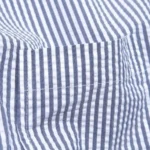
Linen, derived from the flax plant, has been a staple for millennia due to its exceptional strength and breathability. Its hollow fibers allow for excellent airflow, making it feel cool against the skin even in extreme heat. The fabric’s distinctive propensity to wrinkle, often seen as a mark of its relaxed character and charm, is simultaneously its most debated feature. For some Neapolitan tailors, this inherent creasing is part of linen’s undeniable appeal, embodying an effortless, sophisticated nonchalance. They might favor lighter, more open weaves that enhance this effect.
However, other tailors prioritize a crisper appearance, a more defined drape, or enhanced crease resistance. This leads to the use of different linen varieties—some denser and more tightly woven for greater structure, others treated to minimize wrinkling, or blended with other fibers. The "disagreement" among tailors about linen, therefore, isn’t a rejection of the fabric itself but a reflection of differing aesthetic priorities and technical demands. For a tailored garment, the weight of the linen, its weave density, and even the quality of the flax fibers significantly impact its performance and visual appeal. For example, Irish linen is often renowned for its crispness and durability, while French linen might be softer.
High-Twist Wool: Structure Meets Breathability
Counter-intuitive as it may seem to those unfamiliar with specialized weaves, high-twist wool is a formidable contender for summer tailoring. It is crafted from yarns that have been spun with significantly more tension than traditional wool, resulting in a cloth that is remarkably crisp, dry to the touch, and highly resilient. This unique construction imparts excellent crease recovery, meaning garments resist wrinkling and spring back into shape more readily.
Crucially, high-twist wools, often found in open weaves like "fresco" (which translates to "fresh"), allow for exceptional airflow despite being wool. The crimp in the wool fibers and the open structure of the weave create microscopic air channels, facilitating ventilation and moisture wicking. This makes it an ideal choice for summer suits and trousers where structure and formality are desired without sacrificing comfort. Tailors favor it for its ability to maintain a sharp silhouette and its practical advantages in warm, humid climates, offering a sophisticated alternative to linen’s more relaxed aesthetic. Its durability also makes it particularly suitable for trousers, which endure more stress and require greater crease resistance than jackets.

Hopsack: The Textured Sport Coat Staple
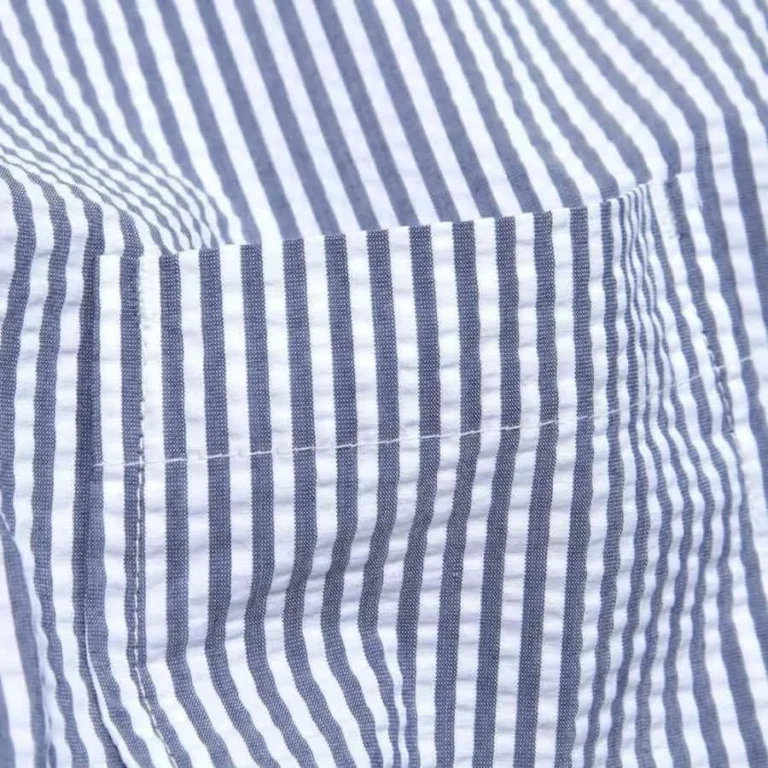
Hopsack, characterized by its distinctive basket weave, stands out for its textural appeal and inherent breathability. The open, somewhat coarse weave creates tiny air pockets, facilitating excellent ventilation. This makes it a popular choice for blazers and sport coats, where its textured surface adds visual interest and a touch of casual elegance. The fabric’s structure allows for a relaxed yet defined silhouette, making it versatile for various informal and semi-formal summer occasions.
However, the open construction that grants hopsack its breathability can also be a potential drawback. Its looser weave can make it more susceptible to snagging, and not all hopsack cloths are robust enough for trousers, which require greater durability. When selecting hopsack, tailors carefully consider the weave density and fiber composition to ensure it meets the specific needs of the garment and the wearer’s lifestyle.
Mohair and Other Exotics: Blending for Performance and Luxury
Mohair, derived from the Angora goat, is rarely used in its pure form for summer tailoring but shines when blended with wool or silk. Its unique properties—a natural luster, exceptional crispness, and remarkable resilience—make it an excellent additive. A mohair-wool blend, for instance, results in a fabric with a clean drape, enhanced wrinkle resistance, and a subtle sheen that can elevate a suit to a more formal or evening appropriate level. The natural stiffness of mohair also contributes to maintaining the garment’s structure, a quality highly valued by Neapolitan tailors.
Beyond mohair, other fibers like hemp and silk also play significant roles, often in blends. Hemp, a sustainable and highly durable fiber, offers excellent breathability and a rustic texture. While historically used for utilitarian purposes, modern processing has made hemp increasingly viable for refined tailoring, especially for those seeking eco-conscious options. Silk, on the other hand, provides unparalleled softness, luxurious drape, and a subtle sheen. When blended with linen or wool, silk can temper the former’s creasing tendency and add a touch of refined elegance to the latter, creating fabrics that are both comfortable and exquisitely tactile. Lightweight blended fabrics, such as wool-silk-linen combinations, are particularly favored for their ability to combine the best attributes of each fiber: the structure and crease resistance of wool, the luxurious drape of silk, and the breathability of linen, all while mitigating their individual weaknesses.
The Tailors’ Consensus: Context is King
The overarching message from the Neapolitan tailoring luminaries is that fabric selection is fundamentally about context. As the discussion with Sartoria Ciardi, Sartoria Solito, Sartoria Carfora, Sartoria Dalcuore, and Rubinacci demonstrated, their personal preferences are deeply rooted in their understanding of the garment’s intended purpose and the wearer’s environment.
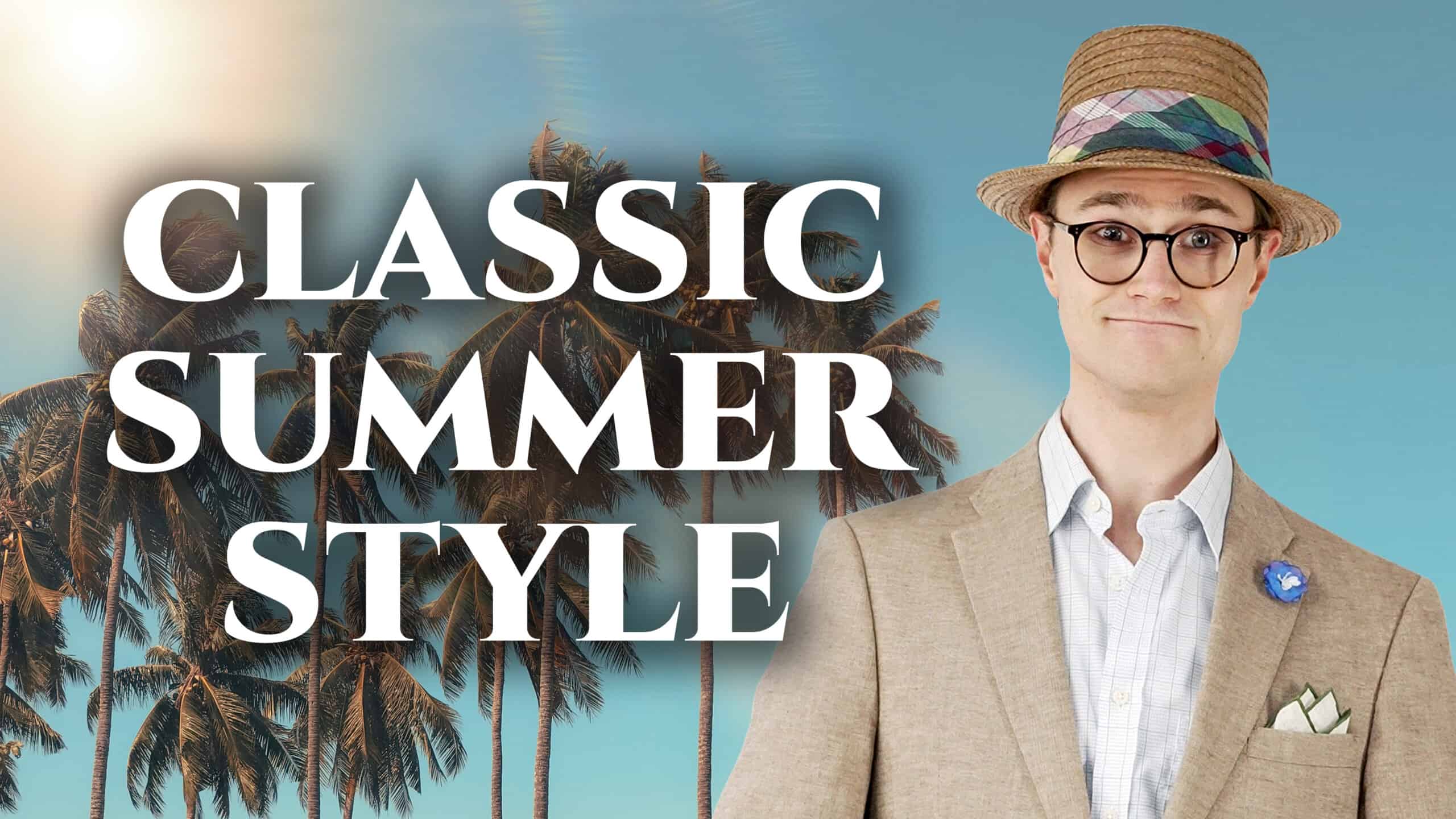
For instance, a tailor prioritizing maximum airflow for a client in an intensely humid climate might lean towards a very open-weave linen or fresco wool. Conversely, a tailor crafting a suit for an evening event in a warm but drier climate might opt for a mohair blend for its crispness and formal drape. The desire for a relaxed, characterful aesthetic would naturally lead to a classic linen, while a need for sustained sharpness throughout a long day would point towards high-twist wool.
This emphasis on individual requirements and specific conditions underscores a core tenet of bespoke tailoring: the garment must be a harmonious extension of the wearer and their lifestyle. It’s not just about what looks good, but what feels good and performs optimally under given circumstances. The notion that "lighter fabric always feels cooler" was also debunked; a tightly woven, albeit lightweight, fabric can trap heat, whereas a slightly heavier cloth with a more open weave can allow for superior airflow and comfort, along with better drape and wrinkle resistance.
Expert Insights: Debunking Common Myths
The discussion further provided valuable insights into common misconceptions about summer fabrics, offering practical advice for both tailors and clients.
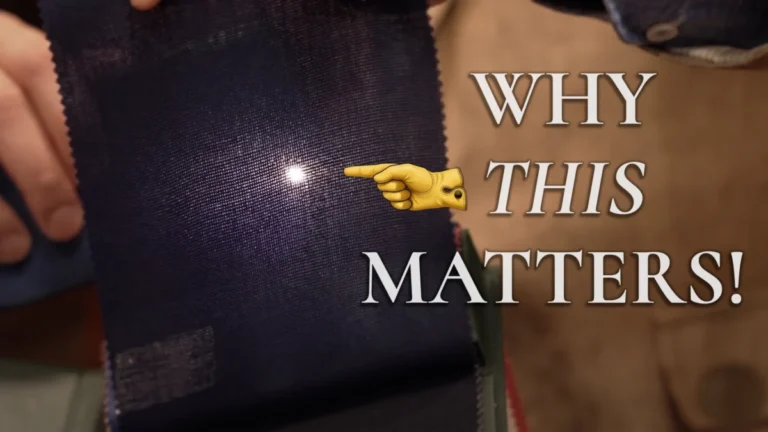
Breathability Beyond Weight: One significant revelation was that the weight of a fabric is not the sole determinant of its coolness. A fabric’s weave structure is equally, if not more, important. A visibly open weave, allowing more light to pass through when held up, is a strong indicator of better airflow. This means a slightly heavier, openly woven fabric might be cooler than a lighter, tightly woven one, while also offering improved drape and wrinkle resistance. This challenges the common assumption that lighter equals cooler, urging a more nuanced understanding of fabric construction.
Durability for Trousers: Summer trousers demand different properties than sport coats. They require greater durability and crease resistance due to increased movement and stress. While lightweight sport-coat fabrics might suffice for a jacket, trousers benefit from sturdy linen or high-twist wool, which offer the necessary resilience without compromising on comfort. The choice ultimately balances desired formality, climate, and the wearer’s tolerance for wrinkles.
The Nuance of Linen Disagreement: The varying opinions on linen among tailors stem from the wide spectrum of linen fabrics available and the differing priorities of the tailors themselves. Linen can range from airy and translucent to dense and substantial, each behaving differently. Some tailors value linen’s characteristic wrinkles as part of its charm, while others prioritize a crisper appearance, structure, or maximum airflow. This highlights that "linen" is not a monolithic category but a diverse family of fabrics, each with its unique characteristics and applications.
Implications for the Discerning Client and the Industry

The insights gleaned from Naples carry significant implications for both consumers and the broader tailoring industry. For the discerning client, this expert discourse serves as a valuable educational resource, encouraging a move beyond generic summer fabric choices. It empowers individuals to engage in more informed discussions with their tailors, articulate their specific needs based on climate and occasion, and explore a wider array of sophisticated options previously overlooked. This personalized approach to fabric selection ensures not only optimal comfort but also a sartorial statement that is both authentic and refined.
For the tailoring industry, the Neapolitan perspective underscores the ongoing importance of material innovation and craftsmanship. It highlights the need for fabric mills to continue developing high-performance summer cloths that meet the evolving demands of warmer global climates and discerning clients. Furthermore, it reinforces the value of the bespoke experience, where expert guidance in fabric selection is as crucial as the precision of the cut and stitch. As global temperatures rise and the demand for comfortable yet elegant warm-weather attire grows, the industry is poised to see further diversification in fabric development, moving away from a one-size-fits-all approach towards specialized solutions.
Looking Ahead: The Evolving Landscape of Summer Style
The re-evaluation of summer fabrics by Neapolitan masters marks a significant moment in menswear. It champions a pragmatic yet sophisticated approach, acknowledging that true elegance in warm weather is a blend of comfort, climate-appropriateness, and personal style. As Raphael’s investigation meticulously demonstrates, the era of unquestioningly declaring one fabric as the "best" for summer is giving way to a more nuanced understanding. The future of summer tailoring lies in appreciating the diverse properties of materials like high-twist wool, hopsack, mohair blends, hemp, and specialized linens, all chosen with an astute awareness of their context. This evolving landscape promises a richer, more comfortable, and ultimately more stylish summer for gentlemen worldwide, guided by the timeless wisdom of Naples’ finest sartorial artisans.