









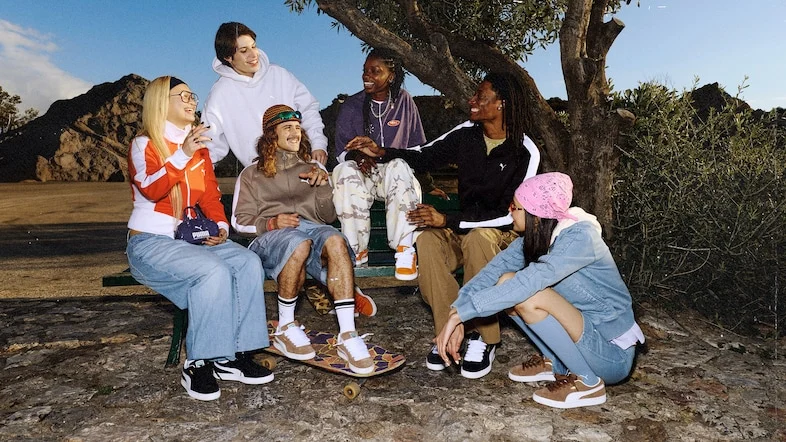
For the past few years, the fashion industry has found itself navigating a continuous cycle of rediscovery, where silhouettes and aesthetics once deemed passé or overexposed are experiencing resurgence through the influence of smaller scenes, niche online communities, and individuals recontextualizing items without their original attached meanings. This phenomenon is particularly evident in urban creative epicenters like Le Marais in Paris or New York’s Lower East Side, where the footwear commonly observed often isn’t the latest trend but rather designs with a rich history, consistently reinterpreted across generations. Within this dynamic landscape, PUMA has strategically centered its annual focus on the communities surrounding its most iconic silhouette: the Suede. This deliberate approach underscores a profound understanding that authentic cultural relevance, particularly in an era saturated with archival reissues, cannot simply be manufactured through mere nostalgia; it must be nurtured through ongoing engagement, innovation, and an embrace of organic evolution.
The Genesis of an Icon: From Court to Concrete
The story of the PUMA Suede begins in 1968, a year of significant cultural upheaval and athletic innovation. Initially conceived as a high-performance basketball shoe, it was designed to offer superior grip and durability on the court. Its simple yet effective design, characterized by a suede upper and rubber sole, quickly caught the attention of NBA legend Walt "Clyde" Frazier. Frazier, known for his flamboyant style both on and off the court, requested a lighter, wider version of the shoe, customizing it to his unique specifications. PUMA obliged, embossing his nickname "Clyde" on the side, thus inadvertently launching one of the first signature athlete sneakers and cementing the Suede’s place in sports history. The "Clyde" model, an offshoot that retained the core Suede DNA, became synonymous with Frazier’s smooth play and impeccable style, elevating the shoe beyond its purely functional origins. This initial athlete endorsement provided a powerful springboard, demonstrating the shoe’s adaptability and appeal to individuals who valued both performance and personal expression.
A Cultural Chameleon: The Suede’s Subcultural Odyssey
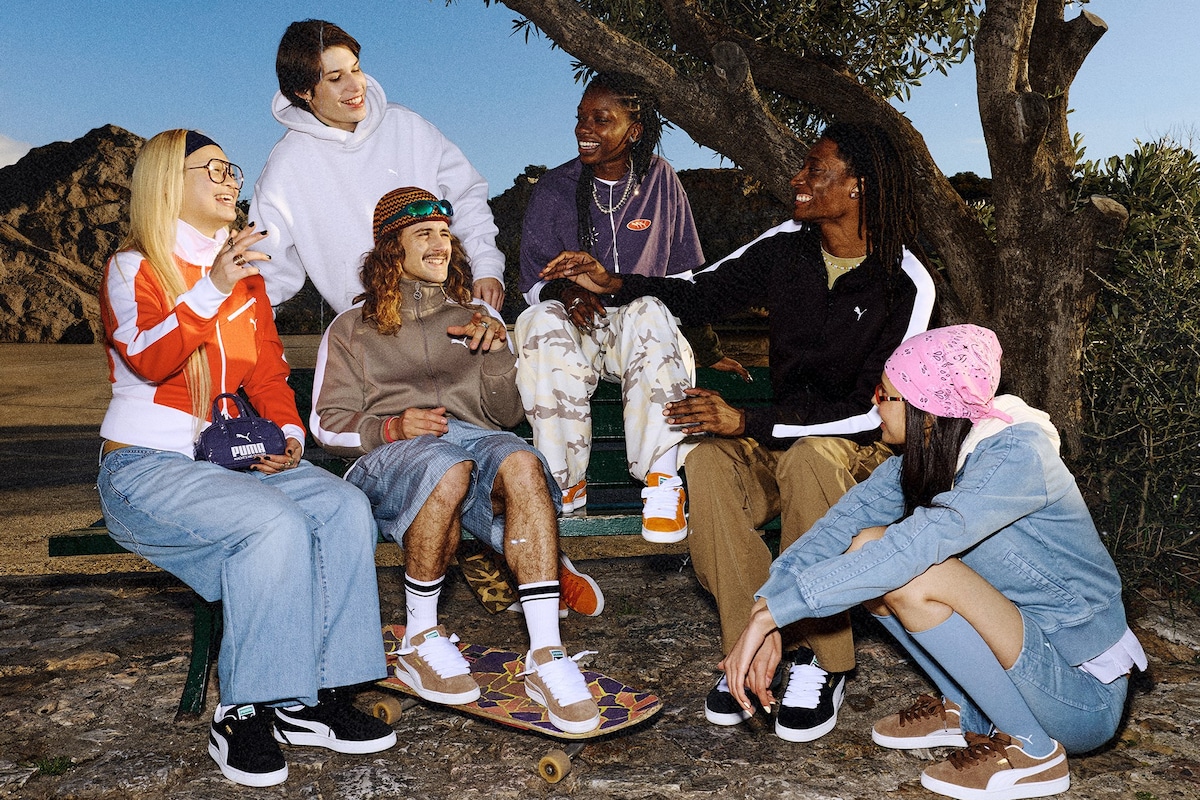
What truly distinguishes the PUMA Suede from countless other heritage silhouettes is its unparalleled ability to seamlessly transition and embed itself within diverse subcultures, never truly disappearing from the cultural consciousness. Unlike many archival reissues that return tethered to a singular moment or era, often demanding consumers to buy into a pre-packaged sense of nostalgia, the Suede’s journey has been one of continuous, organic adoption.
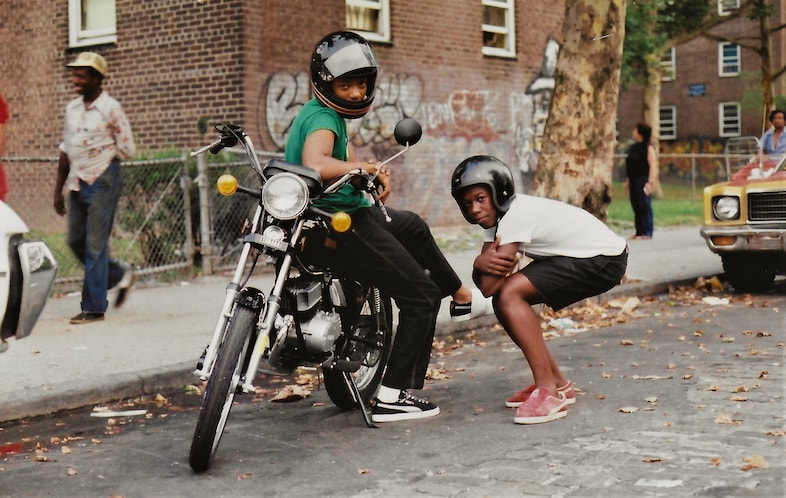
By the 1970s and 1980s, the Suede had transcended basketball courts and found a new, fervent following in the burgeoning B-Boy and hip-hop scenes of the Bronx. Its sturdy construction, comfortable fit, and clean aesthetic made it an ideal choice for breakdancers, who valued its grip for intricate footwork and its durability for countless hours of practice. The vibrant colorways available resonated with the era’s bold fashion, making the Suede a staple alongside tracksuits and Kangol hats. It became an integral part of the visual language of hip-hop, symbolizing authenticity and street credibility. This adoption was not a marketing ploy; it was an organic embrace by a community that found genuine utility and expressive power in the shoe.
As the 1980s gave way to the 1990s, the Suede again proved its versatility, migrating into the world of skateboarding. Skaters, much like B-Boys, sought durable footwear that offered excellent board feel and impact protection. The Suede’s robust construction and flat sole made it a preferred choice, capable of withstanding the rigorous demands of ollies, kickflips, and grinds. Its unpretentious, utilitarian appeal allowed it to integrate effortlessly into the counter-culture ethos of skateboarding, becoming a silent workhorse admired for its reliability rather than its flash.
Simultaneously, across the Atlantic, the Suede solidified its presence within British street culture and various music scenes. From indie rockers to casuals and grime artists, the shoe became a ubiquitous symbol of urban cool. Its ability to complement a wide array of styles, from sportswear to more tailored looks, contributed to its enduring popularity. This cross-cultural, multi-genre adoption highlights the Suede’s inherent "blank canvas" quality, allowing each new community to imbue it with their own unique meaning and aesthetic.
"Never Not Suede": A Campaign for Continuous Evolution
Recognizing this unique history, PUMA has launched its "Never Not Suede" campaign, positioning the silhouette’s communities as its focal point for the year. This initiative is not merely a retrospective; it’s a dynamic celebration of the Suede’s ongoing cultural relevance and its capacity for perpetual reinterpretation.
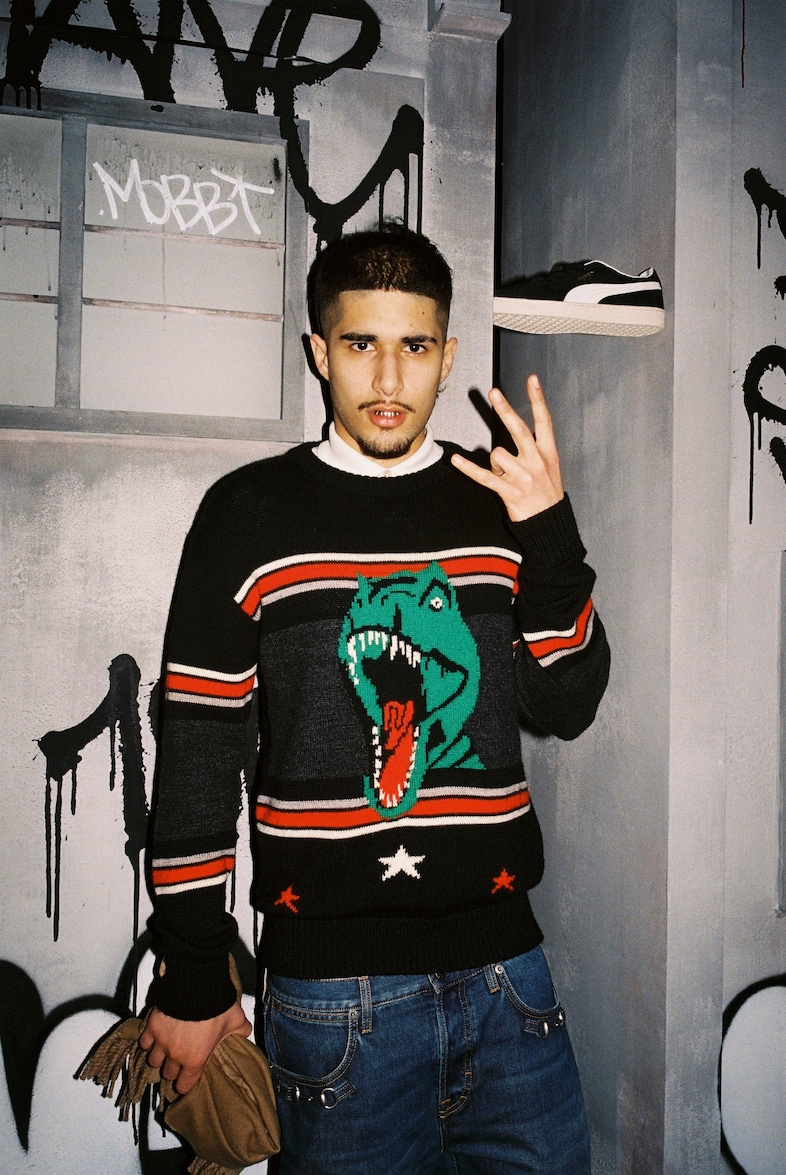
The campaign’s physical manifestation began in January during Paris Men’s Fashion Week with the unveiling of Suede House at 7 Rue Froissart. This was no ordinary pop-up shop; PUMA transformed the space into an immersive, step-by-step narrative tracing the Suede’s nearly six-decade lifespan. The exhibition meticulously illustrated how the single silhouette seamlessly transitioned between basketball, music, skateboarding, and broader street culture. Divided into distinct rooms, each dedicated to a specific era, Suede House featured carefully curated archive pieces, evocative film montages, and interactive installations. These elements were designed to represent the diverse individuals and subcultures that have played crucial roles in the shoe’s remarkable longevity and sustained cultural relevance.
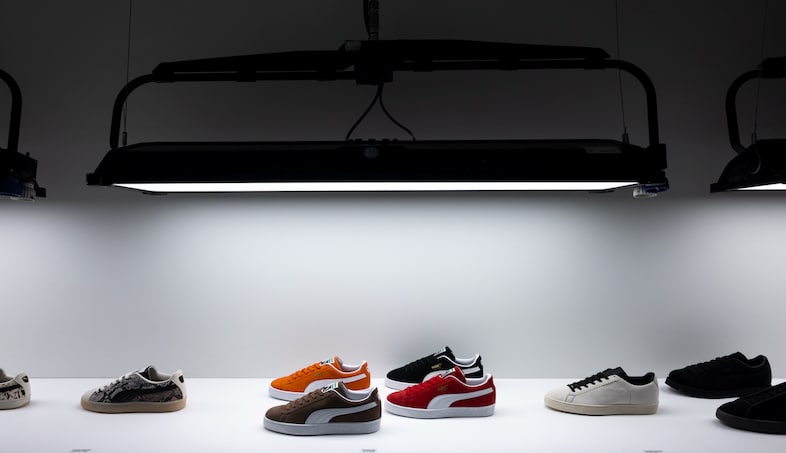
The event itself was a testament to the Suede’s contemporary appeal, drawing notable figures such as British grime artist Skepta and creative director Fakemink, both spotted wearing their own Suede trainers. Their presence underscored the shoe’s continued resonance with influential voices in current culture. Beyond celebrating its storied past, Suede House also offered a tantalizing glimpse into the future. Rows of unreleased Suede iterations, showcasing brand new materials and innovative colorways, highlighted the diverse and forward-looking lineup expected throughout the year and beyond. Among these previewed styles was the Charles F. Stead version, a testament to premium craftsmanship, released last year and featuring luxurious leather sourced from the esteemed British tannery. This blend of heritage and innovation signals PUMA’s commitment to evolving the Suede while honoring its roots.
Strategic Collaborations: Weaving New Narratives
A cornerstone of the "Never Not Suede" campaign is PUMA’s strategic approach to collaborations, inviting contemporary designers to reinterpret the silhouette and inject new life into its enduring form. This strategy is critical in an era where consumers, particularly younger creatives, are constantly seeking fresh perspectives and authentic storytelling.
Earlier this year, PUMA partnered with Dutch designer Danielle Cathari to offer her unique take on the Suede, alongside the Speedcat trainer. Cathari, celebrated for her distinct approach to texture and deconstruction, transformed the Suede with fuzzy finishes and organic references. Her inspiration drew from rare mushrooms and the intricate textures of forest landscapes, resulting in a shoe that blended sportswear functionality with avant-garde experimentation. For those familiar with Cathari’s work, which consistently bridges athletic aesthetics with conceptual design, her vision for the Suede felt like an apt choice. It demonstrated how younger designers are approaching archival products not just as objects of nostalgia, but as canvases for contemporary artistic expression, pushing boundaries while respecting the original form. This collaboration effectively showcased the Suede’s capacity to absorb new design languages and remain relevant in high-fashion contexts.
Following this, February saw another significant iteration of the Suede, this time through a collaboration with Nahmias. Founded by Doni Nahmias in 2018, the label has cultivated a distinctive identity rooted in West Coast culture and Americana. During Paris Fashion Week, the Nahmias x PUMA Suede appeared as a key component of the brand’s broader presentation, deeply embedded in its laid-back, yet luxurious California aesthetic. This translated directly into the shoe’s design, which featured distressed finishes, subtle asymmetry, and vintage-inspired colorways, giving the Suede a "worn-in" feel from the outset. Details such as delicate crochet elements and friendship bead references further distinguished this iteration, deliberately moving it away from the cleaner, minimalist versions that have often dominated sneaker culture over the past decade. The Nahmias collaboration illustrated the Suede’s ability to be deeply integrated into a specific lifestyle narrative, offering a richer, more textural interpretation that speaks to a different facet of contemporary style.
These collaborations are more than just product releases; they represent PUMA’s understanding that cultural relevance in the 21st century is a dynamic, multi-faceted construct. By inviting diverse individuals and worlds to put their unique spin on the Suede, PUMA ensures the shoe continues to exist in new spaces, resonate with emerging aesthetics, and connect with younger generations who are less constrained by traditional style categories.
Broader Implications: Beyond the Archival Reissue Trap
The collective impact of these projects signals a broader strategic shift, moving beyond the standard collaboration rollout model. PUMA’s current direction with the Suede demonstrates a keen awareness that enduring cultural relevance cannot be solely manufactured through a simple appeal to nostalgia. While heritage is undoubtedly a powerful asset, its efficacy diminishes if it’s not coupled with innovation and genuine adaptability.

The Suede’s success lies in its inherent capacity for organic reinterpretation. It returns not because a brand dictates its comeback, but because people continually find new uses for it, attach new meanings, and place it within entirely different contexts from its origins. From Walt Frazier’s customized court shoe in 1968 to its adoption by B-Boys, skaters, and diverse music scenes, the Suede has consistently proven its ability to be a "tool" for expression rather than just a static product.
In the contemporary fashion landscape, where references from disparate eras and cultures merge with unprecedented fluidity, the Suede thrives. The current resurgence is not attributable to a singular movement or aesthetic. Instead, it mirrors the broader operating principles of modern style, where younger creatives fluidly pull from multiple cultural worlds, refusing to be confined to a single association. The Suede, with its rich, multifaceted history and adaptable design, naturally facilitates this process. It provides a foundation that is recognizable yet flexible enough to absorb new influences and narratives.
PUMA’s "Never Not Suede" campaign is thus a celebration of this organic process. It champions the creative voices and diverse worlds that continue to orbit and breathe new life into the PUMA Suede. As more releases and collaborations unfold throughout the year, the brand is committed to spotlighting the individuals who help bring these visions to life, ensuring that the Suede remains a living, evolving icon rather than a mere relic of the past. This strategy not only secures the Suede’s place in the present but also lays a robust foundation for its continued relevance in the decades to come, proving that some classics are, indeed, never not in style.