









For a beverage often considered commonplace, tea transforms into a remarkably refined experience when approached with meticulous care, thoughtful preparation, and adherence to established etiquette. Far more than a simple drink, it embodies a timeless ritual that encourages slowing down, demonstrating consideration for others, and fostering civility in social interactions. This comprehensive guide explores the historical context, essential components, and nuanced practices involved in brewing and drinking tea with true refinement, highlighting its profound role in social discourse and personal well-being.

Historical Roots and Global Journey
The journey of tea from a humble leaf to a global cultural phenomenon is a saga spanning millennia, deeply intertwined with trade, diplomacy, and societal development. Originating in ancient China, tea was initially revered for its medicinal properties before evolving into a popular beverage and a cornerstone of spiritual and social rituals, such as the elaborate Gongfu tea ceremony. Its introduction to Japan in the 9th century led to the development of the highly stylized Chanoyu, or Japanese tea ceremony, emphasizing harmony, respect, purity, and tranquility. These Eastern traditions laid the groundwork for tea’s association with mindfulness and meticulous practice.

By the 17th century, tea had made its way to Europe via the Dutch East India Company, rapidly gaining popularity, particularly among the British aristocracy. Catherine of Braganza, Queen Consort to Charles II, is often credited with popularizing tea in England in the 1660s, introducing it from her native Portugal. However, it was the 18th and 19th centuries that saw tea consumption explode across all social strata in Britain, largely fueled by the British East India Company’s vast colonial enterprise. This burgeoning demand created a lucrative, albeit often controversial, global trade network, leading to significant historical events such as the Boston Tea Party, which ignited revolutionary fervor, and the Opium Wars, which reshaped geopolitical landscapes. During this period, tea became a commodity of immense economic and political power, transforming global trade routes and fostering colonial expansion.
The tradition of "afternoon tea," as commonly understood today, is largely attributed to Anna, the Seventh Duchess of Bedford, in the 1840s. Finding herself experiencing a "sinking feeling" during the long gap between lunch and dinner, she began requesting a pot of tea, bread, butter, and cake in her private rooms in the afternoon. This private habit soon evolved into a fashionable social event, moving from private chambers to drawing rooms, and cementing tea’s role as a vital part of British social life. This development gave rise to the elaborate etiquette and specialized tea ware that still define refined tea service today. This historical progression illustrates how tea transitioned from a mere commodity to a potent symbol of culture, class, and connection, deeply embedding itself in the social fabric of nations.

The Anatomy of a Refined Tea Service
A truly traditional tea service, while not necessarily extravagant, mandates the presence of specific, thoughtfully chosen accoutrements. These items are not merely functional; they contribute significantly to the aesthetic and practical elegance of the ritual, signaling a commitment to quality and tradition. The core components typically include: a kettle for boiling water; a teapot, the central vessel for brewing; a tea strainer, an indispensable tool for loose-leaf tea; cups and saucers, the primary drinking vessels; a milk jug (or creamer) for serving milk or cream; a sugar bowl for granulated sugar or sugar cubes; teaspoons for stirring; and a serving tray to present the entire service neatly.
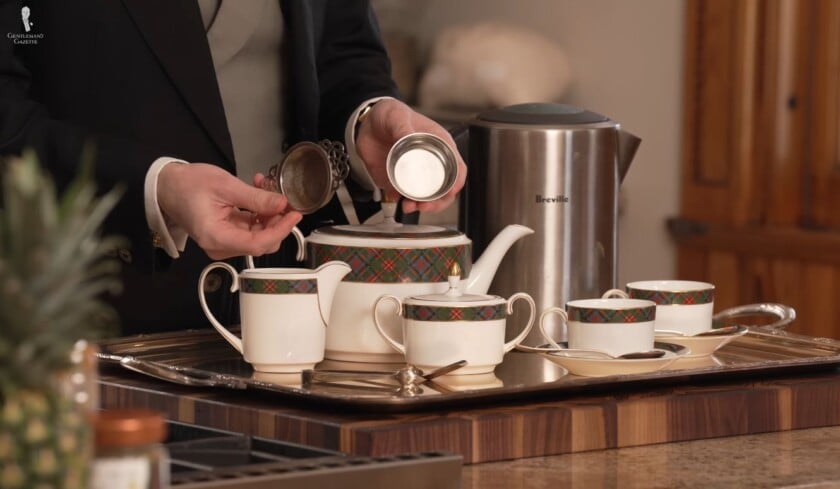
The selection of these pieces underscores a commitment to quality and tradition. Teacups and saucers, for instance, are ideally crafted from bone china. This material is prized for its exceptional thinness, lightness, and inherent elegance, offering a superior tactile and visual experience compared to heavier ceramic alternatives. Its delicate nature is not merely aesthetic; it enhances the drinking experience by allowing the tea’s temperature to be felt subtly without scalding, and its smooth, fine rim provides a finer, more pleasant sip. Porcelain is another highly regarded material for teaware, offering similar advantages.
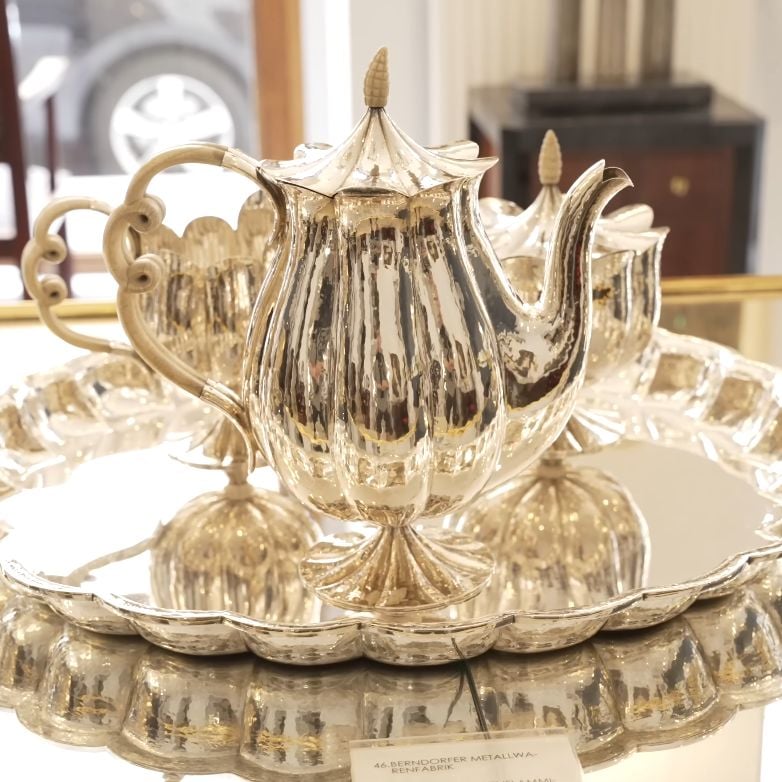
For the teapot itself, two traditional options prevail: fine porcelain or bone china, often matching the cups, or polished silver or silver-plated designs. Porcelain and bone china teapots excel at retaining heat and showcasing intricate patterns. Silver teapots, while requiring more diligent maintenance, exude a classic grandeur and are often treasured as family heirlooms. Distinguishing a teapot from a coffee pot in a full service is also part of the connoisseur’s knowledge: teapots are generally shorter, rounder, and squatter, designed for optimal leaf infusion, while coffee pots are typically taller and more tapered, better suited for maintaining coffee’s heat and aroma.
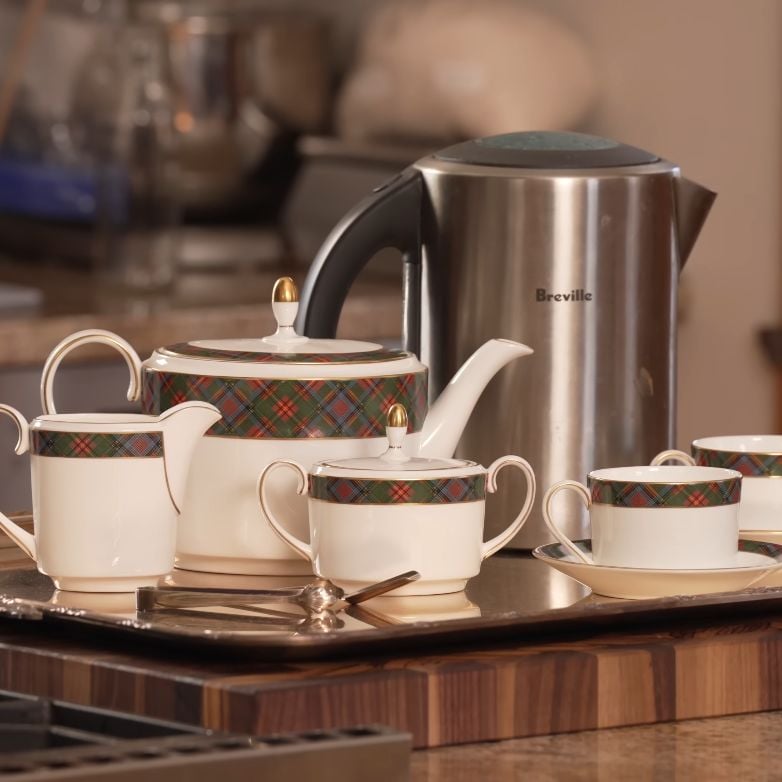
Cultural historians and antique enthusiasts note that the acquisition of such pieces need not be prohibitively expensive. Vintage, thrift, and charity shops frequently yield quality tea sets at accessible prices, often unearthing older, well-preserved items that were rarely used. This makes the pursuit of a refined service an accessible pleasure for many, allowing individuals to connect with the history and artistry of tea culture without excessive expenditure.
The Art of Brewing: A Scientific Approach to Flavor
The foundation of an exquisite cup of tea lies in the meticulous brewing process, a stage that dictates the very essence of the beverage. Proper tea, as connoisseurs and scientific studies affirm, is invariably brewed with loose leaves, a practice rooted in both tradition and a deeper understanding of infusion chemistry. Loose leaves require ample space to unfurl and circulate within the hot water, allowing for a complete and nuanced extraction of flavor, aroma, and beneficial compounds. This contrasts sharply with the constricted environment of many tea bags, which often contain "fannings" or dust—smaller, lower-quality leaf particles that infuse quickly but typically lack the depth, complexity, and full character of whole leaves.
To achieve an optimal brew, several critical steps must be observed:
-
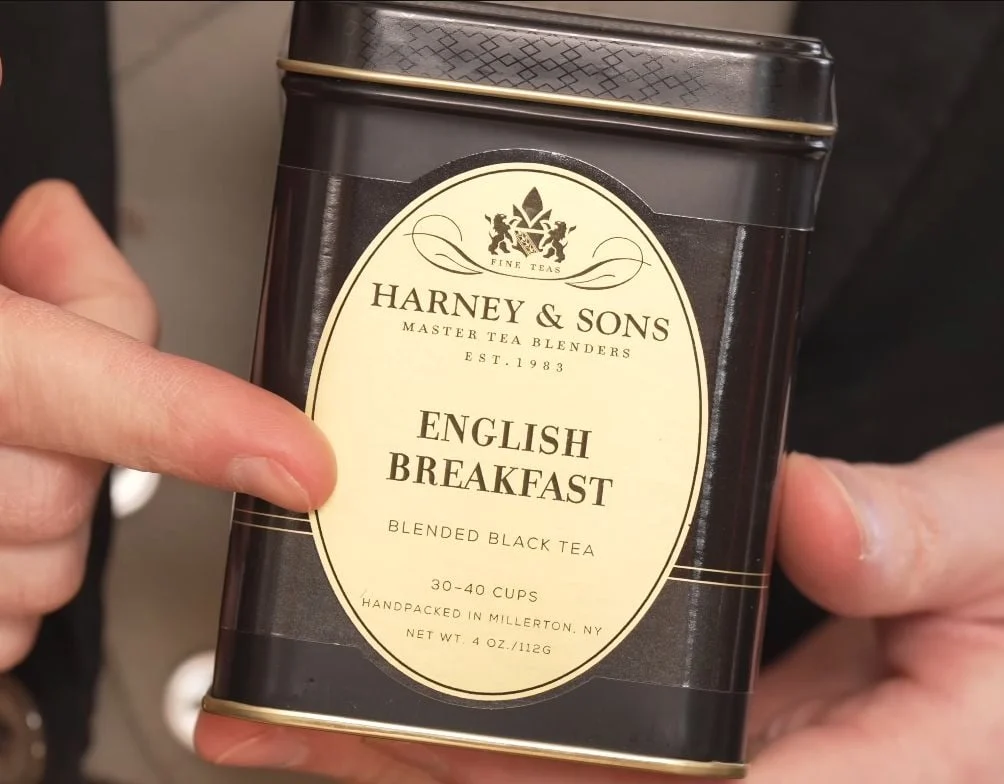
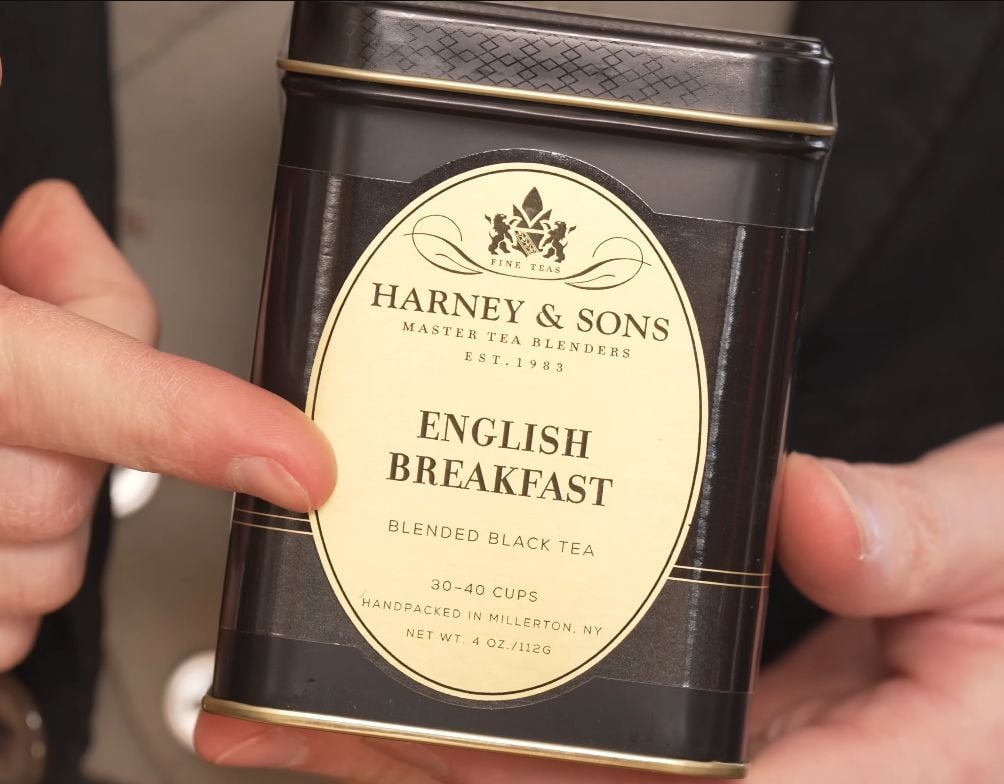
Water Temperature Precision: For robust black teas, such as the classic English Breakfast, water must reach a full rolling boil, approximately 100°C (212°F). This high temperature is essential for extracting the full flavor profile and characteristic briskness of black tea. It is crucial to note that different tea types, such as green or white teas, require lower temperatures (e.g., 70-80°C) to prevent the extraction of bitter tannins and preserve their delicate notes, a nuance mastered by seasoned tea preparers.
-
Filtered Water Superiority: The quality of water profoundly impacts the final taste of tea. Hard water, characterized by high mineral content (e.g., calcium and magnesium), can chemically react with tea compounds, leading to a flattened or weakened flavor profile, and often a cloudy, unappealing appearance. Conversely, filtered water, free from impurities and excessive minerals, allows the tea’s intrinsic flavors to shine through, resulting in a cleaner, brighter, and more vibrant infusion. Research, including studies published in scientific journals, corroborates this traditional wisdom, demonstrating the chemical interactions between water hardness and tea compounds that affect taste and clarity.
-
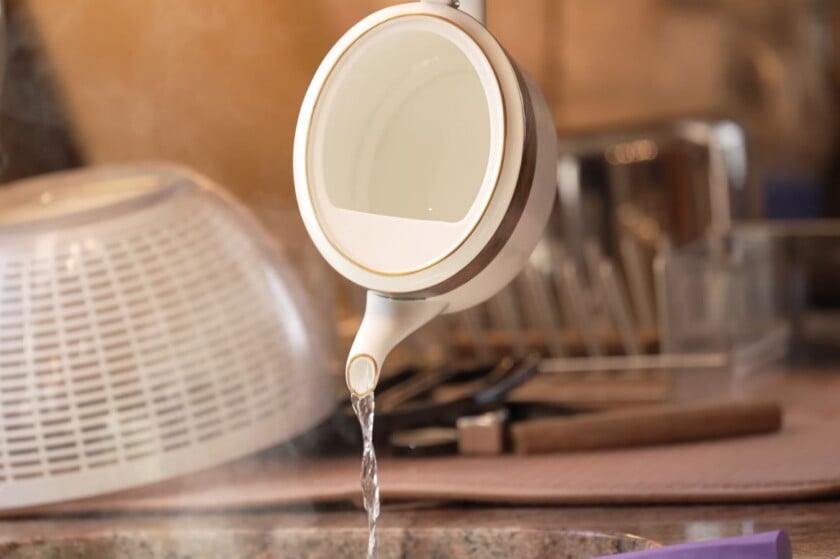
Pre-Warming the Teapot: Before the tea leaves are introduced, the teapot should be pre-warmed. A small amount of hot water is swirled inside the pot and then discarded. This simple step is crucial for maintaining a consistent brewing temperature. A cold teapot would rapidly draw heat away from the freshly boiled water, significantly lowering the temperature required for optimal infusion and resulting in a weaker, under-extracted tea.
-
Accurate Tea Measurement: The traditional guideline for black tea is "one portion of tea per person, plus one extra for the pot." While a specialized caddy spoon is the historical implement, a heaped teaspoon serves as a practical modern equivalent. This measurement ensures an appropriate strength for a communal pot, balancing flavor and body, and avoiding either an insipid or overly strong brew.

-
Optimal Pot Filling: Once the loose leaves are in place, freshly boiled water is poured into the teapot, filling it approximately three-quarters to four-fifths full. Leaving a small amount of headspace facilitates the circulation of heat and steam, creating an ideal environment for the leaves to expand fully and infuse evenly, contributing to a richer aroma and flavor.
-
Patient Steeping: Steeping time is paramount and varies based on desired strength and tea type. For black tea, a duration of three to five minutes is generally recommended. Rushing this stage leads to under-extraction and a thin, watery taste, while over-steeping can result in excessive bitterness and astringency due to the release of tannins. As the Russian novelist Fyodor Dostoevsky famously quipped, "I say let the world go to hell, but I should always have my tea," encapsulating the profound patience and dedication a true tea enthusiast brings to the ritual.
The tea strainer, therefore, is not merely a convenience but a critical component in this process, enabling the full flavor extraction of loose leaves while ensuring a smooth, pleasant drinking experience, free from stray leaf particles. Whether a utilitarian stainless steel version or an elegant silver-plated piece, its role is undisputed in a refined tea service.
The Ritual of Serving: Precision and Hospitality
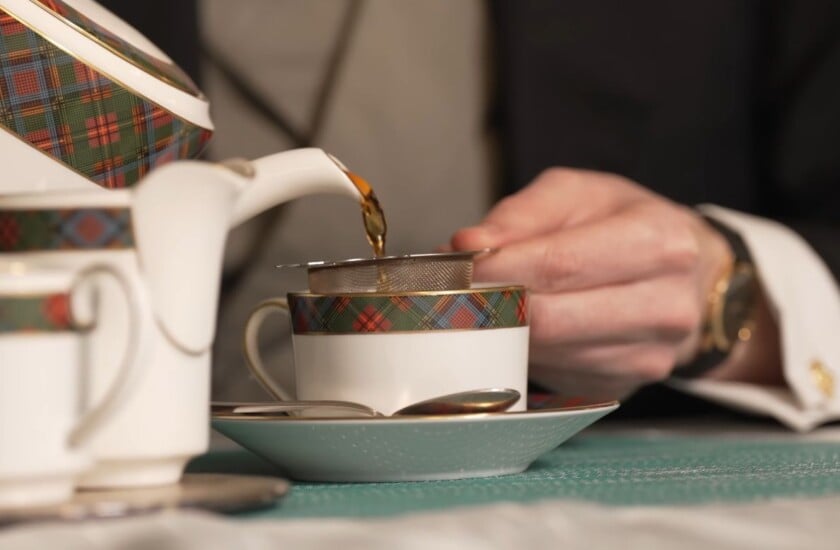
Once brewed to perfection, the serving of tea transitions the focus from preparation to presentation and, critically, to hospitality. This phase demands deliberate, unhurried movements, reflecting the overarching principle of respect for the beverage and one’s guests.
The host initiates the service by pouring slowly, a pace that prevents splashes and conveys a sense of care and composure. Crucially, the tea strainer is employed for every pour, held close to the cup to efficiently filter the infused leaves. This ensures that each cup is clear and enjoyable, preserving the integrity of the loose-leaf brewing method.
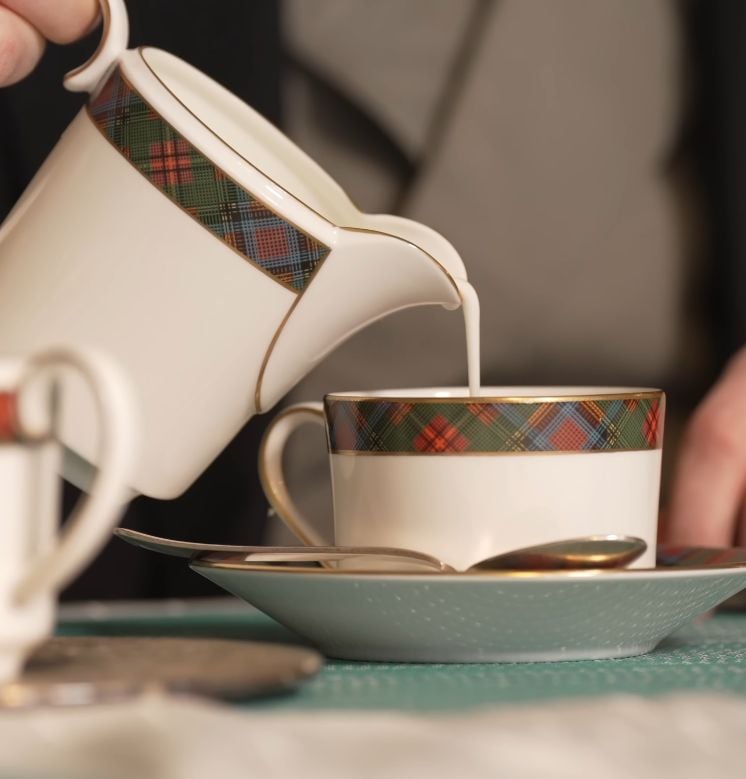
Cups should be filled to approximately three-quarters full, leaving sufficient space for guests to add milk or sugar without the risk of spillage, and making the cup easier to handle. A fundamental tenet of hospitality dictates that the host serves all guests before attending to their own cup, a gesture of deference and consideration that underscores the social nature of the gathering. After the initial round of serving, the teapot is returned to the table, positioned with its handle conveniently accessible, as subsequent servings are typically self-administered by guests, maintaining a relaxed yet orderly flow.
Preparing Accompaniments: Milk, Sugar, and the Question of Lemon
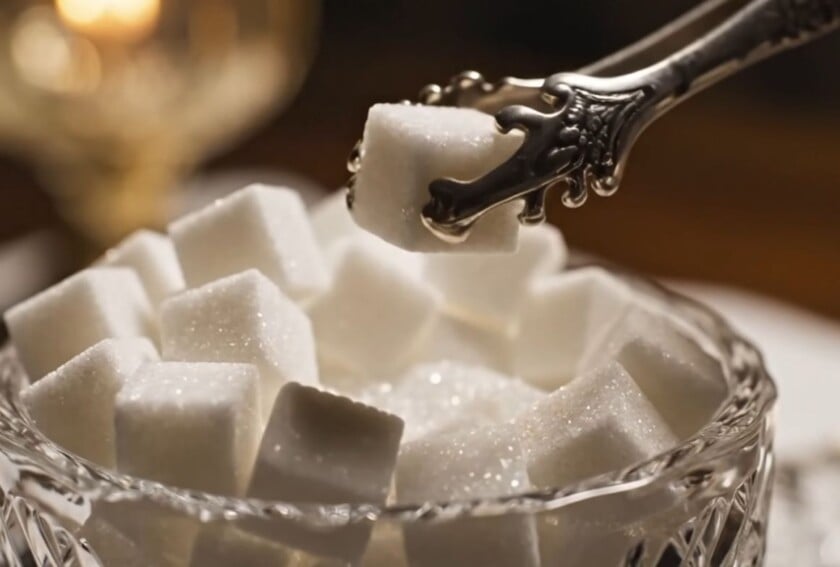
While the tea steeps, accompanying elements—milk, sugar, and occasionally lemon—are prepared with equal precision. Milk is presented in a spouted milk jug, while sugar resides in a sugar bowl, offered either as coarse white granulated sugar with a communal spoon or as white sugar cubes, accompanied by elegant sugar tongs.
Traditional etiquette dictates specific considerations for these additions:
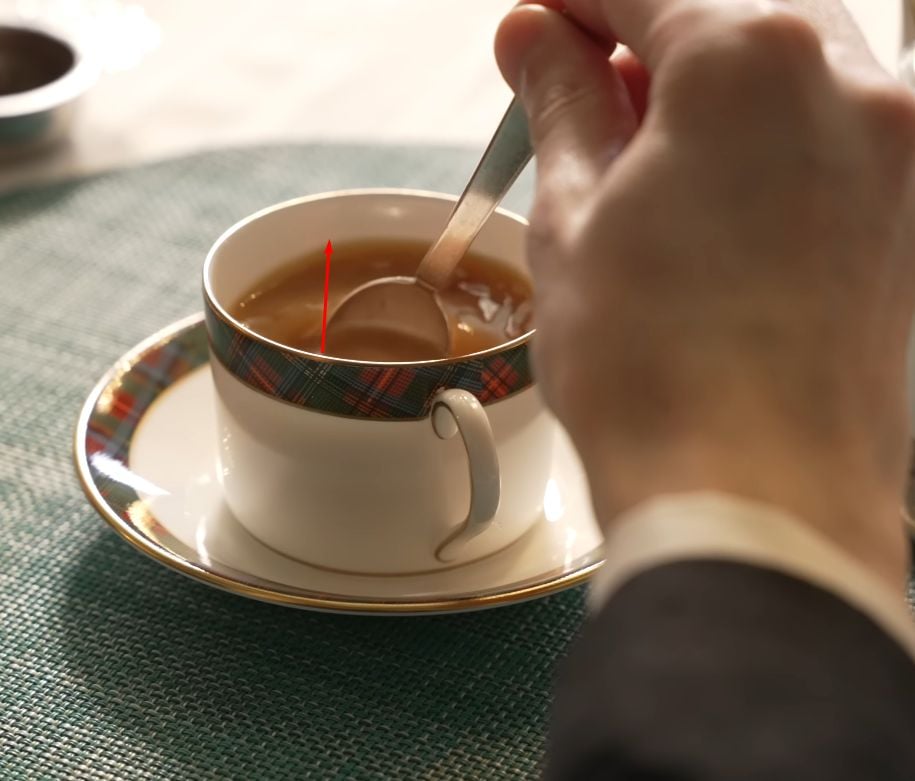
- Milk, Not Cream: While cream might seem more luxurious, whole milk is the traditional choice for tea, offering a balanced richness without overwhelming the tea’s delicate flavors.
- White Sugar Only: Brown sugar, while popular in other contexts, is generally considered unsuitable for traditional tea service as its molasses notes can interfere with the nuanced flavors of fine tea.
- Milk After Tea: A long-standing debate exists regarding whether milk should be added before or after the tea. In a group setting, adding milk after the tea is the preferred practice. This allows each guest to accurately assess the tea’s strength and customize their cup to their precise taste, a gesture of individual consideration. Historically, adding milk first ("milk-in-first" or MIF) was practiced to protect delicate china from cracking under the heat of boiling tea, a concern less prevalent with modern bone china.
Lemon, on the other hand, is a more selective accompaniment, typically reserved for lighter, more delicate teas (like Earl Grey or certain green teas) that benefit from its bright, acidic lift, rather than robust black breakfast blends which traditionally pair better with milk. If offered, lemon slices should be presented on a separate plate with a small fork, allowing guests to add them without touching the fruit directly. It is considered an etiquette faux pas to combine both milk and lemon in the same cup, as the acidity of the lemon will cause the milk to curdle, creating an unappetizing sight and taste.
The Dance of the Cup: Holding and Drinking Etiquette
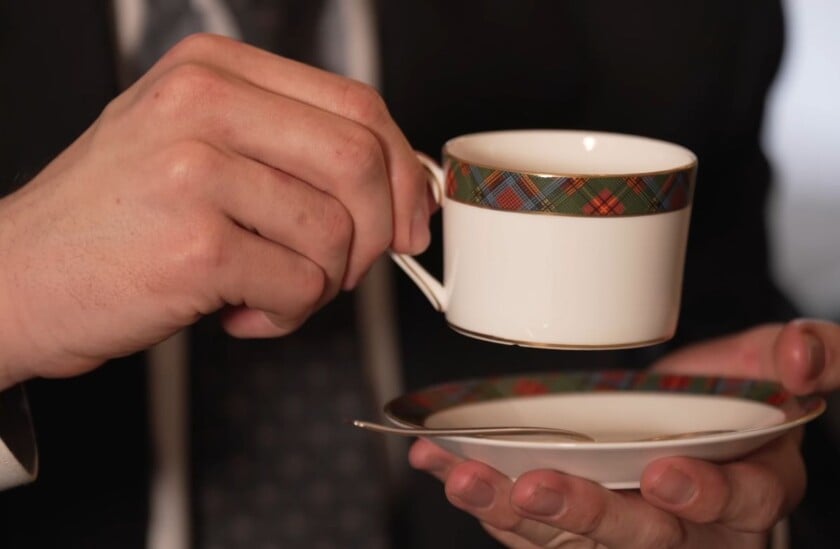
Once tea has been served and personalized, the act of drinking itself is governed by a subtle yet significant set of manners. These gestures collectively contribute to an impression of grace and self-possession.
The teacup, after being served, should be returned to its saucer with the handle positioned between 4 and 5 o’clock for a right-handed individual. The teaspoon, having fulfilled its stirring duty, rests on the saucer, parallel to the handle. Left-handed drinkers naturally mirror this arrangement.
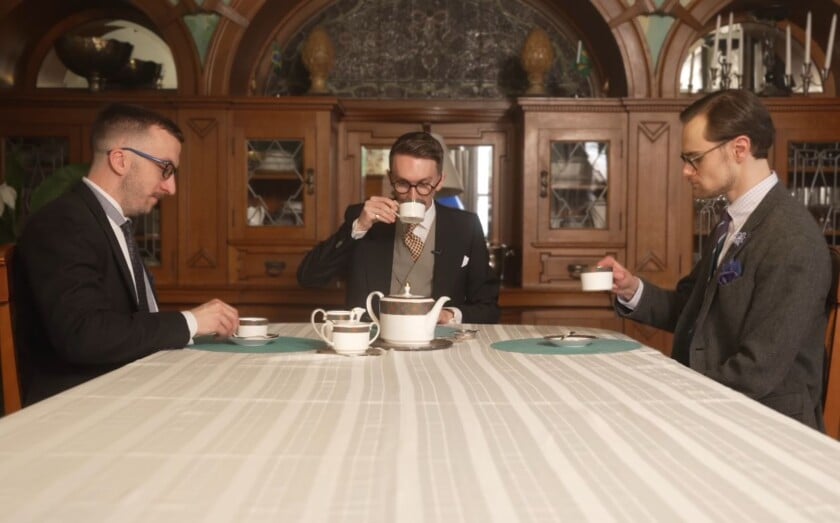
The manner of holding the teacup handle is a clear indicator of polished etiquette. Rather than hooking fingers through the handle, the proper technique involves lightly pinching the handle between the thumb and forefinger, with the middle finger providing gentle support underneath. This method ensures control and elegance. A common misconception, the raised pinky finger, is actually considered a faux pas in traditional etiquette; the remaining fingers should either be neatly tucked into the palm or discreetly used to steady the cup, not extended. When lifted for a sip, the handle will naturally orient itself to approximately 3 o’clock (or 9 o’clock for left-handed drinkers), returning to its original slight angle upon being placed back on the saucer.
The context of drinking also influences the handling of the cup and saucer:
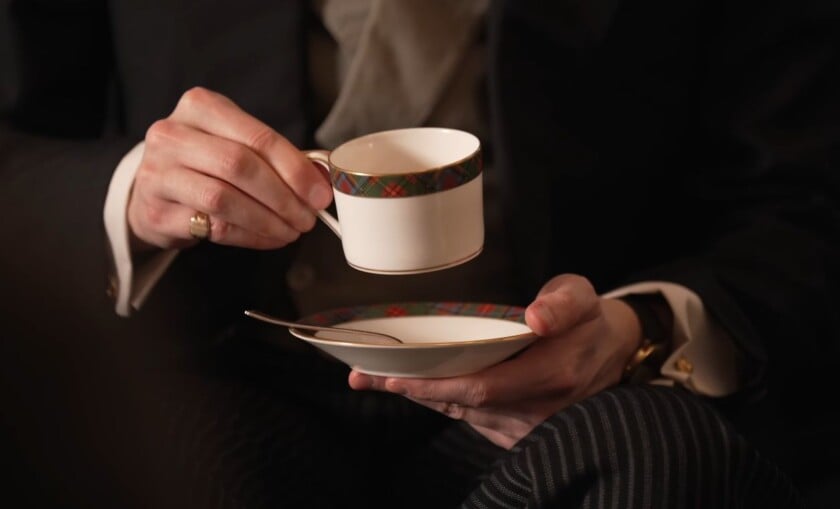
- Seated at a Table: When seated at a table, the cup and saucer remain together on the tabletop until a sip is desired. Only the cup is lifted to the mouth, leaving the saucer and teaspoon undisturbed on the table. After each sip, the cup is gently returned to the saucer. This practice minimizes unnecessary movement and maintains an organized setting.
- Seated Without a Table: In informal settings where no table is available, such as on a sofa, the saucer is held steadily in the non-dominant hand, resting comfortably in the lap or just above it. The dominant hand then lifts only the cup for drinking. The saucer remains in place, acting as a stable base for the cup between sips.
- Standing: When standing, the saucer is again held in the non-dominant hand, close to the body, typically around the natural waistline for stability. As with other scenarios, only the cup is raised for drinking, and the saucer is not lifted towards the face.
In all instances, composed posture is paramount. Sitting or standing upright, moving with controlled grace, and handling the delicate china with care collectively convey an impression of refinement and respect for the ritual.
Tea Etiquette Mistakes to Avoid: Common Pitfalls

Understanding proper tea etiquette also involves recognizing and actively avoiding common missteps that can detract from the refined experience and cause discomfort for others:
- Lifting the Pinky Finger: Despite popular belief, this is a widespread misconception and is actually considered an affectation rather than a mark of elegance.
- Hooking Fingers Through the Handle: The correct grip is a gentle pinch with thumb and forefinger, supported by the middle finger.
- Slurping or Loud Drinking: Tea should be sipped quietly and elegantly, never making audible noises.
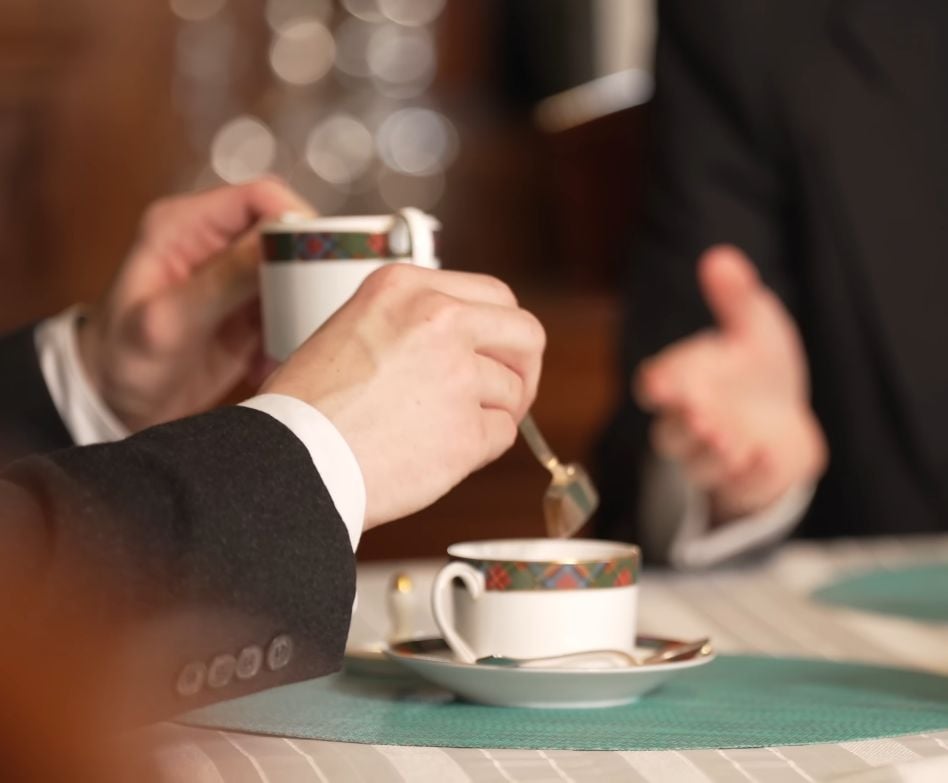
- Stirring Vigorously or Clinking the Spoon: Stir gently with a back-and-forth motion (from 12 to 6 o’clock), avoiding unnecessary noise or splashing.
- Leaving the Spoon in the Cup: After stirring, the spoon belongs on the saucer, parallel to the cup handle, never left submerged in the tea.
- Dunking Biscuits or Food: While common in very casual, private settings, this is generally considered inappropriate in refined company. Accompaniments like scones, biscuits, or sandwiches should be eaten separately and discreetly.
- Combining Milk and Lemon: The acidity of lemon will cause milk to curdle, making for an unappetizing and visually unappealing combination.
- Overfilling the Cup: Filling a cup to the brim makes it difficult to handle, increases the risk of spills, and leaves no room for personal additions.
- Rushing the Service: The entire process, from brewing to serving