










In an era defined by increasing environmental awareness and a demand for greater corporate accountability, the fashion industry is undergoing a transformative shift. While the broader movement towards sustainable fashion has gained significant momentum over the past decade, certain categories, particularly men’s formal footwear, have historically lagged in adopting comprehensive ethical practices. Today, however, a growing number of responsible brands are stepping up, offering discerning consumers stylish and sophisticated options that align with their moral compass. Good On You, a leading authority in fashion sustainability ratings, has curated a selection of top picks, spotlighting brands making Derby shoes, Oxfords, boots, and smart sneaker styles with a commitment to people, planet, and animals. These recommendations represent a crucial pivot in the market, enabling individuals to make informed choices for the office, special events, or daily wear, without compromising on values.
The imperative for sustainable choices in footwear stems from the significant environmental and social impacts associated with traditional manufacturing processes. The global footwear market, valued at hundreds of billions of dollars annually, relies heavily on resource-intensive materials and often opaque supply chains. Historically, the focus on durability, aesthetics, and cost-efficiency has overshadowed considerations for ecological footprint or labor ethics. This has led to a substantial contribution to landfill waste, pollution, and, in some cases, concerning labor practices within the industry.
The Evolving Landscape of Fashion Sustainability
The journey towards a more sustainable fashion industry began in earnest in the late 20th and early 21st centuries, driven by increasing awareness of climate change, human rights abuses in manufacturing, and the sheer volume of textile waste. Initially, the spotlight was predominantly on apparel, with brands slowly beginning to integrate organic cotton, recycled polyester, and fair labor certifications. However, footwear presented a unique set of challenges. The complexity of shoe construction, involving multiple materials (leather, rubber, various synthetics, adhesives) often fused together, made recycling difficult and material sourcing intricate. Moreover, the aesthetic conventions for men’s dress shoes—demanding specific finishes, durability, and a traditional appeal—often steered brands away from innovative, greener alternatives.
Over the last five years, accelerated by consumer demand and technological advancements, the conversation has broadened to include footwear. The market for sustainable and ethical footwear is projected to grow significantly, indicating a clear consumer preference for products that tell a story of responsibility. This shift is not merely a trend but a fundamental recalibration of industry priorities, where transparency and impact assessment are becoming as critical as design and function. Good On You’s role in this evolving landscape is to simplify this complex information, providing clear, trustworthy ratings that empower consumers to make choices aligned with the "buy less, buy better" philosophy.
Understanding the Environmental and Social Footprint of Traditional Footwear
To appreciate the value of sustainable dress shoes, it is crucial to understand the ecological and social costs of conventional footwear.
-
Material Impact:
- Leather: While durable and prized, conventional leather production is one of the most environmentally damaging aspects of the fashion industry. It begins with animal agriculture, a major contributor to greenhouse gas emissions, deforestation for grazing land, and significant water consumption. The subsequent tanning process often involves highly toxic chemicals, most notably chromium, which can contaminate water sources and pose severe health risks to workers and surrounding communities. Annually, billions of square feet of animal hides are processed, creating a vast chemical waste stream.
- Synthetic Materials: Many conventional shoes rely on petroleum-based plastics like polyurethane (PU) and polyvinyl chloride (PVC). These materials are non-biodegradable, contribute to plastic pollution, and their production is energy-intensive, relying on finite fossil fuels. Microplastic shedding from synthetic footwear also contributes to environmental contamination.
- Adhesives and Dyes: The bonding agents and coloring used in shoe manufacturing often contain volatile organic compounds (VOCs) and heavy metals. These chemicals pose health risks to factory workers and can pollute air and water during production and disposal.
-
Manufacturing and Labor Practices:
- The global footwear supply chain is notoriously complex and often decentralized, making transparency and oversight challenging. A significant portion of shoe manufacturing occurs in countries with less stringent labor laws, leading to concerns about low wages, unsafe working conditions, excessive hours, and a lack of union representation. The industry has faced scrutiny for instances of child labor and forced labor, highlighting the urgent need for ethical sourcing and fair treatment of workers at every stage of production.
-
End-of-Life Concerns:
- With an estimated 20 billion pairs of shoes produced globally each year, a substantial number end up in landfills. The composite nature of shoes—multiple materials glued and stitched together—makes them incredibly difficult to recycle effectively. They can take decades to hundreds of years to decompose, releasing chemicals and microplastics into the environment. The lack of robust recycling infrastructure for footwear means that most discarded shoes contribute directly to growing waste mountains.
Innovations Driving Sustainable Footwear Forward
Recognizing these challenges, pioneering brands and innovators are developing groundbreaking solutions across the entire footwear lifecycle.
-
Revolutionary Materials:
- Vegan Alternatives: The rise of sophisticated vegan leathers is perhaps the most significant development. These include innovative plant-based materials like Piñatex (made from pineapple leaf fibers), Mylo (mushroom mycelium), apple leather (from apple waste), and cactus leather. Recycled materials, such as RPET (recycled polyethylene terephthalate) from plastic bottles, are also being transformed into durable and flexible shoe components. These alternatives significantly reduce the environmental footprint compared to traditional leather, bypassing the animal agriculture and toxic tanning processes.
- Natural Fibers: Hemp, a remarkably sustainable crop requiring little water and no pesticides, is increasingly used for shoe uppers and linings. Organic cotton, cork, and natural rubber (sourced sustainably) offer further biodegradable and low-impact options.
- Ethically Sourced Materials: For brands that still use animal-derived materials, there’s a growing emphasis on ethical sourcing, often through certifications like the Leather Working Group (LWG), which audits tanneries for environmental performance. However, Good On You’s recommendations often lean towards entirely animal-free options, reflecting a broader ethical stance.
-
Advanced Manufacturing Techniques:
- Brands are adopting cleaner production methods, including closed-loop water systems, reduced energy consumption (often powered by renewables), and the use of water-based or non-toxic adhesives and dyes. Techniques like Goodyear welting, highlighted in some recommended brands, are celebrated for creating highly durable, repairable shoes, extending their lifespan and reducing the need for frequent replacements. This craftsmanship not only enhances product longevity but also aligns with circular economy principles.
-
Enhanced Supply Chain Transparency:
- Technological solutions like blockchain are beginning to be implemented to trace materials from source to finished product, offering unparalleled transparency. Certifications from third-party organizations play a crucial role in verifying environmental and social claims, providing consumers with greater assurance.
Good On You’s Methodology: A Compass for Conscious Choices
At the heart of the movement towards ethical consumption lies the need for reliable, accessible information. Good On You addresses this need through its rigorous, expert-developed ratings methodology. Their mission is to simplify informed choices, guiding consumers towards brands that genuinely align with the "buy less, buy better" motto.
The Good On You rating system assesses brands across three key areas:
- Planet: This evaluates a brand’s impact on natural resources, including water usage, waste management, greenhouse gas emissions, and the use of hazardous chemicals. Brands that demonstrate efforts in sustainable material sourcing, energy efficiency, and waste reduction score higher.
- People: This category scrutinizes a brand’s labor practices, focusing on fair wages, safe working conditions, the absence of child or forced labor, and the empowerment of workers throughout the supply chain. Transparency in manufacturing and supplier relationships is also key.
- Animals: For brands using animal products, this assesses animal welfare standards. However, many highly-rated brands, particularly in the ethical footwear space, achieve high scores by avoiding animal-derived materials entirely, opting for innovative vegan alternatives.
Good On You aggregates comprehensive, transparent information from various sources—including brand disclosures, industry standards, certifications, and independent audits—to provide a holistic assessment. Their easy-to-understand five-point scale allows consumers to quickly identify brands rated "Good" or "Great," signifying significant contributions to sustainable fashion. The editorial team, driven by expertise and passion, carefully reviews and approves each recommendation, upholding high standards of quality, longevity, and trend-transcendence, ensuring that ethical choices do not mean a compromise on style or durability.
The Power of the Circular Economy: Beyond New Purchases
While Good On You’s ratings guide consumers toward new, ethically produced brands, the platform unequivocally champions the broader principles of the circular economy. Before investing in new items, consumers are encouraged to explore alternatives that extend the life cycle of existing products.
- Second-Hand Shopping: Platforms, consignment stores, and vintage shops offer a vast array of pre-owned footwear, providing an inherently sustainable option by reusing existing resources. This significantly reduces demand for new production and keeps items out of landfills.
- Repair and Maintenance: Investing in high-quality, durable shoes that can be repaired by a cobbler is a cornerstone of sustainable consumption. Brands that facilitate repairs or offer take-back programs further support this ethos.
- Clothing Swaps: Community-based clothing and accessory swaps provide a fun and social way to refresh wardrobes without new purchases, fostering a sense of shared resources and reducing individual consumption.
- "Shop Your Closet": Encouraging consumers to re-evaluate and style existing pieces creatively maximizes the utility of what they already own.
These practices are not merely alternatives; they are integral components of a truly sustainable fashion ecosystem, complementing the responsible production of new goods.
The Degendering of Fashion: A Progressive Stance
In line with a broader societal shift towards inclusivity and individual expression, Good On You adopts a progressive stance on gender in fashion. The platform emphasizes that shoes, clothes, and accessories are inherently gender-neutral. The traditional industry practice of ascribing gender to garments like t-shirts, sandals, or even dress shoes is seen as an arbitrary binary that limits self-expression.
Good On You’s directory reflects this philosophy: when users search for brands, results are delivered without gender-based filtering by default. While filters for "menswear" or "womenswear" remain available for those who prefer them, the core approach promotes the idea that style should be dictated by personal preference, not predefined categories. This not only champions diversity and individual freedom but also aligns with the ethical principle of challenging restrictive norms within the fashion industry.
Market Implications and Future Outlook
The increasing availability and demand for ethical men’s dress shoes signal a significant shift in the global fashion market. This trend is not confined to niche segments; mainstream brands are increasingly recognizing the importance of sustainability as a competitive differentiator and a moral imperative. As consumer awareness grows, so does the pressure on brands to adopt more responsible practices, from material sourcing to labor conditions.
The future of footwear will likely see further innovations in bio-based materials, advanced recycling technologies, and AI-driven supply chain transparency. Regulatory bodies may also introduce stricter environmental and social standards, compelling all players to adhere to higher ethical benchmarks. Platforms like Good On You will continue to play a vital role in educating consumers, holding brands accountable, and accelerating the transition towards a truly sustainable and equitable fashion industry. The long-term implications are profound: a reduction in environmental degradation, improved social equity for workers, and a more resilient, innovative, and responsible global economy.
Featured Sustainable Footwear Brands: Exemplars of Ethical Craftsmanship
The following brands exemplify the best in ethical and sustainable men’s dress shoes, each rated highly by Good On You for their commitment to responsible practices. They demonstrate that style, quality, and ethics can coexist beautifully.
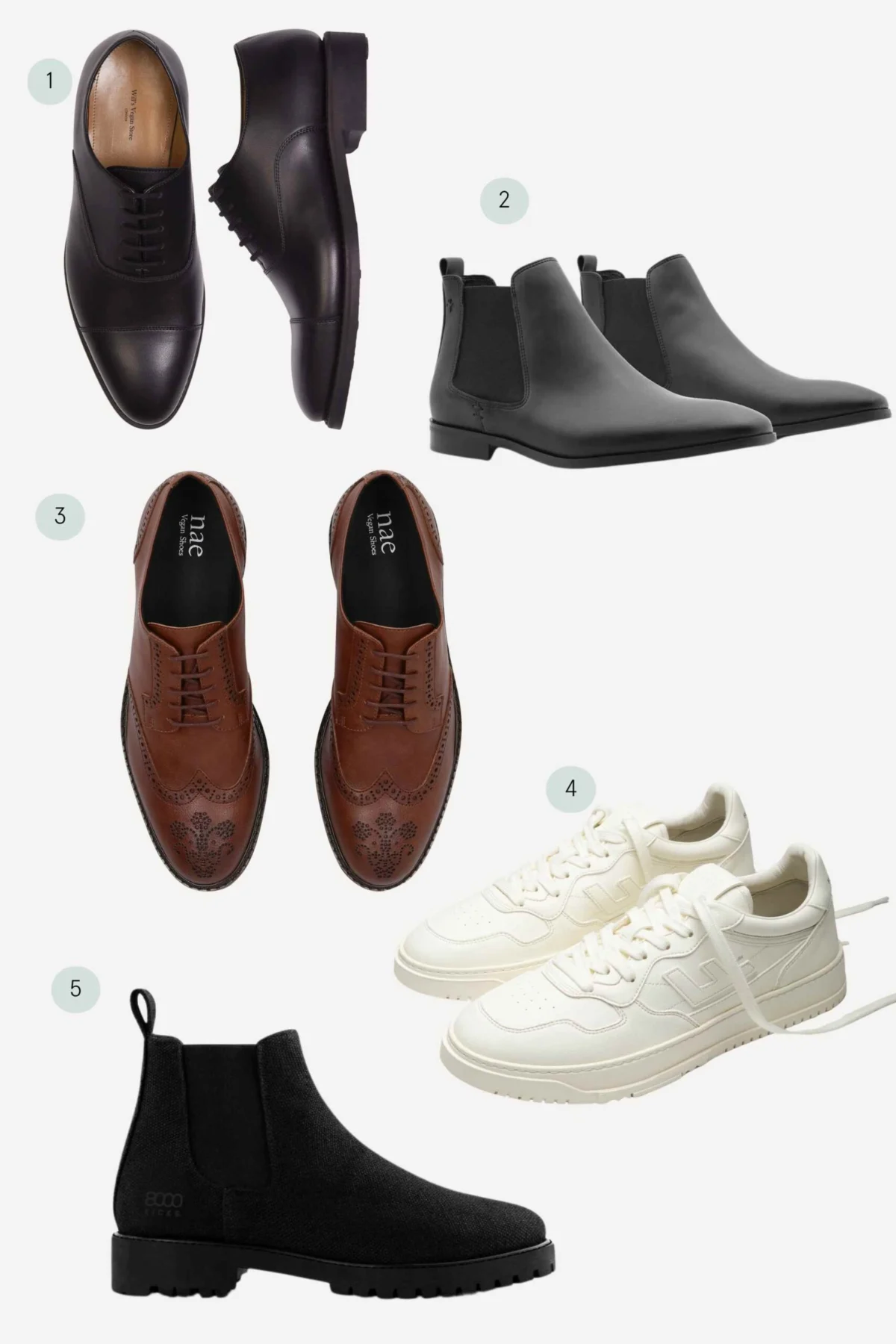
- Will’s Vegan Store Goodyear Welted Vegan Oxford Shoes: Will’s Vegan Store is a pioneer in high-quality vegan footwear, crafting shoes that are not only animal-free but also durable and stylish. Their Goodyear Welted Vegan Oxford Shoes are a testament to this, utilizing innovative vegan leather alternatives that mimic the look and feel of traditional leather without the associated environmental and ethical costs. The Goodyear welting construction ensures superior longevity and reparability, aligning with the brand’s commitment to reducing waste and promoting responsible consumption.
- COG Vegan Chelsea Boots: COG Vegan offers a sophisticated range of vegan footwear, with their Chelsea Boots being a prime example of ethical elegance. The brand focuses on using plant-based and recycled materials, ensuring a minimal environmental footprint. Their dedication to ethical production is reflected in transparent supply chains and fair labor practices, making them a commendable choice for conscious consumers seeking both style and substance.
- NAE Gael Vegan Brogues: NAE (No Animal Exploitation) is a Portuguese brand renowned for its innovative use of sustainable and recycled materials, including cork, Piñatex, and recycled plastic bottles. Their Gael Vegan Brogues showcase their ability to create classic styles with a contemporary ethical twist. NAE’s commitment extends to ensuring fair working conditions and wages, reinforcing their position as a leader in responsible footwear manufacturing.
- Flamingos’ Life Ventura Vegan Sneakers: For those seeking a smarter, casual option, Flamingos’ Life offers stylish vegan sneakers crafted from recycled and plant-based materials. The Ventura Clean White model, for instance, often features corn-based vegan leather and recycled rubber soles. The brand is transparent about its production processes and committed to ethical manufacturing in Europe, blending contemporary design with a strong ecological ethos.
- 8000Kicks The Crossover Hemp Chelsea Boot: 8000Kicks stands out for its innovative use of hemp, one of the most sustainable fibers on the planet. Their Crossover Hemp Chelsea Boot for men utilizes this durable, water-efficient, and fast-growing material, coupled with natural rubber soles. The brand emphasizes sustainability at every step, from eco-friendly materials to carbon-neutral shipping, offering a rugged yet refined option for the environmentally conscious consumer.
These brands represent a growing segment of the footwear industry that is proving that ethical and sustainable practices can deliver high-quality, fashionable products. By choosing from such a curated selection, consumers are not just buying shoes; they are investing in a better future for people and the planet.
For those seeking an even broader array of choices, Good On You’s comprehensive directory and detailed edits on sustainable men’s shoes offer further guidance, ensuring that every step taken can be a step towards a more responsible world. The journey towards truly sustainable fashion is ongoing, but with informed choices and innovative brands, the path forward is becoming clearer and more accessible than ever before.