





April once again marks the arrival of Fashion Revolution Week, an annual global campaign orchestrated by Fashion Revolution, the world’s largest fashion activism movement. Running from April 22nd to 28th, 2026, this six-day initiative mobilizes millions worldwide, urging greater transparency, accountability, and ethical practices within the vast and often opaque global fashion supply chain. As the movement enters its second decade, it continues to champion the fundamental principle that true sustainability cannot exist without fair pay, safe working conditions, and respect for both people and the planet.
The Genesis of a Movement: Remembering Rana Plaza
Fashion Revolution Week emerged from the ashes of one of the worst industrial disasters in modern history: the collapse of the Rana Plaza garment factory in Dhaka, Bangladesh, on April 24, 2013. This catastrophic event claimed the lives of 1,138 people and injured over 2,500, predominantly young women working in hazardous conditions to produce clothing for major international brands. The tragedy laid bare the brutal realities of the fast fashion industry, exposing systemic exploitation, disregard for worker safety, and the immense pressure placed on suppliers to meet impossible deadlines and low costs.
The global shockwave triggered by Rana Plaza ignited widespread outrage and a collective demand for change. In response, Fashion Revolution was founded by Carry Somers and Orsola de Castro, transforming public grief into a powerful, unified call for a fashion industry that values human life and environmental health over unbridled profit and growth. The iconic question, "#WhoMadeMyClothes?", became a rallying cry, pushing consumers to engage directly with brands and demand transparency about their supply chains. In the decade since, Fashion Revolution has grown from a grassroots initiative into a formidable global force, with a presence in over 90 countries, continually challenging the status quo and advocating for a radical overhaul of the industry’s practices. Interviews with former policy and research managers, such as Liv Simpliciano, have provided valuable insights into the significant strides the organization has made in driving awareness and policy discussions over the past ten years.
The Unseen Costs: A Deep Dive into the Fashion Industry’s Impact
The modern fashion industry operates on a model that disproportionately concentrates wealth and power in the hands of a few, while externalizing its true social and environmental costs onto vulnerable communities and ecosystems. This relentless pursuit of profit drives brands into a frantic cycle of overproduction, demanding ever-faster turnaround times and pushing consumers towards increased consumption.
Labor Exploitation: At the heart of this system lies the exploitation of labor. An estimated 60-75 million people are employed in the global garment industry, with women making up approximately 80% of the workforce. Many garment workers, particularly in South and Southeast Asia, Eastern Europe, and Latin America, continue to earn wages far below a living wage, struggling to meet basic needs for food, housing, healthcare, and education. Factory conditions can remain precarious, characterized by long hours, forced overtime, lack of union representation, and exposure to hazardous chemicals and unsafe machinery. Reports of child labor, forced labor, and modern slavery persist within complex supply chains, underscoring the severe human rights abuses embedded within the industry. The initial premise of "sustainability" often overlooks these fundamental human elements; there can be no genuinely sustainable fashion without fair compensation and secure working environments.
Environmental Degradation: Beyond human costs, the fashion industry is a major environmental polluter. It is estimated to be responsible for 2% to 8% of global carbon emissions, a figure projected to rise significantly if current production and consumption patterns continue. The cultivation of conventional cotton is notoriously water-intensive and reliant on pesticides. Dyeing and finishing processes discharge vast quantities of toxic wastewater into rivers, contaminating ecosystems and impacting local communities. The proliferation of synthetic fibers, particularly polyester, contributes to microplastic pollution, shedding tiny plastic particles into waterways with every wash cycle. Furthermore, the sheer volume of clothing produced annually – over 100 billion garments – results in enormous waste, with a significant portion ending up in landfills or incinerated, often after minimal use. The linear "take-make-dispose" model is environmentally unsustainable, pushing the planet’s resources to their breaking point.
Navigating a Shifting Landscape: Fashion Revolution’s Strategic Pivot
Fashion Revolution Week 2026 takes place against a backdrop of increasing global instability. Geopolitical crises, supply chain disruptions, and inflationary pressures are driving up costs, particularly impacting smaller brands and, most severely, garment workers who are often the first to bear the brunt of economic downturns through job losses or reduced wages. Concurrently, funding and corporate support for sustainability initiatives have become increasingly challenging to secure, as businesses grapple with economic uncertainties.
In a strategic adaptation to these evolving realities, Fashion Revolution recently announced the closure of its UK headquarters. This move signifies a pivot towards a "more federated, globally coordinated, and locally led next phase of the work." While acknowledging funding challenges as a contributing factor, this strategic realignment is presented as an evolution designed to empower local movements, strengthen regional networks, and foster greater agility in addressing diverse challenges across different geographies. This shift reflects a commitment to deepening grassroots engagement and ensuring the movement’s resilience and global reach, even as its operational structure evolves.
Despite these organizational changes, the core mission of Fashion Revolution and the dedication of its global community of campaigners remain unwavering. Facing persistent exploitation of people, the planet, and animals, this year’s campaign reiterates its foundational message: focusing on collective achievement. As the organization states, "As a movement we’re going back to our roots, and we’re asking fashion revolutionaries to do the same. Seek connection, ask questions, and take to the streets – for both a better fashion industry and for future generations that follow in our footsteps." This emphasis on collective action, community engagement, and direct advocacy underscores the movement’s enduring belief in the power of individuals united for systemic change.
Empowering Action: How Individuals Can Drive Change During Fashion Revolution Week 2026
Fashion Revolution Week provides a structured opportunity for individuals worldwide to actively participate in building a more ethical and sustainable fashion industry. The movement encourages a variety of actions, both online and offline, designed to raise awareness, demand transparency, and foster connection.
Attend Fashion Revolution Week Events and Workshops: Across the globe, numerous digital and physical events are scheduled. These include insightful conferences, thought-provoking exhibitions, practical workshops on mending and upcycling, and even online public demonstrations. These events serve as crucial platforms for education, dialogue, and networking, disseminating knowledge about sustainable practices, highlighting industry challenges, and inspiring collective action. For those unable to find local events, online participation offers a flexible alternative, and the movement actively encourages individuals to organize their own gatherings with friends, family, or community groups, amplifying the message at a local level.
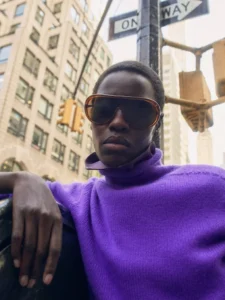
Demand Transparency: #WhoMadeMyClothes? and #WhatsInMyClothes?: This remains one of the most iconic and accessible ways to engage. Participants are encouraged to post a selfie on their favorite social media platforms, tagging the brand they are wearing and asking the pivotal questions: "#WhoMadeMyClothes?" and "#WhatsInMyClothes?". This direct engagement creates a public record, pressuring brands to disclose information about their supply chains, labor practices, and material sourcing. The power of this campaign lies in its collective nature; if brands receive thousands of such inquiries, they are compelled to respond. Participants are also encouraged to tag @fash_rev to ensure the movement can track brand responses and overall engagement. The continued focus on these questions underscores the ongoing need for greater transparency across the industry.
Amplify the Message: Spreading Awareness: Fashion Revolution provides a wealth of promotional assets, including social media templates, printable posters, and official campaign branding packs. Downloading and sharing these resources is a simple yet effective way to amplify the movement’s message, encouraging wider participation and sparking conversations within personal networks. The visual impact of these assets helps to disseminate key information and calls to action across various digital and physical spaces.
Engage in Dialogue: "Talk Climate Change" Initiative: Recognizing the profound impact of personal conversations, Fashion Revolution encourages individuals to discuss the global implications of their clothing choices with family and friends. Through its dedicated "Talk Climate Change" site, participants can map their conversations, drawing inspiration from Fashion Revolution’s manifesto, and explore the discussions initiated by other "Fashion Revolutionaries" worldwide. This initiative highlights the power of interpersonal communication in shifting mindsets and fostering a collective understanding of the issues at hand.
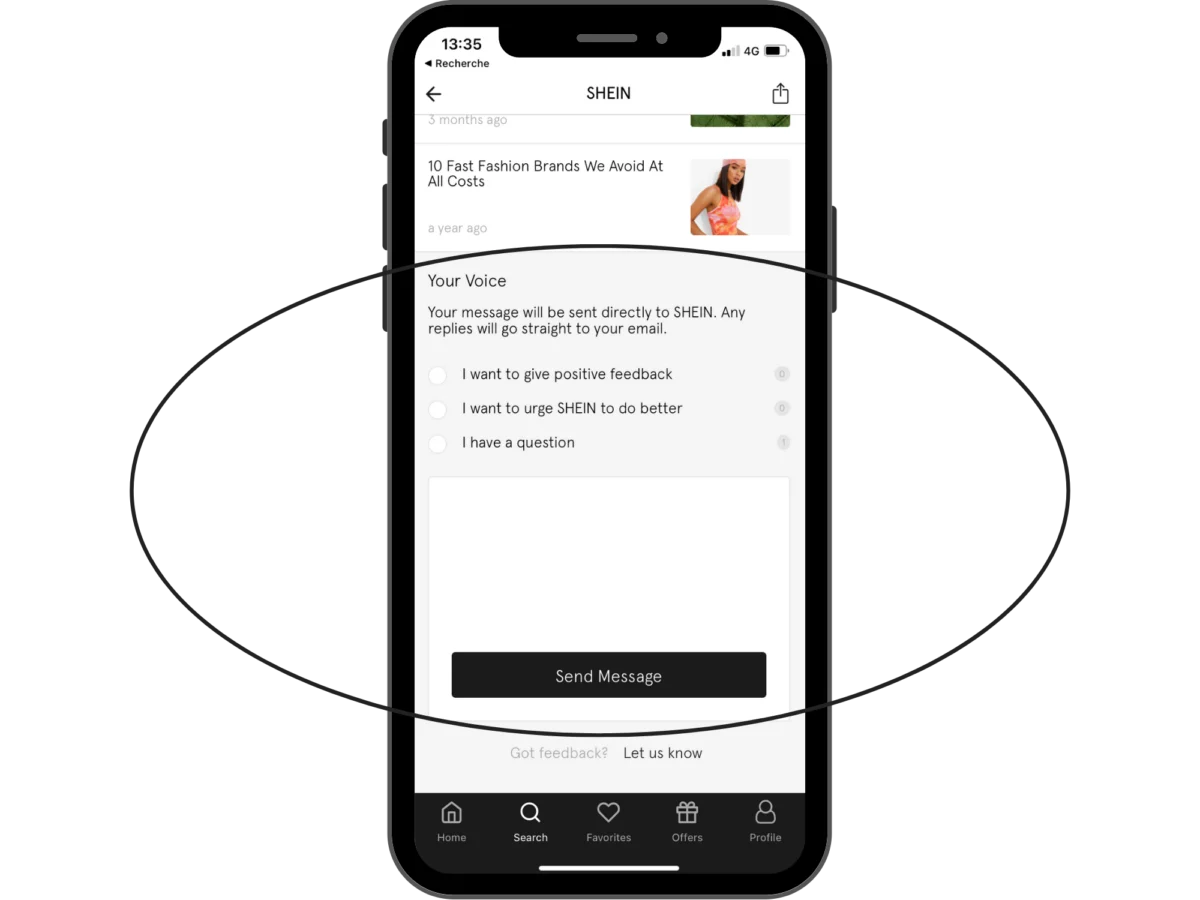
Direct Communication with Brands: Beyond social media, direct communication with brands can be highly effective. Fashion Revolution facilitates this by providing a downloadable PDF template for writing letters to favorite brands, directly asking about their supply chain practices. Additionally, platforms like the Good On You app offer a convenient way to send messages directly to brands, whether to commend positive practices or to urge improvements. The "Your Voice" section within each brand’s listing on the app empowers consumers to actively participate in brand accountability.
Beyond the Week: Sustaining the Momentum for a Just and Sustainable Fashion Future
While Fashion Revolution Week serves as an annual focal point, the movement’s long-term vision extends far beyond these six days. It aims for systemic change that permeates every facet of the fashion industry, ensuring that ethical and sustainable practices become the norm, not the exception. This requires a sustained effort from all stakeholders: policymakers enacting stronger regulations, industry leaders committing to transparent and responsible business models, and consumers making informed choices year-round.
Emerging trends such as the circular economy, which advocates for designing out waste and pollution, keeping products and materials in use, and regenerating natural systems, represent promising pathways. Innovations in sustainable materials, advancements in fair trade certifications, and increased investment in worker empowerment programs are also critical components of this evolving landscape. The continuous need for vigilance, advocacy, and education remains paramount. Fashion Revolution Week serves as a powerful reminder that collective action, driven by informed consumer choices and sustained pressure, holds the key to transforming the fashion industry into a force for good, ensuring a future where fashion truly respects people and the planet.