








As Sainsbury’s Tu embarks on its ambitious elevation strategy, product director Melinda Harris has articulated a clear vision to Drapers: fundamentally alter the public’s preconceived notions of supermarket fashion. In an exclusive interview published on June 1, 2026, Harris outlined the multifaceted approach Tu is employing to transcend its traditional positioning and firmly establish itself as a credible, stylish, and sustainable player in the competitive UK apparel market. This strategic shift represents a significant evolution for Sainsbury’s, leveraging its extensive retail footprint and customer base to carve out a distinctive identity within the broader fashion landscape.
The Evolution of Supermarket Apparel: A Historical Context
The concept of supermarket fashion in the UK originated primarily as a convenience offering. Brands like Tu, Tesco’s F&F, and Asda’s George emerged in the late 20th century, providing accessible and affordable clothing alongside grocery shopping. Initially, the focus was on basic essentials, children’s wear, and casual everyday items, often prioritising price point and utility over design sophistication or high-quality materials. For decades, these lines served a crucial purpose, democratising fashion and making it readily available to millions. However, this convenience also inadvertently fostered a perception of ‘supermarket fashion’ as inherently secondary to high-street or specialist retailers – often viewed as a stopgap rather than a destination for considered style.
Over the past decade, this landscape has begun to shift. Increasing competition from online fast-fashion retailers, coupled with growing consumer demand for better quality, design, and ethical sourcing, has compelled supermarket brands to re-evaluate their strategies. Marks & Spencer, a long-standing hybrid of food and fashion retail, has continually adapted its clothing offer, but the challenge for pure grocery-led brands like Sainsbury’s has been to bridge the credibility gap without alienating their core value-conscious customer base. Tu, launched in 2004, has been at the forefront of this transformation, gradually introducing more trend-led collections, improving fabric quality, and investing in design talent. Melinda Harris’s appointment and the subsequent articulation of the "elevation strategy" mark a pivotal moment in this ongoing evolution, signaling a more aggressive and targeted push towards premiumisation and brand perception overhaul.
Melinda Harris’s Vision and Strategic Imperatives
Melinda Harris, a seasoned veteran in the fashion retail sector with a distinguished background in product development and brand repositioning, joined Tu with a clear mandate to accelerate its transformation. Her strategy is built upon several key pillars designed to "challenge perceptions" from multiple angles. At its core, the initiative seeks to prove that convenience and affordability need not compromise style, quality, or responsible production.
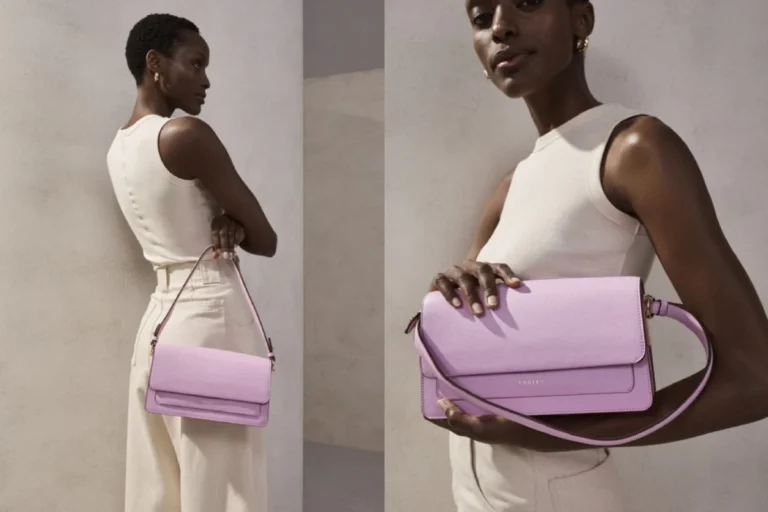
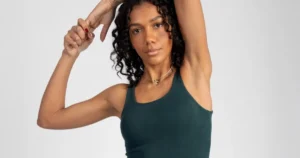
Firstly, design innovation and quality enhancement are paramount. Harris has overseen a significant investment in Tu’s design studio, bringing in talent with experience from more established fashion houses. This has translated into collections that are more trend-aware, featuring refined silhouettes, contemporary colour palettes, and improved fabrications. The emphasis is on creating pieces that possess longevity and versatility, moving away from disposable fashion towards a more curated wardrobe approach. For instance, recent collections have highlighted premium denim, responsibly sourced cotton blends, and sophisticated knitwear, all presented with a distinct fashion editorial flair in marketing campaigns.
Secondly, sustainability and ethical sourcing have become central to Tu’s narrative. Consumers in 2026 are increasingly discerning about the environmental and social impact of their purchases. Under Harris’s direction, Tu has expanded its use of recycled materials, organic cotton, and certified sustainable fibres. The brand has also intensified efforts to improve transparency within its supply chain, working closely with suppliers to ensure fair labour practices and reduced environmental footprint. This commitment is not merely a compliance exercise but a genuine attempt to align Tu with the values of modern consumers, differentiating it from competitors who may lag in this critical area. Sainsbury’s overarching corporate responsibility goals are closely intertwined with Tu’s sustainable fashion agenda, presenting a cohesive brand message.
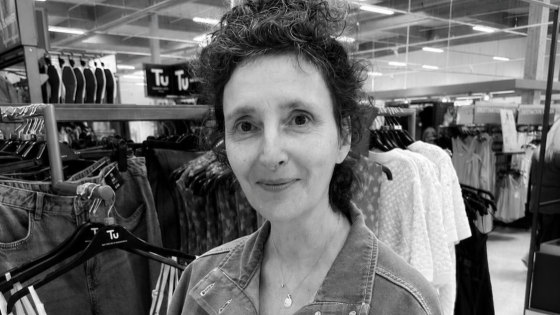
Thirdly, in-store experience and visual merchandising are being reimagined. Historically, Tu clothing sections within Sainsbury’s supermarkets were often integrated into the wider store layout, lacking distinct identity. The elevation strategy includes dedicated Tu boutiques within larger Sainsbury’s superstores, featuring enhanced lighting, more sophisticated display fixtures, and trained staff to offer styling advice. This creates a more inviting and aspirational shopping environment, mirroring the experience found in traditional high-street fashion stores and encouraging customers to perceive Tu as a standalone fashion destination rather than just an add-on to their grocery shop. Digital integration, such as interactive displays and QR codes linking to online lookbooks, further enhances this experience.
Finally, strategic marketing and brand storytelling are crucial for reshaping public perception. Tu’s marketing campaigns have evolved from functional product showcases to aspirational narratives, featuring diverse models, relatable lifestyle scenarios, and collaborations with influencers and stylists who can vouch for the brand’s improved credentials. The aim is to demonstrate that Tu fashion is not just for grocery shoppers but for anyone seeking stylish, well-made, and affordable clothing. This targeted communication strategy seeks to challenge the inherent bias against supermarket fashion by showcasing its quality and design prowess on par with mainstream brands.
Tu’s Journey: A Timeline of Growth and Refinement
Tu’s journey from its inception to its current elevated strategy is marked by several key milestones:
- 2004: Sainsbury’s launches Tu, aiming to capture a share of the burgeoning supermarket clothing market. Initial focus is on basic, affordable family wear.
- Late 2000s: Tu begins to expand its product range, introducing more seasonal collections and venturing into accessories.
- Early 2010s: Increased investment in design, with a gradual shift towards more fashion-forward pieces. Collaborations with external designers or celebrities are explored to generate buzz.
- Mid-2010s: The brand starts actively addressing quality perceptions, improving fabric choices and garment construction. Early sustainability initiatives are introduced.
- 2020-2022: The COVID-19 pandemic accelerates consumer shifts towards comfort wear and online shopping. Tu adapts by bolstering its digital presence and focusing on versatile loungewear. Sainsbury’s begins to formulate a more aggressive "elevation strategy" in response to market changes.
- 2024: Melinda Harris is appointed Product Director, bringing fresh leadership and a clear mandate to execute the new strategy. She initiates a comprehensive review of design, sourcing, and marketing.
- 2025: Significant overhaul of Tu’s seasonal collections, introducing higher-quality materials and more sophisticated designs. Dedicated in-store zones and enhanced visual merchandising rolled out in key superstores. Increased focus on sustainable lines.
- June 1, 2026: Harris’s interview with Drapers, detailing the ongoing success and future ambitions of the "challenging perceptions" strategy.
Under Harris’s tenure, the pace of change has visibly accelerated. Her background in high-street fashion has brought a new rigour to product development cycles and a keen eye for market trends, allowing Tu to react more dynamically to consumer demand. The emphasis has shifted from simply selling clothes to curating collections that resonate with contemporary fashion sensibilities.
Market Performance and Competitive Landscape
Tu’s "elevation strategy" is underpinned by robust market performance and a strategic positioning within a highly competitive sector. As of early 2026, Tu holds an estimated 3.5% share of the fragmented UK apparel market, making it one of the top five non-specialist clothing retailers by volume. Sainsbury’s financial reports indicate that Tu has consistently outperformed the wider clothing market in terms of year-on-year growth, with sales figures showing an average increase of 6-8% annually over the past two years, significantly contributing to Sainsbury’s overall non-food revenue. This growth is particularly notable given the challenging economic climate and intense competition.
The UK apparel market is a battleground, with established high-street brands like Next and M&S, fast-fashion giants such as Primark, Zara, and H&M, and a burgeoning array of online-only retailers like ASOS and Boohoo all vying for consumer spend. Supermarket rivals, notably Tesco’s F&F and Asda’s George, also remain significant players, with each pursuing their own strategies to retain and attract customers. F&F has focused on expanding its international presence and leveraging celebrity endorsements, while George has continued to champion its value-for-money proposition with targeted collaborations.
Tu’s differentiation lies in its unique blend of supermarket accessibility with an increasingly sophisticated fashion offering. While it may not compete directly with luxury brands, its elevation strategy positions it as a credible alternative to mid-market high-street retailers, often at a more attractive price point. Analysts suggest that Tu’s strength also comes from its ability to tap into the ‘top-up’ shopping behaviour, where consumers might pick up a stylish garment while doing their weekly shop, but increasingly, the aim is to make Tu a primary destination for fashion purchases. The brand’s strong performance in categories like denim, knitwear, and occasionwear indicates a successful penetration into segments traditionally dominated by specialist fashion retailers.
Industry Reactions and Expert Analysis
The industry has largely welcomed Tu’s strategic direction, viewing it as a necessary evolution for supermarket fashion. Retail analysts have lauded Melinda Harris’s pragmatic yet ambitious approach. "Melinda Harris’s strategy at Tu is a blueprint for how supermarket fashion can evolve," states Sarah Jenkins, a senior retail analyst at Paragon Consulting. "It’s not just about adding a few trendy pieces; it’s a systemic overhaul of product development, supply chain, and brand perception. For Tu to truly challenge perceptions, it needs to consistently deliver on quality and design, and early indicators suggest they are doing just that."
Another point of analysis focuses on the broader economic implications. In an era where consumers are tightening their belts, the demand for ‘affordable luxury’ or ‘elevated basics’ is surging. Tu is strategically positioned to capture this market segment, offering fashion-forward items that don’t come with a premium price tag. "Sainsbury’s is smartly leveraging its existing customer trust and loyalty," comments Dr. Alistair Finch, a professor of retail economics at the London School of Business. "By offering increasingly desirable clothing, they are not only driving additional revenue but also enhancing the overall brand perception of Sainsbury’s as a diverse lifestyle retailer, not just a grocery provider. This cross-pollination of appeal is invaluable."
However, challenges remain. Maintaining consistency in quality and design across vast collections, managing complex global supply chains with enhanced sustainability standards, and effectively communicating the brand’s transformation to a diverse customer base are ongoing hurdles. Some industry observers note that while the in-store experience is improving, the online shopping journey still needs further refinement to truly compete with digital-first fashion retailers.
The Broader Implications for Retail and Consumers
The successful execution of Tu’s elevation strategy holds significant implications for both the wider retail sector and consumer behaviour. For Sainsbury’s, it solidifies its position as a multi-category retailer, reducing its reliance on grocery sales and providing a crucial competitive edge against pure-play supermarkets. A stronger Tu brand also enhances customer loyalty, encouraging shoppers to spend more time and money within Sainsbury’s ecosystem, both in-store and online. This diversification is critical for long-term growth and resilience in a volatile retail landscape.
For the broader fashion industry, Tu’s success could further blur the lines between traditional retail segments. If a supermarket brand can consistently deliver high-quality, stylish, and sustainable fashion, it challenges established notions of where and how consumers should shop for clothing. This could push high-street brands to innovate further, focus more on niche offerings, or enhance their own value propositions to compete. It also legitimises the concept of ‘convenience fashion’ as a credible source of style, rather than merely a last resort.
For consumers, the implications are largely positive. The rise of an ‘elevated’ Tu means greater access to affordable yet stylish and increasingly sustainable fashion options. It empowers shoppers to make more conscious purchasing decisions without necessarily incurring a significant price premium. As perceptions shift, consumers may become more open to exploring fashion offerings from unexpected sources, fostering a more dynamic and democratic fashion environment. This also contributes to a wider understanding of sustainability in fashion, as mainstream brands like Tu educate millions of shoppers about ethical sourcing and eco-friendly materials through their product lines and marketing.
The Future Outlook
Looking ahead, the sustainability of Tu’s elevation strategy hinges on continuous innovation and an unwavering commitment to its core principles. Melinda Harris and her team are tasked with not only maintaining but accelerating the momentum gained. Future plans likely include further expansion of sustainable lines, potential collaborations with emerging designers to bring fresh perspectives, and continued investment in digital capabilities to enhance the online shopping experience. The integration of AI-driven personalisation and virtual try-on technologies could further distinguish Tu in the digital space.
The ultimate goal, as articulated by Harris, is for Tu to be recognised not just as ‘good for a supermarket brand’ but as a genuinely good fashion brand, full stop. The journey to challenge decades of perception is arduous, but with strategic clarity, consistent execution, and a deep understanding of evolving consumer demands, Sainsbury’s Tu is well-positioned to redefine its place in the fashion world, proving that style, quality, and values can indeed be found in the most accessible of retail environments. The Drapers interview serves as a timely reminder that the evolution of retail is a continuous process, and Tu is clearly at the forefront of shaping its next chapter.