











Retail sales volumes in the United Kingdom experienced a notable resurgence in June 2026, rising by 1.0% following a 1.2% increase in May, according to the latest comprehensive data released by the Office for National Statistics (ONS). This sustained growth trajectory, marking two consecutive months of positive momentum, has been predominantly attributed to a potent combination of widespread summer discounting initiatives by retailers and a significant boost in consumer spending driven by an unseasonal heatwave gripping much of the nation. The surge in purchasing was particularly concentrated on items related to sports, outdoor activities, and products designed to combat the high temperatures, alongside traditional summer sales promotions.
Contextualising the Retail Rebound
The retail sector’s performance in the first half of 2026 had been characterised by a delicate balance of consumer caution and intermittent spending spikes. Following a challenging period marked by persistent inflationary pressures, elevated interest rates, and a fluctuating consumer confidence index, the 1.2% rise in May had offered the first significant indication of a potential recovery. Analysts had largely interpreted May’s figures as a tentative sign that consumers were beginning to loosen their purse strings, albeit with a continued focus on value and necessity. The June figures, therefore, represent a reinforcement of this trend, suggesting a more robust, albeit potentially temporary, uplift in consumer discretionary spending.
The broader economic backdrop leading into June 2026 saw the Bank of England maintaining a cautious stance on interest rates, with inflation showing signs of moderating but remaining above the target. Wage growth, while positive, had struggled to consistently outpace the cost of living for many households. Consequently, retailers had been under immense pressure to innovate pricing strategies and enhance value propositions to attract footfall and online traffic. The confluence of these factors created a fertile ground for promotional activities, making the timing of the summer sales particularly impactful.
The Heatwave’s Powerful Influence on Spending Habits
June 2026 witnessed an exceptionally prolonged and intense heatwave across the UK, with average temperatures consistently exceeding seasonal norms by several degrees. This meteorological event proved to be a significant catalyst for consumer spending, fundamentally altering purchasing patterns. The ONS data specifically highlighted an uptick in categories directly linked to warm weather.
- Clothing and Footwear: Sales of summer apparel, including lightweight fabrics, swimwear, and sandals, saw a substantial increase. Many consumers, caught unprepared by the sudden onset of extreme heat, rushed to update their wardrobes. Department stores and fast-fashion retailers reported strong demand for breathable materials and holiday-wear items.
- Household Goods and Outdoor Living: The heatwave spurred a surge in demand for items that enhance comfort at home and facilitate outdoor living. Sales of fans, portable air conditioning units, and garden furniture experienced double-digit growth in some sub-categories. Barbecue equipment, picnic supplies, and outdoor games also contributed significantly to the uplift in general merchandise sales.
- Food and Drink: Supermarkets reported a distinct shift in purchasing towards hydration and lighter meal options. Sales of bottled water, soft drinks, ice cream, and fresh produce, particularly salad ingredients and fruits, soared. Conversely, demand for heavier comfort foods and hot beverages saw a temporary dip.
- Sports and Leisure Equipment: With clearer skies and warmer evenings, participation in outdoor sports and leisure activities naturally increased. This translated into higher sales of sporting goods, including running shoes, cycling gear, and water sports equipment. Retailers specialising in activewear and outdoor pursuits benefited considerably.
This heatwave-induced spending demonstrates the powerful, albeit often unpredictable, influence of weather patterns on consumer behaviour and retail performance. Businesses that were agile enough to adjust their stock and marketing strategies quickly reaped the rewards.
Strategic Discounting and the Summer Sales Phenomenon
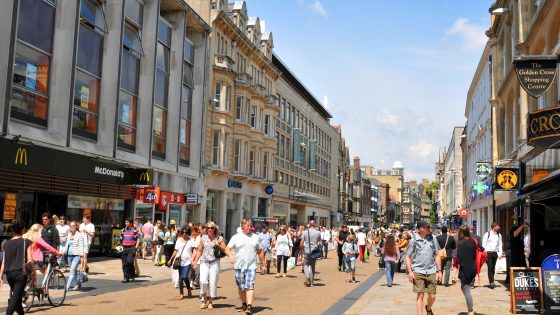
Beyond the environmental factor, retailers’ proactive implementation of discounting strategies played a pivotal role in driving the June sales volumes. The traditional "summer sales" period commenced earlier and was notably more aggressive in 2026, as retailers sought to clear existing inventory, stimulate demand in a competitive market, and capitalise on the positive sentiment generated by the warm weather.
- Inventory Management: Many retailers had accumulated excess stock during the preceding months of cautious consumer spending. Deep discounts provided an effective mechanism to reduce inventory levels, freeing up capital and warehouse space for upcoming autumn/winter collections.
- Value Proposition: In an environment where cost-of-living concerns remain pertinent, discounts offer a compelling value proposition to consumers. The allure of a bargain often motivates purchases that might otherwise be deferred, particularly for non-essential items.
- Omnichannel Approach: Discounting was not confined to physical stores; online retailers actively participated, often launching flash sales and exclusive web-only deals. This omnichannel approach ensured that consumers could access promotions through their preferred shopping channels, further broadening the reach of the sales events.
- Psychological Impact: The perceived urgency of limited-time offers and significant price reductions often triggers impulse purchases and encourages consumers to spend more than initially planned. This psychological effect is a cornerstone of successful sales campaigns.
While discounting undoubtedly boosted sales volumes, industry analysts will be keen to scrutinise the impact on profit margins in subsequent financial reports. Aggressive price reductions, while effective for driving volume, can erode profitability if not managed carefully.
Sectoral Performance: A Detailed Breakdown
The ONS data revealed a varied performance across different retail sectors in June:
- Non-food Stores: This category saw the strongest growth, driven primarily by clothing and footwear (up 8.3%), and household goods stores (up 6.5%). The heatwave was a clear factor here, alongside significant promotional activity.
- Food Stores: Experienced a more modest but consistent increase of 0.7%. While not as dramatic as non-food, this rise was significant given the essential nature of the category, reflecting increased purchases of summer-specific items like drinks and barbecue supplies.
- Non-store Retailing (Online): Continued its upward trend, with sales volumes rising by 2.1%. E-commerce platforms were highly effective in capitalising on both the heatwave (delivering cooling products and summer attire directly to homes) and the widespread discounting, offering convenience and often exclusive online deals.
- Automotive Fuel: Sales volumes remained relatively flat, indicating that while discretionary spending increased, commuting and travel patterns had not dramatically shifted.
Overall, the data suggests a broad-based recovery in consumer spending, but with clear leaders in sectors directly benefiting from the unique market conditions of June 2026.
Chronology of Retail Performance in 2026
- January-February 2026: Retail sales largely flat, reflecting post-holiday lull and ongoing cost-of-living pressures. Consumer confidence remained subdued.
- March 2026: A slight dip in sales volumes (-0.2%), attributed to persistent economic uncertainty and cautious spending ahead of spring budget announcements.
- April 2026: Marginal growth (+0.1%), showing early signs of stabilisation but lacking significant momentum. Retailers began planning aggressive summer promotions.
- May 2026: A notable rebound with sales volumes increasing by 1.2%. This was the first strong indicator of improving consumer sentiment and the initial impact of early discounting.
- June 2026: Sustained growth of 1.0%, consolidating May’s gains. The heatwave and intensified summer sales became the primary drivers, leading to significant boosts in specific categories.
- Early July 2026 (Preliminary Indications): Initial reports from industry bodies suggest that some of the positive momentum may have carried into early July, particularly as the heatwave persisted in some regions and retailers continued to clear summer stock. However, a deceleration is anticipated as sales events conclude.
Official Responses and Industry Commentary
An ONS spokesperson commented on the latest figures: "June’s retail sales data paints a picture of resilient consumer activity, significantly bolstered by specific external factors. The combination of sustained warm weather prompting purchases of summer-related goods and widespread promotional campaigns by retailers has clearly driven this month’s growth. We’ve observed a particular uplift in non-food categories, reflecting a willingness by consumers to spend on discretionary items when presented with both need and value."
Helen Dickinson, Chief Executive of the British Retail Consortium (BRC), offered an industry perspective: "Retailers have demonstrated remarkable adaptability in navigating a challenging economic landscape. The proactive approach to summer sales, coupled with an unexpected boost from the heatwave, has generated much-needed positive sales volumes. While this is encouraging, it’s crucial to remember that the underlying economic pressures, such as energy costs and supply chain complexities, persist. Retailers will be keenly watching consumer confidence and disposable income trends in the latter half of the year."
Dr. Anya Sharma, a lead economist at Global Insights Consultancy, provided an analytical viewpoint: "The June retail sales figures are a welcome respite, indicating that consumers are responsive to both seasonal triggers and attractive pricing. This growth will undoubtedly contribute positively to Q2 GDP estimates. However, the reliance on discounting raises questions about long-term profitability and whether this growth is sustainable without such heavy promotions. The true test will be if consumer demand can hold steady as these temporary boosts subside and the broader economic environment evolves."
Broader Impact and Future Implications
The June retail sales data carries several significant implications for the UK economy and the retail sector moving forward:
- Economic Optimism: The sustained growth provides a degree of optimism regarding the overall economic health, suggesting a potential bottoming out of consumer spending contraction. This could positively influence investor sentiment and business confidence.
- Retailer Strategies: The success of targeted discounting and responsiveness to weather patterns will likely influence future retail strategies. Expect more dynamic pricing models and agile inventory management systems designed to react swiftly to external factors. The focus on omnichannel sales will also intensify.
- Consumer Behaviour Evolution: While the heatwave was a specific event, it underscores consumers’ willingness to spend on items that enhance their immediate comfort and lifestyle, particularly when perceived value is high. This suggests a continued trend towards ‘experiential’ or ‘comfort-driven’ purchasing.
- Inflationary Concerns: Increased consumer demand, if sustained, could put upward pressure on prices in some categories. However, the prevalence of discounting in June might have partially offset this, indicating a complex interplay between demand, supply, and pricing strategies.
- Sustainability and Resilience: The figures highlight the retail sector’s resilience but also its vulnerability to external shocks, whether economic or environmental. Building sustainable growth strategies that are less reliant on exceptional events will be crucial for long-term stability.
- Q3 Outlook: As the summer sales periods draw to a close and the heatwave conditions potentially normalise, the challenge for retailers will be to maintain this momentum into Q3. Factors such as back-to-school spending, autumn fashion launches, and the festive season preparations will become key indicators. Analysts will be particularly keen to see if the underlying consumer confidence has genuinely improved or if June was primarily a reactive spending spree.
In conclusion, June 2026 proved to be a pivotal month for UK retail, demonstrating a strong rebound in sales volumes driven by a unique confluence of aggressive discounting and a prolonged heatwave. While offering a much-needed boost to the sector and contributing positively to the economic outlook, the sustainability of this growth remains a key question. Retailers and economists alike will be closely monitoring the coming months to ascertain whether this positive trend represents a genuine shift in consumer confidence or a temporary surge influenced by specific, fleeting circumstances.