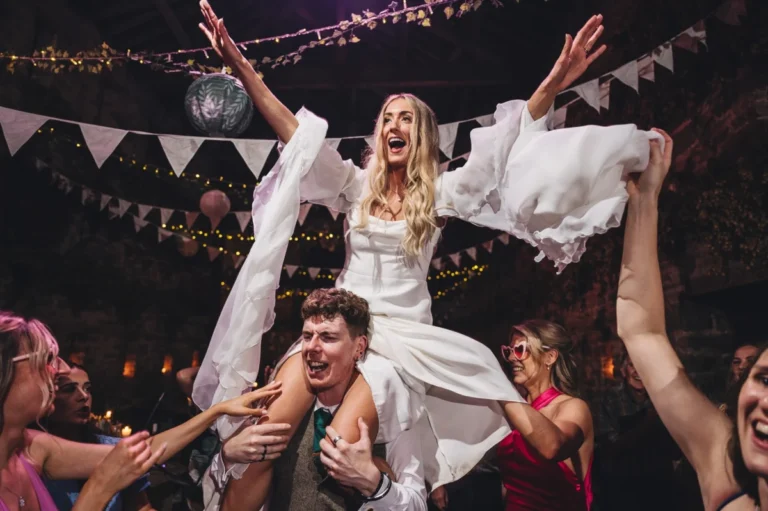








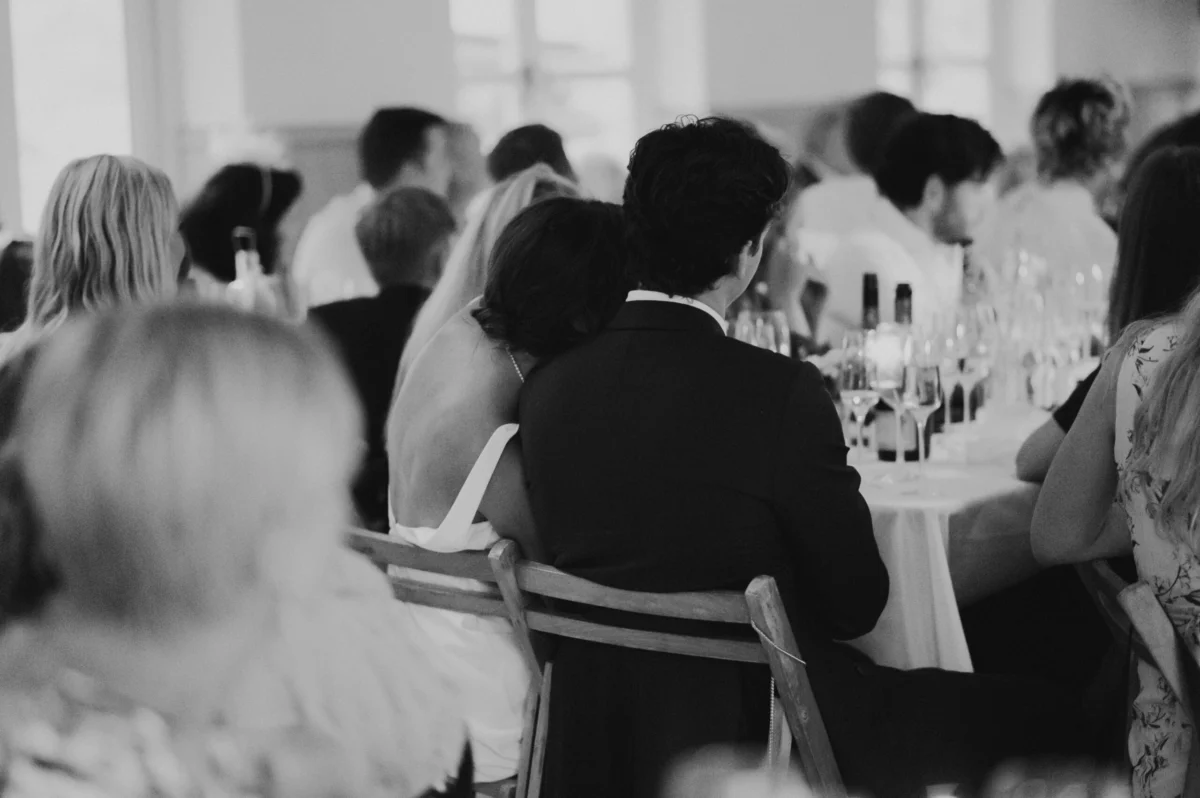
On August 16, the Bentley Estate in Sussex served as the backdrop for the wedding of Mercedes and Edward, an event that seamlessly merged the rustic elegance of the English countryside with the vibrant, communal atmosphere of an Italian-inspired gathering. Originally conceived as a private ceremony within their own home garden, the couple’s plans underwent a significant evolution after an invitation to a family friend, who owns the Bentley Estate, resulted in a generous offer to host the celebration on her grounds. This transition from a residential garden to a sprawling historic estate marked a pivotal moment in the wedding’s development, aligning the logistical needs of the event with a location that held profound personal and agricultural significance for the couple.
A Foundation of Personal History and Agricultural Connection
The selection of Bentley Estate was far from a mere logistical convenience; it was a decision rooted in years of shared history. Long before the wedding was a consideration, Mercedes and Edward had spent significant time on the estate grounds, managing their family sheep. This existing connection to the land provided a sense of continuity and authenticity that a traditional commercial venue might lack. In the context of modern wedding trends, this choice reflects a growing preference among contemporary couples for "legacy venues"—locations that possess a pre-existing narrative within the family’s history.
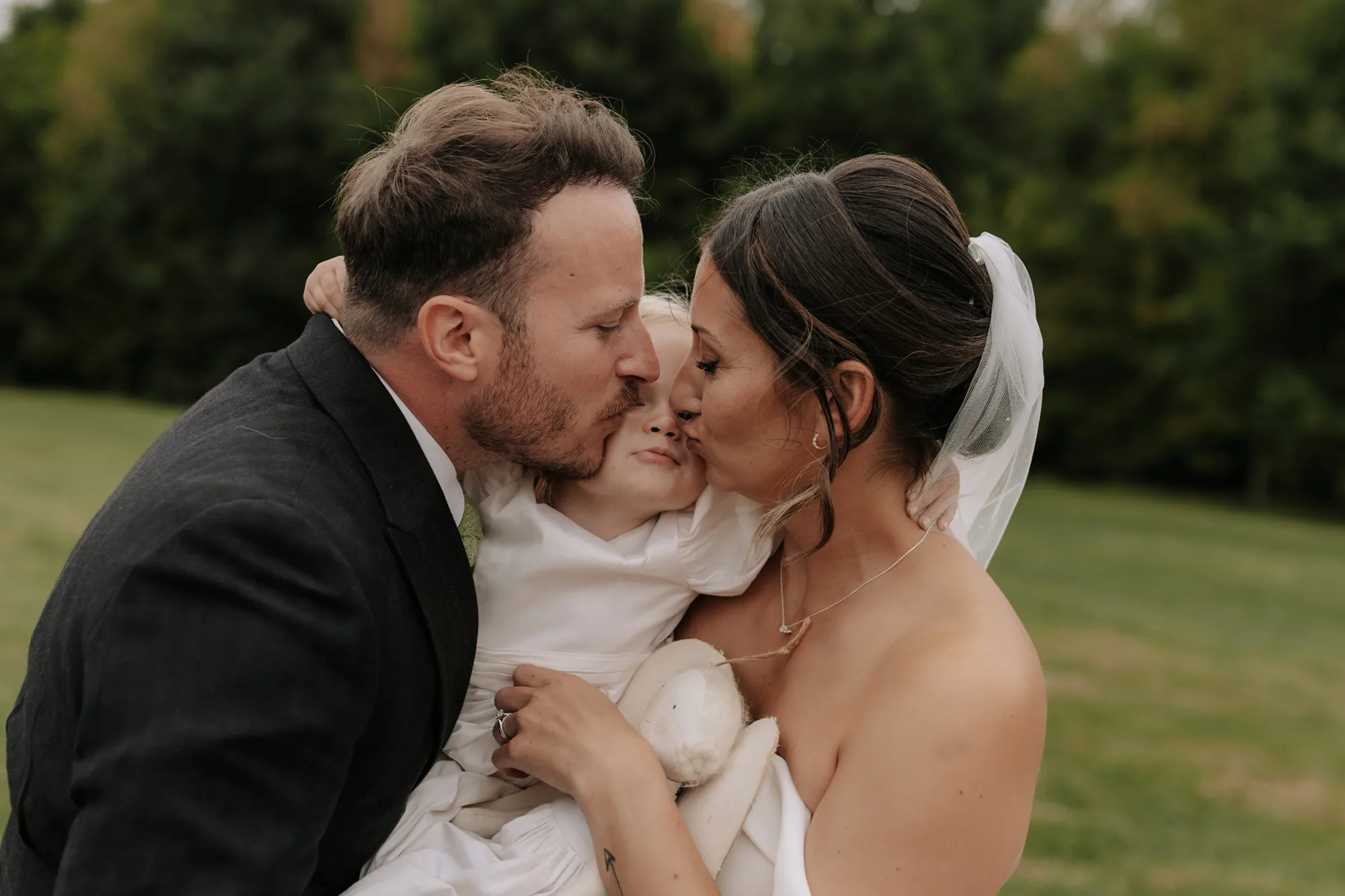
The couple’s relationship itself began through a shared professional and familial network. Both of their mothers are established antique dealers, and the pair first met through their mothers’ shops and various antique fairs. This background in decorative arts and historical preservation would later become the defining aesthetic of their wedding day. After reconnecting over a shared interest in literature, the couple’s relationship progressed rapidly, leading to an engagement at The Priory in Lewes, another location deeply embedded in the local history of Sussex. By the time of their wedding, they had already welcomed their daughter, Iris, who played a central role in the day’s proceedings.
Aesthetic Vision: The Fusion of Mediterranean and British Pastoral Styles
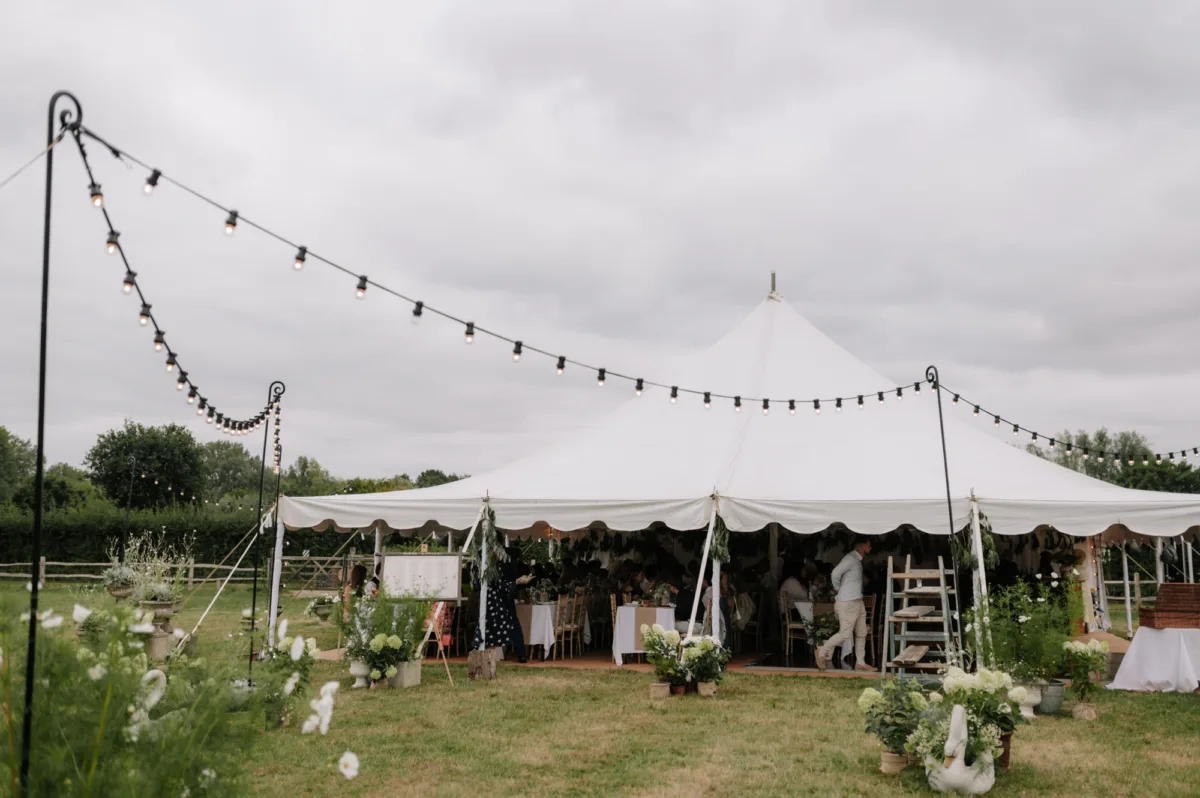
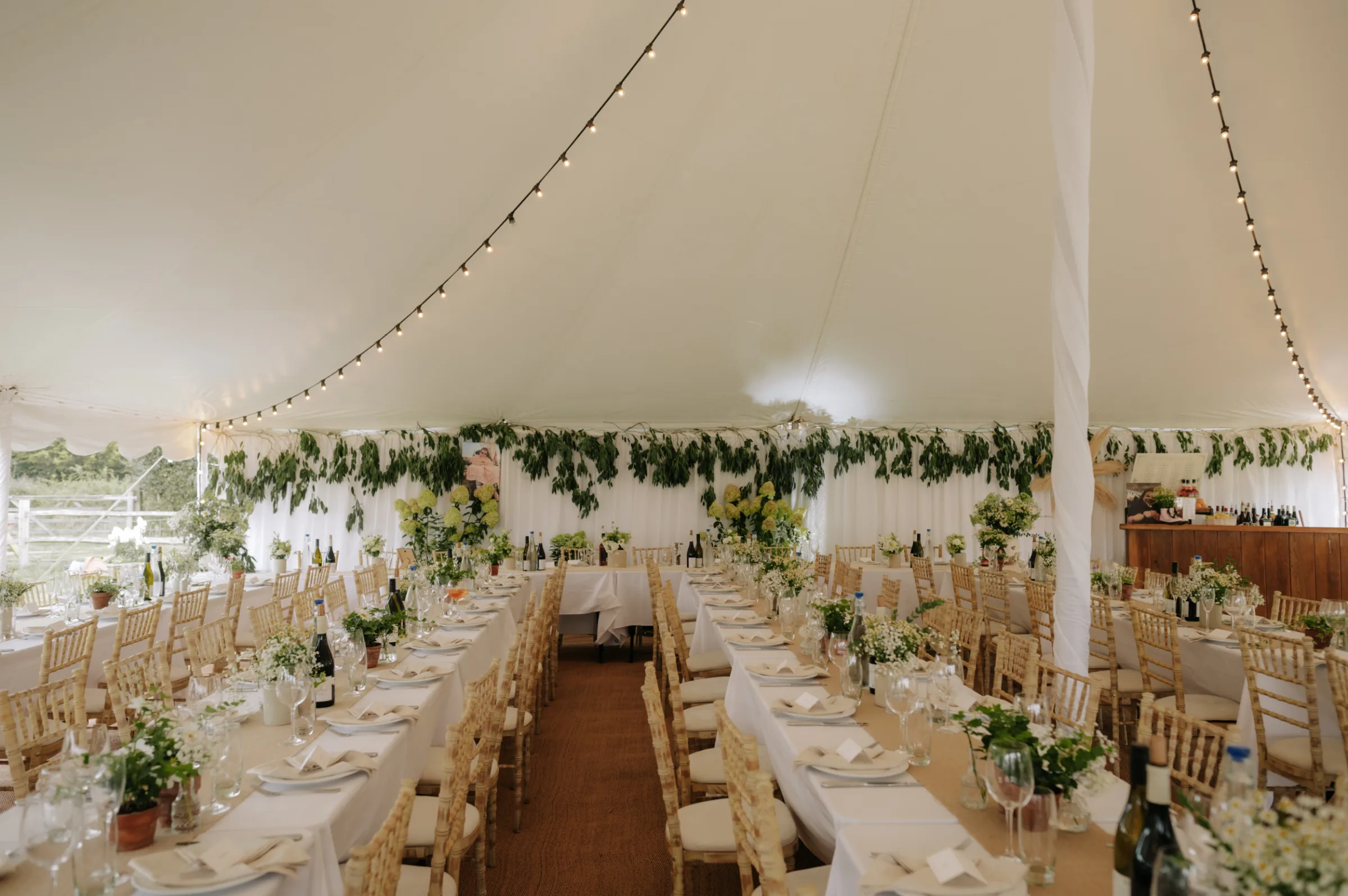
The visual identity of the wedding was characterized by a deliberate "Green and White" color palette, designed to evoke the freshness of a Mediterranean summer while respecting the natural textures of the Sussex landscape. To accommodate the guest list and the unpredictable English weather, a marquee provided by Sussex Marquees was erected within the estate grounds. However, the styling of the space moved away from the standardized "white wedding" look, opting instead for a curated, lived-in aesthetic.
Drawing on their family’s expertise in the antique trade, the couple utilized a vast collection of vintage planters, heavy antique garden pots, and weathered decorative pieces. These items were sourced from Nutley Antiques and supplemented by personal collections. The floral arrangements were a collaborative family effort, spearheaded by the couple’s mothers, who operate Liza Barnes Decorative Antiques and Harriet’s Attic. Unlike professional floral installations that often rely on imported blooms, the greenery at Bentley Estate featured thousands of homegrown cosmos and daisies, supplemented by hydrangeas and ivy. This "slow flower" approach—growing one’s own decor—is an emerging trend in sustainable event planning, emphasizing seasonal availability and personal labor over commercial convenience.
Chronology of the Wedding Day: A Study in Classic Logistics
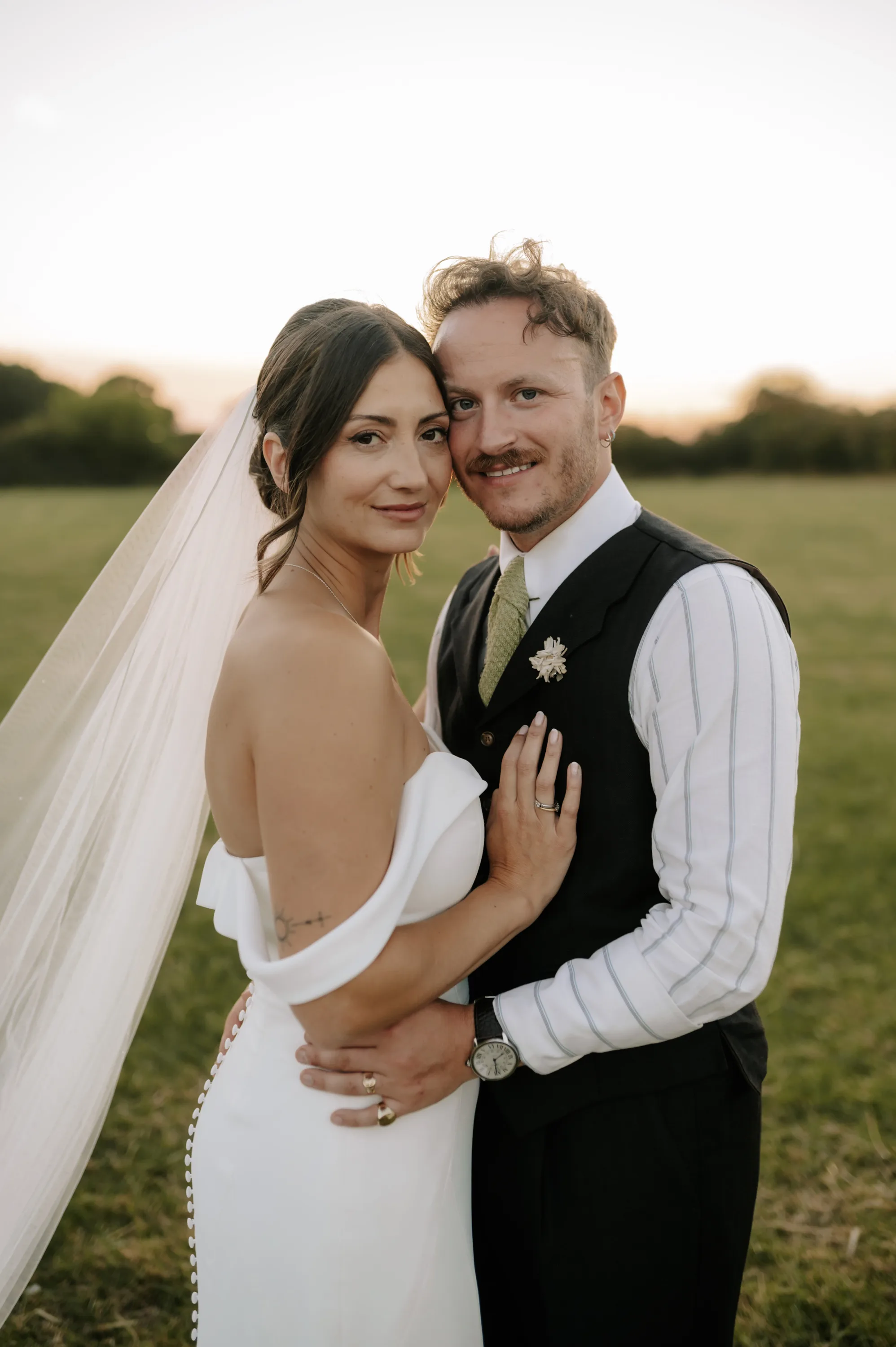
The day’s schedule was marked by a series of arrivals that paid homage to British automotive history. Edward and his groomsmen arrived in a convoy featuring a 1950s MGA and a series of classic Series 1 Land Rovers, the latter provided by Mercedes’ uncles. Mercedes arrived in a vintage Volkswagen camper van, accompanied by her family. This choice of transport reinforced the wedding’s emphasis on heritage and mechanical craftsmanship, mirroring the antique-centric theme of the reception.
The ceremony itself was led by a close friend, Travis, who traveled from Australia to officiate. This personal touch allowed for a bespoke liturgy that incorporated the couple’s specific values and history. A central feature of the service was a hand-binding ritual, an ancient tradition that has seen a resurgence in non-denominational and humanist ceremonies. In this instance, the ritual was localized and personalized through the use of sentimental materials. Six couples, representing the couple’s inner circle of parents, grandparents, and siblings, were invited to participate. Each couple brought a piece of fabric to bind the couple’s hands, including:
- A section of fabric from Edward’s sister’s dress.
- A tie worn by Mercedes’ grandfather at his own wedding.
- A bow string and a dog lead, representing personal hobbies and family pets.
- A handkerchief used as an improvised binding when the original material was inadvertently left behind.
This ritual served as a physical manifestation of the communal support surrounding the marriage, moving the focus of the ceremony from the individual couple to the wider family unit.
The Collaborative Effort: Family as the Primary Contractor
One of the most notable aspects of the Mercedes and Edward wedding was the degree of family involvement in the execution of the event. In an era where the wedding industry is increasingly dominated by full-service planners and standardized packages, this celebration was almost entirely "in-house."
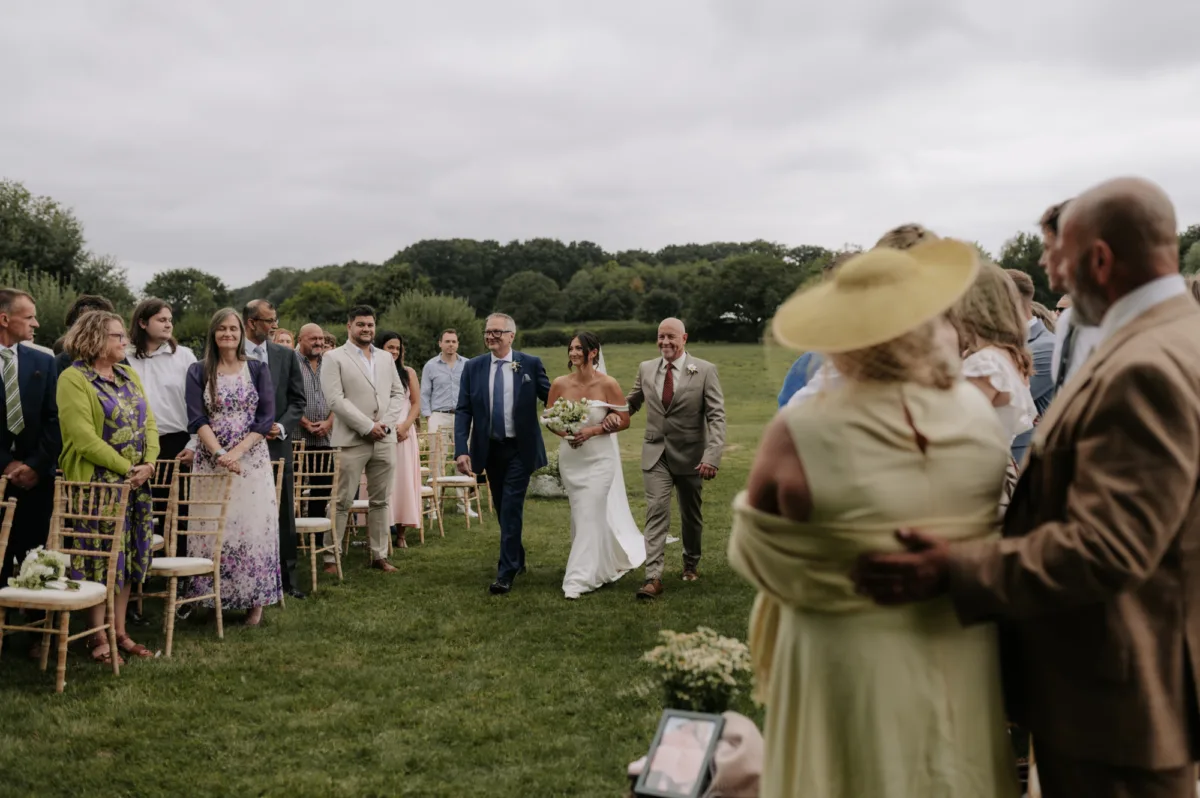
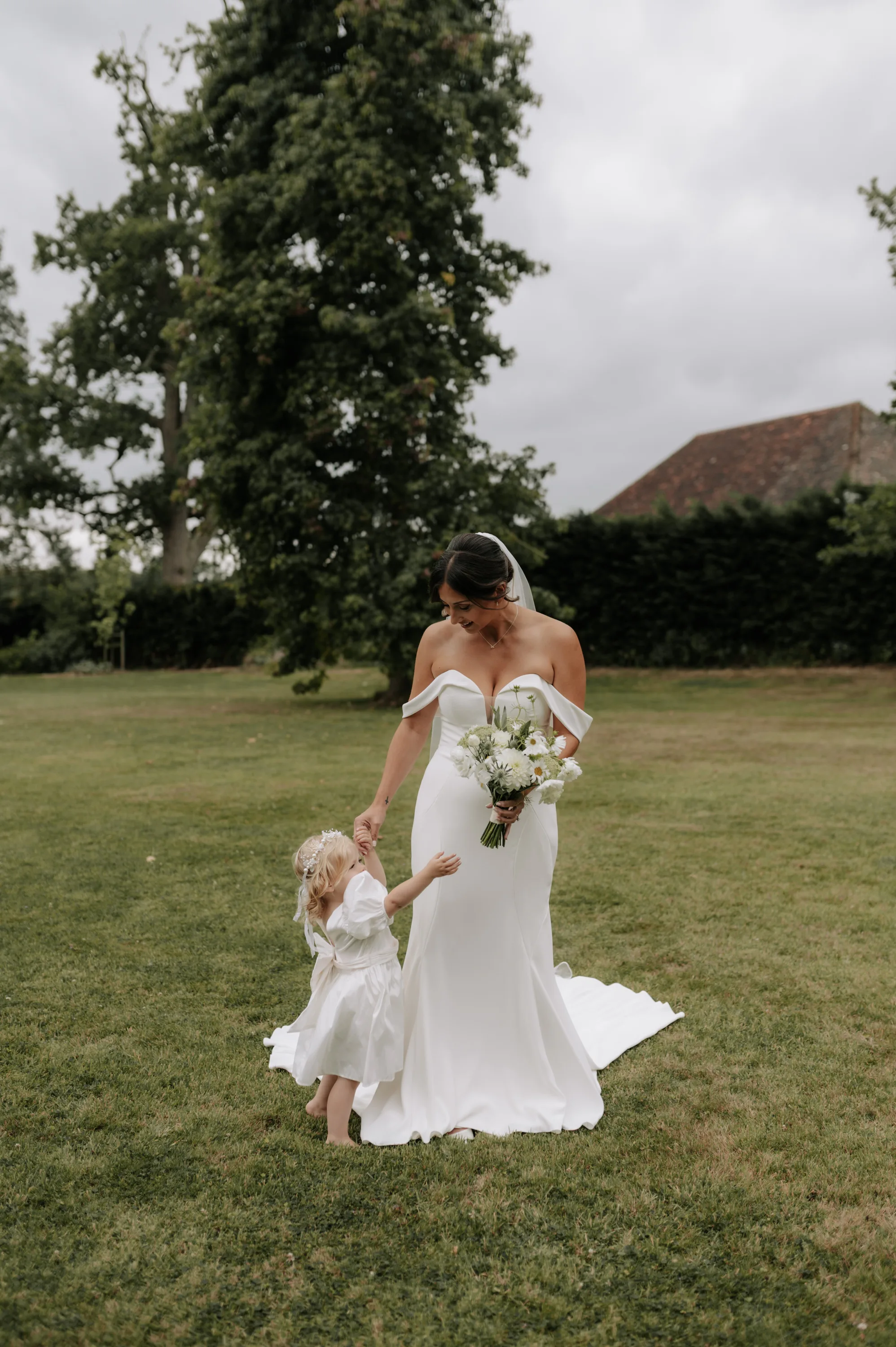
The styling, organization, and floral design were managed by the couple’s mothers, while Edward’s cousin, Tor, took on the role of event coordinator, managing bar staff and logistical flow. Mercedes’ father and stepfather both participated in the processional, and their daughter Iris served as the flower girl, escorted by Mercedes’ brother, Red. This multi-generational participation transformed the wedding from a social obligation into a collective family project.
From a sociological perspective, such "DIY" weddings of this scale often serve as a display of a family’s collective skills and resources. For Mercedes and Edward, the wedding was a showcase of the antique trade’s ability to create atmosphere through curation rather than purchase. However, the couple noted that this approach did not necessarily translate to financial savings. They acknowledged that they exceeded their initial budget, a common outcome for bespoke weddings where the lack of a "package price" can lead to incremental costs in logistics and infrastructure.
Gastronomy and Reception: A Departure from Formal Tradition
The reception further emphasized the relaxed, Italian-inspired theme through its culinary choices. Departing from the traditional three-course sit-down meal, the couple opted for a casual dining experience centered on Twisted Toppings Pizza. This choice reflected a broader industry shift toward "informal luxury," where high-quality, artisanal comfort food is prioritized over formal banquet service. The couple even had the opportunity to name a custom pizza, adding a layer of personalization to the menu.
For dessert, the couple selected Marks & Spencer cheesecake and tiramisu, leaning into their personal favorites rather than commissioning a traditional tiered wedding cake. This decision highlights a trend toward authenticity in wedding catering, where couples are increasingly comfortable serving familiar, high-quality retail products that they genuinely enjoy.
Broader Implications and Industry Trends
The wedding of Mercedes and Edward at Bentley Estate serves as a case study for several prominent trends in the 2024-2025 wedding seasons:
- The Rise of the "Homegrown" Wedding: The use of thousands of hand-planted seeds and family-sourced antiques points to a move toward hyper-personalization. Couples are looking for ways to make their weddings unique through labor and curation rather than simply through spending.
- Legacy Venues and Private Estates: As commercial venues become increasingly booked and standardized, the use of private estates—especially those with a personal connection—offers a level of exclusivity and sentimental value that cannot be replicated.
- Cross-Continental Officiants: The arrival of an officiant from Australia underscores the global nature of modern social circles and the importance of having a deep personal connection with the person leading the ceremony.
- Informal Sophistication: The blend of vintage Land Rovers and high-end pizza catering illustrates a desire for a "high-low" aesthetic—where the event feels prestigious and well-thought-out but remains accessible and fun for the guests.
Conclusion
The marriage of Mercedes and Edward was a meticulously curated event that balanced the grandeur of the Sussex countryside with the intimate, lived-in feel of a family gathering. By leveraging their family’s professional expertise in the antique trade and their deep personal connection to the Bentley Estate, the couple created a celebration that was both a reflection of their past and a launchpad for their future. Their willingness to "bend the rules" of traditional wedding planning resulted in an event that was distinctly their own, characterized by historical resonance, communal effort, and a clear aesthetic vision. As the couple reflected on the day, their primary advice to others was to remain true to personal values, a sentiment that was clearly evidenced in every homegrown flower and antique planter found across the Bentley Estate on that mid-August afternoon.