






The pursuit of high-quality sleep has become a global priority as modern lifestyles increasingly expose individuals to artificial light and high-stress environments. Sleep masks, once considered a travel convenience, have evolved into a fundamental tool for sleep hygiene. Medical professionals and sleep specialists now frequently recommend them as a non-pharmacological intervention for patients struggling with circadian rhythm disruption, environmental light pollution, and insomnia. Understanding the physiological benefits, material science, and ergonomic considerations of these devices is essential for those looking to optimize their nightly recovery.
The Physiology of Sleep and Light Sensitivity
At the core of the sleep mask’s efficacy is the suppression of light-induced wakefulness. The human brain, specifically the suprachiasmatic nucleus (SCN) within the hypothalamus, relies on light exposure to regulate the production of melatonin, the hormone responsible for signaling the body to enter a sleep state. Even minimal ambient light—such as that from streetlamps, electronic devices, or early morning sun—can penetrate closed eyelids, potentially suppressing melatonin secretion and causing fragmented sleep.
Clinical research indicates that total darkness can facilitate a transition into deeper stages of sleep, particularly Rapid Eye Movement (REM) cycles. By creating a controlled, pitch-black environment, a sleep mask acts as a barrier against external photic stimuli. Dr. Colon, a noted sleep expert, confirms that there is no medical contraindication for consistent nightly use, provided the device does not cause physical irritation or pressure-related discomfort.
Evolution of Sleep Mask Design and Materials
The marketplace for sleep masks has expanded significantly over the past decade, moving away from simple cloth patches toward sophisticated, ergonomically engineered products. The shift has been driven by a deeper understanding of sleep position science and material thermoregulation.
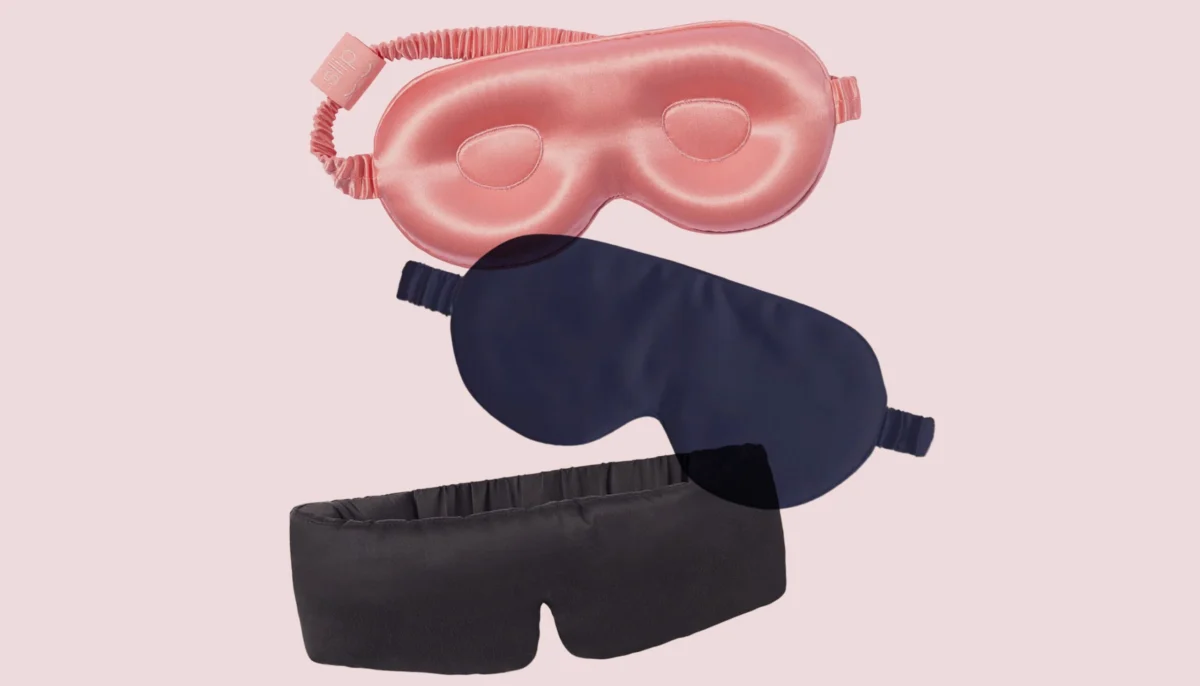
Current industry standards emphasize three primary features: light occlusion, pressure distribution, and material breathability. Modern designs often incorporate molded eye cups, which prevent the fabric from pressing directly against the eyelids. This design choice is particularly important for individuals with sensitive skin or those who prioritize REM sleep, as it allows for natural blinking and eye movement without obstruction.
The choice of material plays a critical role in the user experience. Synthetic materials, while often durable, may trap heat, leading to discomfort for those who experience high body temperatures during sleep. Consequently, natural, breathable fibers like mulberry silk or moisture-wicking bamboo are increasingly favored. Silk, in particular, is frequently cited for its hypoallergenic properties and its ability to reduce friction against the delicate skin surrounding the eyes, potentially mitigating the risk of sleep-induced facial lines.
Chronology of Sleep Hygiene Trends
The integration of sleep masks into the broader wellness conversation follows a clear trajectory of scientific validation.
- Early 20th Century: The sleep mask was primarily utilized as a utility item for travelers, particularly in the aviation industry, to facilitate rest during long-haul flights.
- 1990s–2000s: The rise of the 24-hour digital economy and the proliferation of blue-light-emitting screens brought renewed focus to the importance of "dark therapy."
- 2010s: Sleep hygiene became a central pillar of public health discourse. Consumer data showed a marked increase in the adoption of sleep-tracking wearables, which often correlated with a rise in the use of light-blocking accessories.
- 2020–Present: The post-pandemic emphasis on home-based wellness and the "restoration" movement has cemented the sleep mask as a standard component of professional sleep hygiene protocols.
Expert Guidelines for Selection
Selecting the appropriate mask requires an assessment of individual sleeping habits. For the side sleeper, the architecture of the mask is paramount. Excessive bulk on the sides of the device can create pressure points on the temples, which may cause headaches or discomfort during the night. Manufacturers have responded to this by designing "low-profile" masks with tapered edges specifically for those who alternate positions throughout the night.
Dr. Breus, a prominent sleep researcher, emphasizes that the "efficacy" of a mask is not permanent. Over time, the structural integrity of the product—specifically the elasticity of the strap and the density of the padding—will degrade. Regular maintenance, including consistent cleaning to prevent the accumulation of oils and bacteria, is recommended to ensure the longevity of the device and the health of the facial skin.
Analyzing the Broader Impact on Sleep Quality
The implications of using a sleep mask extend beyond mere convenience. Studies involving shift workers and urban dwellers residing in high-density, high-light environments demonstrate that the consistent use of light-blocking tools can significantly improve sleep latency—the time it takes to fall asleep—and overall sleep duration.
From an economic perspective, the global sleep aid market is projected to reach significant valuations by 2030, with non-invasive accessories like sleep masks commanding a growing share of the sector. This trend suggests that consumers are moving toward preventative, habit-based solutions rather than relying exclusively on pharmacological aids, which often carry risks of dependency or side effects.
Practical Considerations and Maintenance
When integrating a sleep mask into a nightly routine, users should prioritize a "trial-and-error" approach. Factors such as head circumference, face shape, and hair texture can influence how a mask fits. Adjustable, velcro-free straps are often preferred to prevent hair snagging and to allow for a custom fit that remains secure even with movement.
Furthermore, hygiene cannot be overstated. Because sleep masks remain in close contact with the skin for six to eight hours at a time, they effectively absorb sweat, sebum, and skin-care products. dermatological experts suggest that masks should be washed weekly using gentle, fragrance-free detergents to prevent breakouts or contact dermatitis. Replacing the mask every six to twelve months, depending on the frequency of use and material quality, is considered best practice.
Conclusion: The Future of Restful Environments
The evidence supporting the use of sleep masks as an effective component of a healthy lifestyle is robust. By neutralizing the negative impact of ambient light and fostering a psychologically comforting "cocoon" effect, these devices address a fundamental barrier to modern rest. While the market is flooded with options, the most successful implementations are those that balance structural engineering—such as molded cups and adjustable straps—with high-quality, breathable textiles.
As research into the long-term benefits of sleep hygiene continues, it is likely that the design of these products will become even more personalized. Advances in smart fabrics and pressure-sensitive materials may soon allow for even greater comfort and effectiveness. For the average consumer, however, the path to better rest is clear: evaluate the physical requirements of one’s sleep position, invest in high-quality materials, and maintain the device with the same rigor as one would any other essential health-care tool. By making these small, evidence-based adjustments, individuals can significantly enhance the quality of their restorative rest, ultimately contributing to better cognitive function, mood stability, and long-term physical health.