







In the autumn of 1962, the editors of Esquire magazine published a comprehensive guide titled The Basic College Wardrobe, an article that sought to standardize the sartorial requirements of the early sixties undergraduate. While the mid-twentieth century was defined by a shift toward more casual campus attire, the publication’s directive served as a foundational manifesto for the collegiate gentleman. Six decades later, this list provides more than mere historical curiosity; it functions as an enduring template for a modern capsule wardrobe—a concept defined by the strategic selection of interchangeable garments that maximize utility while minimizing clutter.

The original 1962 mandate focused on a rigorous list of staples, including multiple suits, varied outerwear, and specific quantities of button-down shirts. By examining this list through a contemporary lens, it becomes evident that the principles of intentional dressing remain unchanged, even as the specific requirements of the modern lifestyle have evolved.
Historical Context and the Evolution of Campus Attire
The 1960s represented a pivotal era in men’s fashion. As the post-war economic boom continued, the distinction between formal and leisure wear began to blur. For the American university student of 1962, the collegiate look—often synonymous with the "Ivy League" aesthetic—was a dominant cultural force. The Esquire guide was designed to prepare students for a life of academic rigor, extracurricular involvement, and the social expectations of the era, which often necessitated a higher degree of formality than seen in contemporary university settings.
The list emphasized quality and versatility, prioritizing items that could transition seamlessly from a lecture hall to a social event. While the sheer volume of items recommended in 1962—such as nine Oxford cloth shirts or four pairs of chinos—might be considered excessive by modern minimalist standards, the underlying logic remains sound. A wardrobe built on high-quality, foundational pieces allows for a "mix-and-match" efficiency that defines the modern capsule concept.
Structural Analysis: The Three-Suit Standard
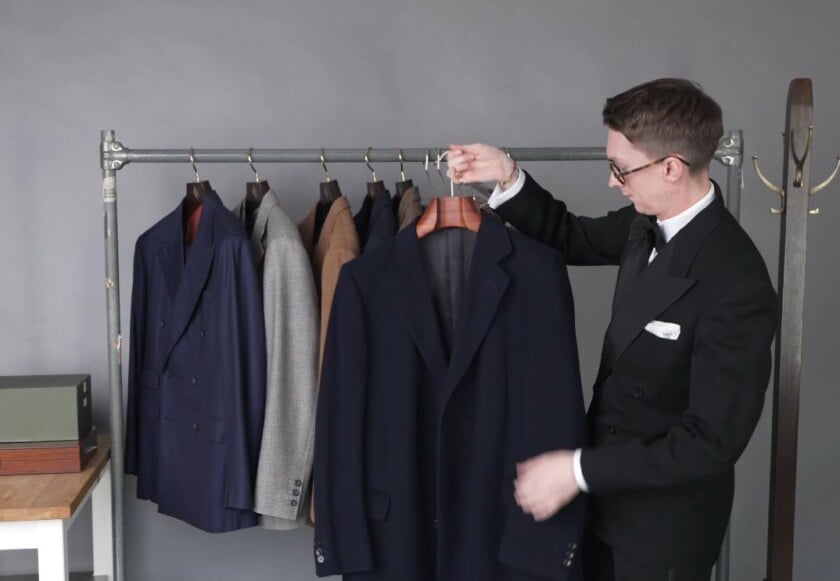
The cornerstone of the 1962 wardrobe was the suit. The guide recommended three distinct ensembles: a dark blue suit, a medium gray flannel, and a third suit featuring a pattern such as herringbone or a subtle tweed. This selection was not arbitrary; it was a calculated approach to versatility.
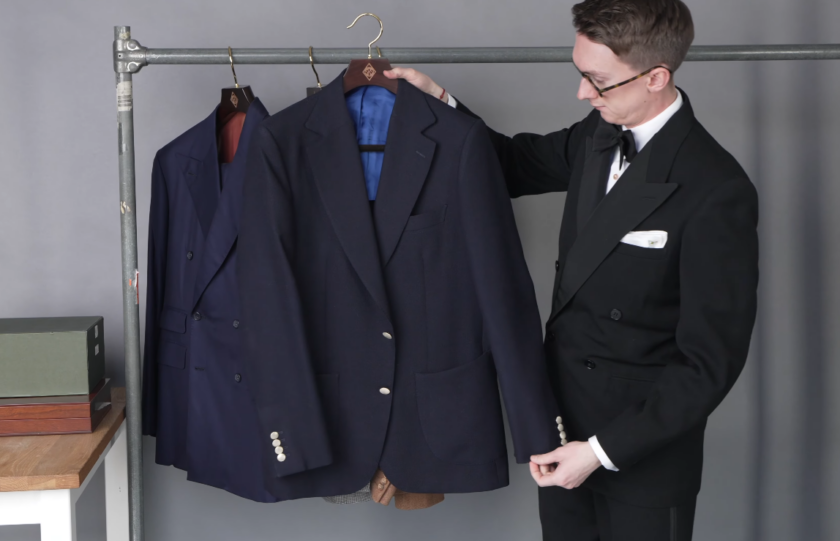
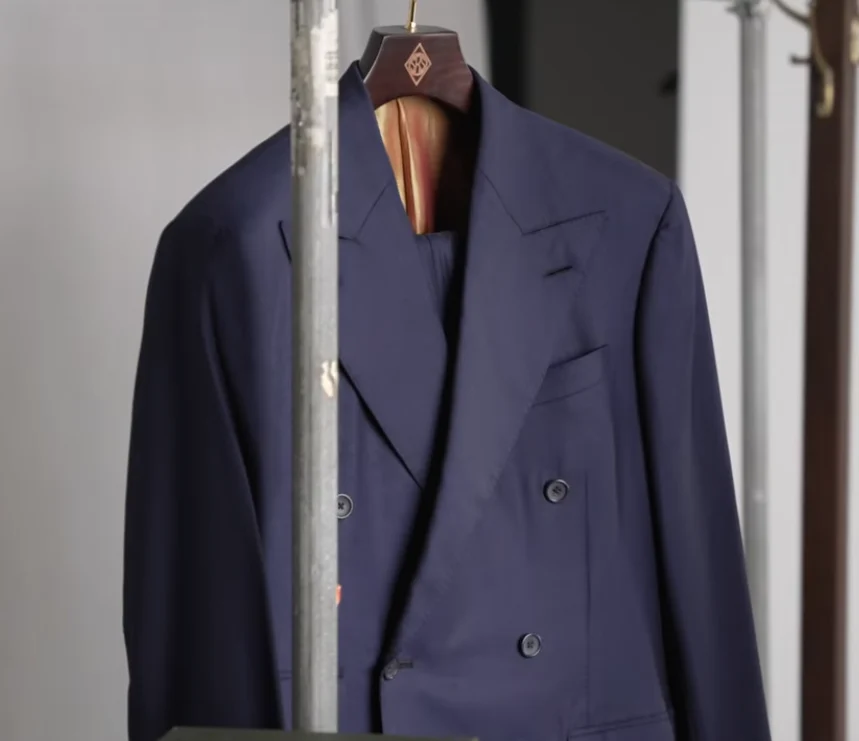
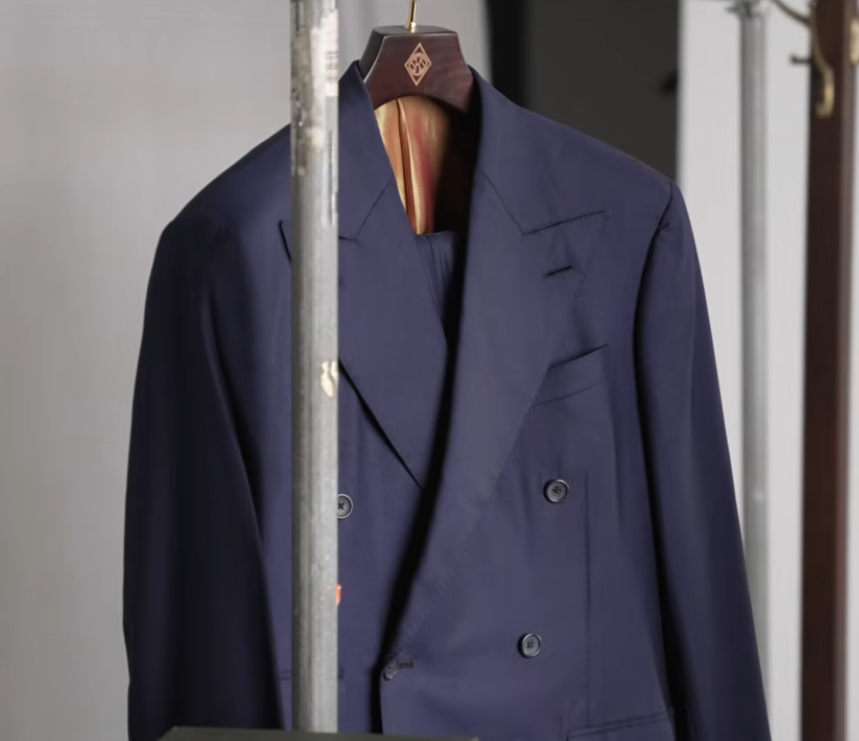
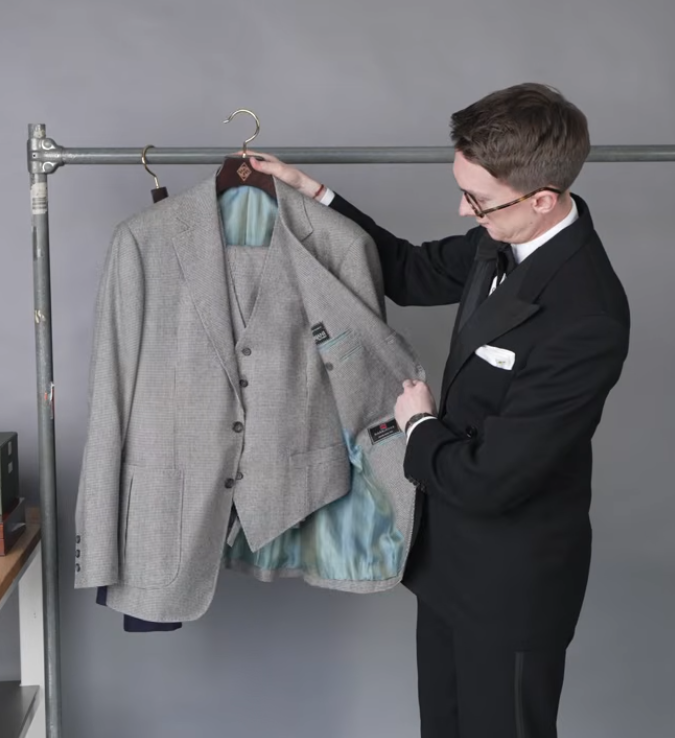
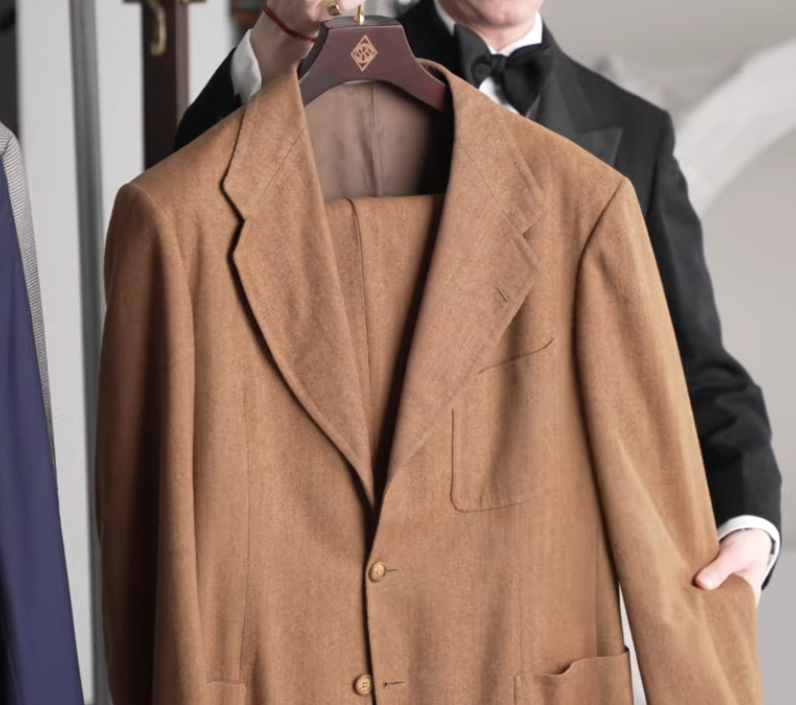
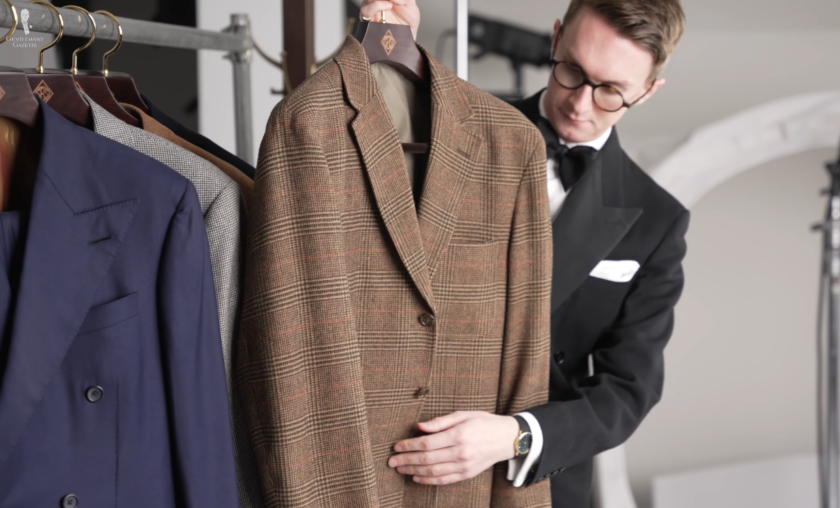
In a modern reinterpretation of this structure, the dark suit—ideally a double-breasted navy model—serves as the anchor for formal occasions. The mid-gray flannel suit, when selected with thoughtful details like patch pockets or a puppytooth pattern, provides the necessary texture to serve as an "odd" jacket or trousers, effectively multiplying the wardrobe’s reach. The third suit, perhaps in a ginger-toned herringbone or a classic Glen plaid, introduces color and pattern depth. By opting for these fabrics, the wearer ensures that each piece can function independently, satisfying the requirements of a versatile, multi-purpose collection.
Modernizing the Outerwear Requirements
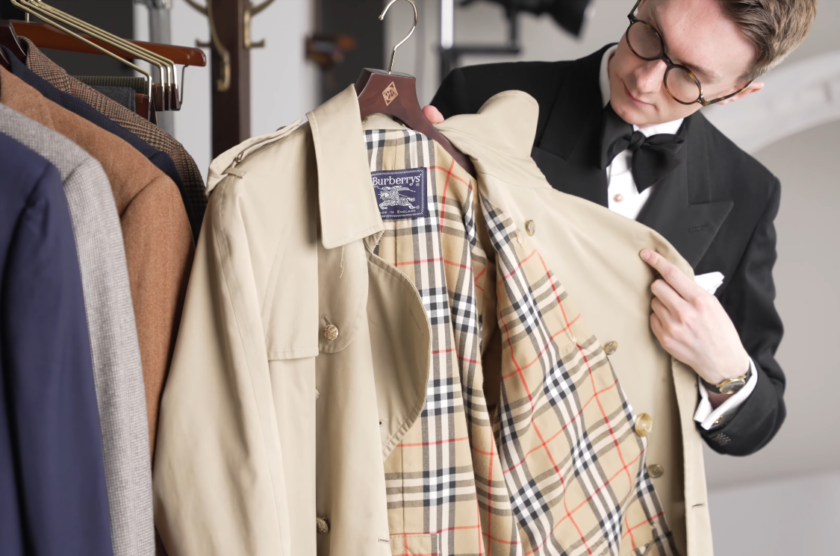
The outerwear recommendations from 1962 have proven to be the most subject to change. The original list called for a natural-color poplin raincoat and a stadium coat, among other items. Today, the Burberry-style trench coat remains the definitive answer for the former, owing to its blend of utility and timeless silhouette.

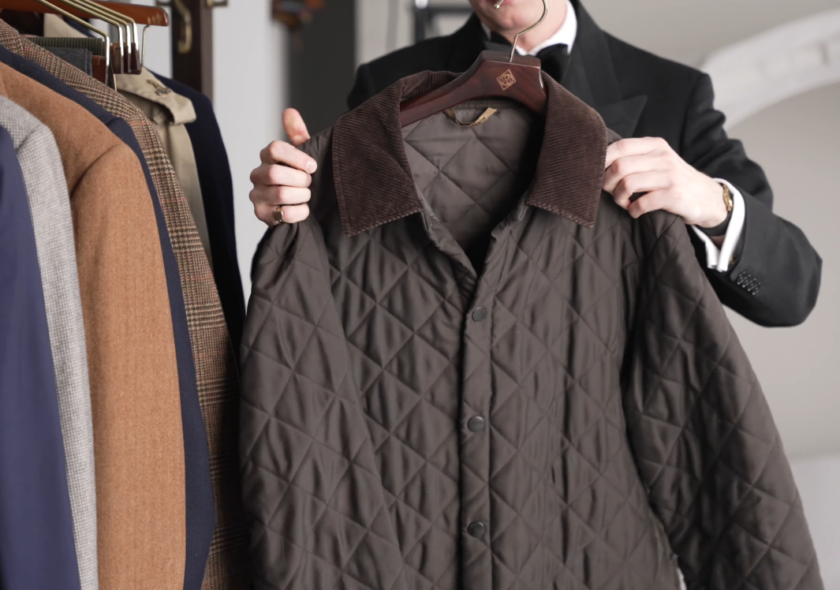
However, the "stadium coat" requirement—often referring to bulky shearling or heavy corduroy pieces—has been largely supplanted by more functional, lightweight alternatives. Modern style authorities often suggest a quilted jacket, such as those popularized by Barbour, as a replacement. These garments provide the necessary warmth and weather resistance required for transitional seasons without the aesthetic datedness associated with mid-century shearling. This substitution illustrates the broader principle of the capsule wardrobe: maintaining the functional intent of the original list while updating the material and cut to suit contemporary tastes and climates.

Quantitative Adjustments: From Quantity to Quality
One of the most significant differences between the 1962 Esquire list and modern practice lies in the quantity of items. The original guide suggested fifteen shirts, including nine Oxford cloth button-downs. For the average man today, this is largely impractical. Modern wardrobe strategy favors a reduction in quantity in favor of increased variety in fabric and collar construction.
A contemporary iteration of the shirt category might include:
- Two white and two blue Oxford cloth button-downs.
- One pale yellow linen shirt for warmer weather.
- Three striped shirts, ranging from bold awning stripes to more subtle patterns.
- One evening shirt for formal events.
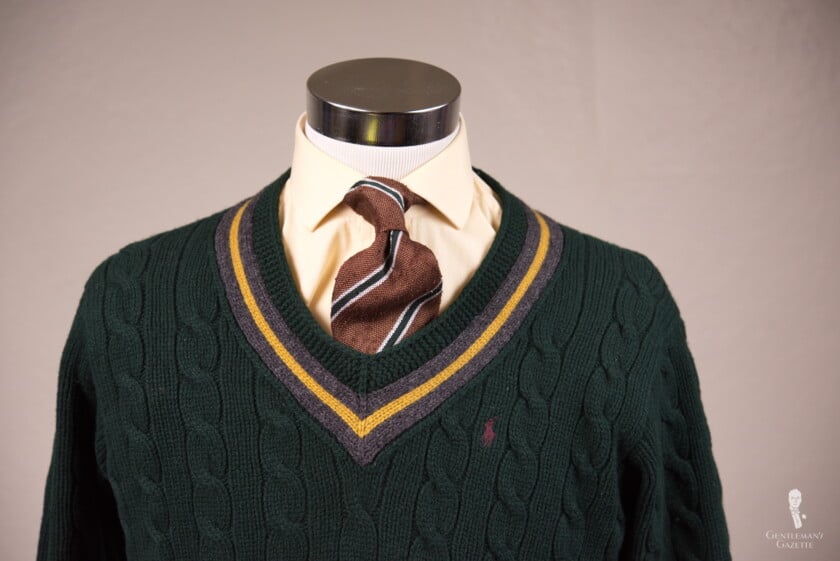
This shift reflects a change in laundry habits and the general relaxation of professional dress codes. Similarly, neckwear—once the most expansive category on the 1962 list—is now approached with more restraint. Where the original guide suggested over a dozen ties, modern curation focuses on a smaller, high-quality collection of silk repp stripes, foulards, and knit ties, which offer enough variety to complement any suit or blazer in the collection.
Accessories and the Importance of Detail
The 1962 Esquire guide was meticulous regarding accessories, from belts to handkerchiefs. While the core items—black leather belts, silk socks, and cufflinks—remain essential, the modern interpretation allows for more flexibility. For instance, reversible belts are now a common solution for maximizing utility, and the proliferation of high-quality, patterned pocket squares allows for greater personal expression than the original dozen white handkerchiefs.
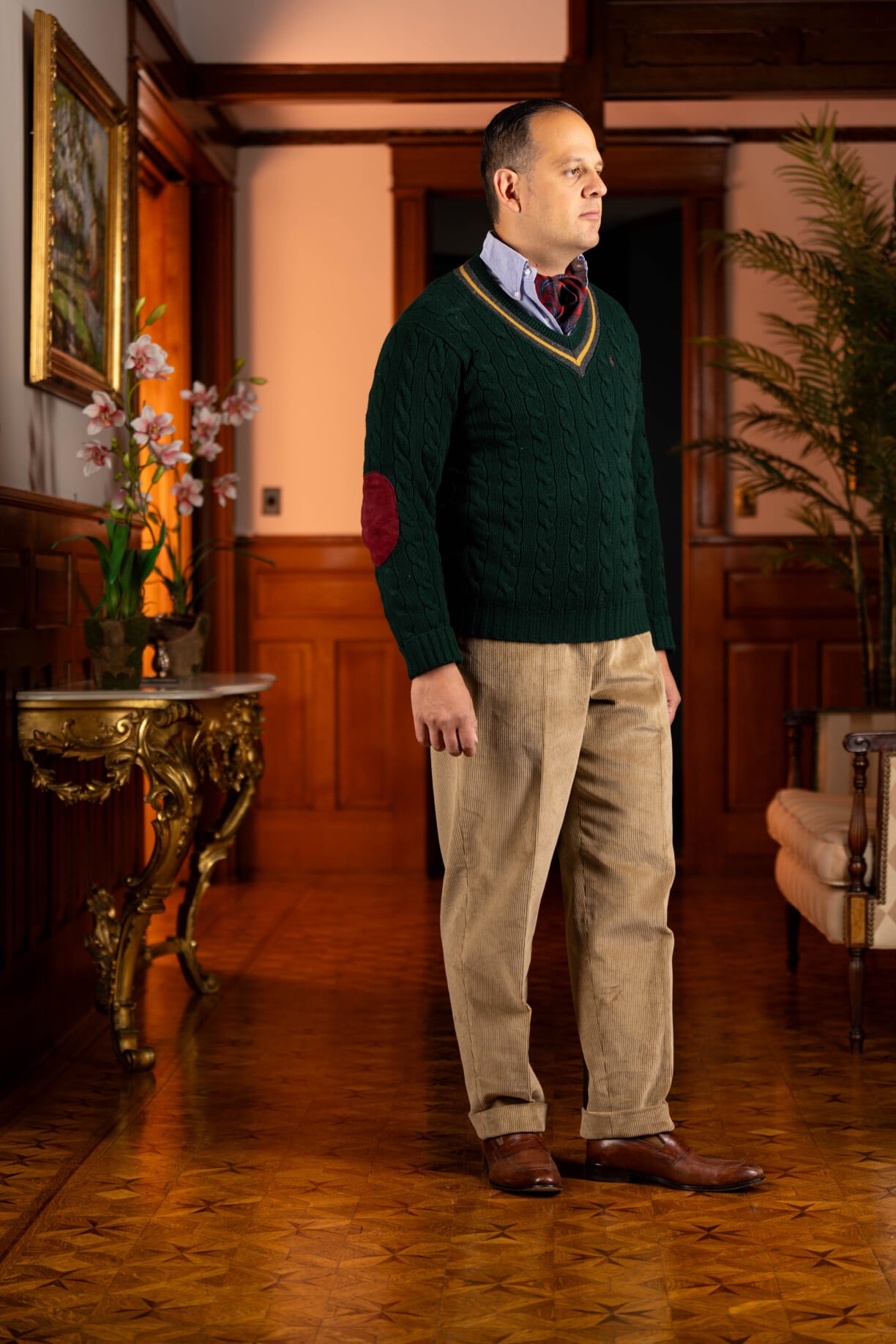
The inclusion of driving gloves and specialized knitwear reflects a time when men’s accessories were more distinct. Today, the focus has shifted toward high-quality, durable materials. A pair of gray peccary gloves, for example, remains the gold standard for luxury and longevity, proving that while specific trends may fade, high-quality craftsmanship remains a constant in a well-curated wardrobe.
Implications for the Modern Consumer
The enduring relevance of the 1962 Esquire list lies in its philosophy: a wardrobe should be a tool, not a collection of impulsive purchases. By analyzing the ratios and categories provided sixty years ago, one can identify the gaps in their own collection. The primary implication of this study is that a man does not need an infinite amount of clothing to look consistently well-dressed; he needs a defined system.
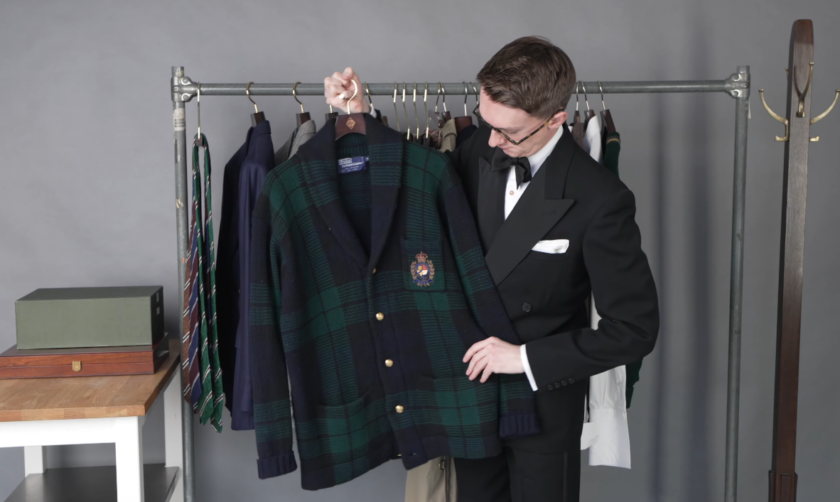
The "capsule" approach, which is now a standard piece of advice in the fashion industry, is essentially an evolution of the 1962 guidelines. By focusing on neutral colors, high-quality natural fibers, and pieces that serve multiple roles, the modern man can achieve a level of sartorial competence that is both sustainable and efficient.
Conclusion
The 1962 Esquire "Basic College Wardrobe" was more than just a packing list for incoming freshmen; it was a masterclass in foundational dressing. While the specific requirements of the era have inevitably evolved, the underlying logic—that a curated, thoughtful selection of garments can provide unlimited outfit combinations—remains the hallmark of a stylish life. Whether one is a student, a professional, or simply a man seeking to refine his personal aesthetic, the lessons of sixty years ago continue to serve as a reliable guide for building a wardrobe of substance. By stripping away the excess and focusing on the essential, the modern gentleman can honor the tradition of the past while remaining firmly grounded in the requirements of the present.