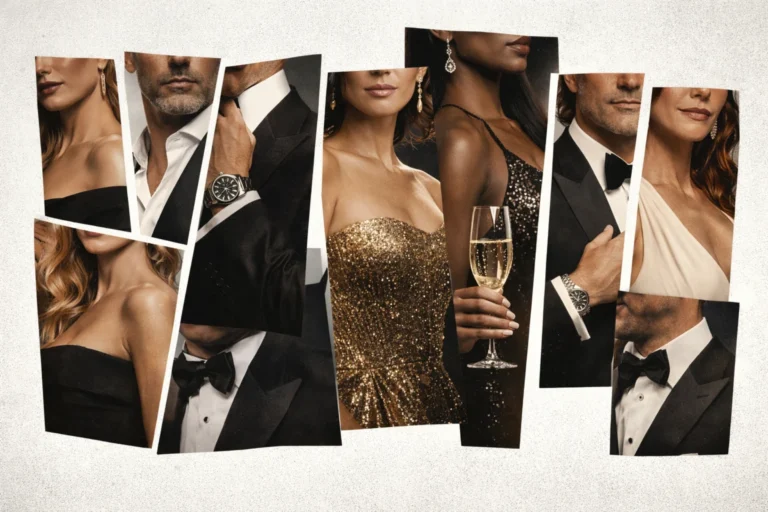







The contemporary landscape of men’s style extends far beyond the cut of a bespoke suit, the drape of a tailored trouser, or the meticulous selection of a silk tie. While sartorial foundations command visual attention, the invisible architecture of personal style—fragrance—remains the ultimate defining element of a polished presentation. As legendary designer Tom Ford famously observed, manners and a fine cologne are the defining characteristics that elevate a man to a gentleman. Throughout fashion and cultural history, the world’s most celebrated style icons have relied on signature scents not merely as accessories, but as integral components of their public identities and personal legacies.
Understanding the historical evolution of perfumery and its intersection with cultural icons provides valuable insight into modern grooming. The global men’s fragrance market, valued at over $15 billion, reflects a sustained consumer demand for products that project status, individuality, and refinement. By examining the historic fragrance houses favored by cinematic legends, musical pioneers, and political figures, contemporary consumers can decode the olfactory markers of timeless elegance.
Creed: Royal Heritage and Modern British Tailoring Worn by David Beckham
The House of Creed stands as a monumental pillar in the history of perfumery, tracing its lineage back to 1760 when the company was founded in London as a tailoring house. The brand’s royal endorsement began early in its history, famously sparked by a pair of scented leather gloves delivered to King George III. Over two and a half centuries later, the house remains synonymous with aristocratic luxury and elite appeal.
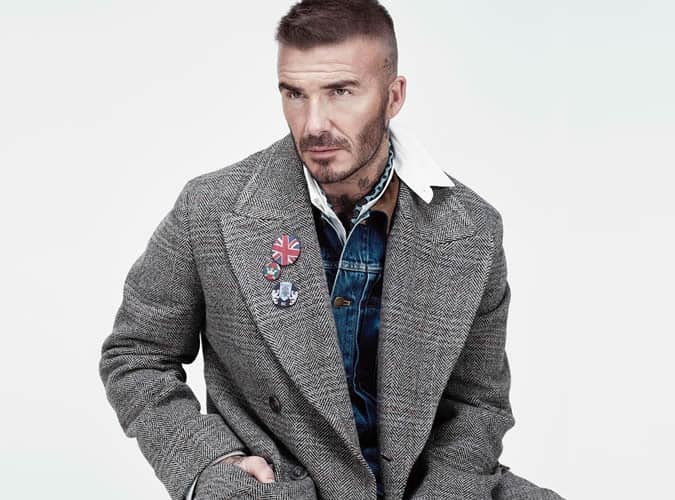
Among contemporary British style figures, David Beckham has frequently been linked to the brand, particularly favoring expressions such as Erolfa and Aventus. However, the crown jewel of the Creed catalog remains Green Irish Tweed, a fragrance that has captured the loyalty of Hollywood royalty and enduringly well-dressed figures including Robert Redford and Richard Gere. Drawing inspiration from the verdant landscapes of the Irish countryside, the formulation relies on crisp, botanical top notes of lemon verbena and violet leaves, anchored by a sophisticated ambergris and iris base. Market analysts note that Aventus, introduced in 2010 to commemorate the brand’s 250th anniversary, has since become one of the best-selling luxury masculine fragrances of the 21st century, demonstrating the enduring commercial viability of historic perfume houses in the modern era.
Floris of London: Jermyn Street Tradition Worn by David Bowie and Literary Spies
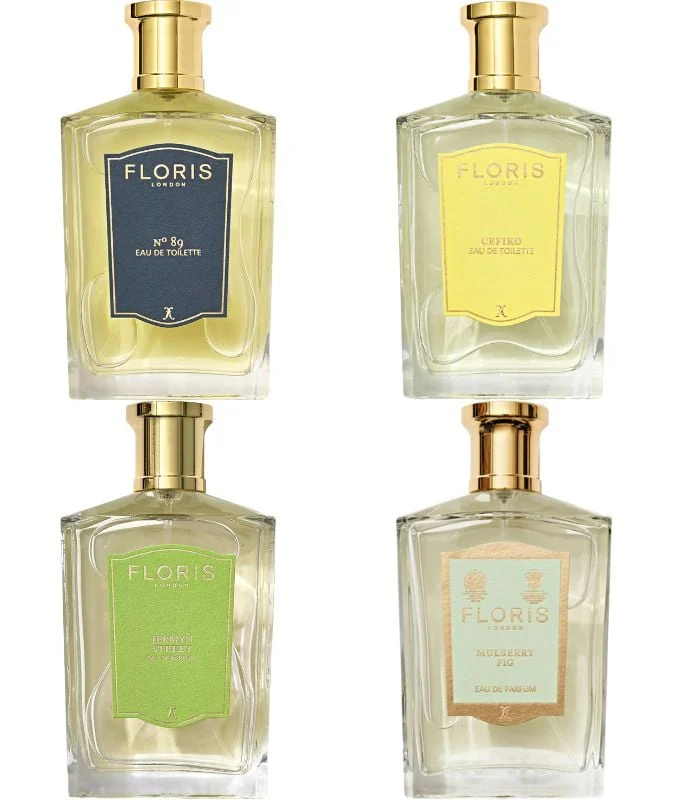
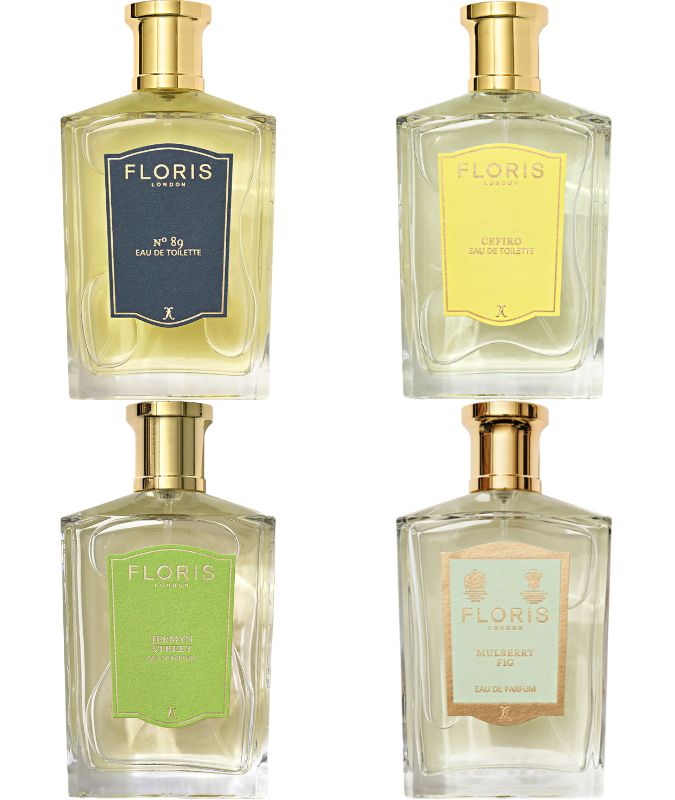
Operating continuously from 89 Jermyn Street in London since 1730, Floris holds the official distinction of being the oldest independent British retailer of perfumery. The institution is deeply embedded in British cultural history, earning Royal Warrants and finding literary immortality within the pages of Ian Fleming’s James Bond novels. In Diamonds Are Forever, agent 007 deliberately includes the acquisition of a Floris product on his operational itinerary.

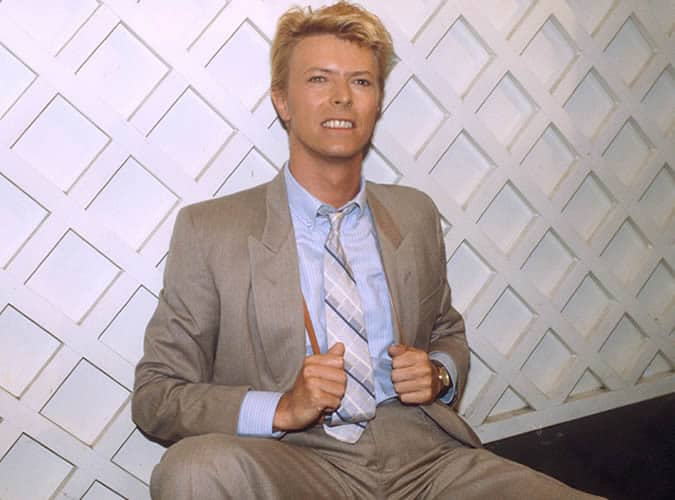
While Fleming himself favored Floris No. 89—a classic composition featuring zesty bergamot and sweet cedarwood layered over a warm, musky foundation—other British icons forged their own distinct associations with the brand. The late Starman, David Bowie, was known to wear Floris Elite, an assertive, aromatic scent dominated by a prominent grapefruit top note. More recently, contemporary British actors such as Benedict Cumberbatch have continued the tradition of patronizing the historic Jermyn Street storefront. Industry experts attribute the longevity of Floris to its ability to balance heritage formulations with modern consumer preferences, maintaining traditional manufacturing processes while adapting to contemporary distribution channels.
Guerlain: French Artisanship Worn by Michael Caine and Harrison Ford
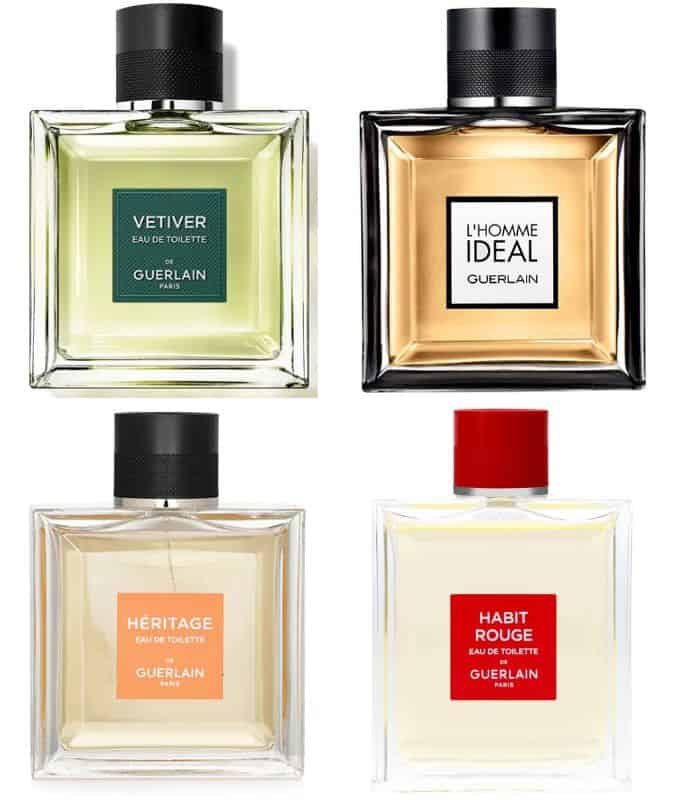
France has long maintained a dominant position in the global luxury market, particularly across the intersecting domains of fashion, gastronomy, and perfumery. At the apex of this tradition sits Guerlain, established in Paris in 1828. Although the house spent over a century perfecting women’s fragrances and cosmetics, its entry into the men’s market in 1959 redefined modern masculine perfumery.
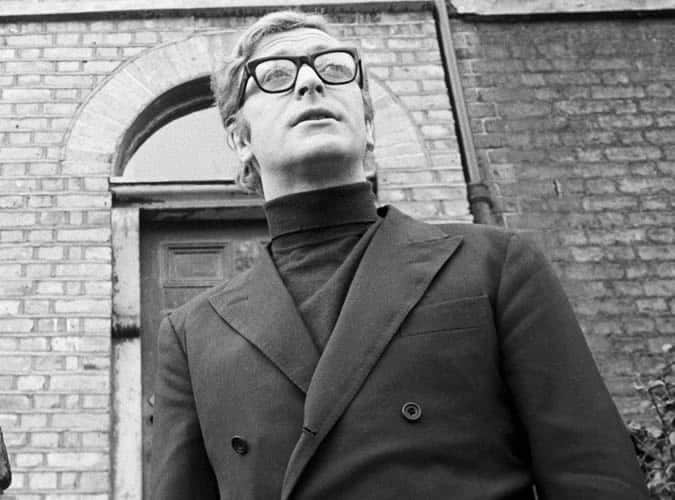
The release of Guerlain Vetiver introduced a benchmark of freshness and structural complexity. Opening with a vibrant citrus trio of mandarin, lemon, and neroli, the fragrance derives its legendary longevity from a smoky, earthy vetiver heart supported by a robust tobacco base. This distinct olfactory profile attracted a generation of leading men who defined mid-century cool, including cinematic icon Harrison Ford and British tailoring touchstone Michael Caine. Economic reports within the beauty sector indicate that classic vetiver-based formulations continue to experience stable, reliable demand, appealing to consumers seeking understated sophistication over trend-driven sweetness.
Acqua Di Parma: Italian Elegance Worn by Bradley Cooper
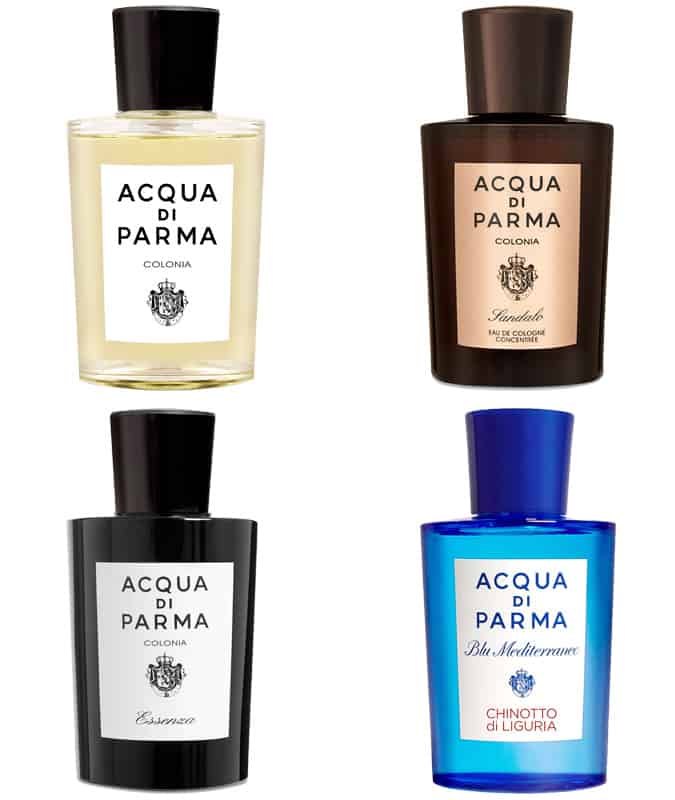
Originating in the historic Italian town of Parma in 1916, Acqua Di Parma represents the quintessence of Mediterranean refinement. Initially created to scent gentlemanly handkerchiefs, the brand’s signature formulation, Colonia, became an indispensable status symbol during the golden age of Hollywood in the 1950s. Silver screen luminaries such as Cary Grant and Gregory Peck embraced the bright, bracing citrus and floral profile, establishing it as a transatlantic standard of grooming excellence.
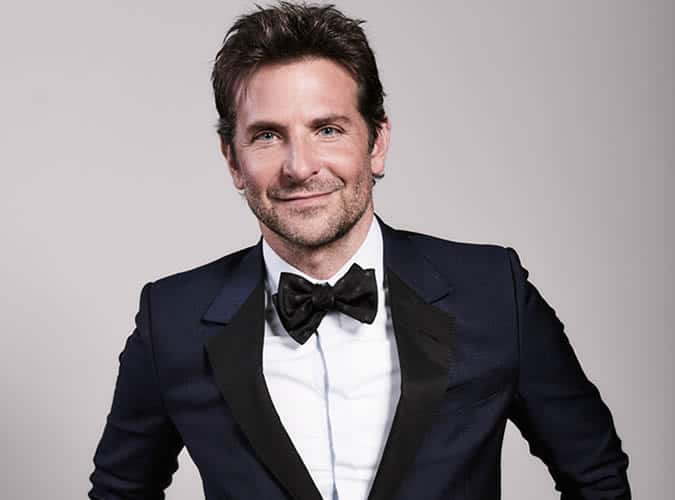
The architectural design of the brand’s art deco bottles and the composition’s balance of lavender, rosemary, verbena, and light musk evoke the ambiance of an Italian garden. In recent years, the legacy has been embraced by modern cinematic figures, most notably Bradley Cooper, who integrated the brand’s grooming line into his public appearances during the 2019 awards season. Market research highlights that heritage Italian fragrance houses have seen significant growth in the Asia-Pacific region, driven by an increasing consumer preference for fresh, citrus-forward profiles in humid climates.
Aramis: Department Store Pioneers Worn by Sammy Davis Jr.
When Aramis launched in 1964 under the Estée Lauder Companies umbrella, it fundamentally transformed the retail landscape by becoming the first major men’s prestige fragrance distributed widely through upscale department stores. Named after the sophisticated musketeer in Alexandre Dumas’s classic novels, the brand introduced American consumers to the chypre scent family—a complex structure characterized by citrus top notes, a floral heart, and an earthy, mossy base of oakmoss and patchouli.
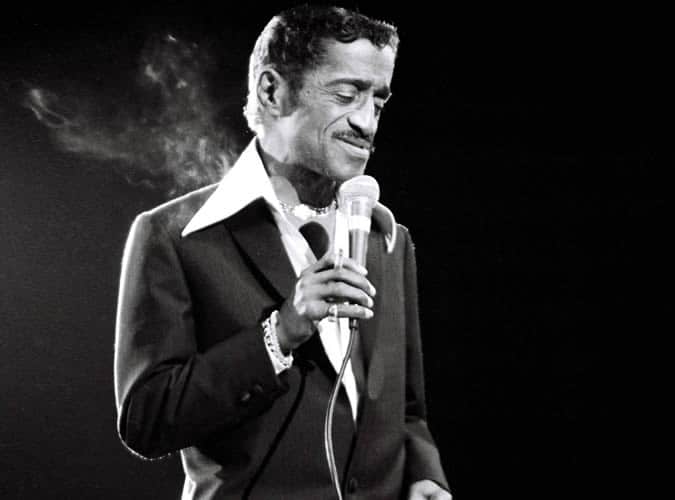
The bold, uncompromisingly masculine profile of the original Aramis formulation made it a daily staple for cultural luminaries of the era, including Rat Pack member Sammy Davis Jr. Blending spicy cinnamon and herbaceous vetiver over a pronounced leather base, the fragrance projected an assertive confidence that resonated with the social shifts of the 1960s. Industry historians credit Aramis with establishing the economic viability of dedicated men’s fragrance counters in retail stores, paving the way for the multi-billion-dollar designer grooming industry we see today.
Eight & Bob: An Accidental Legacy Worn by John F. Kennedy
The provenance of Eight & Bob reads like a piece of historical fiction. The brand’s origins date back to the summer of 1937, when French aristocrat and amateur perfumer Albert Fouquet encountered a remarkably stylish young American student vacationing on the French Riviera. That student was John F. Kennedy, who was so captivated by the custom scent Fouquet was wearing that he requested a sample.
Upon returning to the United States, Kennedy wrote to Fouquet requesting "eight samples, and if your production allows, another one for Bob"—referring to his brother, Robert F. Kennedy. This correspondence inspired the brand’s iconic numerical moniker. Fouquet subsequently packaged the fragrances in hollowed-out books to protect them during transit across the Atlantic, laying the groundwork for a discreet luxury brand favored by Hollywood elite including James Stewart and Cary Grant. The precise formulation remains closely guarded, though industry insiders trace its distinctive character to a rare wild plant harvested in the Andes mountains, combining notes of violet, iris, and sandalwood into a uniquely sophisticated profile.
Caron: Parisian Innovation Worn by James Dean
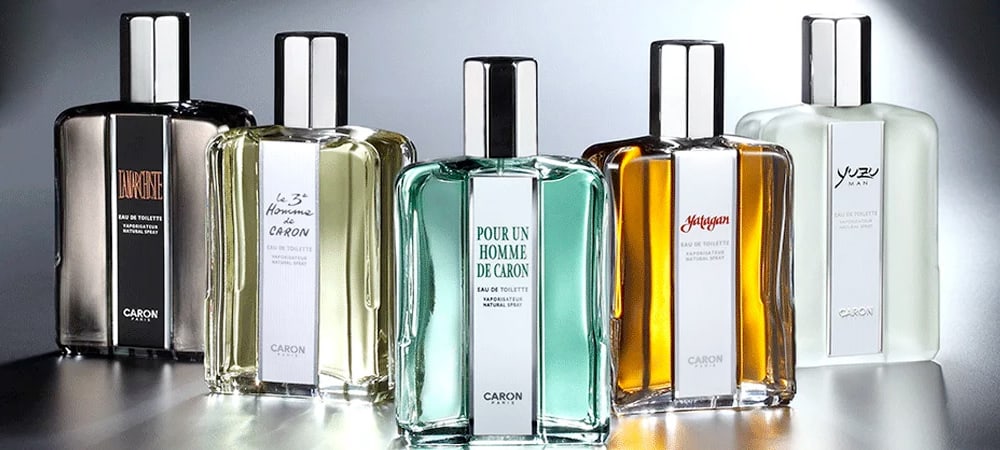
Founded in Paris in 1903 by Ernest Daltroff—a visionary self-taught perfumer with an extraordinary olfactory sensibility—Caron established itself through daring compositions that challenged conventional industry standards. In 1934, the house achieved a major milestone by releasing Pour Un Homme de Caron, widely recognized as the first major commercial eau de toilette marketed exclusively to men.
The formulation relies on an elegant yet deceptively simple juxtaposition: the aromatic clarity of high-grade lavender contrasted against the warm, comforting depth of vanilla. This distinctive balance captured the imagination of cultural rebels and artists alike. Cinematic icon James Dean was famously linked to the fragrance during his brief, meteoric career, while French singer-songwriter Serge Gainsbourg was such an ardent devotee that he immortalized the scent in his musical catalog. Perfumery experts regularly cite Pour Un Homme as a masterclass in minimalist composition, proving that structural balance often outweighs ingredient complexity in achieving timeless status.
Carolina Herrera: New York Sophistication Worn by Justin Bieber
Establishing its fashion footprint amidst the glamorous social circles of New York’s Studio 54 in the late 20th century, the house of Carolina Herrera became synonymous with cosmopolitan elegance. In the early 1990s, the brand expanded into masculine perfumery with the launch of Herrera for Men, a composition that quickly established market dominance through its harmonious blend of fresh bergamot and rosemary top notes, spicy clove heart, and a rich, resonant tobacco base.
Despite shifts in generational aesthetics and youth culture trends, the fragrance has maintained a loyal following across diverse demographics. Pop culture figures such as Justin Bieber have been noted by lifestyle journalists as wearers of the enduring scent, reflecting the bridging of classic luxury houses with modern celebrity influence. Retail analysts observe that heritage designer fragrances frequently benefit from cross-generational appeal, driven by brand ambassadors and digital marketing strategies that connect historical formulations with younger consumer cohorts.
Implications and the Modern Fragrance Market
The enduring popularity of these eight historic fragrance houses illustrates a broader consumer shift toward authenticity and heritage in personal grooming. While the modern marketplace is flooded with celebrity-backed novelties and fast-moving direct-to-consumer brands, the enduring legacy of formulations created decades—or even centuries—ago underscores the enduring value of superior craftsmanship.
Economic analysis of the global fragrance sector indicates steady compound annual growth rates, driven heavily by premium and niche fragrance segments. Consumers increasingly view scent not as a superficial final step, but as a deliberate extension of personal identity, mirroring the care invested in tailoring, grooming, and lifestyle choices. Ultimately, whether drawing inspiration from the timeless appeal of David Beckham’s Creed or the mid-century refinement of Michael Caine’s Guerlain, selecting a signature fragrance remains one of the most effective ways for a gentleman to project character, history, and unmistakable style.