









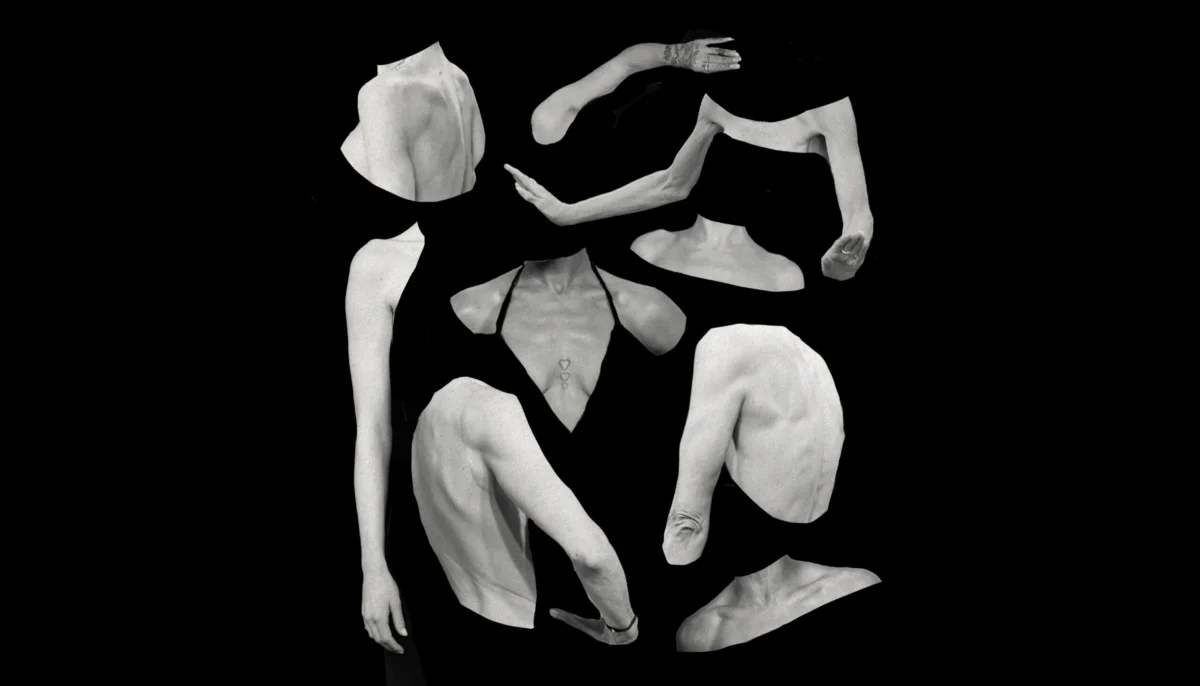
The digital landscape, particularly social media feeds, has been increasingly punctuated by striking photographic evidence of a significant shift in celebrity appearances. In recent months, a noticeable trend towards extreme thinness has become prevalent among public figures, manifesting in features such as sharply defined shoulder blades, prominent collarbones, and an overall gaunt physique. This phenomenon, moving beyond mere slimness to a state of pronounced emaciation, is raising critical questions about evolving beauty standards and their potential health implications, particularly for women in midlife and beyond.
The visibility of this trend is undeniable, with many prominent actresses and public personalities exhibiting a drastically reduced body mass. While discussions surrounding body image and the pressure on women in the public eye are not new, the current intensity and the specific demographic affected warrant a closer examination. This shift is not isolated to younger stars; a growing number of established actresses, many of whom are over 50 and 60, are now presenting with a level of thinness that raises significant health concerns.
A Noteworthy Observation from the Fashion World
The concern over extreme thinness in the public sphere is not confined to social media. Even within the rarefied atmosphere of high fashion, the issue has been noted. In an interview conducted earlier this spring, acclaimed actress Meryl Streep, while discussing a potential sequel to "The Devil Wears Prada," expressed her astonishment at the models she observed at recent fashion shows. Streep remarked, "I was struck by how not only beautiful and young—everyone seems young to me—but alarmingly thin the models were. I thought that all had been addressed years ago." Her observation was echoed by her "Devil Wears Prada" co-star, Anne Hathaway, who reportedly took immediate action by approaching producers to secure assurances that the models featured in their upcoming film would not exhibit such a skeletal appearance. This anecdote highlights a long-standing awareness within the entertainment industry of the impact of model aesthetics on broader societal perceptions of beauty and health.
Beyond Aesthetics: The Health Implications of Extreme Thinness
While the author of the original piece acknowledges the historical criticism faced by women regarding their bodies and expresses a reluctance to engage in body-shaming, the observed trend has prompted a deeper investigation into its potential consequences. The shift from "thin" to "gravely gaunt" among celebrities, particularly those in the midlife demographic, necessitates a discussion that transcends aesthetic preferences and delves into critical health considerations.
The Midlife Factor: Unique Vulnerabilities
For women navigating midlife and beyond, maintaining a healthy weight is not merely about appearance; it is intrinsically linked to overall well-being and resilience. The human body undergoes significant physiological changes during this phase, including hormonal shifts associated with perimenopause and menopause. These changes can influence metabolism, bone density, and muscle mass, making women more susceptible to certain health issues. The pursuit of extreme thinness during this period can exacerbate these vulnerabilities, potentially leading to serious health complications.
A Closer Look at the Evidence
The visual evidence of this trend is pervasive. A recent social media scroll brought into sharp focus a video clip of actress Demi Moore at a public event, her appearance described as "frighteningly skeletal." This observation, unfortunately, is not an isolated incident. Such images, often accompanied by comments praising the individual for "aging like a fine wine," underscore a societal misconception. The metaphor, while perhaps intended to convey grace in aging, can be misconstrued to equate aging well with looking younger and thinner, rather than with maintaining health and vitality.
Understanding the Risks: A Medical Perspective
The medical community consistently identifies a Body Mass Index (BMI) below 18.5 as underweight, a classification associated with a range of adverse health outcomes. The implications of an unhealthily low BMI are multifaceted and can have profound effects on long-term health.
- Increased Mortality Risk: Studies have indicated that women with a significantly low BMI face a higher risk of mortality compared to those within a normal BMI range. This elevated risk is a stark reminder of the physiological strain placed on the body when it lacks essential reserves.
- Cognitive Decline: Emerging research suggests a correlation between being underweight and an increased risk of developing Alzheimer’s disease and other forms of dementia. Maintaining adequate body fat and nutrient stores is crucial for brain health, particularly as individuals age.
- Sarcopenia and Osteoporosis: As individuals age, they are naturally prone to a decline in muscle mass (sarcopenia) and bone density. For underweight individuals, this decline can be accelerated and more severe. Reduced muscle mass can lead to decreased strength and mobility, while low bone density significantly increases the risk of fractures, a critical concern for older adults. This is particularly relevant given that perimenopause and menopause are already associated with a decrease in bone density.
- Skin Fragility: Chronic thinness can contribute to skin fragility, making it more susceptible to tears and damage. This condition, known as dermatoporosis, can be particularly distressing and can compound the age-related changes in skin elasticity and healing.
- Facial Aging: Extreme thinness can also accentuate the signs of aging in the face, leading to sunken eyes and cheeks. This can create an appearance that is often perceived as older, contrary to the common desire to appear youthful.
The Cultural Nexus: Unrealistic Ideals and Their Impact
The pressure to conform to increasingly stringent beauty standards, especially those propagated by the media and celebrity culture, plays a significant role in the observed trend. The idealization of extreme thinness, often conflated with youth and vitality, creates a challenging environment for women, particularly as they navigate the natural aging process.
The Rise of Disordered Eating in Midlife:
The intersection of societal pressures and the physiological changes of midlife can create a breeding ground for disordered eating. Studies have shown an increase in eating disorders among women over 50. The stresses associated with perimenopause and menopause—hormonal fluctuations, weight fluctuations, and mood swings—can heighten a woman’s vulnerability. Furthermore, significant life transitions, such as children leaving home, caring for aging parents, or re-evaluating marital dynamics, can add emotional and psychological burdens that may manifest in unhealthy relationships with food and body image.
Quantifying Body Dissatisfaction:
Research consistently highlights the disconnect between societal ideals and individual experiences. One study indicated that over 50% of women classified as "normal weight" (BMI between 18.5 and 24.9) reported increased body dissatisfaction and greater discontent with their bodies in their 50s compared to their younger years. This suggests that even without being underweight, many women experience heightened self-consciousness about their bodies as they age, making them more susceptible to adopting extreme measures to alter their appearance.
The Role of Celebrities as Influencers
Celebrities, by virtue of their public platforms and widespread influence, hold a significant position in shaping cultural perceptions. When ultra-thin physiques are consistently presented as an aspirational ideal, particularly for women in midlife, it can inadvertently promote unhealthy behaviors. The promotion of weight-loss medications, such as Mounjaro, has also become a notable factor in the public discourse surrounding weight management and body transformation. While these medications can be beneficial for individuals with specific medical needs, their widespread use and association with celebrity endorsement raise concerns about the normalization of rapid and extreme weight loss.
Addressing the Nuances: Health vs. Societal Pressure
It is crucial to acknowledge that individuals’ health journeys are complex and personal. Several factors can contribute to weight loss, including underlying medical conditions, psychological distress, and personal choices. The public discourse surrounding the appearances of figures like Chadwick Boseman and Catherine, Princess of Wales, before their respective health diagnoses, serves as a poignant reminder that drastic physical changes can sometimes be indicators of serious health issues.
Furthermore, it is important to recognize the personal struggles of public figures. Demi Moore, in her autobiography, has openly discussed her past battles with eating disorders and addiction. Her resilience and achievements in the face of these challenges are commendable. Therefore, any discussion about celebrity appearances must be conducted with empathy and a recognition of individual circumstances.
The Broader Implications: Responsibility and Role Models
While the author of the original piece refrains from personal judgment and acknowledges the limitations of understanding the private lives of public figures, the pervasive nature of the trend necessitates a broader conversation. When extreme thinness becomes a recurring theme among a multitude of prominent women, it transforms from individual instances into a discernible trend. This trend, characterized by an objectively alarming aesthetic, warrants critical attention, not as a means of attacking individuals, but as a means of understanding its societal impact.
Celebrities who consistently choose to inhabit the public eye carry an inherent responsibility. Their choices, both personal and public, can serve as powerful examples, for better or for worse. If the prevalent image presented is one of extreme fragility, it can send a misleading message about what constitutes healthy aging and desirable appearance. The stylists and fashion houses that accentuate these features also contribute to the perpetuation of this ideal.
Ultimately, the conversation surrounding the increasing prevalence of extreme thinness among celebrities, particularly in midlife and beyond, is not about judgment but about promoting a healthier and more nuanced understanding of beauty, aging, and well-being. It is about encouraging a shift in focus from an often unattainable and potentially detrimental aesthetic ideal to one that celebrates health, strength, and vitality at every stage of life. The aim is to foster an environment where individuals, both in the public eye and in their everyday lives, are empowered to prioritize their health and embrace a realistic and supportive vision of aging.