




As the global countdown to the 2026 FIFA World Cup intensifies, a distinct narrative is emerging that transcends athletic prowess and national rivalries: the unprecedented convergence of high fashion and football. While previous tournaments have offered glimpses into the sartorial side of the beautiful game, the upcoming event in North America is set to solidify its status as a pivotal moment for style, driven by strategic brand collaborations, evolving fan aesthetics, and an overarching cultural shift. This tournament promises to be more than just a sporting spectacle; it is shaping up to be a global fashion runway, from the pitch to the stands and the streets beyond.
A Historical Perspective: The Evolution of Football Fashion
The notion of football as a fashion battleground is not entirely novel, with historical precedents offering strong contenders for stylistic influence. Early football kits, primarily functional and utilitarian, gradually gave way to designs that reflected broader societal trends and technological advancements.
The 1970s marked a significant stylistic inflection point. With the widespread adoption of colour television, football kits transitioned into a vibrant, often psychedelic, era. Brands like Adidas and Nike, then burgeoning sportswear giants, began pushing design boundaries, incorporating bold colours, distinctive patterns, and increasingly recognizable logos. This period coincided with the rise of sportswear as casual attire, laying the groundwork for football apparel to transcend its purely athletic function and become a statement of identity and style. Fans began to wear replica kits not just to matches but as everyday clothing, fostering a nascent connection between the sport and mainstream fashion.
Two decades ago, the 2006 World Cup in Germany offered another memorable, albeit different, fashion moment. While England’s national team faced defeat against Portugal in the quarter-finals, the real stylistic narrative unfolded off the pitch in Baden-Baden. The arrival of the "WAGs" (wives and girlfriends) – including figures like Victoria Beckham, Cheryl Cole, and Coleen Rooney – transformed the sleepy German spa town into an unexpected fashion hub. Their signature look, characterized by denim cut-offs, designer shades, and an almost ubiquitous display of Hermès Birkin bags, captured global media attention. This phenomenon underscored the growing influence of celebrity culture on football, demonstrating how the personal style of those associated with the game could generate significant cultural buzz and set trends, albeit through a more informal, celebrity-driven lens. This era cemented the idea that the World Cup was not just about the athletes, but also about the broader spectacle and the lifestyle surrounding it.
The 2026 Paradigm Shift: Purposeful Crossover and Strategic Alliances
What distinguishes the 2026 World Cup is the deliberate and highly strategic nature of the football-fashion crossover. Unlike previous, more organic or celebrity-driven instances, the upcoming tournament has witnessed an unprecedented, purposeful integration of high fashion and sportswear brands seeking to capitalize on football’s immense global reach and cultural resonance. Industry analysts estimate that the global football apparel market, already valued at over $25 billion, is projected to grow by an additional 5-7% annually, with lifestyle collaborations being a significant driver.
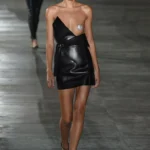
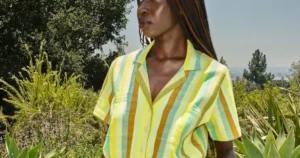
Numerous high-profile fashion brands have launched World Cup-focused capsule collections, signaling a concerted effort to engage with the sport’s massive audience. Labels such as Willy Chavarria, known for his gender-fluid designs and elevated streetwear, have introduced collections that blend athletic aesthetics with high-fashion sensibilities, appealing to a demographic that values both comfort and cutting-edge style. Similarly, Jacquemus, celebrated for its minimalist yet impactful designs and strong Mediterranean influences, has ventured into football-inspired pieces, offering a luxury interpretation of fan apparel that moves beyond traditional jerseys.
Streetwear stalwarts like Corteiz and Palace have also entered the fray, leveraging their cult followings to produce collections that resonate with a younger, trend-conscious audience. These collaborations often feature limited-edition drops, creating a sense of exclusivity and urgency that fuels consumer demand. Their designs frequently incorporate vintage football motifs, graphic elements, and comfortable silhouettes, blurring the lines between sportswear, streetwear, and everyday fashion.
Perhaps one of the most significant collaborations demonstrating this purposeful shift is the partnership between Loewe and the Spanish national team. Loewe’s creative directors, Jack McCullough and Lazaro Hernandez, have designed the official travel outfits for the team. This initiative moves beyond performance wear, focusing on the sophisticated off-pitch appearance of the athletes. Such collaborations elevate the players to style icons even when not in uniform, showcasing national pride through the lens of luxury fashion. This strategic alliance underscores a broader trend: national teams are increasingly recognizing the value of projecting a refined image beyond the field, aligning with luxury brands to enhance their global presence and appeal.
Furthermore, luxury powerhouse Balenciaga has imagined its own "football team" through a series of soccer-inspired tracksuits and apparel. These collections, while not directly tied to a national team, appropriate football iconography and sportswear silhouettes, reinterpreting them with Balenciaga’s signature avant-garde, often oversized, aesthetic. This move by a brand known for its disruptive approach further legitimizes football as a source of high-fashion inspiration, positioning sportswear elements within the realm of luxury prêt-à-porter.
Even more accessible, trend-driven brands like I.AM.GIA have released patriotic lines, including "booty shorts" and other fan-focused apparel. This wide spectrum of brand engagement, from high luxury to fast fashion, indicates a universal recognition of the World Cup’s immense marketing potential and its capacity to influence diverse consumer segments. The sheer volume and variety of brands participating in this fashion crossover underscore the comprehensive nature of this trend.
The Business Imperative: Why Fashion Brands are Scoring with Football
The escalating interest from fashion brands in football is not merely an aesthetic preference; it is a calculated business strategy driven by several key factors:
- Global Reach and Demographic Appeal: The FIFA World Cup is arguably the most-watched sporting event globally, attracting billions of viewers. This unparalleled audience offers fashion brands a direct pipeline to diverse demographics, from traditional football enthusiasts to casual viewers and fashion-conscious individuals. Brands are increasingly targeting the younger demographic (Gen Z and Millennials), who are highly engaged with both fashion and digital culture, and who view football as a lifestyle rather than just a sport.
- Cultural Relevance and Authenticity: Football is deeply ingrained in global culture, offering a sense of authenticity and passion that luxury brands often seek to align with. By collaborating with teams or producing football-inspired collections, brands can tap into this emotional connection, making their products feel more relatable and less elitist.
- Expansion into New Markets: For many luxury European fashion houses, collaborations with football provide an effective entry point or expansion strategy into emerging markets, particularly in Asia, Africa, and North America, where football’s popularity is surging.
- Brand Visibility and Storytelling: The World Cup offers an unparalleled platform for brand visibility. From pitch-side advertising to celebrity endorsements and fan engagement, the tournament provides myriad opportunities for brands to tell compelling stories and connect with consumers on a global scale. The narrative of performance, teamwork, and national pride resonates strongly and can be subtly woven into fashion campaigns.
- The "Athleisure" Boom: The enduring trend of "athleisure" – the blending of athletic wear with everyday fashion – has created a fertile ground for this crossover. Consumers are increasingly seeking comfortable, versatile, and stylish clothing that blurs the lines between gym wear and street wear. Football-inspired fashion fits perfectly within this paradigm.
Fan Culture: Street Style Takes Centre Stage
The influence of this fashion-forward World Cup extends far beyond official collaborations and designer collections, spilling vibrantly into the streets where fans express their allegiance and personal style. The atmosphere before major matches, such as England’s semi-final against Argentina (in a hypothetical context for 2026, assuming England advanced this far), becomes an informal fashion parade.
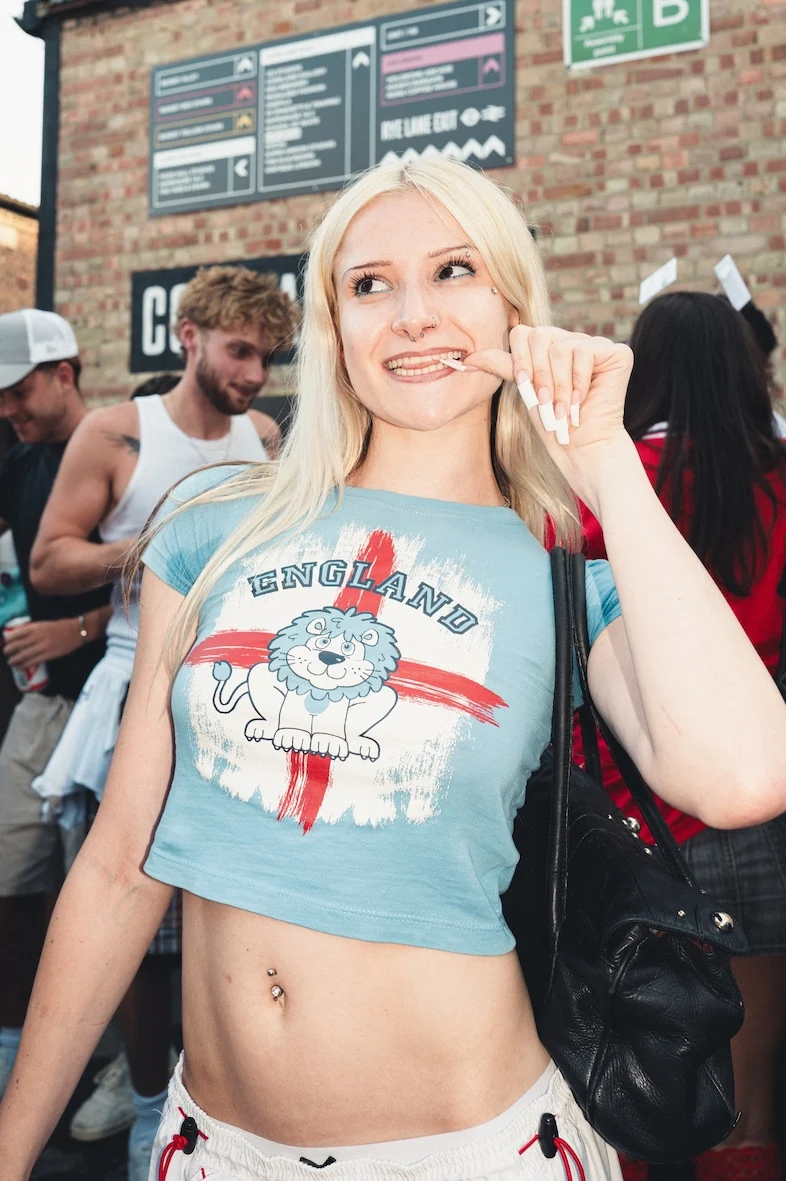
In bustling urban hubs like Peckham’s Rye Lane, a hub of diverse cultural expression in London, fans demonstrated a keen awareness of the fashion memo. The streets were a kaleidoscope of England shirts from every era, showcasing a nostalgic appreciation for the sport’s history. These vintage jerseys, often paired with contemporary accessories, highlighted a blend of historical reverence and modern flair.
Beyond official merchandise, fan creativity was evident in DIY bucket hats, often adorned with national colours or personalized embellishments. Baggy cargo shorts and low-slung jeans, staples of contemporary youth fashion, were ubiquitous, paired with an array of tops ranging from classic team jerseys to more fashion-forward pieces. There was a noticeable resurgence of ’00s aesthetics, perhaps directly inspired by the enduring image of the Baden-Baden WAGs. Wraparound shades, reminiscent of early 2000s celebrity style, and "baby tees" – cropped, fitted t-shirts often featuring England motifs – proved particularly popular across the numerous pubs visited. This embrace of retro trends, mixed with current streetwear sensibilities, demonstrated how fan culture actively engages with and reinterprets broader fashion movements. It’s a powerful testament to how supporters view their attire not just as a uniform, but as an integral part of their matchday experience and personal identity.
Broader Impact and Future Implications
The 2026 World Cup’s status as a fashion event carries significant implications for the sports industry, the fashion world, and broader cultural consumption:
- Redefining Sportswear: The sophisticated collaborations and high-fashion interpretations are pushing the boundaries of what sportswear can be. It’s no longer just about performance but equally about style, luxury, and cultural statement. This trend will likely lead to more innovative materials, sustainable production practices, and diverse aesthetic influences in future collections.
- Economic Opportunities: The symbiotic relationship between fashion and football opens up new revenue streams for both industries. Licensing deals, co-branded products, and exclusive drops will become increasingly prevalent, driving significant economic value. The market for premium, football-inspired lifestyle apparel is poised for substantial growth.
- Cultural Democratization of Fashion: While high fashion often feels exclusive, its engagement with a globally accessible sport like football helps to democratize style. It brings designer aesthetics to a wider audience, making fashion more relatable and integrated into everyday life. Conversely, it elevates football into a realm of high culture and luxury.
- Enhanced Fan Engagement: By offering diverse and stylish ways for fans to express their allegiance, brands are deepening engagement. From luxury travel outfits to patriotic streetwear, there’s a fashion statement for every type of supporter, fostering a more inclusive and dynamic fan experience.
- Sustainability Imperative: As this market expands, there will be an increasing focus on sustainable practices within the production of football-related fashion. Brands will face pressure to use eco-friendly materials, ethical manufacturing processes, and promote longevity in their designs, aligning with growing consumer awareness regarding environmental impact. This could lead to innovations in recycled fabrics, circular design models, and transparent supply chains.
In conclusion, the 2026 FIFA World Cup is set to be a landmark event not only for football but also for fashion. It represents a mature and highly integrated phase of the relationship between these two global forces. From the strategic collaborations between luxury brands and national teams to the vibrant, retro-inspired street style of fans, the tournament is poised to redefine what it means for sport to be fashionable. As the world turns its eyes to North America, it will witness a spectacle where athletic excellence is matched by unparalleled sartorial expression, cementing the World Cup’s legacy as a true cultural phenomenon that transcends the boundaries of the pitch.