










The UK’s domestic textile and garment industry is set for a significant strategic boost with the announcement of a new regional manufacturing showcase, Made in Manchester & Regions. Scheduled to take place on 4 November at the historic Manchester Hall, this event represents a collaborative effort between the prominent industry trade show Source Fashion, the social enterprise Fashion-Enter, and the Association of Textile and Apparel Manufacturers (ATMF). By bringing together domestic manufacturers, national retailers, and independent brands, the event aims to bridge the persistent gap between local production capacity and the sourcing requirements of the modern high street.
This initiative arrives at a pivotal moment for the British fashion industry, which has spent the better part of the last decade navigating a volatile landscape marked by Brexit-related trade friction, post-pandemic supply chain instability, and a renewed emphasis on ESG (Environmental, Social, and Governance) compliance. As global shipping costs fluctuate and geopolitical tensions threaten the reliability of traditional offshore manufacturing hubs in Asia, the "nearshoring" model has transitioned from a theoretical preference to a practical necessity for many UK-based retailers.
A Chronology of the Regional Manufacturing Push
The Made in Manchester & Regions event is not an isolated experiment but rather the latest iteration of a sustained effort to revitalize British manufacturing. The momentum for this movement began in earnest following the success of the "Leicester Made" events.
The Leicester series, which saw three previous iterations, served as a pilot for identifying the logistical and administrative hurdles that prevent local production from scaling effectively. Those events demonstrated that while the appetite for "Made in the UK" products is high among consumers, the technical integration between factory floors and retail procurement departments remained fragmented. By transitioning the event to Manchester—a city with a profound historical legacy in the industrial textile trade—the organizers are signaling a broader, national approach to re-industrialization that extends beyond any single city.
Addressing the Barriers to Local Sourcing
Despite the clear benefits of reduced carbon footprints and shortened lead times, UK manufacturers continue to face significant headwinds. Market research indicates that while speed and flexibility are the primary advantages of domestic production, several systemic issues persist. These include, but are not limited to:
- Skills Gaps: The aging workforce in traditional textile manufacturing has led to a shortage of skilled labor, particularly in specialized sewing and pattern-cutting roles.
- Cost Pressures: Energy costs and the rising National Living Wage have compressed margins for factories, making them appear less competitive when compared to manufacturers in countries with lower labor standards.
- Visibility and Connectivity: As noted by industry experts, many retailers are unaware of the specific capabilities of remaining UK factories. The "who is left?" dilemma remains a significant barrier to entry for procurement teams looking to diversify their supply chains.
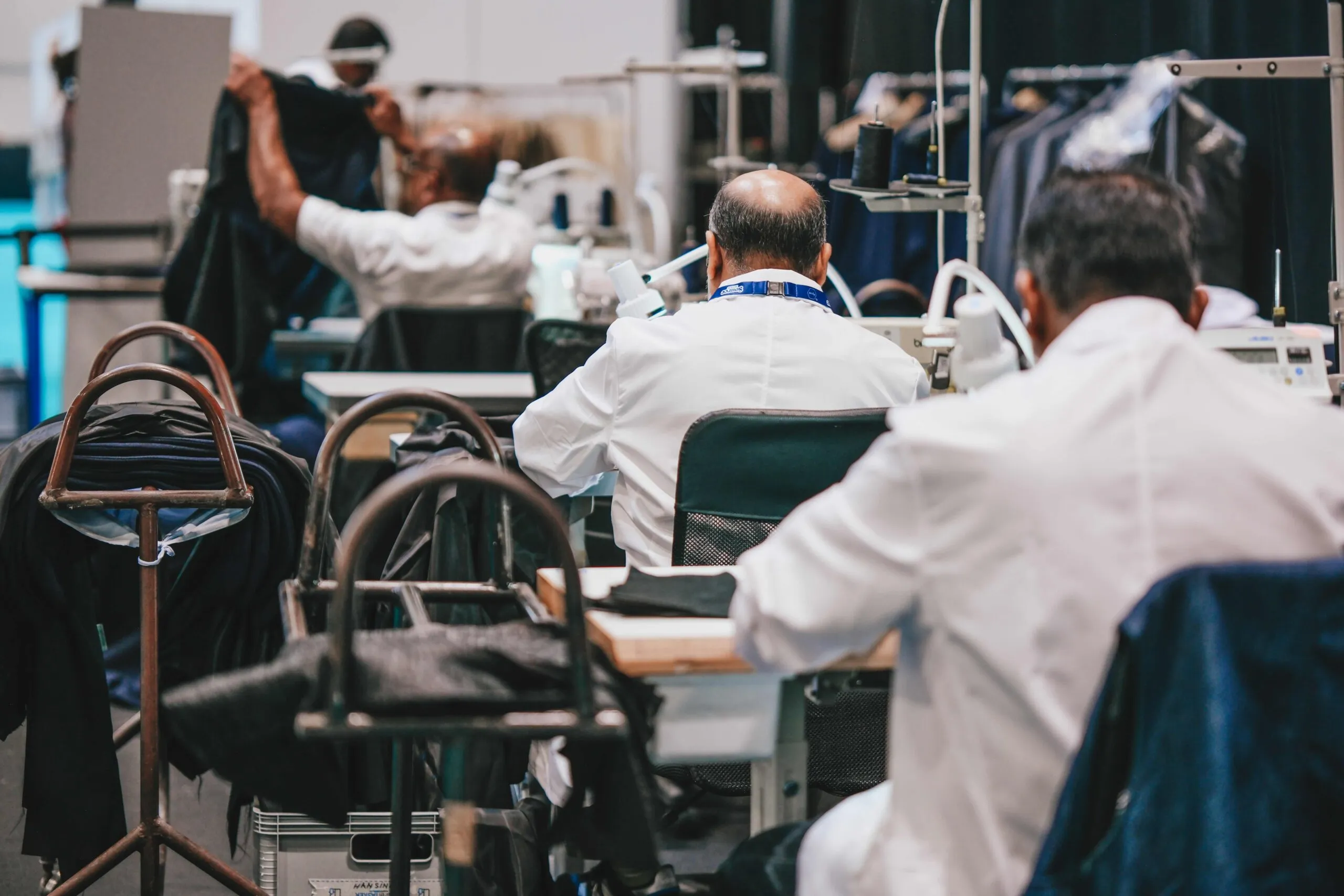
The Manchester event aims to tackle these barriers head-on. By creating a dedicated forum for face-to-face interaction, the organizers hope to replace outdated assumptions about domestic manufacturing capacity with real-time data on the technological advancements currently being deployed in British factories, such as 3D sampling and automated cutting.
Official Perspectives and Strategic Vision
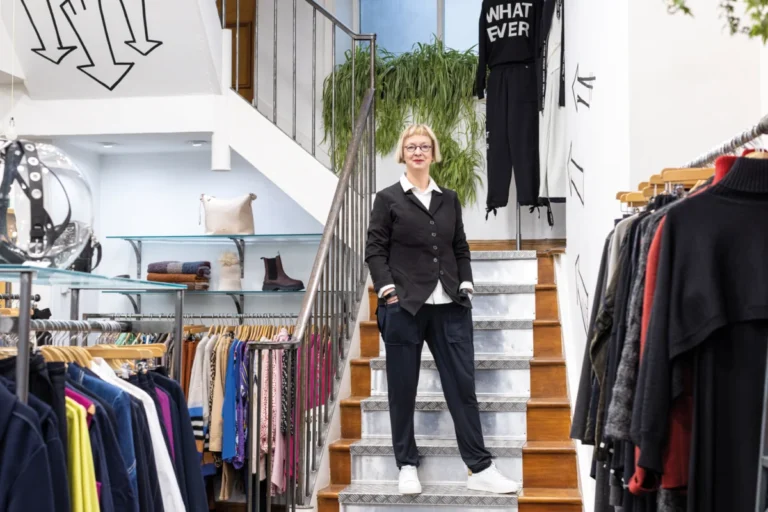
Suzanne Ellingham, event director at Source Fashion, emphasizes that the disconnect is often one of information rather than economics. "One of the biggest barriers retailers and brands face when it comes to working with UK-based manufacturers isn’t always cost, but visibility, who to work with and who is left?" she stated. Her perspective highlights the need for a comprehensive directory of active, audited, and compliant UK factories that can meet the rigorous demands of large-scale retailers.
The strategic importance of this event is further underscored by the involvement of Jenny Holloway, founder of Fashion-Enter and chair of the ATMF. Holloway has been a vocal advocate for the integration of local manufacturing into the broader national economic strategy. "Made in Manchester & Regions is a new way forward for manufacturers today," Holloway noted. "Based on the last three successful Leicester Made events, 4 November promises to be the best inspiring networking event yet. It’s perfect timing to be hosting this event in Manchester with our PM [Mayor] Andy Burnham strongly endorsing the re-industrialization and restoring of public procurement contracts."
The mention of public procurement is particularly significant. There is a growing movement, supported by industry groups such as Fashion Roundtable, to urge the government to leverage its own purchasing power. By mandating that a percentage of public sector uniforms and textile requirements be sourced domestically, the government could provide the "anchor demand" necessary for factories to invest in new machinery and staff training.
Data-Driven Context: The State of the UK Textile Industry
To understand the scale of the challenge, one must look at the data. According to recent reports from the Office for National Statistics (ONS) and various industry trade bodies, the UK textile industry has undergone a radical transformation. While the high-volume garment manufacturing of the 20th century has largely shifted overseas, a sophisticated, high-end, and agile manufacturing sector has emerged in its place.
Data suggests that UK manufacturing is increasingly sought after for small-batch production, rapid response to market trends, and high-quality luxury manufacturing. However, the contribution of the textile sector to the UK’s total manufacturing GDP remains modest, accounting for approximately 1-2% of total output. The potential for growth, however, lies in the "conscious consumer" segment. As retailers adopt the Drapers Conscious Fashion Manifesto, they are increasingly pressured to provide transparency in their supply chains. Domestic production offers a level of oversight that is virtually impossible to achieve when sourcing from thousands of miles away.
Implications for Future Supply Chain Resilience
The broader implication of the Manchester event is the potential for a "hybrid" sourcing model. Retailers are unlikely to abandon global supply chains entirely, as the economies of scale offered by overseas manufacturers remain essential for mass-market pricing. Instead, the industry is moving toward a strategy where "near-to-market" manufacturing handles the high-margin, high-turnover, or trend-led portions of a collection.
This creates a more resilient supply chain that is less susceptible to "Black Swan" events, such as the pandemic or global shipping lane blockages. By having a robust domestic base, UK brands can hedge against international volatility. Furthermore, the focus on sustainability—a core pillar of the Conscious Fashion Manifesto—aligns with the reduced transportation requirements of localized manufacturing.
Looking Toward the Future
As the 4 November date approaches, industry attention is shifting toward the specific outcomes the event might produce. Beyond the networking opportunities, the event is expected to serve as a laboratory for policy discussions. How can the industry better lobby for tax incentives for capital investment? What role will apprenticeships play in closing the skills gap? How can digitalization be democratized to help smaller factories compete?
These questions will be central to the panel discussions and workshops hosted at Manchester Hall. The organizers have expressed a desire to move beyond the "talk shop" phase and into actionable, commercial outcomes. For the manufacturers, the event is a rare opportunity to pitch their services to buyers who are under pressure from their boards to improve supply chain sustainability and resilience. For the buyers, it is a chance to secure the capacity that will be essential in a future where global supply chains are increasingly fragmented.
Ultimately, the Made in Manchester & Regions event serves as a microcosm of the wider struggle to redefine British manufacturing in the 21st century. It is a recognition that the future of the industry does not lie in competing with the lowest-cost global producers on price, but in competing with them on agility, quality, ethics, and the ability to pivot rapidly in an unpredictable global market. If the success of the Leicester events is any indicator, the Manchester gathering could represent a vital turning point in the professionalization and integration of the UK’s domestic textile network.