







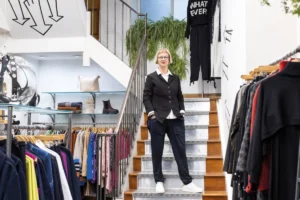


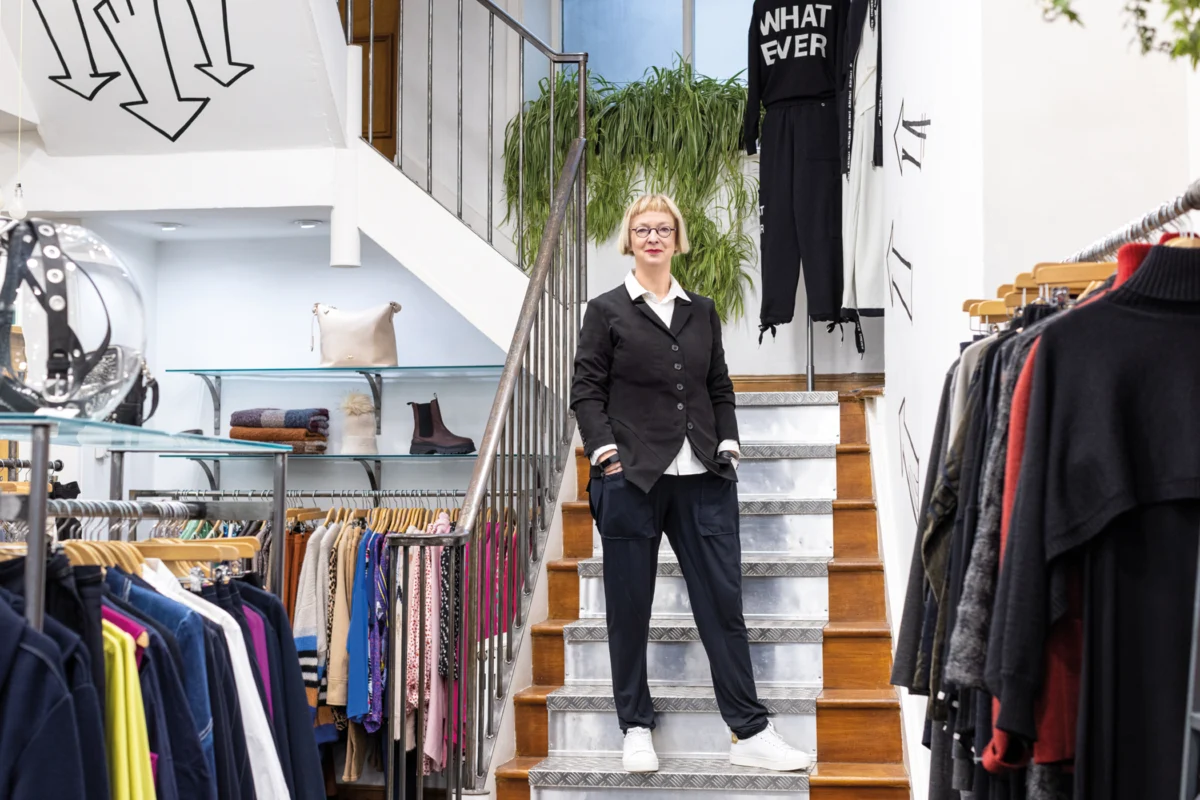
The retail landscape of the United Kingdom has undergone a seismic transformation over the last half-century, characterized by the decline of the high street and the rise of digital-first commerce. Amidst this turbulence, Sunday Best, a staple of Rossendale, Lancashire, has maintained a consistent presence for 55 years. Led by Jan Shutt, a recipient of the Drapers Independents Lifetime Achievement Award, the boutique serves as a case study in operational agility. As the business enters a critical period of infrastructure development that threatens to disrupt local footfall until 2027, the firm’s survival strategies offer significant insights into the mechanics of independent fashion retailing.
A Chronology of Retail Endurance
The history of Sunday Best is marked by its ability to adapt to distinct economic eras. Founded during the late 1960s, the business navigated the economic stagnation of the 1970s, the consumerism-driven growth of the 1980s, and the digital disruption of the early 21st century.
During the 1980s, the retail climate was significantly different from today. Independent retailers often operated with less rigorous inventory management systems, relying on strong local demand to clear seasonal stock. However, the subsequent entry of major retailers like Next—which now manages a portfolio of approximately 750 brands—and the omnichannel dominance of John Lewis and Marks & Spencer, fundamentally altered the competitive balance.
The COVID-19 pandemic represented the most acute challenge in the company’s history. Between March 2020 and early 2022, government-mandated lockdowns forced the closure of non-essential retail across the UK. For a boutique reliant on physical presence, the period necessitated a rapid pivot. Shutt utilized government support, including the Coronavirus Job Retention Scheme, to protect the salaries of her 12-member team, ensuring that the business could resume operations immediately upon the easing of restrictions. This period reinforced the necessity of lean operational management and the value of a loyal customer base.
The Six Pillars of Independent Survival
Shutt identifies six core strategic pillars that have facilitated the longevity of the Sunday Best brand. These elements provide a framework for navigating the volatility inherent in the fashion sector:
- Asset Ownership: By acting as both owner and occupier of the premises, the business avoids the volatility of commercial rent fluctuations, providing a stable economic foundation.
- Human Capital: The recruitment of a team that balances commercial acumen with a high degree of emotional intelligence remains a priority.
- Curation and Sourcing: The business dedicates significant resources to identifying both premium and entry-level collections, a process that requires extensive market research and travel.
- Industry Networking: Strategic alliances with peers, such as Liz and Rupert Jefferson of Doodie Stark, have allowed for the exchange of critical business intelligence regarding website management and collection trends.
- Supplier Relations: Long-term partnerships with suppliers are built on professional loyalty, which serves as a hedge against supply chain volatility.
- Brand Recognition: Through accolades from institutions such as Drapers, The Telegraph, and The Times, the business has successfully maintained high brand equity, which remains essential in a saturated market.
Competitive Pressure and Pricing Strategy
One of the most pressing issues in modern fashion retail is the erosion of margins due to persistent discounting. The emergence of “Black Friday” as a month-long phenomenon has distorted consumer expectations, forcing many retailers into a cycle of constant price reductions.
Sunday Best has adopted a disciplined approach to pricing. Rather than engaging in perpetual discounting, which can devalue a brand’s positioning, the boutique utilizes a loyalty scheme to incentivize repeat custom. Sales are strictly confined to mid-July and late December. This strategy is designed to protect margins and maintain the perceived value of the premium collections stocked by the store.

Infrastructure Projects and Local Economic Impact
The current challenge facing the boutique is the "Levelling Up" infrastructure project in Rossendale, scheduled to continue until August 2027. Infrastructure works of this magnitude typically involve significant disruption to public thoroughfares, including the excavation of pavements and roads, which often results in restricted vehicular access and reduced pedestrian traffic.
Economic data suggests that retail footfall in town centers is highly sensitive to accessibility. Rumors regarding the closure of car parks, even if unfounded, can have an immediate psychological impact on potential shoppers. In the absence of a government-backed compensation package or a reduction in business rates for affected retailers, the burden of managing this disruption falls entirely on the business owners.
The implications for small businesses in Rossendale are significant. The loss of daily footfall threatens the revenue streams of independent shops that lack the financial reserves of larger national chains. To mitigate these risks, Sunday Best is currently reconfiguring its operations to include:
- Experiential Retail: Increasing the frequency of in-store events to drive traffic despite construction barriers.
- Digital Optimization: Sharpening the website’s functionality to capture regional and national sales.
- Personalized Logistics: Implementing home delivery services to bridge the gap created by limited physical access to the store.
Analytical Perspective on Retail Resilience
The trajectory of Sunday Best underscores the distinction between retailers that merely sell products and those that curate a community experience. The shift in the retail landscape—where the primary competition is no longer the neighboring store, but a global network of digital retailers—demands a multi-faceted response.
Analysts have noted that the survival of independent boutiques is increasingly tied to their ability to provide services that e-commerce platforms cannot replicate, such as high-touch customer service and localized community engagement. However, the external pressures of infrastructure construction highlight the fragility of the independent model. Without local government intervention to support businesses during prolonged public works, the viability of the high street remains at risk.
The management at Sunday Best has expressed a determination to persist through the construction period, viewing the upcoming years as a test of the brand’s adaptability. By diversifying its service offerings and leaning into its reputation as a long-standing local institution, the boutique aims to weather the current disruption.
As the retail sector continues to evolve, the case of Sunday Best serves as a pertinent example of how established brands maintain relevance. The combination of fiscal discipline, strategic networking, and a commitment to customer-centric service has allowed the business to thrive for over half a century. Whether these strategies will be sufficient to overcome the physical barriers of the next three years remains a focal point for the regional retail community, as the business continues to adapt its model to the shifting realities of the modern high street.