









The modern approach to warm-weather dressing is frequently reduced to the bare essentials: a handful of basic cotton T-shirts, a standard pair of synthetic swim shorts, and a utilitarian pair of sunglasses thrown into a weekend bag. While these items remain practical for border crossings and beach excursions, this minimalist formulation overlooks a nearly century-old sartorial tradition that balances comfort with sophisticated elegance. Riviera style, historically rooted in the sun-drenched resorts of the Mediterranean, provides a comprehensive blueprint for warm-weather dressing that transcends temporary trends and offers both functionality and polish.
As climate patterns shift and global temperatures steadily rise, the demand for breathable, sophisticated menswear has increased. Industry analysts project that the global resort wear market will continue an upward trajectory, driven by an ongoing consumer shift toward high-utility, lightweight garments that transition seamlessly from daytime leisure to evening dining. The enduring relevance of Riviera style lies not merely in its aesthetic appeal, but in its engineering: it is a functional response to high temperatures developed long before the advent of modern synthetic cooling fabrics.

Historical Origins and Evolution of Resort Dressing
The genesis of modern Riviera style dates back to the late 18th and early 19th centuries, when the French and Italian coastlines transformed from rugged fishing communities and therapeutic health retreats into playgrounds for European aristocracy. Cities such as Nice, Cannes, and Marseille in France, alongside Portofino and San Remo across the Italian border, established themselves as the premier destinations for affluent travelers seeking respite from harsh northern European winters.
By the interwar period of the 1920s and 1930s, this seasonal migration expanded dramatically. The region attracted a formidable roster of cultural tastemakers, writers, and artists, including F. Scott Fitzgerald, Pablo Picasso, and Cole Porter. These figures inadvertently pioneered a new standard of dress that adapted traditional European tailoring to a hotter climate. Heavy woolen suits and stiff collars were discarded in favor of breathable cottons, loose linens, and relaxed silhouettes designed specifically for leisure activities such as sunbathing, promenading, and yachting.

This historical pivot established the foundational principles of resort wear: garments had to reflect light, permit maximum ventilation, and maintain a sharp, deliberate silhouette without relying on heavy internal canvassing or restrictive layers. Nearly a century later, these core tenets remain unchanged, offering a reliable framework for contemporary dressing whether one is visiting the Côte d’Azur or navigating urban heatwaves inland.
The Architecture of the Riviera Palette
Mastering the Riviera aesthetic begins with color theory. In high-temperature environments, color is not merely a stylistic choice but a thermodynamic tool. Scientific studies confirm that lighter color spectrums reflect solar radiation more effectively than darker tones, which absorb heat. Consequently, the core palette of traditional resort wear relies heavily on light neutrals, including optic white, stone, beige, ecru, and soft tan.

These foundational hues serve a dual purpose: they optimize thermal comfort by reflecting sunlight, and they offer exceptional versatility, allowing wearers to easily mix and mix separates without clashing. To introduce visual interest, historical and contemporary stylists incorporate nautical accents—specifically deep navy blues and maritime reds—alongside a curated selection of muted pastels such as sky blue, mint green, pale yellow, and lavender. This disciplined approach to color ensures that the overall appearance remains understated, sophisticated, and visually harmonious.
Essential Garments: The Polo Shirt
The polo shirt stands as an indispensable cornerstone of the Riviera wardrobe. Unlike a standard crewneck T-shirt, the inclusion of a structured collar provides crucial protection for the back of the neck against direct solar exposure, while instantly elevating the formality of the outfit. Furthermore, a quality polo offers a refined appearance in high temperatures while remaining significantly lighter and more breathable than a traditional Oxford cotton button-down.

Historically, traditional cotton piqué has dominated the market due to its durable honeycomb weave and timeless appeal. However, contemporary menswear increasingly favors alternative luxury textiles, including lightweight Egyptian cotton and Sea Island cotton, both of which offer superior moisture-wicking properties and silk-like softness under high thermal stress. Additionally, textured variations—such as mid-century-inspired knitted polos and absorbent toweling fabrics designed for post-swim transition—provide both historical authenticity and functional utility.
Styling versatility is a primary advantage of the garment. A fine-gauge knit polo can be layered beneath an unstructured linen blazer for an evening dinner, or worn independently with tailored trousers, chinos, or swim shorts for a relaxed daytime profile.
The Maritime Heritage of the Breton Top

Few garments carry as distinct a historical lineage as the Breton striped top. Originally codified in 1858 by the French Navy as the official uniform for seamen stationed in Brittany, the classic design featured precisely 21 indigo and white stripes, purportedly symbolizing each of Napoleon Bonaparte’s military victories.
Over the decades, this utilitarian military garment transitioned into civilian consciousness, championed by artists and style icons such as Coco Chanel and Jean Cocteau, before cementing its status as an enduring staple of maritime fashion. For a classic Riviera interpretation, experts recommend selecting a long-sleeved, lightweight cotton iteration featuring navy, black, or red stripes against a neutral white or ecru base.
While the Breton top carries inherent nautical charm, modern styling requires a degree of restraint. To avoid costume-like associations, fashion stylists advise pairing the top with contemporary, understated lower-halves—such as dark-toned chinos or tailored trousers—while completely avoiding overly literal accessories like boat shoes or peaked sailor caps.

Unstructured Tailoring for Warm-Weather Formalities
The idyllic scenery and romantic architecture of the Mediterranean make it a premier destination for summer weddings, upscale cocktail parties, and boardwalk dining. In these formal or semi-formal contexts, casual shirts and shorts are insufficient. Instead, men require lightweight, unstructured tailoring that delivers a sharp, professional silhouette without inducing physical discomfort or excessive perspiration.
The efficacy of warm-weather tailoring depends almost entirely on fabric selection. Heavy wools are replaced by high-performance summer textiles, including breathable cotton, crisp seersucker, pure linen, and intelligent blends designed to maximize airflow. Unlike traditional corporate suiting, unstructured blazers dispense with heavy shoulder pads and dense interior linings, allowing the jacket to drape naturally over the wearer’s frame.

To achieve an optimal balance between ventilation and sartorial precision, tailors recommend a slim, flattering cut that avoids excessive tightness, thereby preserving internal air circulation while maintaining a clean, tailored silhouette.
Tailored Shorts and Chinos
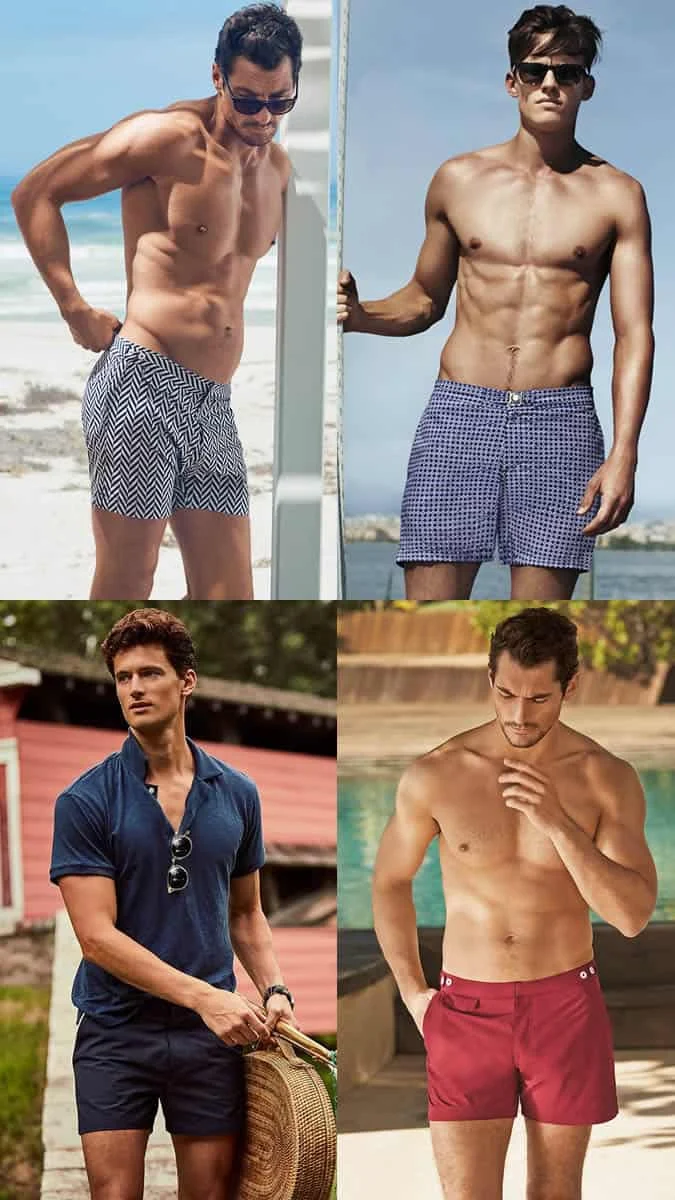
While casual denim shorts or athletic cut-offs may suffice for casual beachside tourism, the refined atmosphere of the Mediterranean coastline demands a more tailored approach to legwear. Well-constructed shorts should terminate cleanly just above the knee and feature a subtle taper through the thigh to project a polished, intentional appearance.

Similarly, lightweight chinos serve as an essential alternative when full-length trousers are required. Rolling or cropping the ankle to achieve a sockless appearance with loafers or driving shoes remains a signature styling technique of the region. Fabric choices mirror those of summer suiting—predominantly linen, cotton twill, and lightweight blends—while color palettes are generally maintained in conservative shades like navy, white, and stone to maximize wardrobe versatility.
Functional Elegance: Tailored Swimwear
The evolution of men’s swimwear over the past two decades represents a significant shift in resort fashion. Modern tailoring techniques have transformed swim shorts from purely utilitarian athletic gear into sophisticated garments that look equally appropriate at a private pool party as they do emerging from the surf.

Contemporary designers construct swim shorts with the same attention to detail applied to luxury trousers, featuring tailored waistbands, subtle side-adjusters, and quick-drying, high-performance technical fabrics. Whether selecting a solid block color tailored to one’s skin tone or opting for a bolder mid-century geometric print, the golden rule of Riviera swimwear remains consistent: hemlines must stay safely above the knee to maintain proportional balance and historical accuracy.
Footwear Innovations for Coastal Terrains
Footwear in a true Riviera context balances the casual freedom of coastal living with the structural requirements of walking on promenades and dining in upscale establishments. While walking barefoot on sandy beaches is optimal for complete relaxation, urban exploration and evening activities require appropriate footwear coverage.

Classic leather sandals in rich shades of black or dark brown offer immediate breathability and pair effortlessly with lightweight trousers and shorts. For individuals who prefer enclosed footwear without sacrificing seasonal ease, traditional canvas espadrilles with jute soles provide a time-tested alternative.
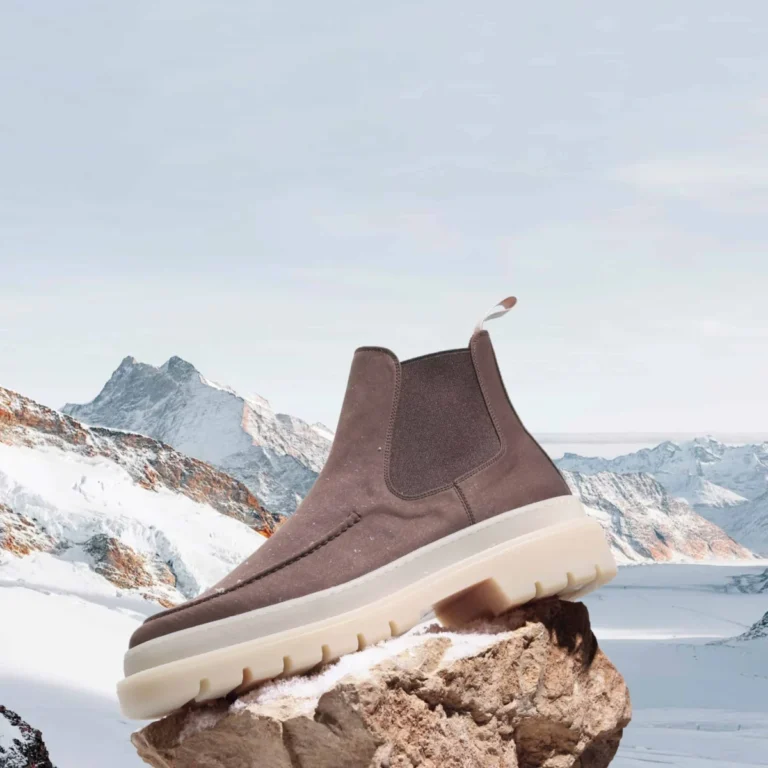
When transitioning to evening activities such as bar-hopping or restaurant dining, menswear experts universally recommend substituting sandals for premium leather or suede loafers and driving shoes. Suede, in particular, adds a tactile layer of luxury and visual softness that distinguishes a well-considered outfit from standard vacation wear.
Finishing Touches and Accessories

The final stage of curating a Riviera-inspired wardrobe relies on judiciously selected accessories that provide both functional protection from the elements and elevated style points.
Given that traditional neckties are widely regarded as superfluous in high summer temperatures, classic alternatives include a neatly folded silk pocket square tucked into an unstructured blazer’s breast pocket, or a loosely knotted silk neckerchief filling the neckline of an open-collared shirt.
Sun protection is naturally paramount, making headwear an essential investment. Woven straw fedoras and classic Panama hats offer both instant sartorial credibility and vital defense against solar radiation. Finally, completing the look with a timeless pair of sunglasses—such as acetate and metal Clubmasters or round tortoiseshell frames—provides the ultimate polish to an ensemble rooted in nearly a century of European elegance.